Welcome to Weidong Machines
Top 5 Factors to Consider When Investing in a High-Efficiency Wood Grinder?
A wrong grinder choice can drain fuel, slow output, and raise downtime fast. I have seen buyers focus on price first, then pay much more later in repairs and lost production.
The top factors are capacity, mobility, material fit, durability, fuel cost, and manufacturer experience. I always tell buyers to match the grinder to daily throughput, site movement needs, feedstock type, service life, and long-term operating cost, not just the purchase price.
When I help clients choose a grinder, I do not start with color, looks, or even list price. I start with the work yard, the raw material, and the output target. That is because a machine that looks strong on paper can still fail in the field if its chassis, roller setup, or maintenance design does not match the job. Over the years, I have learned that the best buying decision is the one that keeps production stable month after month.
How Should I Assess Processing Capacity and Output Efficiency?
Many buyers only ask for tonnage. That is risky. A grinder can claim high capacity, but poor feeding design or unstable output can still hold your line back.
I assess capacity by looking at hourly throughput, inlet size, feeding system, and output consistency. For example, both the WD3600T and WD3600C are rated at 25 to 40 tons per hour, use a 408KW engine, and run at 850 rpm, which shows they are built for high-volume work.
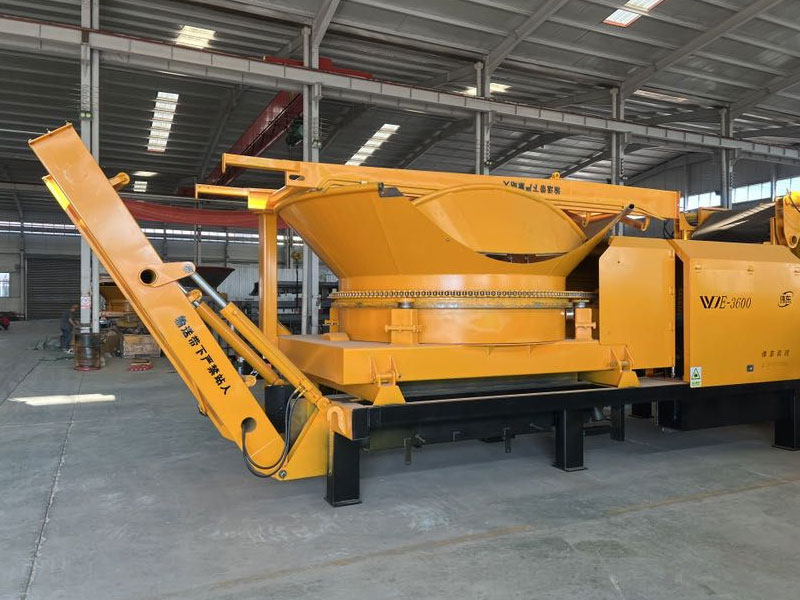
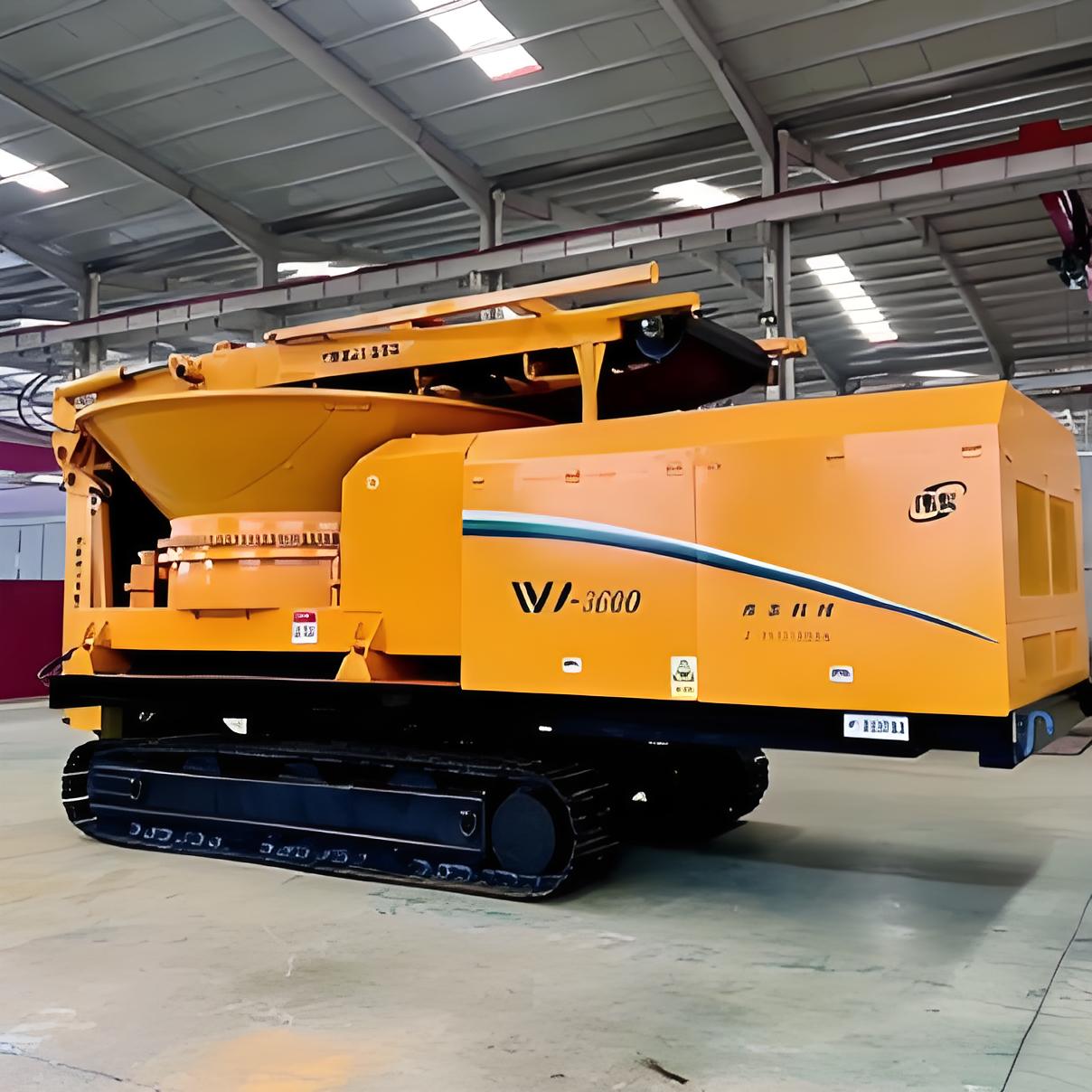
In real projects, I never read the capacity figure alone. I check how the machine reaches that figure. The WD3600T trailer type tub grinder and WD3600C crawler type tub grinder both offer 25~40T/hour capacity, a Ø3600mm inlet, and a Ø2350mm cutting hole, which means they are aimed at large-scale bulk wood and biomass handling . I also look closely at the pressing feeding system. The reference material shows an overhead hydraulic swing feeding roller, a feeding chain, and a hydraulic cycloidal motor drive with strong torque, low failure rate, and low maintenance workload . That matters because feeding stability often decides real output more than engine size alone.
Here is the quick check table I use:
| Capacity Factor | What I Check | Why It Matters |
|---|---|---|
| Rated throughput | 25~40T/hour on WD3600T / WD3600C | Tells me if the machine fits the production target |
| Engine power | 408KW | Shows whether the machine has enough drive force |
| Feeding opening | Large tub and large opening | Helps reduce pre-cutting time |
| Feeding system | Hydraulic roller + chain | Supports steady feeding and uniform output |
| Finished product consistency | Intelligent feeding and stable cutting | Helps downstream use and product quality |
I have found that high output is only useful when it stays stable across long shifts. That is why I always connect capacity with feeding efficiency and finished product consistency.
What Should I Know About Trailer vs. Crawler Chassis Options?
A powerful grinder can still become inefficient if it cannot move the way your site demands. Many buyers underestimate this point until the machine arrives.
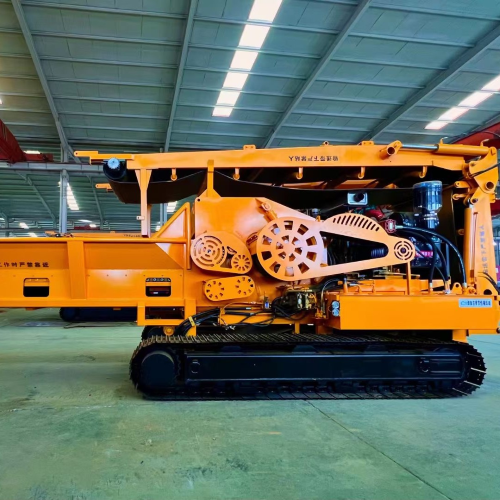
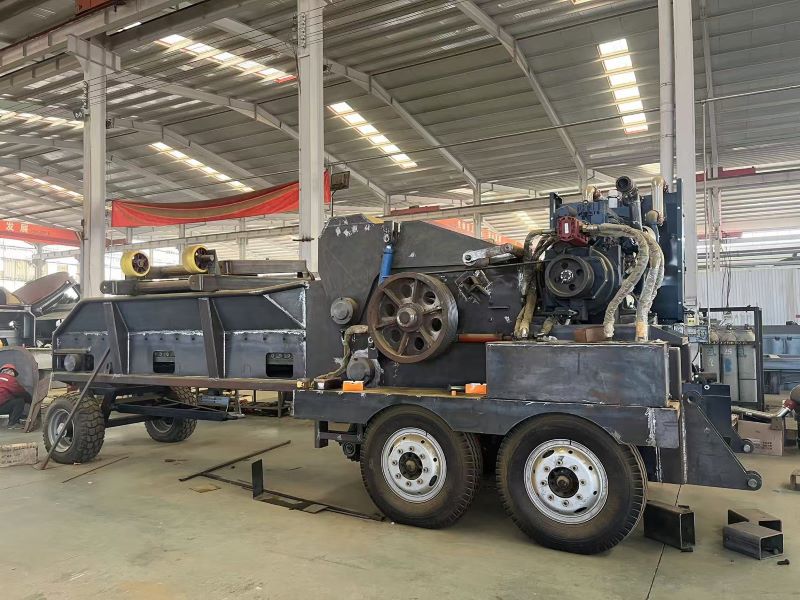
Trailer chassis is better for short-distance towing and licensed road-friendly movement, while crawler chassis is better for frequent movement inside large yards. The WD3600T is a trailer type unit for short-distance transfer, and the WD3600C offers a remote-control self-propelled crawler chassis for frequent movement needs .
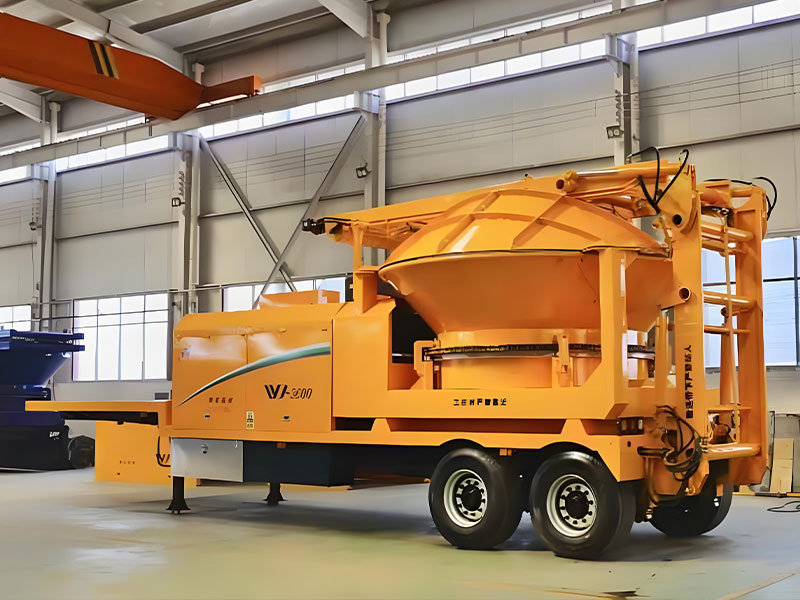
I have worked with buyers who chose the wrong mobility setup, and they felt the pain every day after installation. If your yard has one fixed grinding point, a trailer model like the WD3600T can make sense. It is a standard trailer type, it can be towed for short-distance movement, and the semi-trailer double-towed type can apply for a vehicle license, which helps where transport rules matter . If your machine must move often between piles, zones, or rough ground, I would lean toward the WD3600C. The material states that if the work yard needs frequent movement, a remote control self-propelled crawler chassis in the 3600 series is available .
I usually break the decision down like this:
| Mobility Need | Trailer Chassis WD3600T | Crawler Chassis WD3600C |
|---|---|---|
| Short-distance relocation | Good fit | Possible |
| Frequent yard movement | Less ideal | Better fit |
| Operator convenience on site | Moderate | Higher with remote-control travel |
| Road/transport compliance | Can support licensing in some setups | Usually more site-focused |
| Rough terrain flexibility | Lower | Higher |
In my experience, mobility affects labor time, fuel use in support equipment, and job flow. So I never treat chassis choice as a small option. It changes daily operating efficiency in a very real way.
How Do I Evaluate Material Compatibility and Roller Assemblies?
If the roller assembly does not match the feedstock, the grinder will wear faster, feed poorly, and cost more to run. This is one of the most common mistakes I see.
Material compatibility depends on the correct cutting assembly. The knife roller assembly is suitable for tree roots, branches, bark, and straw, while the hammer roller assembly is suitable for biomass raw materials such as templates, demolition materials, and bark .
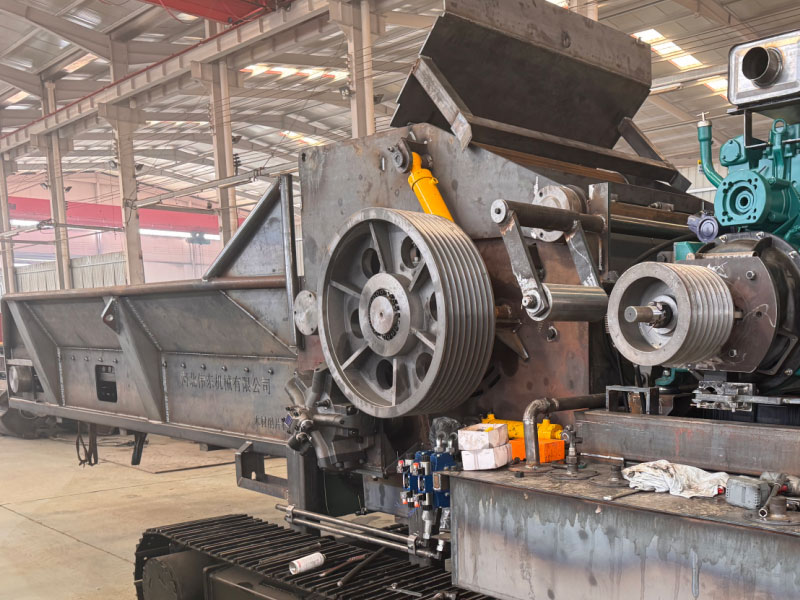
I always ask one simple question first: what exactly will go into the grinder every day? The answer decides the roller setup. According to the reference material, the knife roller assembly suits tree roots, branches, bark, and straw . That makes it a strong choice for forestry residue and plantation cleaning. The hammer roller assembly fits biomass raw materials such as templates, demolition materials, and bark . That points to a wider use in mixed and harsher feed streams. This is not a minor detail. The wrong assembly can lower output, increase wear, and make the finished material less consistent.
I also look at the feeding system because material versatility is not only about the cutter. The pressing feeding system uses a hydraulic swing feeding roller and chain with strong torque, which helps with larger logs and uneven raw material .
| Feedstock Type | Best-Matched Assembly | Reason |
|---|---|---|
| Tree roots | Knife roller | Built for root and branch material |
| Branches and straw | Knife roller | Good for cleaner biomass streams |
| Bark | Knife or hammer depending on mix | Depends on particle goal and contamination |
| Templates | Hammer roller | Better for biomass board-like raw material |
| Demolition materials | Hammer roller | More suitable for tougher mixed material |
From my side, versatility means more than “can process many materials.” It means the machine can do it without wasting blades, labor, and time.
Which Durability and Maintenance Features Matter Most for Long-Term Operation?
A grinder that runs hard but is difficult to maintain will eventually become expensive. I have seen strong machines lose value because service access and wear-part design were ignored.
The most important durability points are wear-resistant steel, strong roller construction, replaceable service parts, and easy maintenance access. The references mention manganese steel wear-resistant plates, durable knife rollers, bushing nut inlay design for later screw aging, a reversible cutter assembly, and a main pulley made of ductile iron .
This is one of the areas where experienced buyers ask better questions. I look at the feed chute first. It is welded with manganese steel wear-resistant plate, which helps it hold up under abrasive material flow. I then check the knife roller. The reference material says the grinder knife roller is durable, the special blade is wear-resistant, and the pressure blade plate uses manganese steel, which resists deformation and impact. These are not marketing extras. They directly affect uptime.
I also like the maintenance details in the material. The screw hole uses a bushing nut inlay type, which is convenient when screws age later in service . The reverse cutter assembly can be adjusted and used again, and this can save the user from buying a full cutter roller and blade combination too early . On top of that, the workbench can be turned over 90 degrees for cleaning up materials, which makes maintenance easier . The main pulley is made of ductile iron, so it is less likely to deform or get damaged.
| Component | Durability Benefit | Maintenance Benefit |
|---|---|---|
| Manganese steel feed chute | Better wear resistance | Longer service intervals |
| Knife roller and blades | Durable cutting performance | Less frequent replacement |
| Bushing nut inlay design | Better service life at fastening points | Easier later repair |
| Reversible cutter assembly | More use from wear parts | Lower replacement cost |
| 90-degree turnover workbench | Cleaner machine area | Easier daily maintenance |
| Ductile iron main pulley | Resists deformation | Helps long-term reliability |
In my own work, I trust machines that are built for service, not just sales brochures.
How Should I Analyze Fuel Economy and Total Operating Cost?
A low purchase price can hide a high operating bill. I always tell clients that fuel, wear parts, and downtime will shape the real return on investment.
Fuel economy analysis should include hourly fuel burn, tank size, maintenance needs, and output per liter. The WD3600T and WD3600C both show a fuel consumption rate of 20 to 40L/H, while tank volumes differ: 420L on WD3600T and 310L on WD3600C .
When I compare operating costs, I calculate fuel against actual tons processed, not against engine size alone. The WD3600T and WD3600C both consume 2040L/H and produce 2540T/hour . That gives me a base way to estimate fuel per ton. A machine at the low end of fuel use and high end of output will naturally deliver a much better cost profile than the same machine running poorly in the field. I also note tank size. The WD3600T has a 420L fuel tank, while the WD3600C has a 310L tank . That can affect refueling frequency and shift planning.
I also add maintenance and wear cost into the same picture. Low failure feeding systems and easy-to-replace wear parts can reduce hidden expenses .
| Cost Item | What to Review | Reference Point |
|---|---|---|
| Fuel burn | Liters per hour | 20~40L/H |
| Production rate | Tons per hour | 25~40T/hour |
| Fuel tank volume | Refill planning | 420L WD3600T; 310L WD3600C |
| Maintenance workload | Service labor and downtime | Low failure, minimal maintenance feeding system |
| Wear part cost | Blade and cutter lifecycle | Reversible and replaceable service design |
A grinder is truly efficient only when its cost per ton stays under control over many months, not only on the first week after delivery.
Why Does Proven Manufacturing Expertise Matter in Heavy Machinery?
Many machines look similar in photos. The difference appears after months of hard use. That is where manufacturing depth starts to matter.
Proven manufacturing expertise matters because good engineering shows up in feeding stability, wear resistance, service design, and machine reliability. The references show practical design choices such as durable knife rollers, manganese steel wear plates, reversible cutter assemblies, ductile iron pulleys, and mobility options matched to field use .
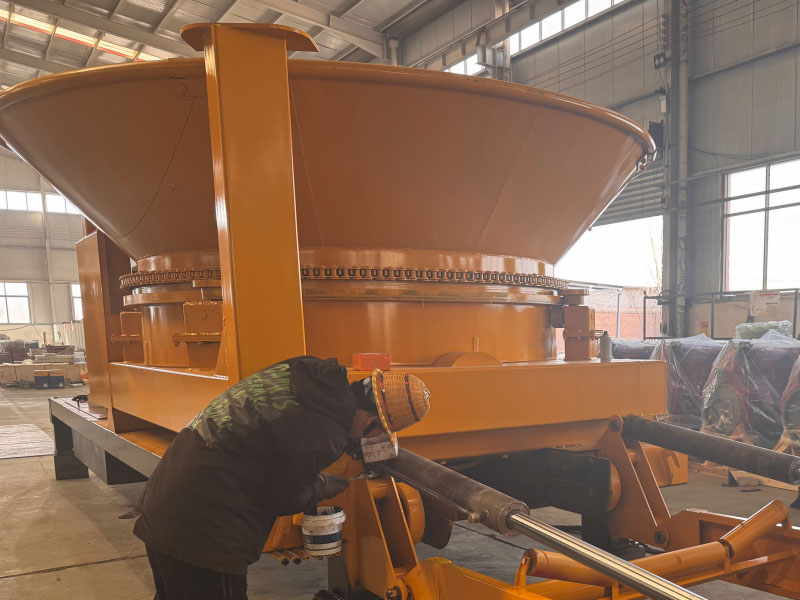
As someone who started on workshop floors before moving into international trade, I have strong feelings about this point. A serious manufacturer does not just assemble parts. A serious manufacturer solves field problems before the machine ships. I look for signs of that mindset in every detail. In these materials, I see practical engineering: strong torque feeding systems with low failure rates , durable knife roller structures , easy maintenance access through a turnover workbench , service-friendly fastening design , and long-life pulley construction in ductile iron . I also see model choices that reflect real site needs, such as the trailer type Tub Grinder WD3600T and crawler type Tub Grinder WD3600C .
That matters because heavy machinery buyers do not buy steel alone. They buy uptime, parts logic, and long-term support. In my experience, a proven builder usually thinks ahead about operator pain points.
| Sign of Manufacturing Expertise | Why I Value It |
|---|---|
| Application-specific models like WD3600T and WD3600C | Shows the maker understands different site conditions |
| Wear-resistant material choices | Helps machines survive real production |
| Service-friendly design | Lowers downtime and repair cost |
| Stable feeding engineering | Protects output efficiency |
| Field-oriented options like crawler mobility | Improves daily usability |
That is why I tell buyers to study the maker as closely as the machine.
Conclusion
I choose a high-efficiency wood grinder by matching capacity, mobility, feedstock fit, durability, fuel cost, and manufacturer skill. That is how I protect uptime, output, and long-term return.