Welcome to Weidong Machines
How to Choose a Tub Grinder for Organic Fertilizer
Choose a tub grinder for organic fertilizer by defining the woody preparation duty that the machine must perform. If the project needs clean branches or wood residues reduced into an accepted compost ingredient, a material-specific grinder review is appropriate. If it needs manure handling, biological treatment, nutrient formulation or finished-product screening, do not treat a tub grinder as a substitute for those separate systems. The machine purchase must have a narrower, testable responsibility than the project's overall fertilizer ambition.
This buyer's guide focuses on evidence for the order, not on a universal machine recommendation. A defensible purchase connects eligible feed, proposed configuration, support equipment and receiver acceptance. It also states what the supplier has not demonstrated about the finished fertilizer. Keep that distinction visible when comparing quotations.
Write the supply boundary before requesting a price
Describe the approved woody material, its source and what is excluded. Identify the preparation and inspection work that happens before feeding, and where accepted output goes afterward. Name the team responsible for accepting the ingredient. An offer based only on the words organic fertilizer leaves too much uncertainty about what will actually enter the machine.
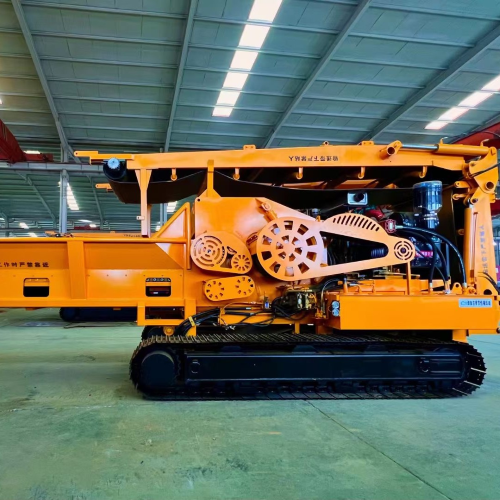
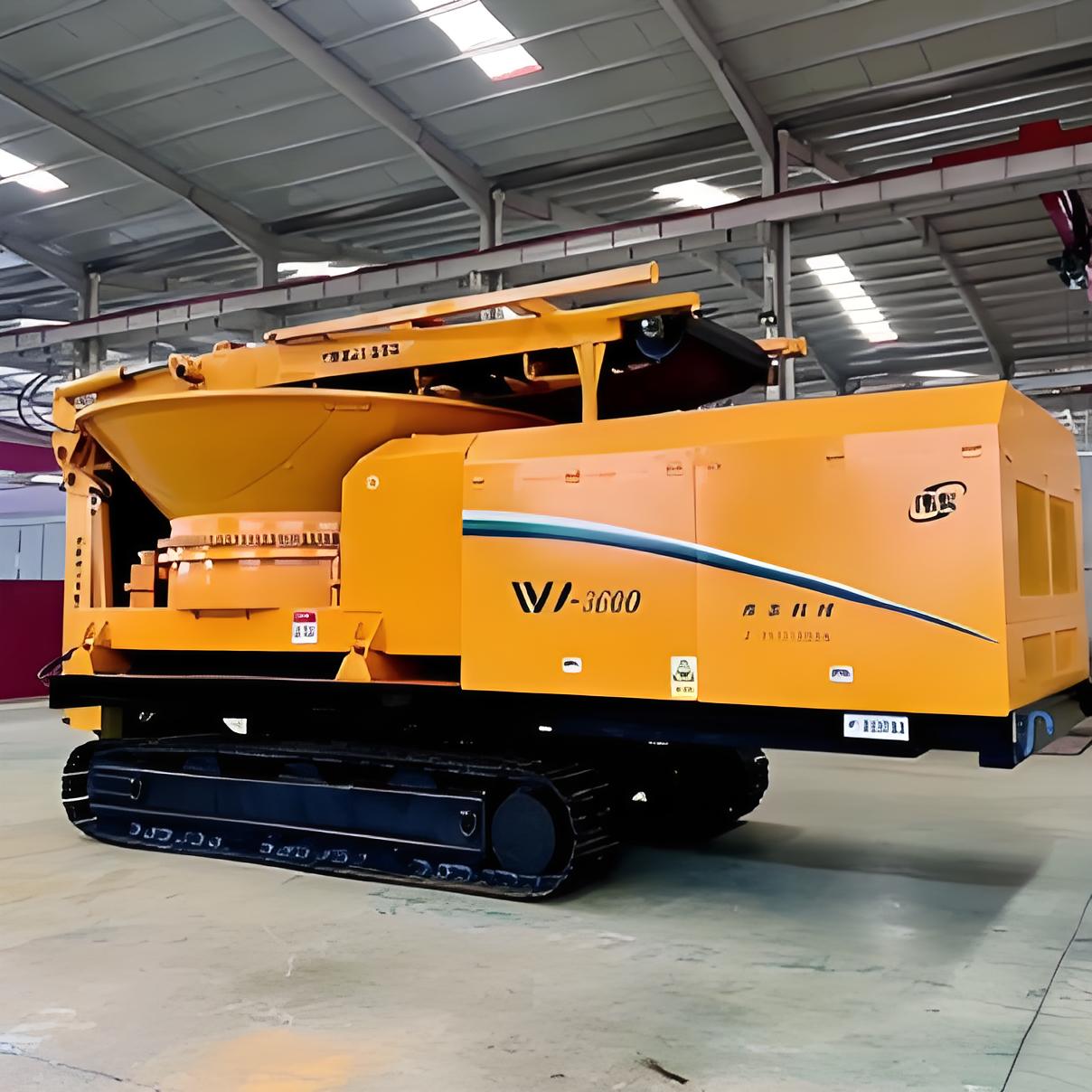
Use the tub grinder product range to begin the equipment discussion, then request confirmation for the actual application. Ask whether the quotation includes the proposed grinding configuration, discharge arrangement, controls, commissioning support and relevant supplied documentation. Do not assume a model name describes a complete processing plant.
Separate a machine test from fertilizer-project approval
A machine trial should establish the proposed mechanical duty under recorded conditions. The receiving process should separately determine whether the output is useful as its intended woody ingredient. Neither decision establishes mature compost, nutrient content or sanitation of the eventual fertilizer. Those outcomes need their own process and product-quality evidence.
The earlier compost-feedstock selection guide covers a related preparation question. For this purchase, make the responsibilities explicit in the quotation and acceptance document. Avoid a contract conversation in which grinding performance is quietly expanded into a promise about the whole biological process.
Turn supplier statements into evidence requests
| Supplier statement | Evidence to request | Buyer decision it supports |
|---|---|---|
| Suitable for the proposed woody feed | Written material scope, exclusions and configuration assumptions | Whether an application trial is justified |
| Produces usable ingredient | Recorded output samples and receiver acceptance method | Whether the downstream duty is met |
| Meets the planned production window | Observed accepted output, interruptions and operating boundary | Whether the complete working system fits demand |
| Can be installed at the project | Machine information and approved access, support and service arrangements | Whether site readiness is credible |
| Provides service support | Scope of documentation, commissioning, parts and response arrangements | Whether ownership responsibilities are understood |
This is a proposed procurement worksheet, not a summary of measured customer results. It helps distinguish an informative quotation from an attractive but unsupported promise. Where evidence is missing, record the open question and responsible party instead of inserting an assumed value into the purchasing comparison.
Compare trials with the same acceptance boundary
Ask bidders to describe the tested feed and any preparation or excluded material. Compare the same eligible lot and the same receiver criteria where practical. Separate accepted output, oversize, rejects and recirculation. Include time lost to sorting, loading, waiting or discharge limits when those activities belong to the proposed working system.
A smaller-looking output sample does not automatically indicate a better ingredient. The receiving compost team should decide what distribution and condition it can accept. Review the batch handover and acceptance method when specifying how output is sampled and released. Keep the lot record with the trial evidence.
Make installed scope comparable across quotations
List the support equipment, power or fuel arrangements, transport, setup, service access and required site work separately from the grinder price. Identify which items are supplied, provided by the buyer or still awaiting technical review. A lower machine-only figure cannot be compared directly with a wider installed package without normalizing the scope.
Mobility should solve a documented operating-location requirement. Moving within a yard and transporting a machine between facilities are different decisions. For a related equipment discussion, the woody-ingredient mobile-route guide explains how source, setup and receiving handovers affect that choice. It is not a transport authorization or a quoted project saving.
Keep alternatives tied to the actual wood duty
If the supplier proposes a horizontal wood grinder instead, ask what feed geometry and loading evidence supports the alternative. Compare it against the same accepted ingredient and site boundary. Equipment categories describe different mechanical arrangements; neither category alone demonstrates finished organic fertilizer quality.
A planning example might compare source-yard preparation with a central woody receiving area. Record both as proposals until the sites, material and support systems have been checked. Do not turn a plausible workflow into a claimed capacity, cost reduction or successful customer installation. A useful alternative exposes assumptions rather than creating another unverified promise.
Require an ownership handover, not just delivery
Clarify who trains the operators, supplies applicable manuals, confirms the initial configuration and handles unresolved commissioning questions. Request component identification and parts information for the actual supplied equipment. Keep machine-specific operating, inspection and energy-isolation procedures central; a trial or production target does not authorize improvised clearing or maintenance.
Agree how changes in feed source, geometry or intended ingredient use will be reviewed after commissioning. Acceptance based on one defined lot does not cover every future organic delivery. The buyer should preserve material identity and communicate relevant changes, while the receiver maintains its independent ingredient and product-quality responsibilities.
What should be ready before the order is released?
Prepare the approved woody-feed description, representative photographs, proposed site and support arrangement, trial acceptance method and normalized quotation scope. Add unresolved questions with named owners. Send the brief through the configuration review contact page to request a material-specific discussion.
Release the order when the proposed mechanical duty is supported by applicable evidence and the wider project's remaining responsibilities are understood. Do not buy an undefined fertilizer outcome under a grinder heading. Buy a documented woody preparation system, test the ingredient with its receiver, and keep finished fertilizer quality as a separate obligation that the project still has to prove.