Welcome to Weidong Machines
Horizontal Grinder Cost for Land-Clearing Debris: Budget and ROI Factors
Buying a horizontal grinder for land-clearing debris is a capital decision with an operating workflow attached. A machine quote does not show whether a project has enough eligible wood, loader capacity, work hours or a dependable outlet for the ground material. This guide gives owners and contractors a way to compare full project cost and the evidence behind a return-on-investment estimate. No universal price, production rate or payback period represents every site. Use current local quotes, a representative trial and the selected manufacturer's confirmed configuration for the actual investment case.
Define the service before comparing machines
Write a one-sentence objective. The business may need to reduce hauling of cleared wood, prepare accepted biomass feedstock, clear a construction corridor on schedule or offer contract grinding at several sites. Each objective has a different revenue or avoided-cost basis. If the project only requires a pile to be reduced on site, do not assume a market value for output. If a buyer will take it, request written acceptance criteria and a realistic delivery arrangement. The buyer selection guide outlines the initial feed questions.
Separate total debris from the quantity a grinder can safely process. Land clearing can include soil-heavy roots, stones, metal, fencing and non-wood waste. Sorting and disposal belong in the project budget even though they do not increase grinder tonnage. Record whether feed is measured by truck weight, surveyed pile volume or another method, and specify moisture and conversion assumptions. A capacity comparison is meaningful only when the input boundary is the same.
Build a complete capital cost schedule
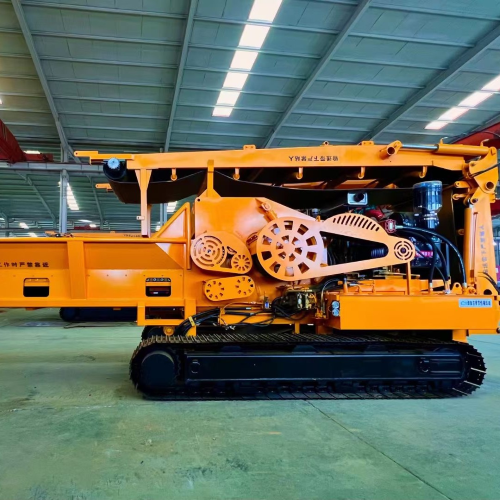
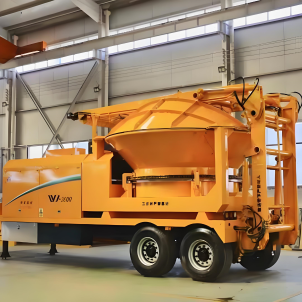
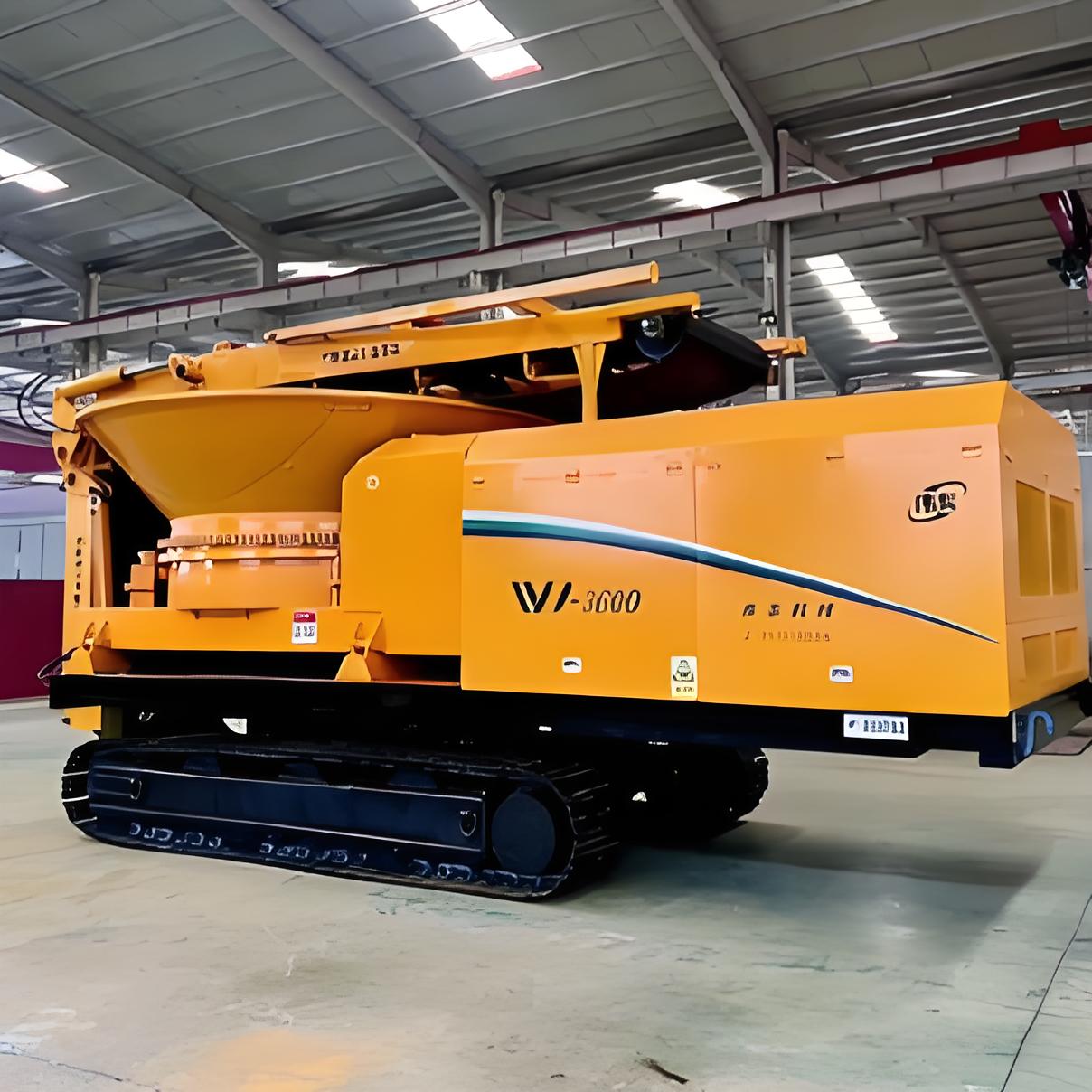
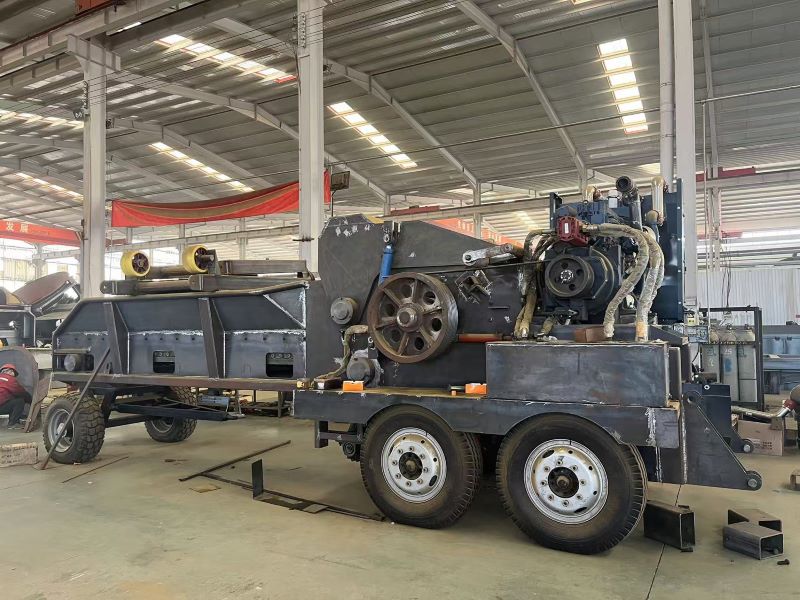
Ask each supplier to identify the named grinder configuration and what the quote includes. Separate the base machine from application-specific infeed, screen, conveyor, metal protection, mobility, controls and transport arrangements. Include freight, taxes where relevant, commissioning, operator training, starter spares and site preparation. Request current written prices and validity dates; avoid converting an old web listing into a purchase budget. Review the horizontal grinder range for model context.
The project may need a loader, grapple, service vehicle, storage area, weighing arrangement or output transport outside the grinder purchase. Identify whether existing equipment has spare capacity or will be diverted from another paying activity. A loader is not free simply because the business already owns it. Compare complete systems, including the people and support needed to operate them safely.
Estimate operating cost with a named denominator
List labor, loader time, fuel, wear parts, planned maintenance, repairs, insurance, site-to-site transport and disposal of rejects. Separate fixed costs from costs that vary with engine hours or accepted output. Ask the supplier for maintenance requirements for the intended material and configuration. Estimate fuel and wear using a supervised trial and local prices; a generic brochure number is a weak basis for abrasive or contaminated debris.
Use two cost-per-ton views. Cost per eligible feed tonne shows the processing service. Cost per receiver-accepted output tonne shows the economics of a saleable product. The two differ when sorting losses, fines, moisture differences or rejected loads matter. Put the measurement basis beside every reported rate. Track replacement parts and labor separately so a broad maintenance allowance does not hide a serious cost driver.
Model useful hours, not peak throughput
Start with the site's permitted operating window. Deduct setup, inspections, refueling, planned service, output truck exchanges, weather interruptions and expected moves. Examine whether the loader can present clean wood continuously. A high instantaneous grinding rate does not create more usable hours when feed sorting or output transport limits the line. Show optimistic, central and constrained scenarios linked to observations rather than unsupported percentages. Use the capacity planning worksheet to structure the time study.
If the machine visits several sites, include mobilization, access and transport constraints for every stop. For a fixed yard, assess stockpile space, loader traffic and delivery cadence. An annual-hours assumption needs a plausible work calendar and customer pipeline. Count actual feed-on hours separately from travel, cleaning, sorting and standby. Preserve the original logs so an estimate can be checked after a season of work.
Test revenue and avoided-cost assumptions
For a contractor, the benefit may be a documented grinding fee, lower debris disposal expense or a reduction in haulage. For a biomass supplier, it may be revenue from accepted material after transport and quality costs. For an owner, it may be schedule reliability. Keep each benefit on a separate line, with a contract, quote or measured baseline as evidence. Do not count both a disposal saving and a sales value unless the workflow actually delivers both.
Check sensitivity to eligible wood fraction, annual project volume, productive hours, accepted yield, loader availability, haul distance and service downtime. Calculate yearly contribution from supported benefits minus operating and support costs. Compare with capital outlay and financing terms, then show a range under different field conditions. Any ROI or payback figure should state assumptions, exclusions and time horizon. The logging slash cost comparison illustrates a related purchase framework; populate this case with its own measured quantities.
Use one buyer comparison table
Request the same information from every proposed solution:
Named machine configuration, included options and quote validity.
Feed description, size range, contamination controls and excluded material.
Loader, operator, fuel, service and transport responsibilities.
Screen or product target and receiver acceptance requirement.
Demonstrated eligible feed and accepted output in a representative trial.
Setup, cleaning, relocation and maintenance hours in the expected window.
Spares, service response, training and warranty terms in writing.
Capital, operating and disposal lines with source and review date.
Add an evidence column: written vendor confirmation, site measurement, trial observation or planning assumption. A precise-looking spreadsheet should not make weak inputs appear certain. Procurement should confirm which metric the contract rewards and keep unresolved assumptions visible.
Run a representative trial before approval
Prepare lots representing easy, typical and difficult debris. Document soil, roots, branch forms and suspected contaminants. Test the proposed machine and screen with the intended loader, safe traffic layout and expected output handling. Measure eligible feed, feed-on time, stops, fuel, wear observations, discharge quantity and receiver acceptance where applicable. Record rejected material and reasons. Ask the supplier to confirm that the tested configuration matches the quote.
Update the cost model after the trial and preserve the original assumptions. If the loader cannot keep up or the receiver rejects part of the product, change the model before signing. If the machine meets the technical target but annual volume remains uncertain, obtain firmer work commitments. A purchase decision rests on the whole system's tested and contracted performance.
Frequently asked questions
What is the biggest hidden cost?
There is no single answer across projects. Sorting, loader capacity, moves, output transport and rejected material can each dominate under different conditions. A line-item worksheet and field trial reveal which matters on the planned route.
Can brochure throughput be used in an ROI forecast?
It can inform an initial question, but the forecast should use representative feed and work-window evidence for the specified machine, screen, loader and output requirement. Record all stops and accepted output, not only a short high-rate interval.
How should buyers compare mobile and fixed-site options?
Compare total route or yard costs, transport of raw and finished material, setup, staffing, space and outlet requirements. Request written configuration details and test constraints that could change the result.
Request a project-specific review
Send WeiDong representative debris photos, eligible quantities, site maps, available loader, operating windows and intended output specifications. The team can discuss the horizontal wood grinder options and a trial plan. Use the project enquiry page to send the brief. Final design parameters, output assumptions and commercial terms should follow the project specification and manufacturer confirmation.