Welcome to Weidong Machines
How to Choose a Horizontal Grinder for Land-Clearing Debris
Choosing a horizontal grinder for land-clearing debris begins with the material that will actually be fed and the output the project can use. Mixed brush, small stems, branches and soil-bearing roots should not be treated as one uniform feed. A buyer needs to compare configuration, preparation, site support and accepted product on the same basis, rather than selecting from a headline capacity. This guide sets out a practical quotation and trial sequence. Final design limits should follow the project specification and the manufacturer's written confirmation.
Define the eligible feed boundary
Survey the clearing areas and split clean woody material from roots, soil-heavy pieces, stones, wire and other waste. Record source, quantities, maximum practical dimensions, forked shapes and weather exposure. State which fractions will be sorted or cut before grinding and who bears that cost. A machine may be able to process a sample branch while the wider pile still contains unacceptable objects. The logging slash grinder selection guide offers a related buyer framework; land-clearing projects need a more explicit mixed-waste boundary.
Confirm where the product will go
Ask the receiver or site owner for written particle-size, fines, moisture and contamination criteria. Decide whether output will become biomass fuel, mulch, compost feed or material requiring further screening. Do not assume every outlet accepts foliage, bark or soil-bearing roots. Identify how unaccepted material and regrind are handled. The output rule influences screen choice, handling and cost. If the outlet is uncertain, record that uncertainty in the business case rather than assigning a speculative value to all ground wood.
Match equipment to material handling
Compare the proposed feed opening, conveyor, controls and loader approach with the largest representative pieces. Ask how the supplier expects forked tops and loose brush to be presented, and which pieces require pre-cutting. Do not infer a safe feed limit from a brochure opening dimension alone. Observe an actual loader cycle and record sorting, grip, orientation and waiting time. The logging slash capacity measurements show why eligible input and full-shift time matter more than a short feed-on demonstration.
Request a named configuration
Each proposal should identify the model, drive or power source, feed arrangement, cutting components, screen option, discharge and mobility package actually priced. Ask which items are standard, optional or excluded. Record machine dimensions for transport, operation and maintenance, along with service and training scope. Avoid comparing two quotations that include different screens or output-handling equipment under the same machine label. A comparable schedule should state what the buyer supplies, including loader, trucks, utilities, site preparation and qualified operators.
Plan a representative trial
Provide the supplier with easy, typical and difficult lots, including the troublesome branch shapes and the material that will be excluded. Keep lot identities and quantity methods. Measure feed-on time, total shift time, stops, pre-cutting, rejected input, accepted output, fines and oversize under the receiver's rules. Record the machine configuration and loader used. Do not ask the crew to bypass guards or ignore stop signals to reach a target. A short trial is evidence for a planning range, not a guarantee of long-term performance across every clearing site.
Test the full work system
Check access, ground, loader traffic, incoming stockpile, inspection, feed, discharge, output truck and service clearance. A larger grinder will not solve a blocked output bay or a loader shared with truck loading. Count each move if the project covers several sites. Record weather and lighting assumptions. The logging slash project workflow shows how equipment and site decisions connect; use a site sketch for this specific clearing campaign before pricing daily production.
Compare accepted-output economics
Use the same cost boundary for every option: collection, sorting, pre-cutting, haulage, machine operation, fuel or power, wear parts, service, transport, output handling and rejected product. Calculate against receiver-accepted material using a stated moisture and weighing basis. A cheaper purchase can be expensive if it requires more handling or service interruption; a larger model can be unnecessary if the loader or outlet limits the line. The logging slash cost comparison guide provides an analogous worksheet. Populate it with project evidence, not assumed industry averages.
Inspect support and contract scope
Ask for a configuration-specific parts list, maintenance schedule, operator training, fault escalation and written warranty terms. Determine which spare parts are supplied at commissioning and where replacements can be obtained for the destination site. The spares and service buyer checklist details those contract questions. Confirm who performs field service and which tasks require authorized personnel. Do not treat a sales promise of support as a measured response time unless the contract defines it.
Make a documented selection decision
Build a comparison sheet with rows for eligible feed, output acceptance, trial result, site fit, crew and support, total cost and unresolved risks. Give each claim its evidence source: supplier document, measured trial, receiver specification or buyer assumption. Ask the supplier to correct gaps before an award. If the difficult lot was not tested, mark the resulting capacity and wear estimates as provisional. Keep revisions so later changes in material source or product outlet can trigger a recheck rather than silently changing the basis of the order.
Request a project-specific proposal
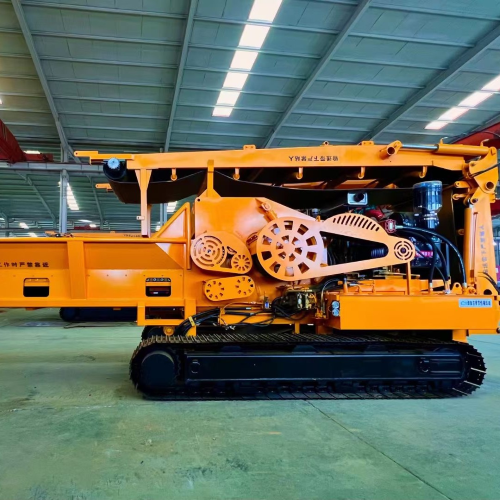
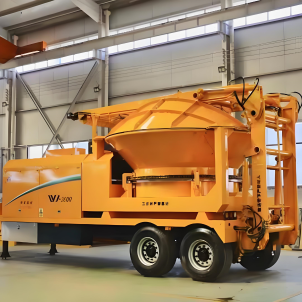
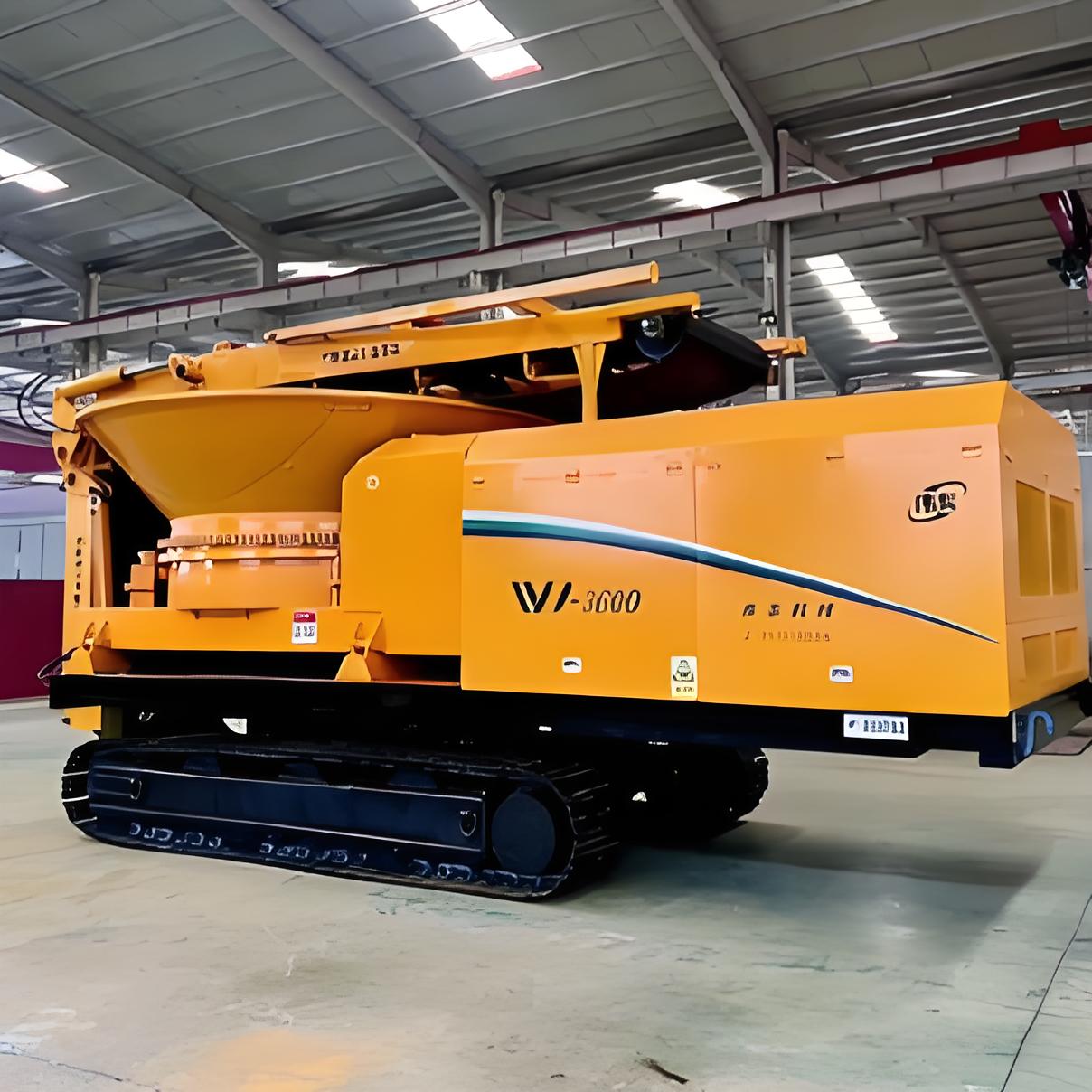
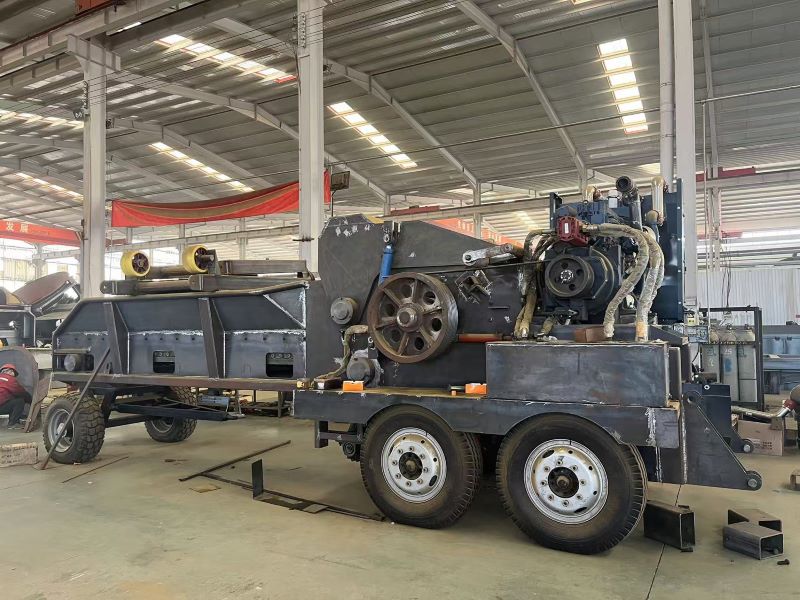
Send photos and measurements of representative clearing debris, exclusion rules, outlet specification, loader details, site drawing and expected operating pattern. Ask for a named machine configuration, safe trial method and comparable support scope. The horizontal grinder product range provides equipment context. A horizontal wood grinder overview may help colleagues compare categories. Submit the package through the project enquiry page and verify design parameters against the manufacturer's response before purchasing.