Welcome to Weidong Machines
How to Choose a Horizontal Grinder for Logging Slash
Choosing a horizontal grinder for logging slash starts with the slash pile, not a catalogue capacity figure. Tops, limbs, bark, brush and occasional larger pieces form a changing feed that may be tangled, wet or contaminated. The right configuration must accept the permitted material safely and produce a fraction the outlet will use. Buyers should specify the feed envelope, work site and measurement method before asking suppliers to compare models.
Separate slash sources into useful lots
Describe where the material comes from: roadside landings, thinning, sawmill cleanup or a central yard. Keep clean tops and limbs separate from soil-rich root material, painted wood, wire, stone and other exclusions. Record branch length, typical diameter, crown shape, bark share, moisture and the proportion of awkward pieces. A photograph of an average pile can hide the worst presentation problem. Prepare easy, expected and difficult permitted lots for supplier review. State which pieces may be cut, sorted or otherwise prepared before grinding and cost that step openly.
Decide how the product will be used
Name the destination and its requirements for size, fines, contamination, moisture and delivery schedule. Logging slash processed for fuel may face different acceptance rules from material used as mulch feed or a further processing input. Ask how oversize will be returned and how rejected material will be isolated. Compare machines on accepted output, not simply discharged volume. A tighter screen can change feed rate and wear; include the offered screen in every comparison. If the outlet is uncertain, keep alternative product cases separate rather than implying all material has the same value.
Evaluate the infeed with tangled material
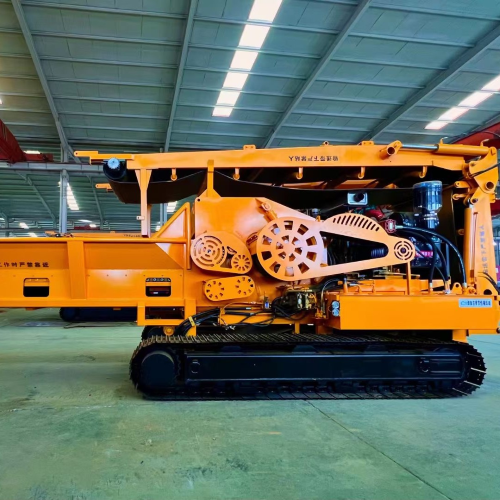
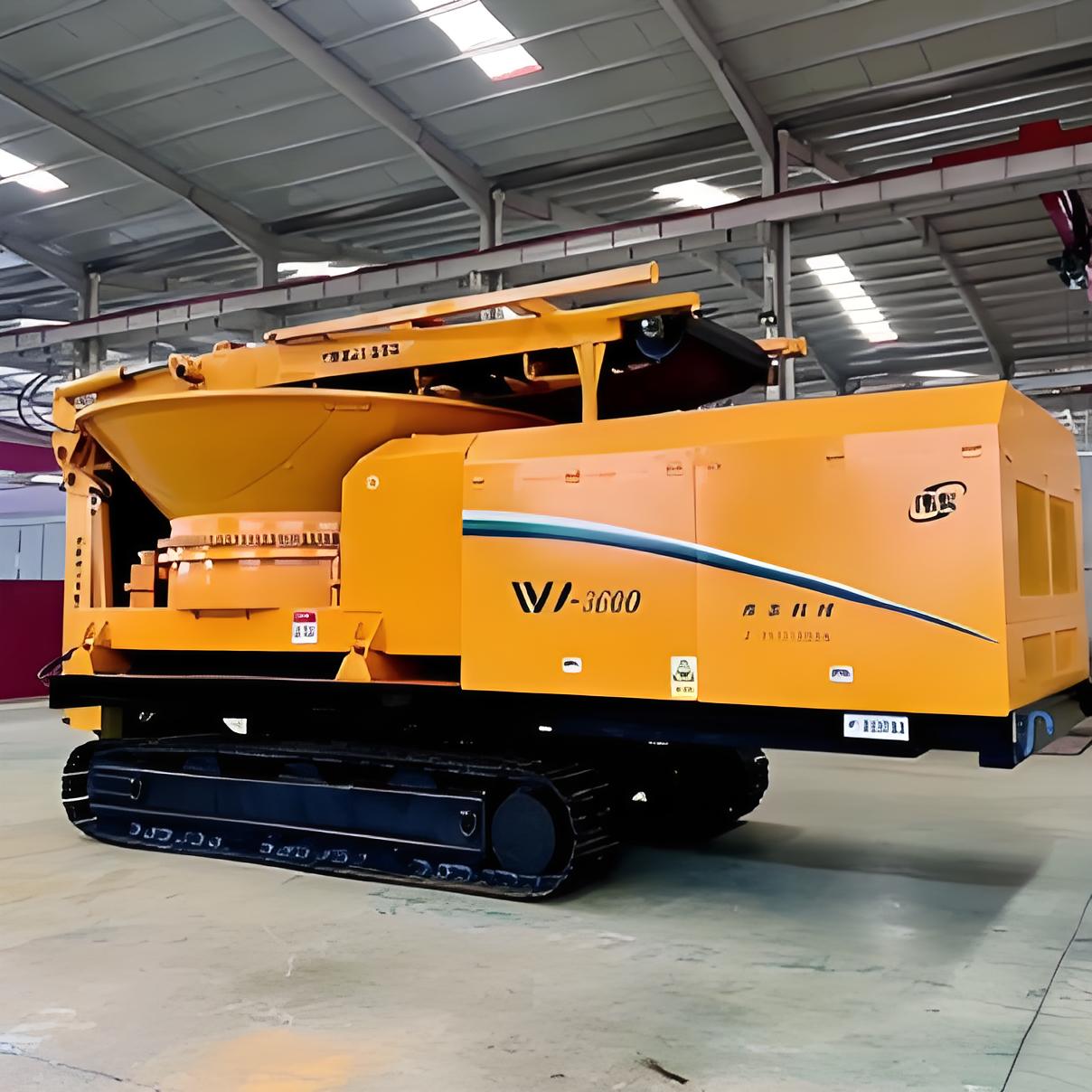
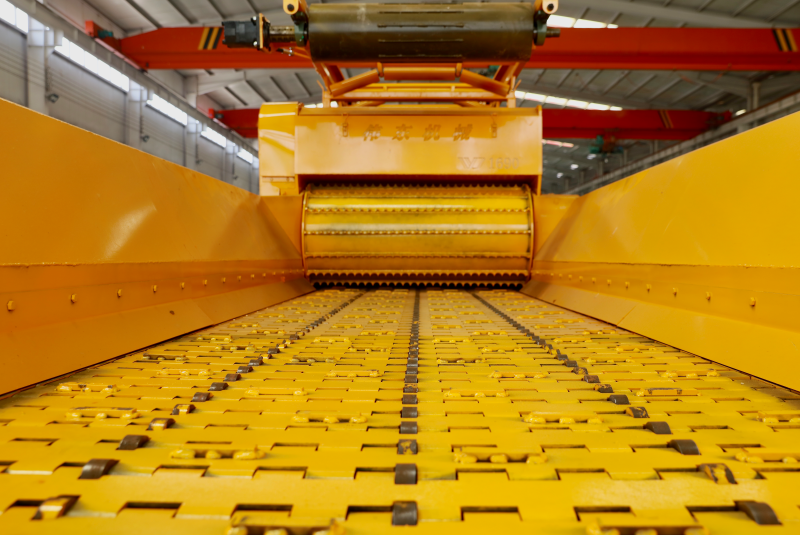
Look at feed table length, roller control, visibility, reversing procedure and access for safe clearing on the proposed model. Tangled slash can bridge or enter unevenly. Test the largest allowed branch cluster, not only clean straight stems. The horizontal grinder product range identifies candidates, but require the supplier to state a specific permitted feed envelope for the quoted configuration. Ask what preprocessing is necessary and where it occurs. An opening dimension by itself does not prove that the proposed slash lot can be fed safely or consistently.
Match loader and grinder duty
Identify the loader, grapple, reach, operator sight lines and travel path. Measure time spent untangling, presenting and repositioning slash. If the loader also moves product or loads trucks, account for those duties. The whole-tree selection guide gives related feed-system questions, but slash needs its own tangled-material trial. A machine can sit idle beside a large pile because the loader cannot present material fast enough. Plan a queue that keeps inspection possible without creating unstable stacks or unsafe access.
Choose the operating location deliberately
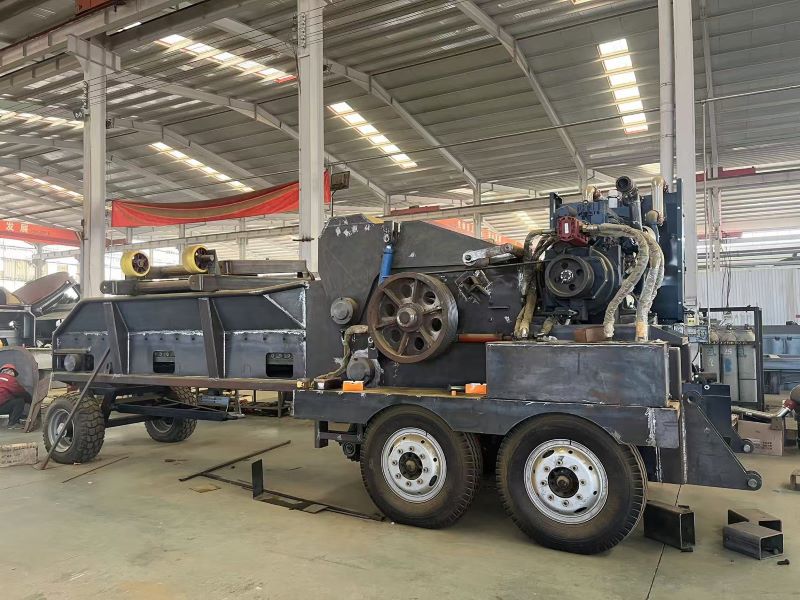
Compare grinding at the landing with hauling unprocessed slash to a central yard. Consider access roads, ground bearing, move frequency, setup time, fire controls, weather, truck turning and discharge stockpile room. A mobile machine may reduce bulky-material haulage but add repeated moves and service complexity. A fixed yard can improve sorting and output handling while increasing inbound transport. Draw both flows with the same input and accepted-output boundary. Do not select mobility from chassis appearance alone; ask for transport and recommissioning steps for the quoted machine.
Demand a representative trial
Use identified slash lots and the intended loader, screen and discharge method. Record feed quantity on a stated unit basis, active and gross time, contamination holds, loader waits, blocked feed, oversize, rejects and receiver-accepted product. Preserve settings and sample results. The grinder site-test method
Review wear and support at the same time
Slash that includes bark, grit and unrecognized foreign material can change wear and stop frequency. Ask for model-specific inspection points, replacement criteria, part numbers and safe access. Check whether the proposed landing accommodates service vehicles and lifting. Require a written support scope for remote diagnosis, parts delivery and technician attendance. Distinguish normal wear from exceptional impact damage in the commercial comparison. A horizontal wood grinder overview can help with category research, but only the quoted model and material trial can support a maintenance plan.
Compare full project cost
Include preparation, loader, grinder, fuel or power, screens and wear, transport, site works, reject handling and accepted-output haulage. Test low and high slash difficulty rather than using one best-case rate. The whole-tree cost guide shows a useful budgeting structure, but substitute slash-specific feed and yield assumptions. Ask every bidder to list exclusions and price validity. A cheaper machine may cost more per accepted unit if it requires extensive sorting or repeated passes; a larger one may not help a constrained loader.
Use a comparison matrix that exposes tradeoffs
Score each candidate against permitted slash geometry, quality of accepted output, loader demand, mobile setup, service access and documented support. Put measured trial results beside supplier statements so the team can see the evidence level. Note when a positive result depends on extra cutting, sorting or a second machine. Include the cost and labor of that preparation. Have the receiving customer, site supervisor and maintenance lead review the rows that affect them. A single weighted score is less useful than a short explanation of the decisive constraints and unresolved questions.
Set a controlled launch condition
Before regular production, agree on a first-campaign material boundary, maximum pile size, sampling frequency, stop codes and who may authorize changes to screen or feed preparation. Record the baseline configuration and train operators on safe reporting. Track accepted product and gross hours daily for the first representative period. If the observed result differs from the quotation, identify whether the cause is material, loading, discharge, downtime or product rejection. This makes the purchase decision testable and prevents a poor fit from being hidden by a temporary clean-material demonstration.
Issue a decision-ready request
Send representative photographs, lot descriptions, permitted size, exclusions, expected volume, outlet rules, loader details and site drawing through the WDMachines contact page. Request a specific configuration, trial method, support scope and written limitations. Keep an open-items list for any claim lacking evidence. The selection should explain how the equipment handles difficult but permitted slash, where the bottleneck sits and what output the receiver will accept.