Welcome to Weidong Machines
Horizontal Grinder Maintenance for Whole Trees: Wear and Downtime Checklist
Horizontal grinder maintenance in whole-tree work should be tied to the actual trees, the delivered machine and the site’s stop rules. Long stems, branch crowns, bark and occasional foreign material create different demands from a clean short-wood demonstration. A useful checklist records what was observed, what was corrected and who authorized restart. It does not replace the manufacturer’s service instructions or give generic wear-life promises.
Identify the material that drives the risk
At receiving, record species, approximate geometry, moisture, branch density, soil and any metal or wire exposure. Keep roots, treated wood and other prohibited material outside the permitted feed. Photograph difficult lots and the pieces involved in a fault. A sudden change in wear can be linked to a source only when the operating record identifies that source. The whole-tree workflow guide shows where sorting and lot identification belong before the grinder. Do not use the maintenance team as the last line of contamination control.
Make startup checks consistent
Follow the delivered model’s manual for guards, access doors, fluids, visible fasteners, hoses, conveyors, controls, warning devices and required functional checks. Inspect the feed and discharge paths without entering hazardous areas. Check housekeeping, fire provisions and safe access around the machine. Record defects with an owner and hold point. A generic yes/no list is weak if it does not state the machine identity, date and person completing the check. If a safety function or guard is not fit for service, stop and escalate instead of applying a temporary production workaround.
Watch infeed behavior and sound
During a shift, observe whether stems feed consistently, whether crowns bridge, whether rollers reverse unusually often and whether vibration, noise, heat or discharge flow changes. Record the time and material lot. Do not diagnose a mechanical problem by standing near moving feed or reaching into a blockage. Use the site stop and hazardous-energy procedure before inspection. The loader operator may see the first sign of unstable presentation; include that person in reporting. A process problem such as an overlong stem should be distinguished from a grinder fault before changing parts.
Inspect wear with model-specific limits
Ask for the exact rotor, hammer or tooth, screen, liner, bearing and conveyor inspection points relevant to the supplied configuration. Use the manufacturer’s permitted access method and replacement criteria. Keep baseline photos and measurements, and capture later observations in the same way. Log the part number, running hours, feed mix and reason for replacement. A fixed universal service interval is not a substitute for condition and documentation. Separate abrasive dirt exposure, impact damage and expected consumable wear so the team can improve receiving and preparation as well as maintenance.
Prepare for planned service at the landing
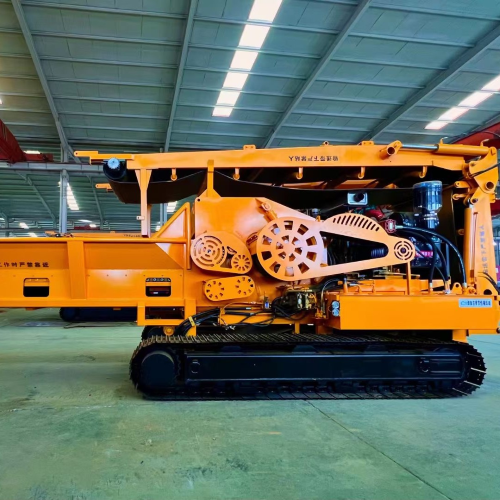
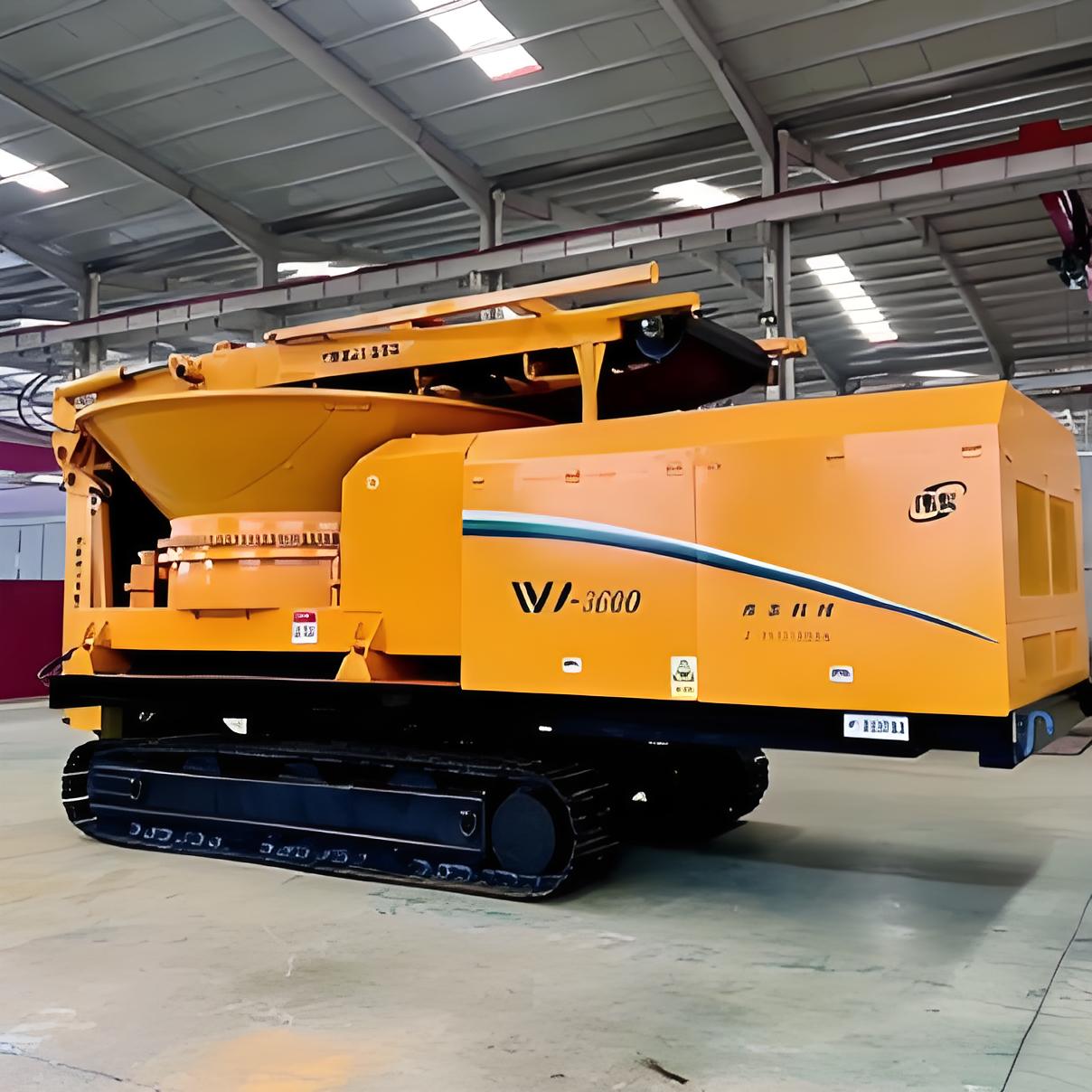
Confirm space for isolation, lifting, parts handling, service vehicles and safe personnel movement. A mobile landing may have enough room to operate but not enough room to replace a heavy component. Bring the correct parts, tools, lighting and qualified workers before scheduling the stop. Check that the service plan matches the actual machine serial and options. The horizontal grinder product range is a configuration reference, while the delivered manual must govern work. Record what is stocked locally and what requires supplier dispatch.
Code downtime without hiding constraints
Use clear categories for planned inspection, wear change, contamination response, infeed blockage, machine fault, loader wait, discharge or truck delay and weather. Record gross start and finish times. A truck delay is not a mechanical failure, but it still reduces project output during a defined work window. The whole-tree capacity worksheet shows why accepted product per gross hour is the useful planning rate. Do not relabel a recurring problem as routine adjustment to make the availability report appear better.
Check product after maintenance changes
If a screen, tooth, setting or feed preparation rule changes, sample the next output against the receiver’s specification. Separate first-pass material, oversize returned and rejects. Label the affected stockpile until quality is released. A mechanically repaired grinder can still produce a different particle mix, and a full pile of off-spec product may create more downtime than the original component issue. Keep receiver feedback with the machine log. When the material is routed to a different use, document the new quality and measurement boundary before restarting production reporting.
Clarify supplier support before failure
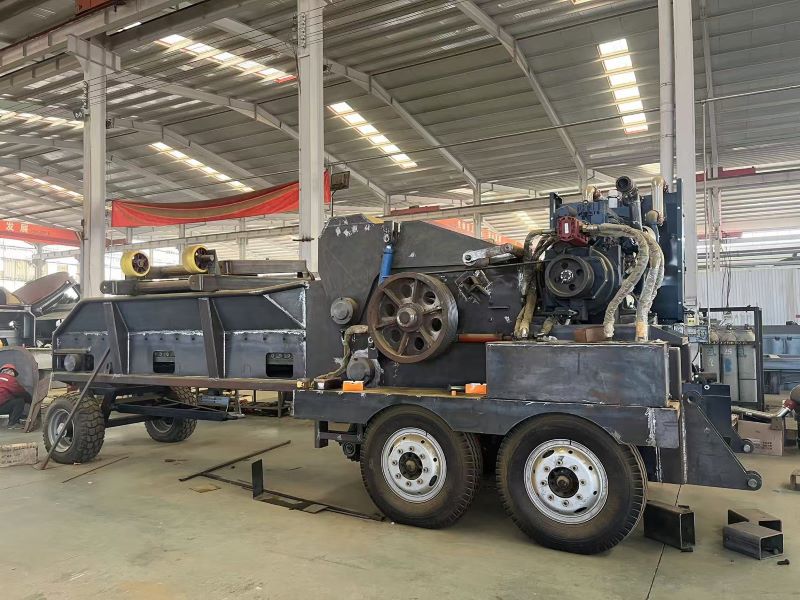
Agree on the reporting channel, machine details and observations required for remote diagnosis, parts ordering, technician attendance and warranty review. Ask for written geographic response scope and exclusions. Train operators on the tasks they may perform and when qualified service is required. A horizontal wood grinder overview can support equipment-category discussion, but recovery planning needs the exact delivered machine and local access. Keep manuals, parts list, training record and service contacts available even when the usual supervisor is absent.
Maintain a spare-parts decision list
Rank parts by consequence of failure, inspection evidence, supplier lead time and storage needs. Do not stock every possible component merely because it exists in a catalogue, and do not assume rapid delivery without a written commitment. Review the list when the machine changes landing or the feed becomes more abrasive. Record whether a part is shared with another machine and who can release it for this job. The aim is to shorten avoidable downtime while keeping inventory tied to the actual configuration and risk.
Close each campaign with a review
Summarize material lots, accepted output, scheduled service, unplanned stops, wear findings, contamination events and open corrective actions. Compare the record with the previous campaign and the whole-tree cost worksheet. Decide whether the next improvement is feed sorting, loader coordination, stockpile capacity, operator training or a machine service task. Send a specific model and material question through the WDMachines contact page when supplier input is needed. Avoid declaring a service life from one short campaign.