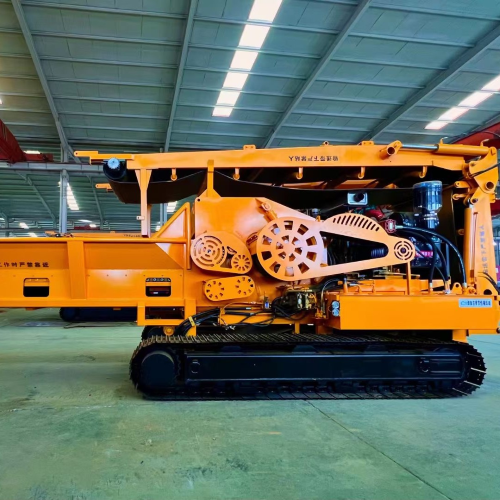
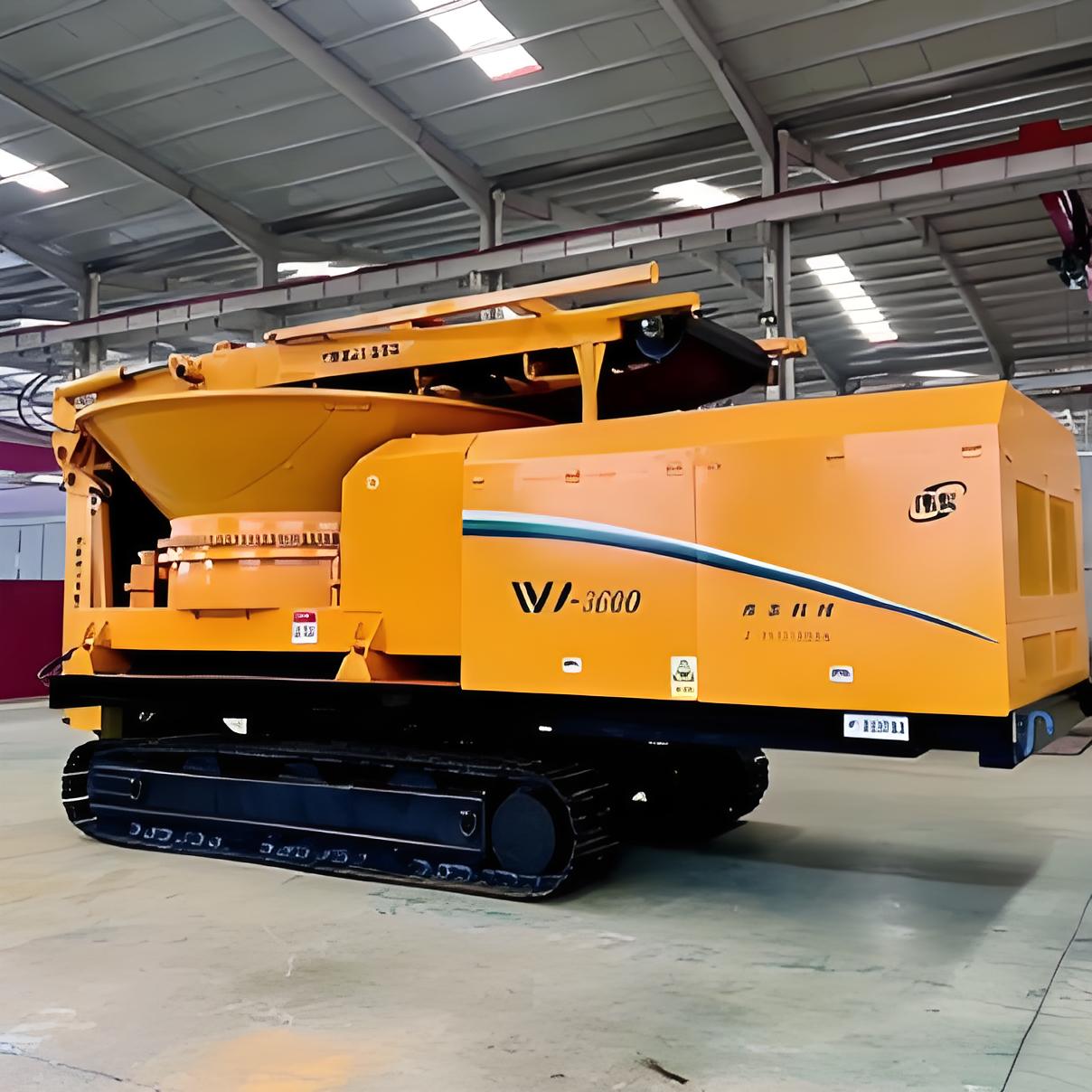
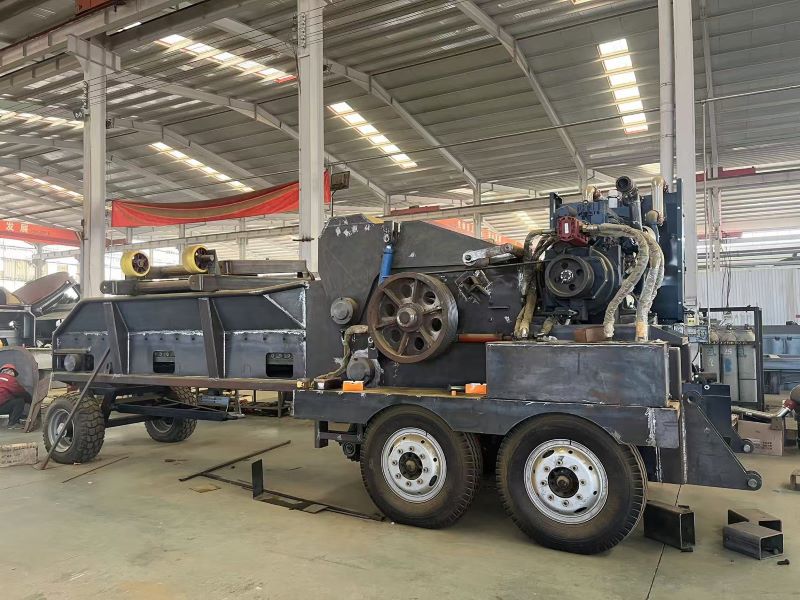
Welcome to Weidong Machines
Whole Trees Processing Workflow: Planning a Horizontal Grinder Project
A whole-tree horizontal grinder project works only when the tree, the loader, the machine and the product outlet fit one operating sequence. The grinder is a central step, but felling coordination, preparation, staging, discharge and haulage can control the day. This field workflow shows what to decide before the machine arrives and what to measure during the first campaigns. It is a planning aid; site safety rules and the delivered equipment manual govern operations.
Start at the outlet and work backward
Agree on product use, particle range, contamination limits, sampling, moisture basis and delivery schedule. A buyer of fuel may treat fines differently from a mulch receiver. Decide where oversize goes and how rejects are documented. Map the quantity required per day or week in receiver-accepted units, then compare it with the available gross working hours. The whole-tree capacity worksheet helps measure that boundary. Avoid building a flow around incoming tree volume if the outlet will accept only a smaller processed fraction.
Define the trees and permitted preparation
Catalog species, stem diameter and length distributions, branch crowns, crooked pieces, roots and visible contamination. State which trees must be cut or limbed before grinding and where that work happens. Keep treated or otherwise excluded wood out of the accepted flow. Assign a method for inspecting questionable loads without putting people in machine operating zones. Photograph representative easy and difficult lots. A shared material file lets the operator, buyer and supplier plan the same duty rather than interpreting whole trees as different things.
Draw the landing and traffic pattern
Mark inbound trees, preparation area, eligible feed queue, grinder infeed, discharge, finished stockpile, reject area and outbound trucks. Show loader travel and turning, maintenance access, emergency routes and pedestrian separation. Test the drawing against actual equipment dimensions and ground conditions. A landing with space for the grinder may still be too narrow for a grapple to turn safely with a long stem. Plan drainage and weather access. Identify the maximum stockpile size and who orders outbound trucks before a full pile forces an unplanned stop.
Stage a controlled feed queue
Arrange stems so the loader can select and present material without repeatedly untangling crowns. Keep difficult and questionable lots separate until they are prepared or released. Do not stack material where it hides hazards or blocks inspection. Record the loader attachment, reach and travel cycle; one loader may need help if it must feed the grinder and clear discharge at once. The horizontal grinder selection guide explains the equipment questions to test before committing to this rhythm. A good queue supports consistent feeding without forcing the operator to rush.
Commission with representative lots
Use known tree lots, the intended loader, the quoted screen and the expected discharge arrangement. Record setup and startup, productive grinding, feed delays, interruptions and cleaning. Weigh or otherwise measure input and accepted output on stated bases. Preserve settings and photographs with the result. Confirm that guards, communication, isolation and maintenance access work in the planned layout. A successful short run with straight stems does not release the harder material; schedule a separate test or a controlled ramp-up for branch-heavy trees.
Hold output until acceptance
Sample first-pass product under the receiver’s rule and record oversize, fines, contamination and moisture observations. Label lots by source and settings so a problem can be traced and a stockpile isolated. Oversize returned for a second pass must be counted as rework time, not as a fresh input quantity. Arrange stockpiles to keep incoming and finished material separate. If a screen or wear component changes, check the following output rather than assuming the product remains identical. The outlet, not the grinder operator alone, should release the material for delivery.
Create clear roles and stop rules
Name the person responsible for receiving, tree preparation, loader operation, grinder control, output checks, maintenance and dispatch. Define radio or signal conventions between loader and grinder personnel. Establish stop decisions for metal, unstable feed, unusual vibration, blocked discharge and an unsafe traffic conflict. Use the model-specific manual and site hazardous-energy procedure for investigation and service. Document who can authorize restart. A project schedule that relies on skipping inspection or clearing material while equipment is energized is not an acceptable capacity plan.
Plan movement between sites
For mobile campaigns, record access road, transport arrangement, permits where required, setup surface, services and the time to secure, move and recommission equipment. Compare the avoided tree haulage with additional setup, loader and service costs. Use the same accepted-output boundary when evaluating a fixed central yard. A horizontal wood grinder application overview can help frame alternative site arrangements, while the final decision depends on the actual tree supply and outlet. Retain a checklist for each landing rather than assuming the previous layout transfers unchanged.
Use a first-week constraint log
During the first week, have the supervisor record why the grinder waits, even when the stop seems minor. Distinguish no prepared tree, loader conflict, output pile full, truck delay, product sampling, planned inspection and machine fault. Count both frequency and minutes. Review the largest repeated cause before buying additional machine capacity. This evidence also helps choose whether to change tree staging, add loader coverage, adjust truck scheduling or request a different discharge arrangement. Keep the log simple enough that operators will actually complete it.
Hand over the complete operating record
At the end of the first campaign, review feed lots, accepted quantity, gross hours, stop codes, wear observations, truck delays and unresolved safety or quality issues. Compare them with the purchase case and revise the workflow where the bottleneck differs from the plan. The horizontal grinder product range supplies a configuration reference; send the site drawing and measured questions through the WDMachines contact page for model-specific discussion. Keep ownership of each open action visible before the next campaign.