Welcome to Weidong Machines
Horizontal Grinder: Selection Guide for Whole Trees and Continuous Feeding
A horizontal grinder for whole trees should be selected around the actual stem and branch mix, the loading method and the product the customer will accept. The promise of continuous feeding is useful only when the feed path, loader, discharge and downstream haulage can work together. This guide gives buyers a decision sequence for comparing configurations. It does not assume that every whole tree can enter unchanged or that one published capacity figure applies to all species and sites.
Describe what whole trees means on this job
Separate full stems, tops, limbs, crooked trunks, root balls and mixed logging debris. Measure representative maximum length and diameter, but also record the typical distribution and awkward pieces that govern handling. Note species, moisture, soil and metal exposure. A straight stem cut at the landing is a different feeding problem from a tangled tree with a broad crown. Decide which pieces can be prepared before the grinder and which are excluded. Photograph the largest allowed examples beside a scale reference and provide the same feed file to each supplier.
Confirm the feed opening and controlled infeed
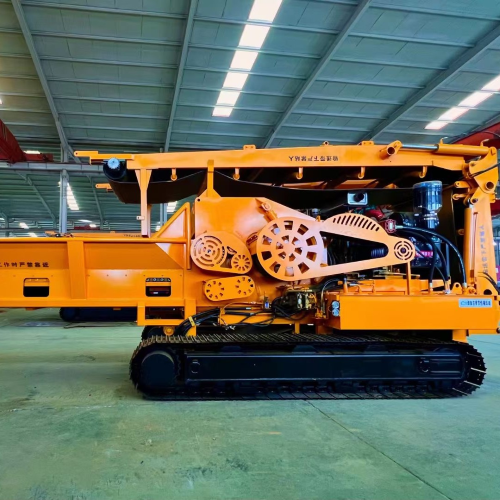
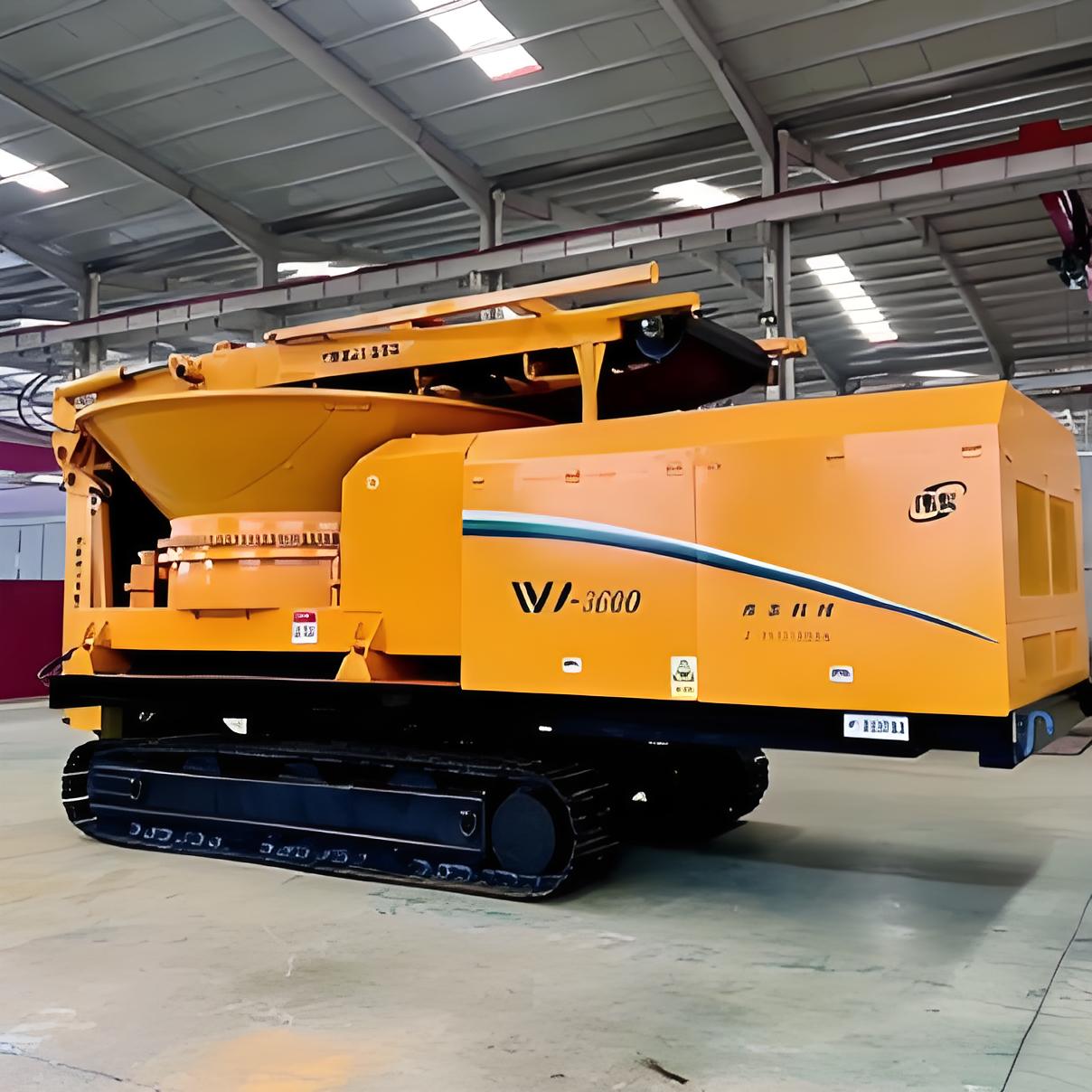
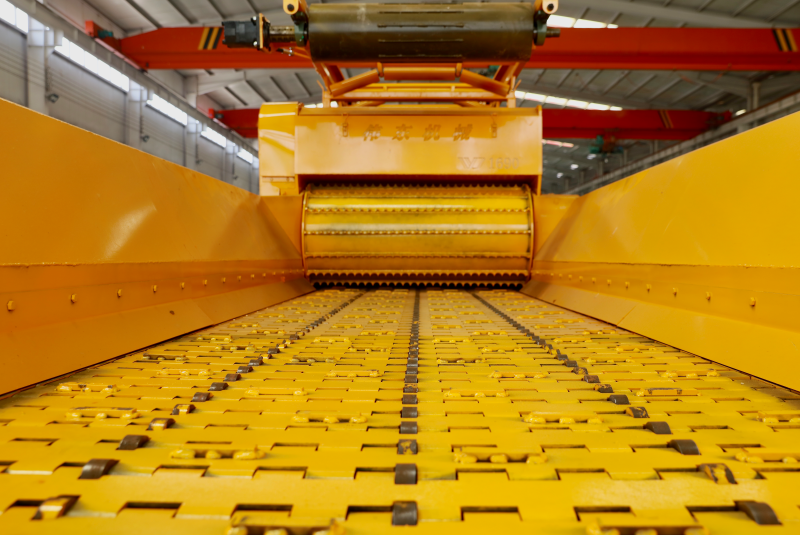
Ask how the proposed machine receives the largest permitted material, controls its movement and prevents unsafe bridging. Compare the infeed table, rollers, hydraulic control, reversing procedure and operator sight lines for the quoted model. The horizontal grinder product range identifies available machine families, but the exact feed envelope and options belong in a written offer. Do not infer a safe stem diameter from an opening dimension alone. Seek a demonstration with the branch geometry the project actually sees, including any required preprocessing.
Match the loader to the grinder
Record the loader type, attachment, reach, travel path and expected cycles. A grapple holding one awkward stem for a long adjustment interrupts the nominally continuous machine. Test whether the operator can present trunks consistently without walking into restricted zones or blocking trucks. Account for time spent untangling material and preparing a queue. If one loader must also clear discharge and load outbound trucks, calculate its combined duty. Selection should identify the complete work cell, not just the grinder motor or rotor.
Specify the accepted product before choosing screens
Define whether the outlet wants biomass fuel, mulch feed, further processing or another woody fraction. Agree on size, fines, contamination, moisture basis and sampling method. Test the screen and wear configuration proposed for that outlet. A tighter size target may require more energy, slower feeding or oversize return; it can also raise the value of the accepted product if the receiver pays for it. Record first-pass output, rejects, rework and final accepted quantity separately. A machine that produces many tonnes of unsuitable material does not solve the contract.
Check mobility and landing conditions
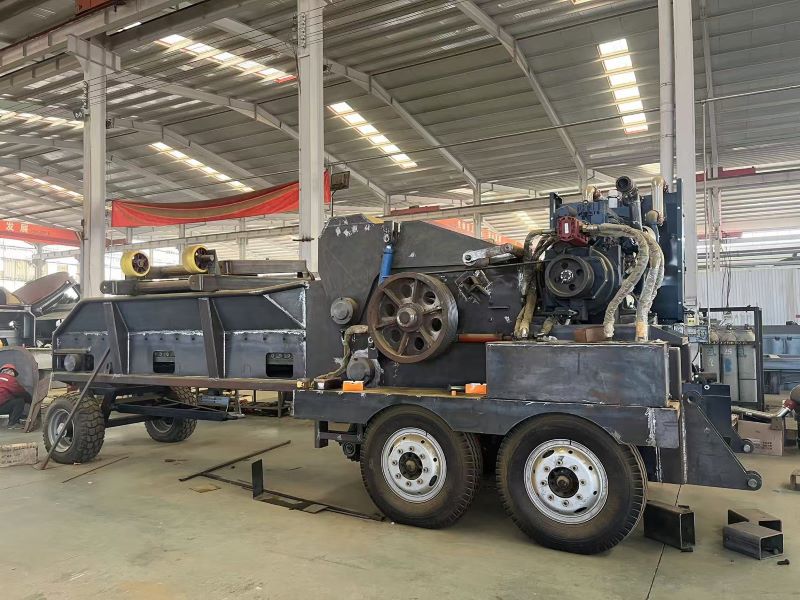
Whole-tree projects may move between landings or work at a fixed yard. Compare transport dimensions, permits, access road condition, ground bearing, setup time, power or fuel service, maintenance access and discharge placement. Mark the loader and truck movements on a site drawing. A mobile configuration is valuable when relocation and setup remain manageable; a fixed arrangement can be simpler when material is delivered to one controlled yard. Do not decide from chassis type alone. Ask the supplier to name what must be disconnected, secured or inspected for each move.
Request a representative comparative trial
Give every candidate the same material lots, operator boundaries, screen target and measurement rules. Weigh or otherwise measure input on a stated basis, record active grinding and gross elapsed time, and document stops for loading, contamination, adjustment and discharge. Sample accepted output using the receiver rule. The wood grinder throughput site test provides a repeatable measurement framework. Reject a comparison that uses clean straight stems for one machine and tangled crowns for another without separating the results.
Compare service and wear evidence
Ask for access to routine checks, replacement criteria, parts identification, training and support commitments for the quoted configuration. Whole trees may bring bark, grit or embedded objects that change wear risk. Record contamination incidents separately from normal consumable wear. Check that the proposed yard permits safe cleaning and part handling. Ask what information the supplier needs if feeding becomes unstable or the discharge clogs. A warranty summary is not enough to plan recovery time; request actual inclusions, exclusions and service response terms.
Decide with a bounded cost case
Compare installed equipment, loader, preprocessing, transport, site preparation, energy, staffing, service, rejects and accepted output under the same work calendar. Test low and high feed difficulty rather than applying a peak rate to every hour. A horizontal wood grinder overview can support the initial equipment comparison, while the project quotation must still resolve material and site details. The tub and horizontal grinder comparison helps frame the category choice when the material is more mixed.
Document the selection decision
Use a comparison sheet with one row per decision: permitted feed, preprocessing, accepted product, gross operating hours, loader duty, mobility, maintenance access and supplier support. Put the observation, quotation or test record beside each conclusion. If a supplier cannot yet substantiate a claim, mark it open rather than estimating a convenient value. Have operations, maintenance, safety and purchasing review their respective rows before the order is placed. This record makes later changes to source material or output contracts easier to evaluate without restarting the entire search.
Send a complete selection brief
Send source photographs, dimensions, expected volume, rejected-material rules, product specification, loader details, site drawing, available hours and trial method through the WDMachines contact page. Request a written model configuration, exclusions, service scope and evidence for the feed envelope. Keep open assumptions visible until a representative trial or site review closes them. The preferred machine is the one that can safely sustain accepted output in the complete work cell, with a support plan the owner can operate.