Welcome to Weidong Machines
Horizontal Grinder Capacity Planning for Logging Slash: What Buyers Should Measure
Horizontal grinder capacity for logging slash should be expressed as accepted product per gross working hour under a stated mix of material. Slash can range from clean limbs to tangled tops and bark-rich cleanup, so a single peak rate can mislead a buyer. This measurement plan separates incoming inventory, eligible feed, grinder discharge and material the outlet actually accepts. It also shows when the loader, preparation, stockpile or truck flow sets the practical limit.
Set the demand and time boundary
Ask the receiver for quantity, quality, moisture basis, delivery frequency and sampling rule. Convert the contract to a required accepted rate using the hours the site can actually work. Include startup, checks, material changeover, agreed breaks and typical handling interruptions in the gross window. Do not apply a published rotor-on rate to every hour of a calendar day. If the work moves between landings, include setup and transfer in the campaign plan. Keep wet tonnes, dry tonnes and loose volume separate unless a measured conversion has been agreed.
Classify the material before testing
Build representative lots for clean tops, branch-heavy slash, tangled crowns, bark-rich material and the most difficult permitted cleanup. Record source, species, dimensions, moisture and visible contamination. Exclude metal, stone, treated material and soil-heavy loads under a written rule. Measure the eligible fraction from actual lots, not a visual estimate of the whole pile. Mark preparation such as cutting or untangling and count its time. The logging slash selection guide explains why the feed envelope must be defined before choosing the machine.
Time the loader as a separate resource
Record the grapple, loader model, operator and average cycle for each slash lot. Count untangling, travel, presentation, repositioning and waits for the feed path to clear. If the same loader also moves product or loads trucks, allocate those minutes to the complete work cell. A grinder may be ready while the loader is occupied elsewhere. Compare queue length and loader utilization during the test, not only the machine’s active time. If a second loader is proposed, include its staffing and cost before calling the larger machine configuration more productive.
Measure input and output consistently
Weigh incoming eligible material where practical and record the scale method. If volume is used, state container, compaction and measurement assumptions. Identify first-pass product, oversize sent back, contamination rejects and final receiver-accepted output. Do not count regrinding the same oversize as new input or a second saleable tonne. Sample product under the outlet’s rule and preserve the screen and settings used. A large discharge pile that fails the product specification is not useful capacity. Record moisture alongside mass so two runs can be compared on a known basis.
Log active and gross time
Start and stop the clock using the same rule for every candidate. Use codes for setup, inspection, active grinding, loader wait, tangled feed, contamination hold, screen adjustment, discharge or truck delay, sampling, cleaning and machine fault. Record planned service separately from unplanned repair. The grinder site-test method provides a consistent trial frame. Report both active-rate discharge and gross-window accepted output, then use the latter for delivery and budget decisions. A selective stop log can make a weak process appear strong.
Hold the machine configuration fixed
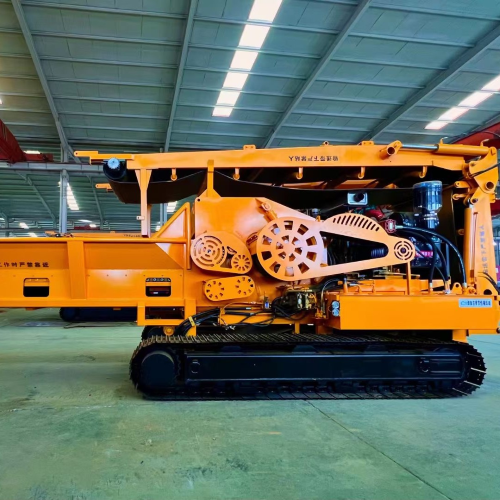
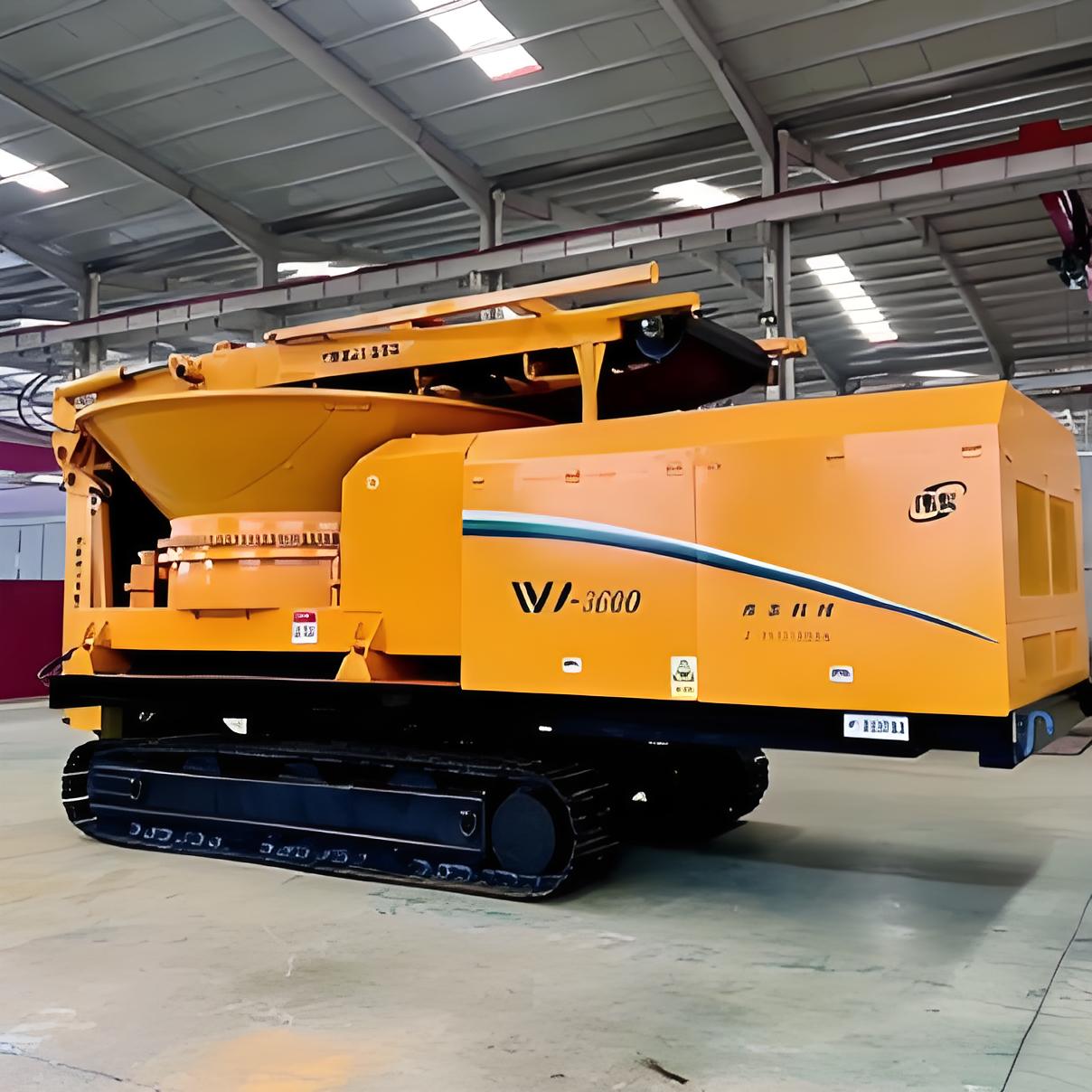
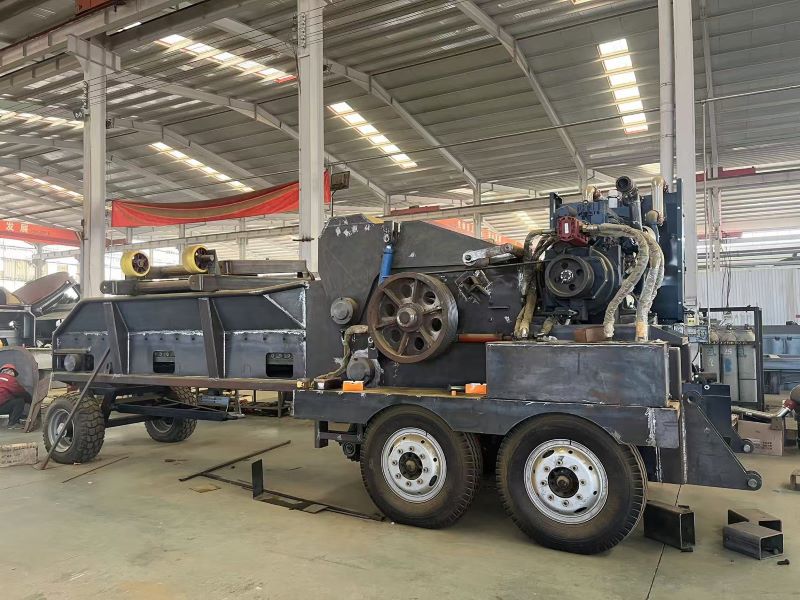
Document the quoted model, infeed controls, drive, screen, wear package and discharge. The horizontal grinder product range is a configuration starting point, not a guarantee for every slash mix. Note each setting change and the lot processed afterward. If a supplier demonstrates a different screen or feed preparation than proposed, mark the result as non-comparable until the offer is updated. Include the actual operator and loader used. A trial needs enough material to reveal repeated feeding and discharge cycles, not just one short peak.
Test the site’s output bottleneck
Draw the discharge route, stockpile area, sample point and outbound truck movement. Time when the pile must be moved or a truck changed. Check ground condition and safe turning for the actual vehicles. If the outlet accepts only a limited daily quantity, include storage and product protection requirements. A full pile can halt the grinder even with more slash waiting. Run separate cases for a central yard and dispersed landings where transport is uncertain. Keep the accepted-product rate tied to the whole logistics chain.
Build a conservative capacity range
For each representative lot, calculate accepted quantity divided by gross elapsed hours. State run length, weather, sample size and operator experience. Show low, central and high cases from the tested mix and foreseeable seasonal variation. Avoid multiplying the best short run by all planned shifts. Identify the controlling constraint in each case: material preparation, loader, grinder, screen, discharge, truck or outlet acceptance. The whole-tree capacity guide provides a related stem-focused method, while this slash case needs separate mixed-feed evidence.
Compare quotations on the same evidence
Give all suppliers the same lot file, acceptance rule, site drawing, work window and test method. Ask for the exact offered configuration, support equipment, exclusions and limitations. A horizontal wood grinder overview can help shortlist alternatives, but it cannot substitute for a slash-specific measurement. Compare cost per accepted unit only after loading, reject handling and transport are placed on the same boundary. If a supplier lacks a suitable trial, keep the claim provisional and specify the test needed before a capacity commitment.
Recheck after commissioning
During early production, track daily material mix, eligible input, accepted output, gross hours, stop reasons and product rework. Compare with the trial range and investigate systematic gaps. A change in source, screen, loader or outlet specification should trigger a new measurement, not a silent carryover of the old rate. Send the material file and observed constraint through the WDMachines contact page for a model-specific review. The completed capacity plan should show what can be promised now, what remains uncertain and who owns the next test.