Welcome to Weidong Machines
Horizontal Grinder Capacity Planning for Whole Trees: What Buyers Should Measure
Horizontal grinder capacity for whole trees is a project measurement, not a single machine number. A buyer needs to know how much material can be turned into receiver-accepted product in the available work window. Stem geometry, branch crowns, loader rhythm, screen choice, site layout and interruptions all affect that result. This worksheet defines the numbers to collect before comparing quotations or using an advertised rate in a budget. Keep observations, supplier claims and assumptions in separate columns.
Define the demand in an accepted unit
Start with the outlet contract or project target. State tonnes, documented volume or another unit, the moisture basis, particle limits and contamination rule. Specify the weekly or seasonal quantity and delivery pattern. A fuel buyer that rejects oversize or wet material may accept less than the grinder discharges. Record first-pass output, oversize returned, reject mass and final accepted quantity separately. If volume is used, define how it is measured and avoid treating loose volume as solid timber volume. The required accepted rate is demand divided by gross available operating hours, not by an ideal rotor-on time.
Build representative whole-tree lots
Measure the distribution of stems, tops and limbs rather than only the largest tree. Include straight and crooked pieces, branch-heavy crowns, bark, species, moisture and any soil or metal exposure. Photograph the lots and mark what must be cut or excluded before feeding. A clean stem demonstration is not a proxy for tangled landing material. Use several identifiable lots: expected normal feed, easier feed and the most difficult material the operating rule permits. Record each lot’s measured input quantity and any preparation time so the results can be compared fairly.
Observe the complete loader cycle
Time grappling, approach, placement, release, repositioning and any wait for the grinder to clear. Note the loader model, attachment, reach and whether the operator performs other tasks. Continuous feeding can be limited by the loader even when the rotor is ready. The whole-tree selection guide explains why feed geometry and loader choice must be reviewed together. Record queue length and loader travel distance at the actual landing; a trial with material stacked beside the infeed may be optimistic for a dispersed site.
Record gross time and stop codes
Begin the clock at the agreed start of the work window. Log startup, inspections, active grinding, loader waiting, untangling, contamination holds, screen adjustments, discharge moves, sampling, cleaning and planned breaks. Separate planned maintenance from unplanned faults. Calculate both active-rate output and gross-window accepted output, but use the latter for staffing and contract planning. The grinder throughput test method provides a practical record format. Do not delete inconvenient interruptions from the comparison just because they occur outside active rotor time.
Test the offered configuration
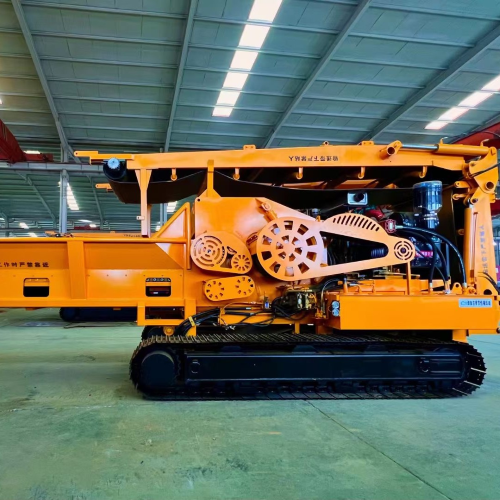
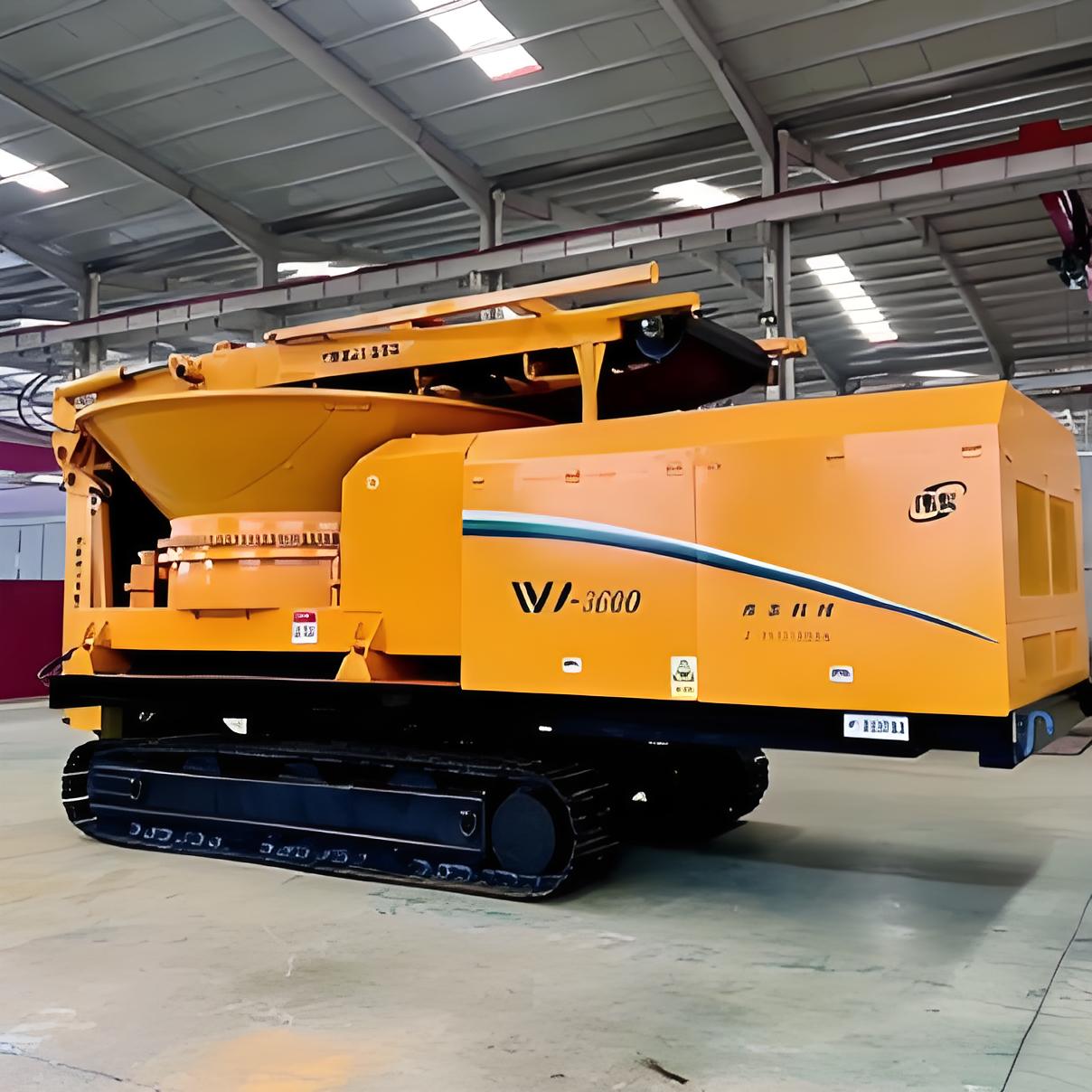
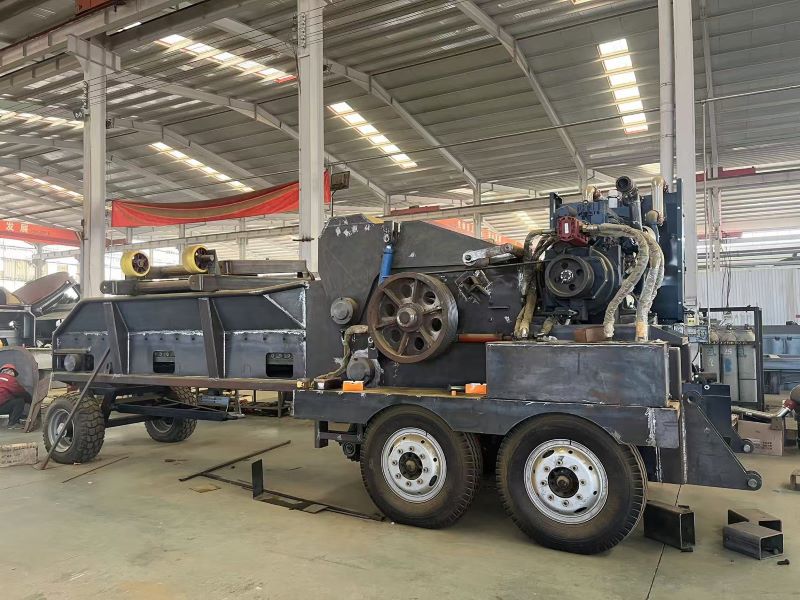
Write down machine model, drive, feed opening, infeed controls, screen, wear setup and discharge. The horizontal grinder product range is a starting point; request the exact quoted arrangement and its permitted material envelope. A result from another screen or a different loader cannot be transferred without an explicit reason and uncertainty range. Include startup and setup time if the machine will move between landings. Ask what changed during the trial and preserve the setting log so a good output sample can be reproduced.
Measure discharge and truck constraints
Track how quickly product leaves the discharge, when stockpiles fill and how often the loader or truck interrupts the grinder. A machine may produce an impressive active rate while the site lacks safe pile room or enough outbound hauling. Draw the truck route, turning areas and stockpile limits. Confirm that the product can be sampled and isolated without blocking the next load. If the grinder must stop for every truck change, include that time in gross capacity. Model two scenarios when haulage availability is uncertain rather than assuming an unlimited outlet.
Calculate a usable capacity range
For each representative lot, divide receiver-accepted quantity by gross elapsed hours, then report the distribution rather than a single best run. State the sample size, weather, material condition and operator experience. Build a conservative planning case from the more difficult permitted material and realistic availability. Mark assumptions that still need validation, such as wet-season access or a new screen. Avoid extrapolating a short peak observation across every shift. If the required accepted output exceeds the supported case, first identify whether feed preparation, loader duty, discharge or machine capacity is the controlling constraint.
Use capacity to compare commercial offers
Ask every supplier to use the same lot descriptions, acceptance specification, measurement rule and gross-time boundary. Include support equipment, preparation, reject disposal and service access in the comparison. A horizontal wood grinder overview may help identify alternatives, but it cannot replace a material-specific site test. Request written exclusions and confidence limits. A lower quoted machine price may be a poor value if it requires additional handling to make acceptable product, while a larger machine will not fix a missing loader or outbound truck.
Review the plan after startup
For the first operating period, record daily lot type, eligible input, gross hours, accepted output, oversize, rejects and stop reasons. Compare them with the pre-purchase case and investigate the largest gaps. Recalculate when source material, staffing, screen or outlet requirements change. Send representative photographs and the measurement sheet through the WDMachines contact page for a configuration review. The capacity plan is useful when it makes the next decision clear: what must be measured, changed or tested before the project promises a delivery rate.