Welcome to Weidong Machines
What Is the Difference Between a Tub Grinder and a Horizontal Grinder?
If you choose the wrong grinder, you can lose money on fuel, parts, and downtime fast. I have seen this happen when buyers focus only on price, not feed style.
The main difference is this: a tub grinder uses a large top-loading tub for bulk and irregular materials, while a horizontal grinder uses a conveyor-fed horizontal infeed for longer material, steadier output, and more controlled processing for biomass work.
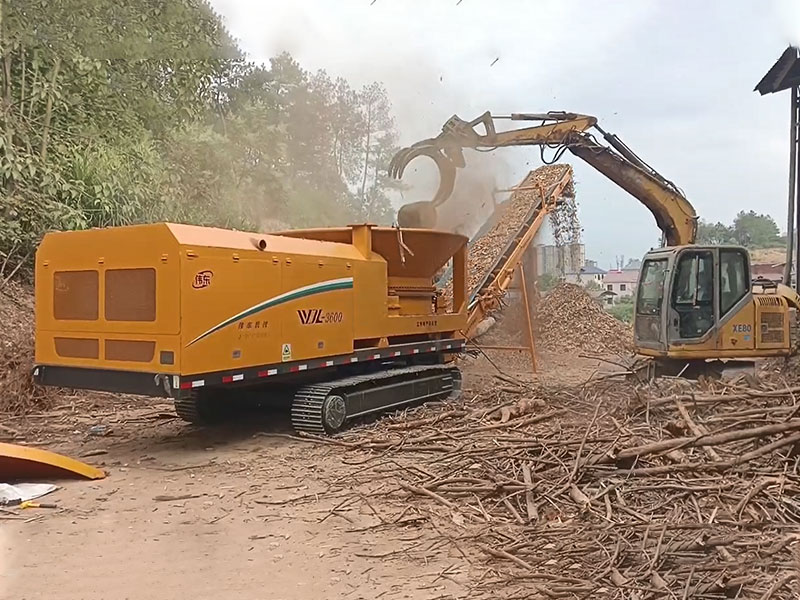
I have worked with buyers who thought these two machines did the same job. In real work, they do not. The feeding method, material flow, movement style, and wear pattern all change how the machine performs in the yard. When I help clients choose, I always start from their raw material, their site layout, and their output target.
Understanding the Core Operational Differences: Tub Grinders vs. Horizontal Grinders?
Many operators buy by habit. Then they find the machine does not match their raw material. That mistake often leads to poor feeding, blocked flow, and uneven output.
A tub grinder processes material through a large cylindrical tub from the top, while a horizontal grinder feeds material through a horizontal opening with more controlled intake. This makes tub grinders strong for bulky loads and horizontal grinders better for long, consistent feeding.
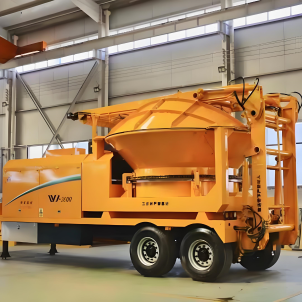
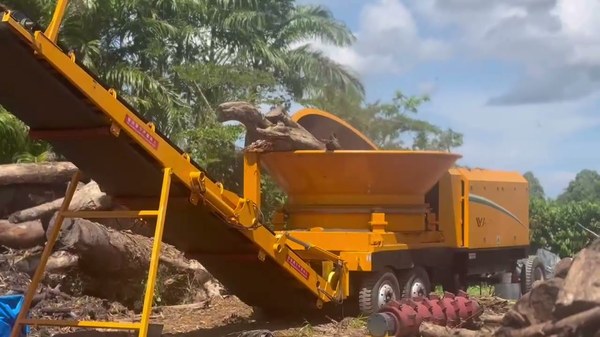
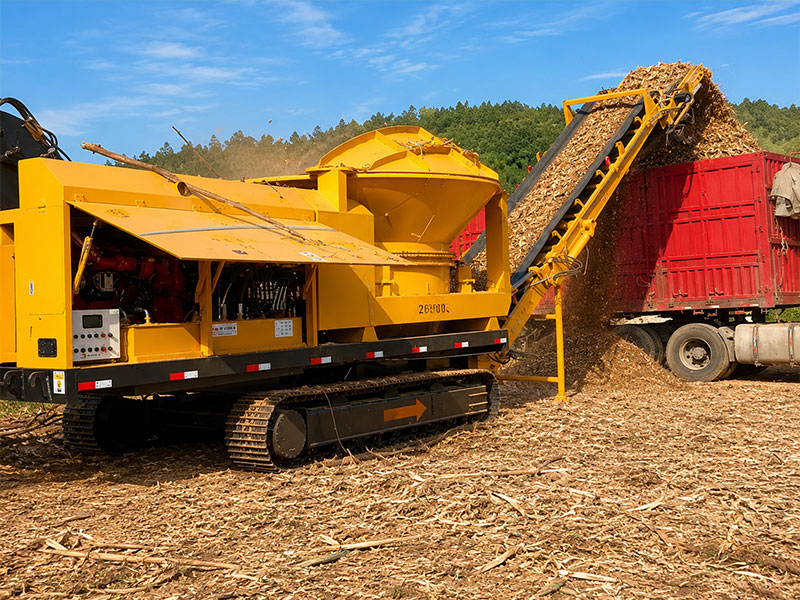
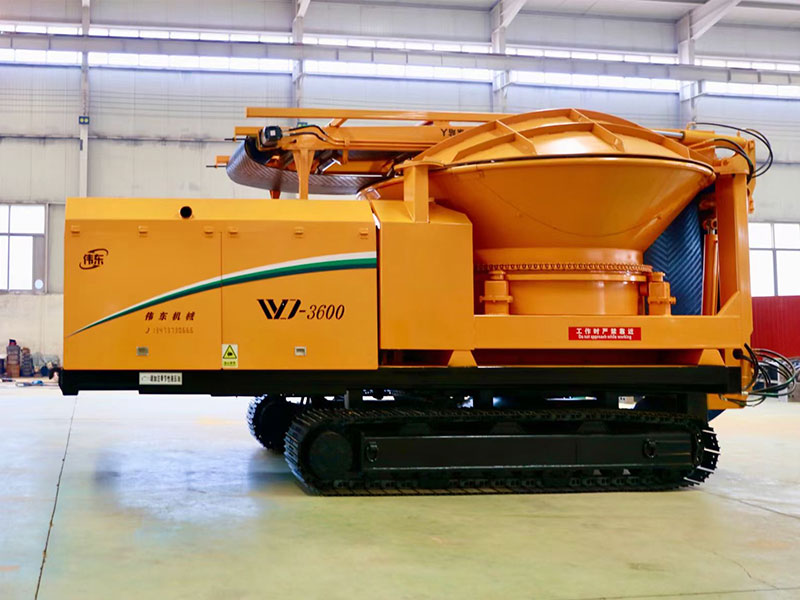
From my workshop and export experience, I see this as the first and most important split. A tub grinder gives you a wide open loading area. The WD3600T and WD3600C both use a large tub with a Ø3600mm inlet and a deep feed tray, which helps when operators load mixed bulk material like tree roots, branches, and straw by loader or grapple. This design is simple for rough loading. It works well when the material shape is irregular and when perfect feeding control is not the first goal.
A horizontal grinder works in a more guided way. The WD1380 uses a horizontal inlet sized at 1320mm x 530mm and a long spindle layout, which supports a steadier feed path. In practical terms, this matters a lot. Long branches and whole-tree type material enter in a more even direction. That lowers sudden surges. It also helps the downstream process stay stable.
| Item | Tub Grinder | Horizontal Grinder |
|---|---|---|
| Feed direction | Top loading | Horizontal loading |
| Best loading tool | Loader or grapple for bulk drop | Conveyor or controlled feeding |
| Material behavior | More free-form | More guided and even |
| Processing style | Aggressive bulk reduction | Controlled continuous reduction |
When I explain this to clients, I say it simply: tub grinders are open and tough, while horizontal grinders are controlled and steady.
When to Choose a Tub Grinder: Ideal Applications and Material Handling?
A lot of yards handle messy raw material. If the machine cannot accept rough loads fast, the whole line slows down and labor cost goes up.
You should choose a tub grinder when you process bulky, mixed, or irregular raw materials such as tree roots, branches, bark, and straw, and when fast top loading is more important than tight feed control.
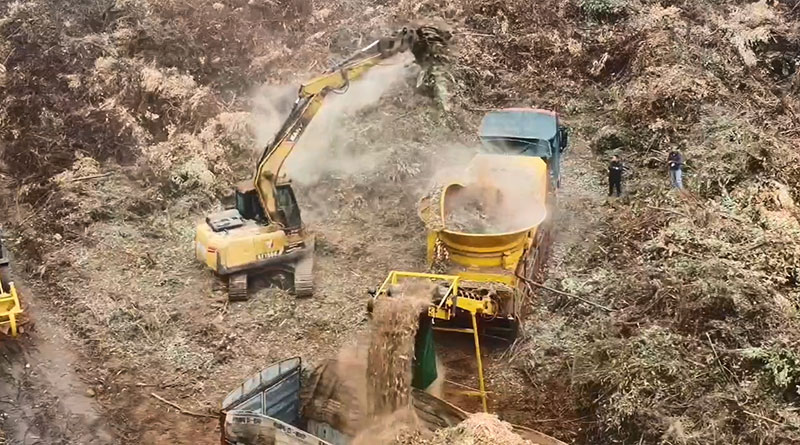
I often recommend a tub grinder for clients who run land clearing, yard waste handling, and first-stage biomass reduction. The reason is simple. These sites usually do not receive clean, uniform feedstock. They receive mixed heaps. A machine must accept that reality. The WD3600T and WD3600C are built for raw materials such as tree roots, branches, and straw. The knife roller assembly is suitable for roots, branches, bark, and straw, and the hammer roller assembly is suitable for biomass materials such as templates, demolition materials, and bark. That gives the machine a useful range for rough field material.
I also like tub grinders when clients need a flexible first reduction step before screening or secondary processing. The top tub design makes loading easy for wheel loaders. That cuts handling time. It also fits operators who want to dump and keep moving.
| Best Use Case | Why Tub Grinder Fits |
|---|---|
| Land clearing residue | Handles roots and mixed woody waste well |
| Yard waste stations | Accepts irregular bulk loads |
| Bark and straw reduction | Suits mixed biomass feed |
| First-stage reduction | Strong for rough pre-processing |
In my view, a tub grinder is the practical choice when the raw material is dirty, bulky, and not easy to organize before feeding.
The Advantages of Horizontal Grinders: Precision and Versatility in Biomass Processing?
Some operations need more than raw power. They need steady size control, line balance, and better feeding for long material. In these cases, a rough bulk-fed machine can become a limit.
Horizontal grinders offer better feeding control, stronger handling of long materials, and more versatile configuration choices, which makes them well suited for biomass power plants, pellet factories, and wood-based panel supply.
This is where I often guide biomass clients toward the horizontal series. The reference materials state that this type is used for crushing relatively long materials such as whole trees and very long wood branches, and that the output is suitable for wood-based panel factories, biomass power plants, and pellet factories. That is a very important point. In biomass processing, upstream feeding and downstream consistency matter as much as total capacity.
The WD1380 also shows why horizontal grinders are attractive to industrial users. It offers diesel or electric power, traction or fixed vehicle options, and rich configuration choices in size and specification. That means the same machine family can fit very different plant plans. A fixed electric setup may suit a plant that wants lower energy logistics and stable location. A diesel traction unit may suit contract grinding.
| Horizontal Grinder Advantage | Why It Matters |
|---|---|
| Better long-material feeding | Reduces feed disturbance with branches and whole trees |
| More precise intake | Supports more even output flow |
| Biomass-friendly output use | Fits panel, power, and pellet industries |
| Flexible power and chassis options | Easier to match plant or mobile work needs |
From my experience, if a client cares about controlled biomass flow and broader process integration, the horizontal grinder is often the smarter long-term choice.
Assessing Portability and Mobility Needs for Industrial Operations?
A good grinder can still become a bad investment if it cannot move the way your site needs. I have seen buyers overlook this and then struggle every week with relocation.
Portability depends on how often you move, how far you move, and whether movement happens inside one yard or between job sites. Tub grinders in the reference include trailer, semi-trailer, and crawler options, while horizontal grinders offer traction or fixed vehicle configurations.
I always ask clients one question early: “Will this machine stay in one place, move around one yard, or travel between jobs?” That answer changes the best machine layout. The WD3600T is a trailer type tub grinder. It can be towed by forklift and is suitable for short-distance movement. It also has a standard semi-trailer double towed type that can apply for a vehicle license. That is useful for users who need planned relocation.
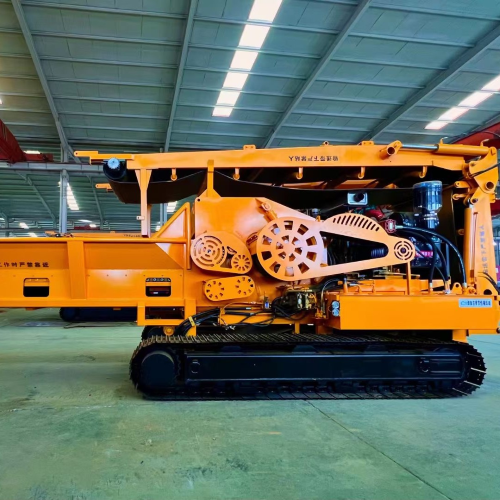
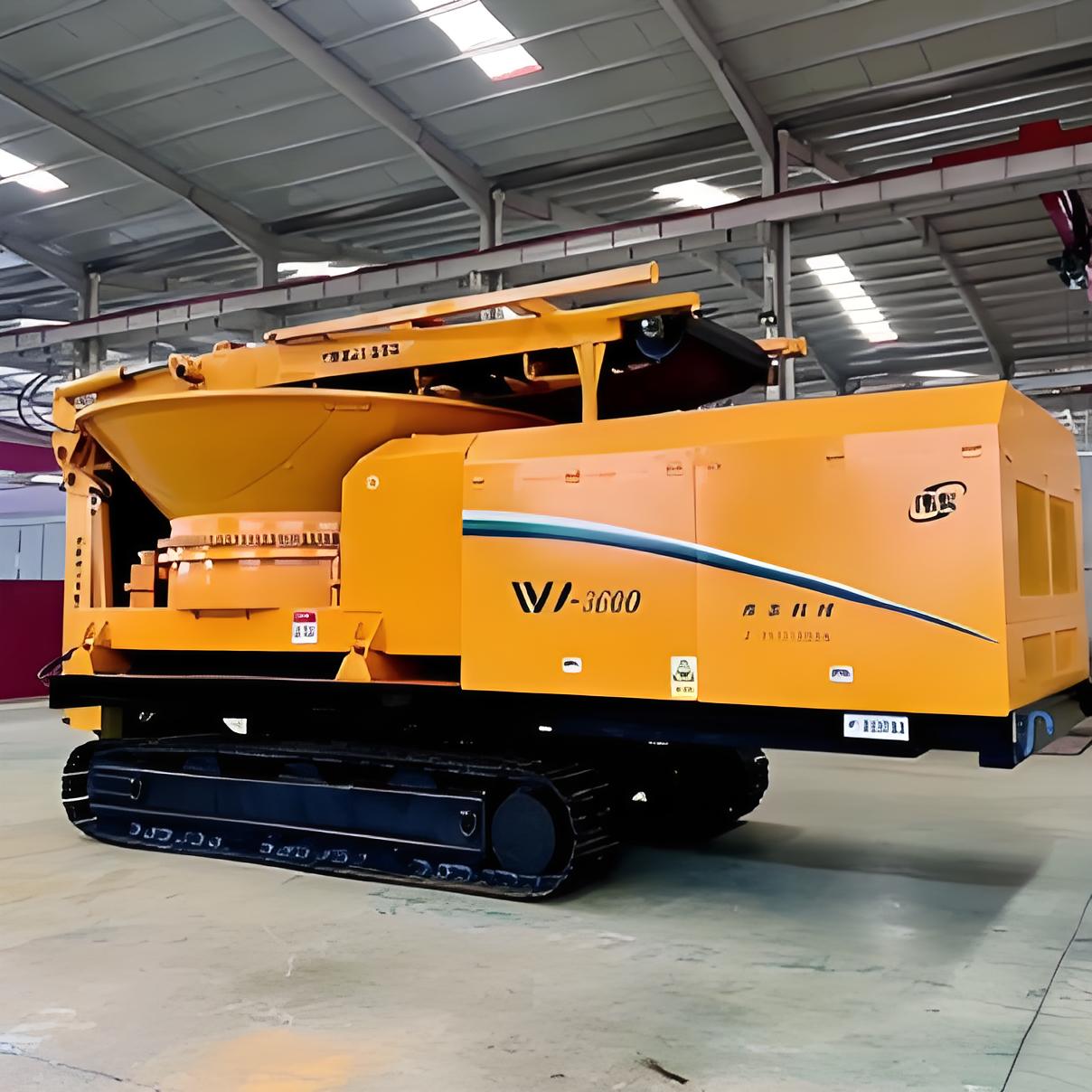
The WD3600C adds another useful path. It is a crawler type tub grinder, and the reference notes that if the work yard needs the machine to move frequently, a remote-control self-propelled crawler chassis in the 3600 series is an option. For rough yards, recycling stations, and sites with changing work points, this is very practical.
The horizontal series also gives buyers options. The WD1380 can be traction or fixed. So mobility is not only about tub grinders. It is about choosing the right movement style.
| Mobility Need | Best-Fit Style |
|---|---|
| Short moves inside yard | Trailer tub grinder WD3600T |
| Frequent movement on rough site | Crawler tub grinder WD3600C |
| Fixed plant installation | Horizontal grinder fixed version WD1380 |
| Towable industrial use | Horizontal grinder traction version WD1380 |
In my work, mobility is never a side detail. It is a core buying factor.
Comparative Analysis: Maintenance, Durability, and Long-term Operational Costs?
Many buyers ask about price first. I understand that. But the real cost shows up later in wear parts, service time, and downtime. That is where smart buying pays off.
Tub and horizontal grinders have different wear and service patterns, but long-term cost depends on access for cleaning, replaceable wear parts, durable core components, and how well the machine matches the material being processed.
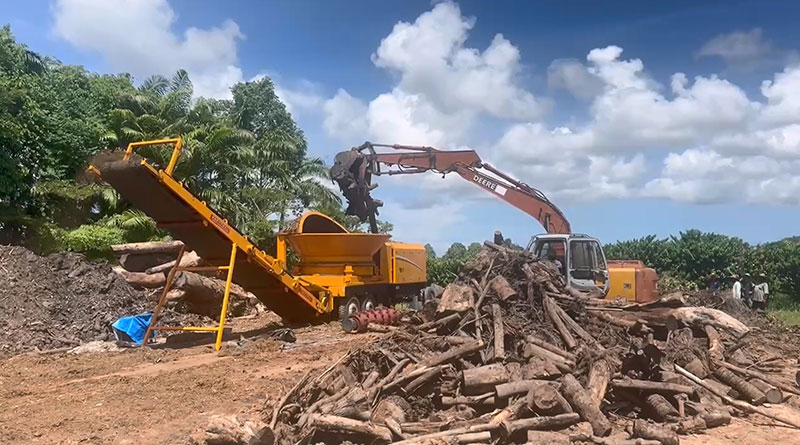
I always tell clients that maintenance cost is not only about how much a knife costs. It is also about how easy it is to reach parts, how long the rotor system lasts, and whether the machine gets overloaded by the wrong feedstock. The tub grinder reference shows one useful service detail: the workbench can be turned over at 90 degrees for cleaning materials, which is convenient for maintenance. That kind of access saves labor hours.
The horizontal grinder reference gives another strong example. The pressure knife screw hole uses a bushing nut inlay type, which makes later replacement easier when screws age. The reverse cutter assembly can also be adjusted for use. This reduces the need to replace the entire cutter roller and blade combination. The main pulley is made of ductile iron, with good wear resistance and lower risk of deformation or damage. These are not small details. These are details that shape annual maintenance budget.
| Cost Factor | Tub Grinder Notes | Horizontal Grinder Notes |
|---|---|---|
| Cleaning access | 90-degree turnover workbench helps maintenance | Not specified in same way |
| Wear-part strategy | Depends on knife or hammer setup | Adjustable reverse cutter assembly saves parts cost |
| Core durability | Strong for rough bulk duty | Ductile iron pulley improves wear resistance |
| Cost control | Good if used for suitable rough material | Good if steady feed and part design are used well |
From what I have seen, the cheapest machine to buy is often not the cheapest machine to own.
Key Configuration Options: Tailoring Your Grinder to Specific Business Requirements?
A grinder should fit your business model, not force your business to adapt around the machine. That is why configuration matters so much in real purchasing work.
The key configuration options include chassis style, power source, cutter or hammer setup, mobility system, and machine size. These choices should match your raw material, site conditions, and output market.
When I help clients compare machines, I build the discussion around business reality. If the client handles roots, bark, straw, and mixed field residue, I look hard at the WD3600 tub grinder series. The WD3600T offers trailer and semi-trailer movement options. The WD3600C offers crawler movement and remote-control self-propelled travel for sites that move often. The 3600 series also allows different working assemblies. The knife roller assembly suits roots, branches, bark, and straw, while the hammer roller assembly suits template waste, demolition materials, bark, and similar biomass raw materials. That means one platform can be tuned to the feedstock.
For more controlled biomass applications, I look at the horizontal line. The Horizontal Grinder WD1380 offers diesel or electric power, plus traction or fixed vehicle options. This is very helpful for plants that need either mobile flexibility or fixed-site efficiency.
| Business Need | Suggested Configuration |
|---|---|
| Mixed bulky biomass in open yard | WD3600T tub grinder |
| Frequent on-site relocation | WD3600C crawler tub grinder |
| Rough feed with different material types | Tub grinder with knife or hammer assembly |
| Biomass plant with stable line layout | Horizontal Grinder WD1380 fixed electric option |
| Contract or flexible field grinding | Horizontal Grinder WD1380 traction diesel option |
In my experience, the best grinder is not the biggest one. It is the one configured for the way you actually work.
Conclusion
A tub grinder is best for rough bulk loading, while a horizontal grinder is best for controlled long-material feeding, biomass precision, and wider configuration flexibility.