Welcome to Weidong Machines
Operating Costs Explained: How Much Does It Really Cost to Run a Tub Grinder?
Hourly tub grinder cost can get out of control fast when fuel burn, wear parts, and downtime start stacking up. I have seen many buyers focus on price first and regret it later.
A tub grinder’s real hourly cost usually comes from five parts: fuel, labor, wear parts, maintenance, and lost production from downtime. For high-capacity models like the WeiDong WD3600T and WD3600C, fuel use alone is about 20–40 L/H, while output reaches 25–40 tons per hour, so actual cost depends heavily on material type, setup, and machine reliability.
When I talk with plantation operators and biomass yard managers, I often find the same problem. Many people ask for the machine price first. That is normal. But after years on workshop floors and export projects, I learned that the purchase price is only the front-end number. The real money is made or lost every hour the grinder runs. If the machine burns too much fuel, slows down on bad material, or stops for maintenance, the cost per ton rises very fast. That is why I always tell clients to look at the full operating picture before they buy.
Understanding the Key Drivers of Hourly Operating Costs in Tub Grinding?
Many buyers underestimate hourly cost and only count diesel. That mistake hides the true cost of production and can make a low-price machine become an expensive machine very quickly.
The key drivers of hourly tub grinder cost are fuel use, throughput, wear-part life, maintenance time, machine movement needs, and uptime. Machines with stable output, easier maintenance access, and durable core parts usually lower cost per ton and cost per hour over time.
From my experience, hourly cost is never just one number. It is a moving result. If I run a grinder on clean branches, I get one cost. If I run the same machine on bark, mixed biomass, or demolition wood, I get another cost. So I break hourly cost into a few simple parts.
| Cost Driver | What It Changes | Why It Matters |
|---|---|---|
| Fuel use | Cost per hour | Higher diesel burn raises direct running cost |
| Throughput | Cost per ton | More tons per hour spread fixed costs better |
| Wear parts | Parts budget | Wrong setup can wear cutters or hammers faster |
| Maintenance access | Downtime | Easier service means less lost production |
| Chassis type | Site efficiency | Frequent moves can add hidden labor and time cost |
| Reliability | Long-term ROI | Stable machines reduce stoppages and protect profit |
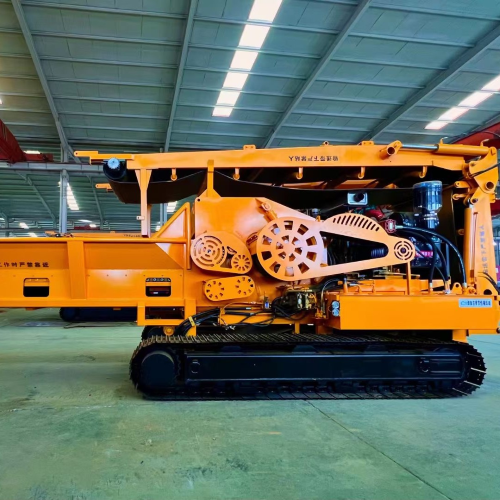
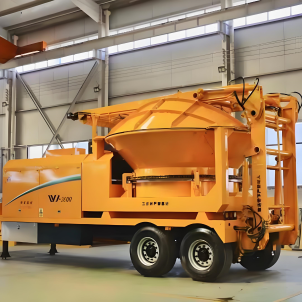
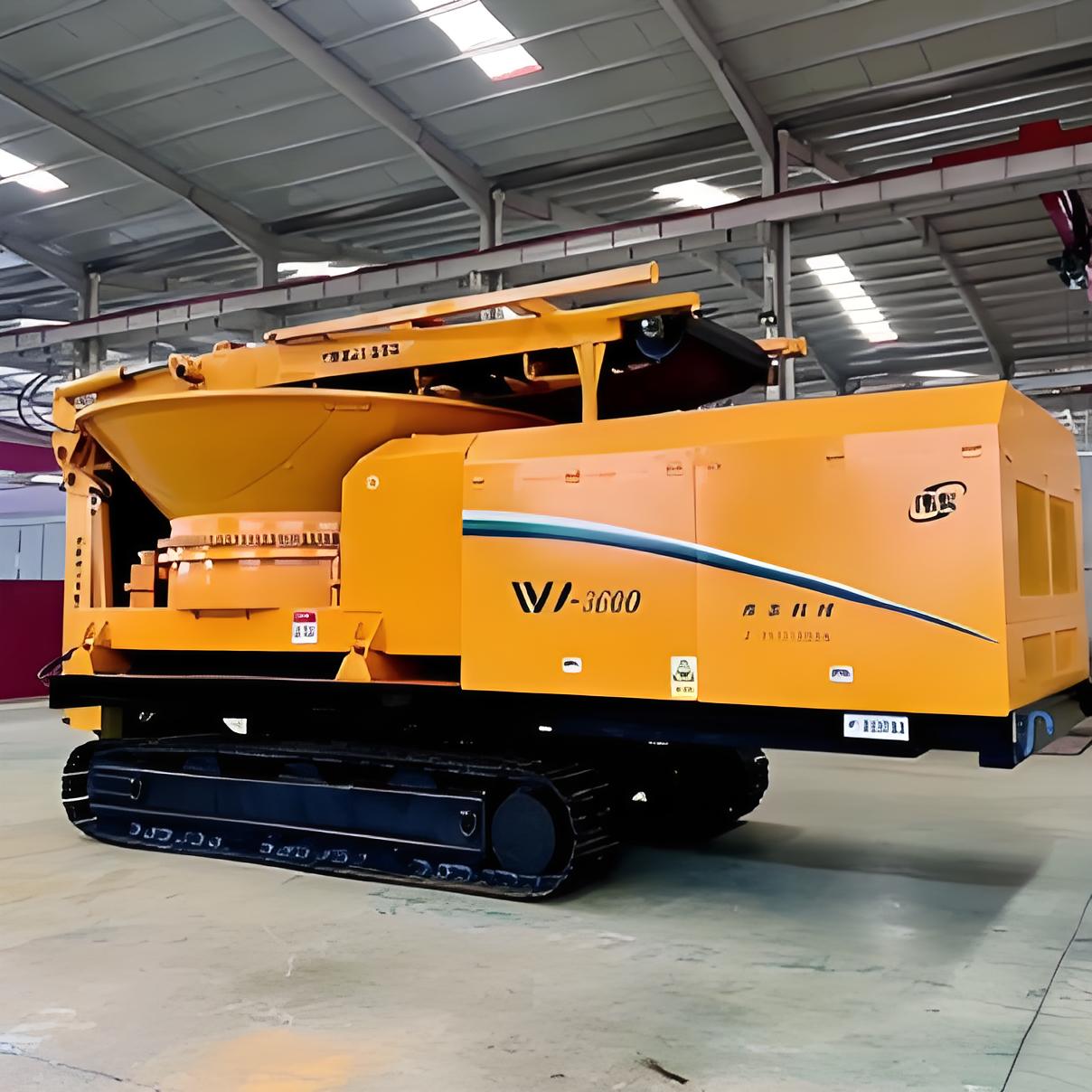
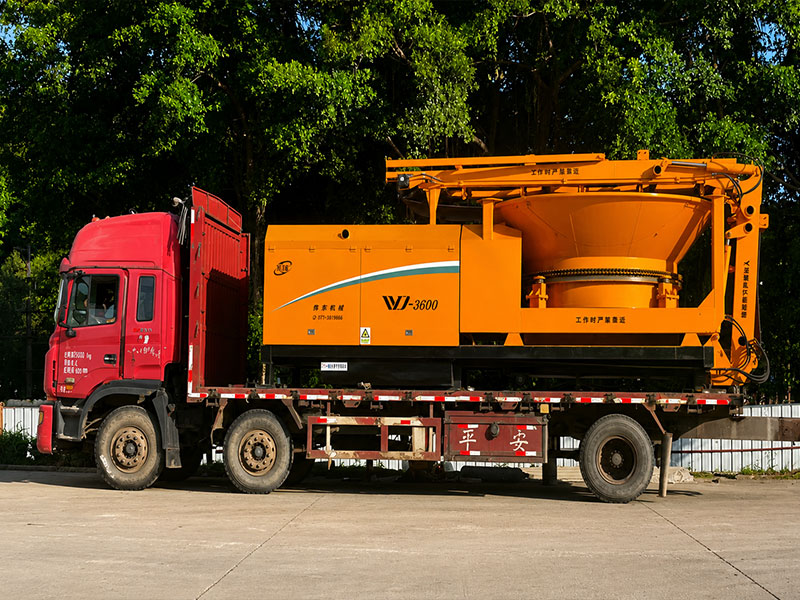
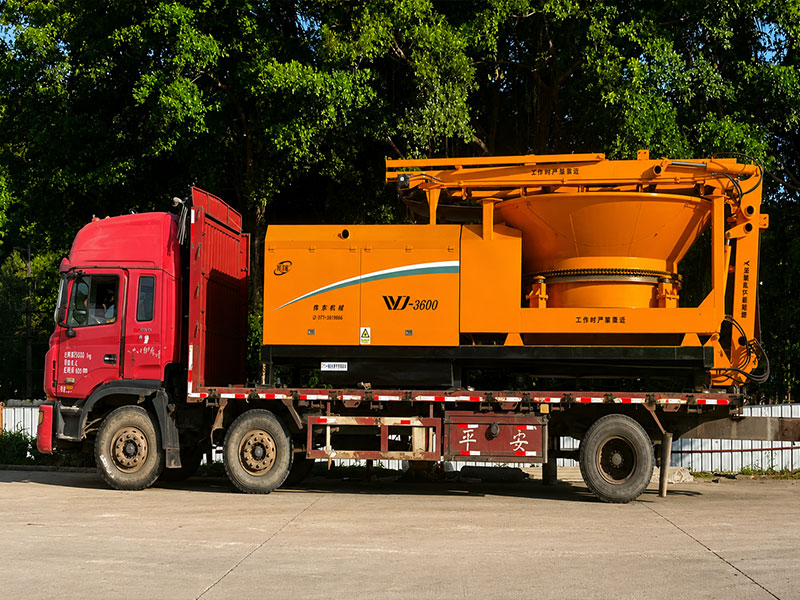
For example, the WD3600T trailer type and WD3600C crawler type both offer 25–40T/hour capacity with 408KW power. On paper, that looks similar. But if one site needs frequent repositioning and another does not, the hourly job cost can change a lot. I always tell clients that hourly cost is really “operating system cost.” It includes machine design, site flow, raw material, and operator habits. When all of those line up, the grinder makes money. When they do not, even a big machine feels expensive.
Analyzing Fuel Consumption: Real-World Data for High-Capacity Grinders?
Fuel expense is usually the first cost operators feel every day. If the machine is not matched to the material and output target, diesel cost can eat margins fast.
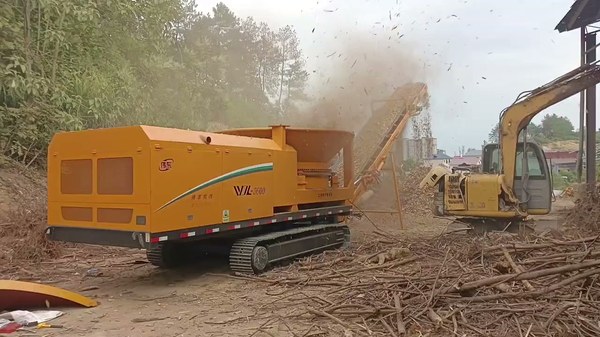
For WeiDong’s high-capacity WD3600T and WD3600C tub grinders, the stated fuel consumption rate is 20–40 liters per hour, with capacity rated at 25–40 tons per hour. That means fuel cost per ton can vary widely depending on feedstock consistency and how close the machine runs to full output.
I like to make fuel cost easy to understand for buyers. I do not just give the liters per hour figure. I also ask what output they expect in real field conditions. A grinder using 30 L/H may sound expensive at first. But if it is producing 35 tons per hour, the fuel cost per ton is far better than a smaller or unstable machine that burns less per hour but also delivers much less output.
Here is a simple way I explain it:
| Example Running Point | Fuel Use | Output | Fuel per Ton |
|---|---|---|---|
| Light load | 20 L/H | 25 T/H | 0.80 L/T |
| Mid load | 30 L/H | 30 T/H | 1.00 L/T |
| Heavy load | 40 L/H | 40 T/H | 1.00 L/T |
| Poor feed condition | 35 L/H | 20 T/H | 1.75 L/T |
This is why raw material flow matters so much. A machine that is starved, overloaded, or fed mixed bad material will often waste fuel. The WD3600T has a 420L fuel tank, and the WD3600C has a 310L fuel tank, so run time planning also matters on long shifts. In my own work, I have seen clients lower real fuel cost just by improving feed consistency and choosing the right roller assembly for the job. Good operation is as important as good horsepower.
The Impact of Material Selection on Throughput and Energy Efficiency?
A tub grinder can look powerful on paper and still perform poorly on the wrong material setup. That gap often causes surprise fuel cost and low output on site.
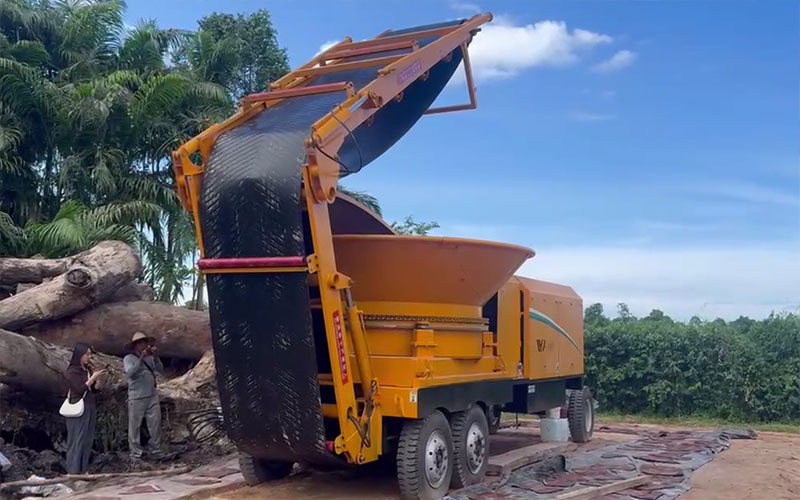
Material type directly affects throughput and energy efficiency. The knife roller assembly is suited for tree roots, branches, bark, and straw, while the hammer roller assembly is better for biomass raw materials such as templates, demolition materials, and bark. Matching the roller to the feedstock helps maintain output and control energy use.
This is one of the most important cost topics, and many first-time buyers miss it. They ask, “How many tons per hour can this grinder do?” I answer with another question: “What exactly are you feeding?” That is because output is not only machine power. Output is power plus material match.
The reference data gives a clear starting point. Knife rollers are suitable for tree roots, branches, bark, and straw. Hammer rollers are suitable for biomass raw materials such as templates, demolition materials, and bark. This tells me that the machine should be configured around the feedstock, not just around the nameplate capacity.
| Material Type | Better Configuration | Cost Effect |
|---|---|---|
| Tree roots | Knife roller | Better cutting efficiency, steadier output |
| Branches | Knife roller | Lower wasted energy on clean woody feed |
| Straw | Knife roller | Better flow and cleaner size control |
| Templates | Hammer roller | Better handling of harder mixed biomass |
| Demolition wood | Hammer roller | Better durability in rougher feed |
| Mixed bark | Depends on condition | Setup choice affects wear and throughput |
When I help clients choose, I do not just think about whether the machine can process the material. I think about whether it can process it at a profit. A bad match can reduce throughput, increase vibration, raise fuel use, and wear out parts early. A good match gives smoother feeding and more useful tons per hour. That is how energy efficiency becomes real money.
Optimizing Maintenance Costs: How Design Features Reduce Downtime?
Maintenance costs do not only come from spare parts. They also come from every hour the grinder sits still while your crew waits and your production stops.
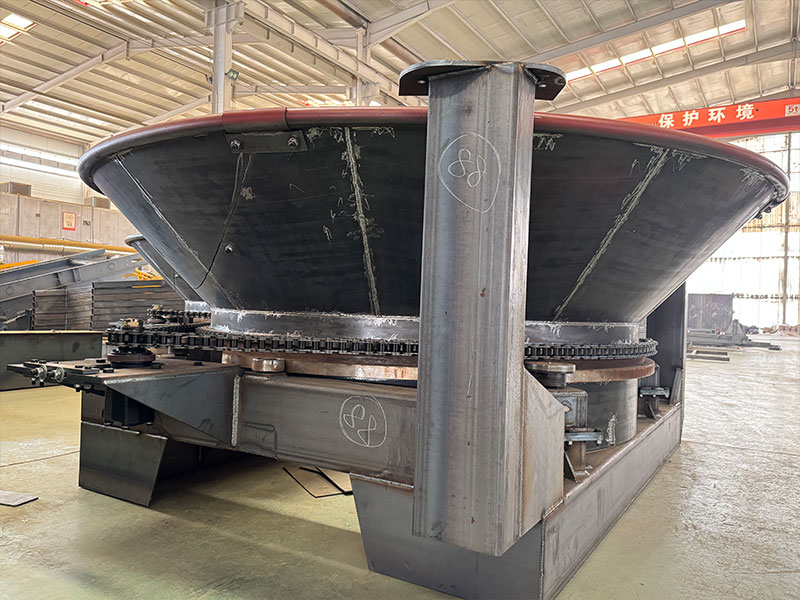
Maintenance cost can be reduced by service-friendly design. WeiDong materials note that the workbench can be turned over 90 degrees for cleanup and convenient maintenance, and some cutter components are designed for easier replacement and reuse, which helps lower service time and replacement expense.
I have spent enough time around heavy machines to know that “easy maintenance” is not a marketing phrase. It is a cost-control tool. If a crew can inspect, clean, and replace wear parts faster, the machine gets back to work sooner. That matters just as much as diesel price.
The reference materials mention that the workbench can be turned over at 90 degrees for cleaning materials, which makes maintenance more convenient. That is useful in real yard conditions because buildup is common in grinding work. They also mention service-friendly cutter-related design details, including easy replacement and reuse-oriented adjustment that can save the user from buying a full cutter roller and blade combination too early.
| Design Feature | Benefit | Cost Impact |
|---|---|---|
| 90-degree turnover workbench | Easier cleanup and access | Less maintenance time |
| Adjustable/reversible cutter use | More use from wear components | Lower parts expense |
| Easy replacement design | Faster service | Less downtime |
| Durable main pulley material | Less deformation and damage risk | Lower long-term repair cost |
In my own way of evaluating machines, I always ask how fast a team can clean it, inspect it, and change wear parts. A machine with poor access can cost more in one season than the buyer expected. A machine designed for service can protect output every week. That is why I never separate maintenance from profitability.
Choosing the Right Configuration: Knife Rollers vs. Hammer Rollers for Cost Control?
Using the wrong grinding assembly can push up fuel burn, wear rates, and downtime. Many operating cost problems start with a bad configuration choice, not with the engine.
Knife rollers are best for tree roots, branches, bark, and straw, while hammer rollers suit templates, demolition materials, and other biomass raw materials. The lower-cost choice is the one that matches the feedstock, because the right roller helps protect throughput and wear-part life.
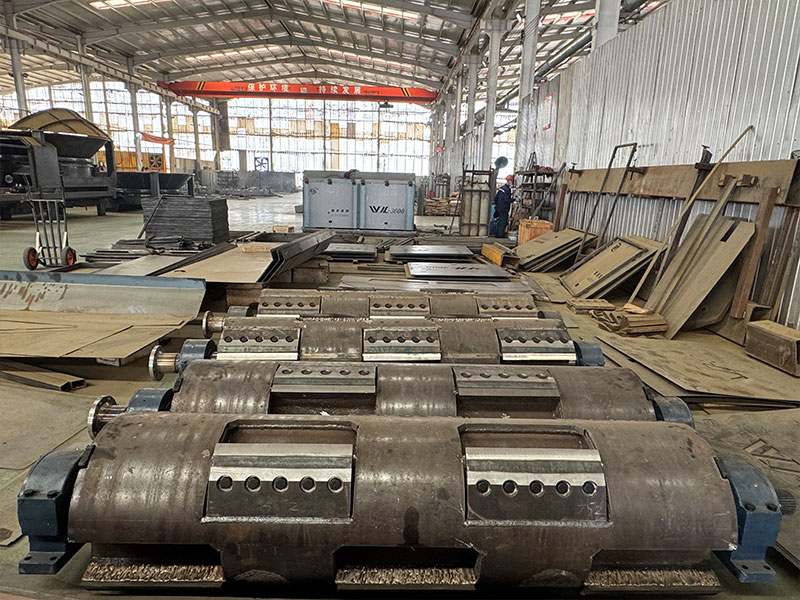
I always explain this in simple terms. Do not ask which roller is cheaper by itself. Ask which roller is cheaper for your material over one year of work. That is the real question.
A knife roller often works well when the material is more natural and fibrous, like roots, branches, bark, and straw. A hammer roller often makes more sense for tougher biomass inputs like templates and demolition materials. If I force the wrong setup onto the wrong feedstock, I may still get output, but I usually pay for it in fuel, wear, or unstable production.
| Roller Type | Best For | Main Cost Advantage |
|---|---|---|
| Knife roller | Roots, branches, bark, straw | Better cutting efficiency on cleaner woody feed |
| Hammer roller | Templates, demolition materials, biomass raw materials | Better handling of rougher, mixed feed |
From my side, this is not just a parts decision. It is an operating strategy. If a client processes one material all year, I suggest optimizing for that material. If a client runs mixed waste streams, I suggest a setup that protects machine life and avoids constant changeovers. The cheapest hour is usually the hour with stable feeding, stable power draw, and the right tool doing the work.
The Economic Advantages of Professional-Grade Grinders: Why Reliability Matters?
A grinder that stops often can destroy profit even if its purchase price looks attractive. Cheap instability often becomes expensive production loss.
Professional-grade grinders offer economic value through stable performance, durability, lower cost of use, and stronger resale or transfer value. WeiDong materials describe good reputation in low use cost, good production profit, decades of use, and high transfer price, all of which support lower lifetime ownership cost.
I have seen this many times in export business. A buyer compares two machines and chooses the lower quote. Then six months later, the real comparison begins. Can the machine hold output? Can it survive harsh feed? Can parts be changed fast? Can it keep working in rough site conditions? That is where professional-grade equipment starts to show its value.
The brand materials say the machines are known for high efficiency, stability, and reliability. They also point to low cost of use, good production profit, decades of use, and high transfer price. To me, these are not soft benefits. They are direct economic factors.
| Reliability Factor | Business Effect |
|---|---|
| Stable production | More saleable output per shift |
| Lower use cost | Better hourly margin |
| Long service life | Lower replacement pressure |
| Better transfer value | Stronger asset value later |
I often tell clients that reliability is a hidden income stream. It does not always show in the first invoice, but it shows clearly across years of production. If a grinder avoids downtime and keeps predictable output, the whole yard runs better. Labor is used better. Trucks wait less. Fuel is used on production, not on repeated restarts and idle time.
Comparing Trailer vs. Crawler Chassis: Operational Flexibility and Cost-Effectiveness?
The wrong chassis can create hidden operating costs through wasted movement time, site delays, and extra handling equipment. Mobility should match the way the yard really works.
The WD3600T trailer type is suited for short-distance movement and can be towed, while the WD3600C offers a remote-control self-propelled crawler chassis option for sites where the machine must move frequently. The more cost-effective chassis depends on site layout and movement needs.
This choice is more important than many buyers think. On paper, both the WD3600T and WD3600C share the same 408KW power and 25–40T/hour capacity, with fuel consumption rated at 20–40L/H. So some people assume the cost result will also be the same. In real work, that is not always true.
The WD3600T is a standard trailer type and is suitable for short-distance movement. The WD3600C can be equipped with a remote-control self-propelled crawler chassis if the site needs frequent movement. That one feature can change labor needs, repositioning time, and feeding logistics.
| Chassis Type | Best Use Case | Cost Advantage |
|---|---|---|
| WD3600T Trailer Type | Stable yard, short moves | Lower complexity for fixed or semi-fixed work |
| WD3600C Crawler Type | Frequent moves, changing yard positions | Saves time and handling effort on dynamic sites |
When I help clients choose, I first ask how many times per shift the machine must move. If the answer is “almost never,” a trailer type may be enough. If the answer is “many times,” then crawler mobility may save more money than it costs. Good chassis choice is not about features. It is about reducing dead time.
Strategic Investment: How WeiDong Machinery Maximizes Your Return on Investment (ROI)?
Buyers often chase the lowest machine price and miss the bigger profit picture. ROI comes from throughput, uptime, service life, and fit for the job.
WeiDong Machinery improves ROI by combining high-capacity designs like the WD3600T and WD3600C with stable performance, material-matched roller options, service-friendly maintenance features, and chassis choices for different sites. These factors help control hourly cost and support long-term production profit.
As Micheal from WDMachines, I look at ROI in a very practical way. I do not start with slogans. I start with production hours, tons processed, fuel used, and downtime avoided. That is how I help clients make better buying decisions.
WeiDong has built its name around tub grinders, wood crushers, and wood chippers, with a long development path and a reputation for high efficiency, stability, and reliability. For tub grinder users, the WD3600T trailer model and WD3600C crawler model give buyers two strong configurations, both with 25–40T/hour capacity and 408KW power . Then the machine can be matched further by roller assembly and movement style.
My view is simple. ROI improves when:
the machine matches the feedstock,
the chassis matches the site,
maintenance is faster,
uptime stays high,
and the machine keeps asset value over time.
That is why I do not sell tub grinders as just equipment. I present them as production tools. A professional-grade machine that runs steadily in harsh environments protects your margin every hour. That fits exactly with what we stand for at WDMachines: ultimate stability for the harshest environments.
Conclusion
The real hourly cost of a tub grinder depends on fuel, output, material, maintenance, mobility, and reliability. In my experience, the right WDMachines setup is what turns cost control into profit.