Welcome to Weidong Machines
Horizontal Grinder Cost for Whole Trees: Budget and ROI Factors
A whole-tree horizontal grinder budget should measure the cost of making accepted woody product, not just the purchase price of the machine. The investment boundary includes tree preparation, loading, grinding, product handling, transport, service and the workdays available. A useful return analysis keeps measured results, written quotations and estimates visibly separate. It does not promise a universal price, hourly fuel number or payback period.
Define the business case and the output unit
State whether the project sells biomass fuel, makes mulch feed, reduces bulky material before haulage or serves another outlet. Record contract volume, quality, delivery pattern and payment unit. Wet mass, dry mass and loose volume cannot be substituted without a measured conversion. Rejects and oversize sent through a second pass consume money but do not create new incoming tonnes. Use receiver-accepted quantity as the denominator for unit cost. If there is no confirmed buyer, show disposal or internal-use value as a scenario, not booked revenue.
Price the delivered equipment configuration
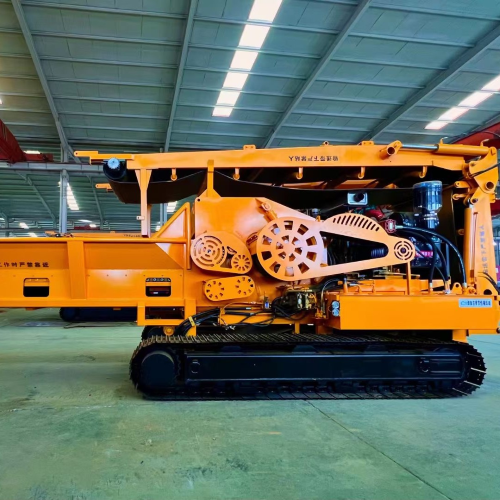
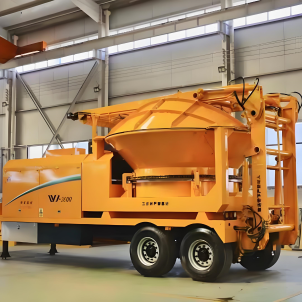
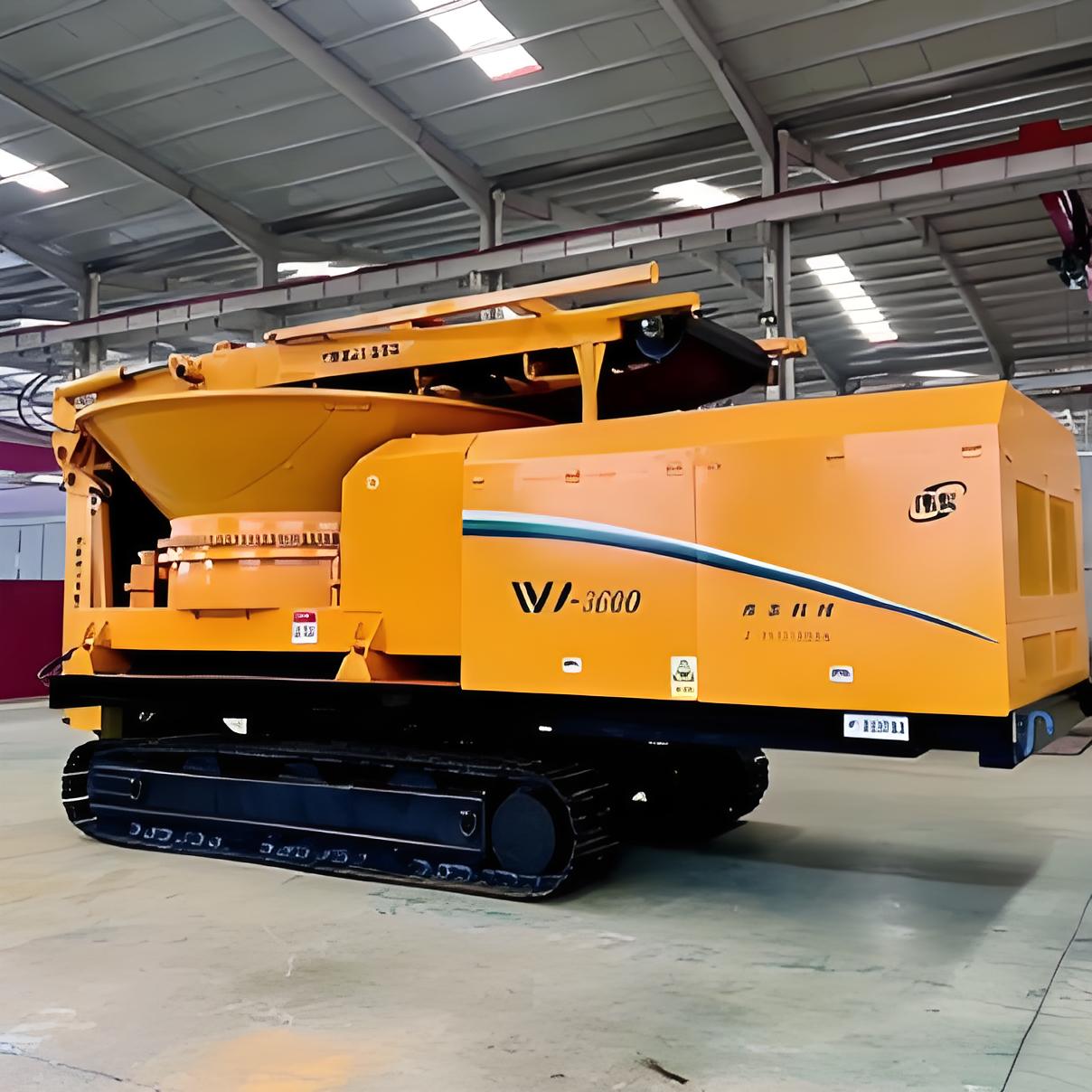
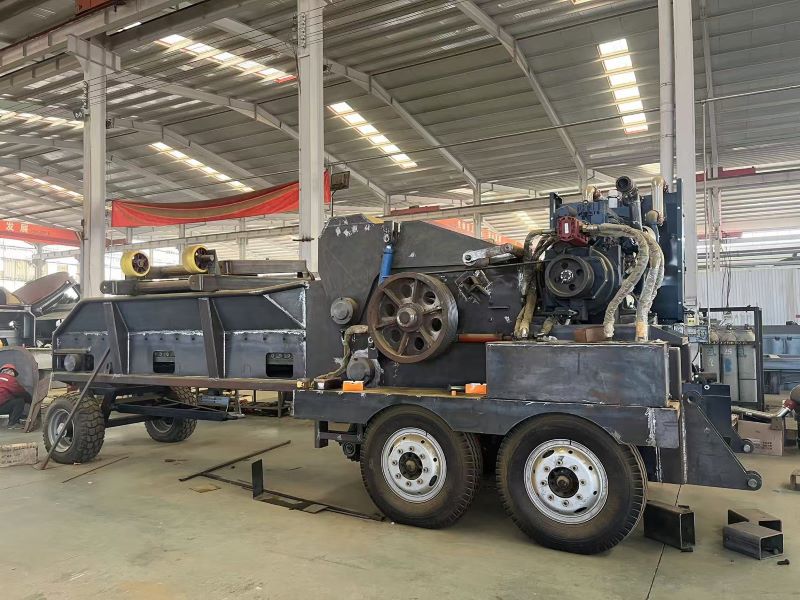
Ask for an itemized grinder quotation with model, drive, infeed, screens, wear package, discharge, safety equipment, initial spares, freight, commissioning and training. Identify taxes and exchange-rate dates where relevant. Compare the exact scope, not broad category labels. The horizontal grinder product range helps start the discussion; the budget needs the supplier’s actual configuration and exclusions. Include transport or permitting equipment when the machine will move between landings. Do not assume an optional component is included because it appears in a product photograph.
Cost the material preparation and loader
Whole trees may require felling coordination, cutting to a permitted size, removing root balls, untangling crowns and separating contamination. Record who performs each step and the equipment used. Add grapple, loader, operator, fuel and travel time. If the loader also moves product or loads trucks, allocate its hours once across those duties. A faster grinder may increase the need for a second loader or more stockpile room. The whole-tree selection guide explains why loading geometry must be tested with the chosen infeed.
Include site and relocation costs
List ground preparation, access roads, turning space, drainage, fire provisions, lighting, barriers, fuel or power service and the output yard. For mobile campaigns, add move frequency, loading and securing, transport permits where required, setup, inspection and restart time. A low site-preparation estimate at one landing can be overwhelmed by repeated moves to short campaigns. Compare a central yard and mobile operation over the same collection radius and period. Use local quotations for civil work, haulage and labor rather than carrying a zero for an unknown row.
Measure operating costs under real feed
Collect actual fuel or power data for a representative lot and state whether the meter covers active grinding or the gross shift. Include lubricants, scheduled service, wear parts, qualified labor, insurance where applicable and contingency for exceptional contamination damage. Record part number and cause when something is replaced. The whole-tree capacity worksheet connects cost to gross-window accepted output. Do not turn a short clean-stem demonstration into an annual energy or wear forecast without a range and a review trigger.
Compare ownership with contracting
For ownership, include financing or capital recovery, expected operating days, storage, staffing, parts and residual-value assumptions. For a contractor, list mobilization, minimum charge, included loader work, rejected loads, product handling, waiting time and who provides the site. Normalize both offers to the same accepted product quantity and quality. An annual ownership average should not be compared with a single contractor day unless fixed costs and idle periods are treated consistently. Ask every bidder to state what is excluded and when the price expires.
Build three cases that expose uncertainty
Create low, central and high cases for eligible tree fraction, preparation time, gross operating hours, accepted yield, haulage distance and unplanned stops. Change one assumption at a time to see which controls the result. Show total cash needed and cost per accepted unit. The cases should use observations and quotations where available and label the remaining estimates. If the low case breaches a delivery commitment, investigate before describing a positive return. A single optimistic rate can conceal the investment’s main risk.
Treat ROI as a testable claim
Value may arise from a sale, avoided disposal, reduced transport volume or replacing purchased material. Each benefit requires a baseline and a destination that will actually accept the product. Deduct collection, processing, transport and working capital. A horizontal wood grinder overview can help compare approaches, but it does not set project revenue. State the horizon, discount or capital-recovery method and unresolved evidence. Show how payback changes when the outlet price, accepted yield or available days changes.
Keep an auditable assumption register
Beside every estimate, note its source, date, unit, owner and next check. Identify whether it came from a scale ticket, a measured trial, a supplier offer, an operator interview or a planning allowance. Update the model when a new tree species, wetter season, altered screen or distant outlet changes the duty. Preserve older versions so a reviewer can see why the preferred configuration changed. This small discipline is more useful than adding precision to numbers that were never measured, and it makes later operating reviews much easier.
Release a quote request with evidence
Send tree photographs, size distribution, contamination rules, site drawing, loader details, available hours and accepted-product specification through the WDMachines contact page. Ask for an itemized configuration, test method, support scope and written exclusions. Keep the budget versioned so the team can replace assumptions with actual trial results and quotations. The decision should be reviewable by operations, maintenance and purchasing, with no hidden conversion from nominal machine rate to guaranteed saleable output.