Welcome to Weidong Machines
Horizontal Grinder Cost for Logging Slash: A Buyer Comparison Guide
Horizontal grinder cost for logging slash is more than the purchase price of a machine. Buyers need a configuration that handles branchy tops, fits the site, and produces material a receiver accepts. A proposal with a lower price may exclude the loader, screen, spare parts or commissioning that another proposal includes. This guide shows how to compare equipment offers and operating assumptions without inventing a universal price or throughput.
Define the material and commercial goal
Describe where the slash comes from, how much is available, and whether the project is a one-time cleanup or a continuous supply program. Record long limbs, tangled crowns, foliage, dirt-bearing wood and any suspected metal or wire. State the product destination and its particle-size, moisture and contamination rules. A grinder selected for mulch may require a different output arrangement from one serving a biomass fuel contract. The logging slash selection guide helps turn feed and outlet conditions into an equipment brief.
Compare complete machine configurations
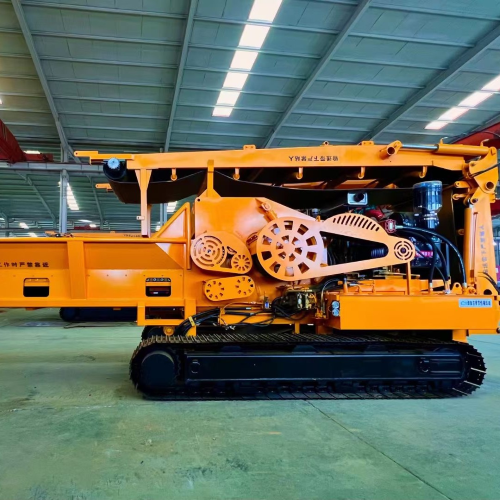
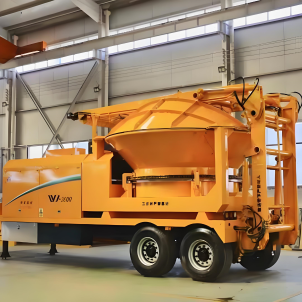
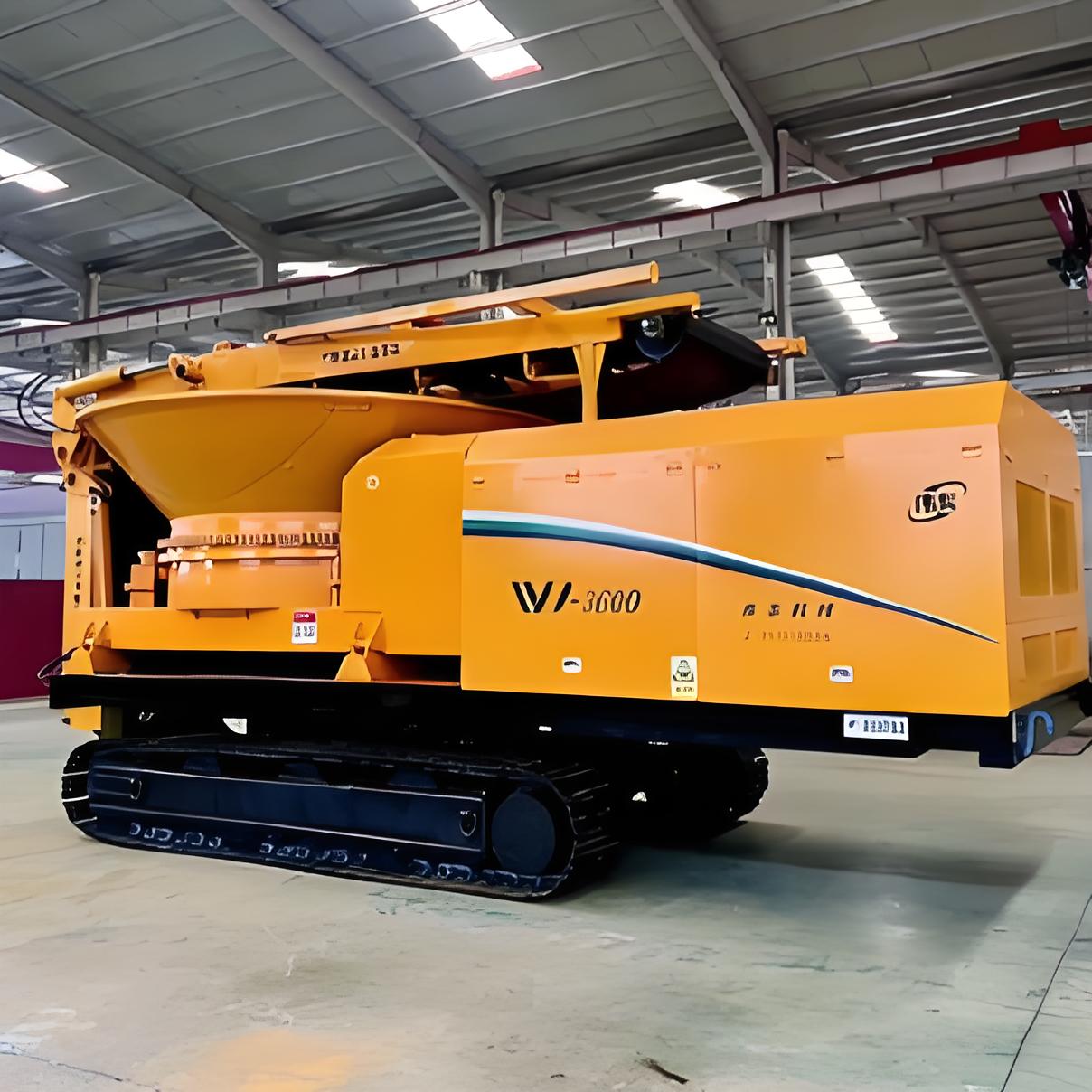
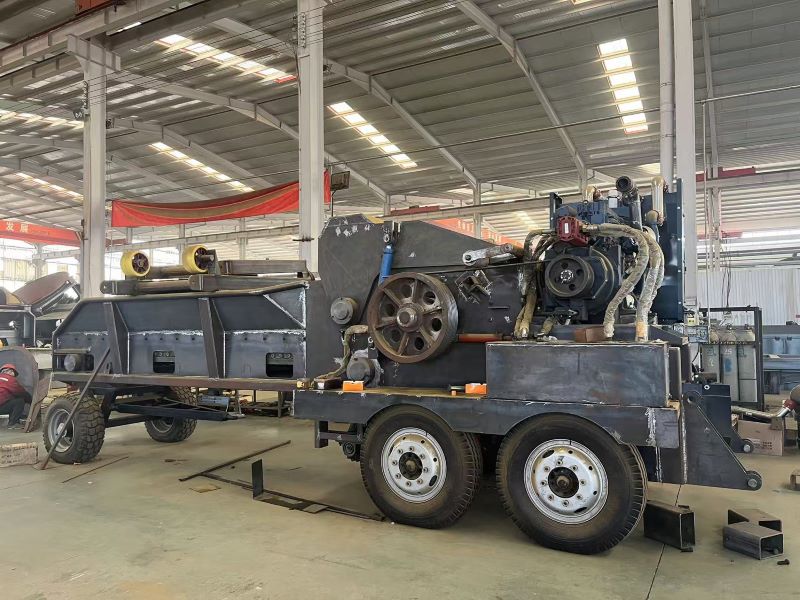
Ask every supplier to name the exact model, feed opening, power source, rotor and screen options, discharge arrangement, chassis, control system and included safety equipment. Confirm which choices are standard and which are extra. Do not assume two machines with the same engine rating will deliver the same accepted product from a branchy pile. The horizontal grinder product range provides configuration context; the quoted bill of supply is the document that controls the comparison.
Measure the needed production boundary
Separate incoming slash, material eligible for the grinder, feed presented by the loader and receiver-accepted product. Record units and whether tonnes are wet or dry. Compare proposals on accepted product per practical working hour, using a representative trial or a clearly labeled estimate. An advertised peak input rate is not the same as a full-shift accepted-output rate. The logging slash capacity worksheet explains how to measure the supply and work window before choosing a size band.
Include loading and output support
A quotation should identify who provides the loader, operator, sorting area, fuel or electrical supply, discharge conveyor, stockpile handling and output trucks. Branchy slash can require time to separate, orient and feed safely. If the same loader removes output, count both duties. A machine may be able to process more material than the site can present or haul. Note turning space, ground condition, truck queue and service access. The right purchase is the line that fits the complete site workflow, not merely the largest isolated machine.
Ask how screens and quality affect cost
Require the proposed screen and any planned regrind method to be stated. A smaller aperture can change particle distribution, fines, time and wear. Ask for an acceptance test that samples product across a representative run rather than from one favorable handful. Record what happens to oversize and rejected material. If the receiving contract is not final, request options for more than one output specification. Each alternative should show its own screen, service and expected work-time assumptions.
Compare ownership and operating lines
List purchase or rental charge, financing if applicable, transport, installation, training, fuel or electricity, operators, routine maintenance, consumables, insurance and spare stock. Use current written quotes for monetary values. Keep supplier estimates separate from measured trial data and from buyer assumptions. Ask whether wear parts, screens, belts and on-site service are included, and for what period. Do not assume another project's maintenance interval applies to soil-bearing slash. The whole-tree cost guide shows a related comparison structure, but logging slash needs its own feed and outlet evidence.
Price mobility honestly
If the machine will visit multiple landings, include transport vehicles, permits where required, setup, breakdown and the movement of loaders and support crew. A fixed installation may avoid repeated moves but require bulky slash to be hauled to a central yard. Compare the two options using the same material quantity and accepted-output rule. A tracked machine, road trailer and stationary line solve different access problems. Ask the supplier to confirm actual transport dimensions and the site ground conditions for the proposed configuration.
Request an evidence-backed demonstration
Prepare a representative slash lot, including difficult pieces, and agree the loader, screen, output sample method and time log before the run. Record eligible input, accepted output, idle and clearing time, fuel or power, wear observations and rejected material. A short clean-feed demonstration should be labeled as such. Keep photographs and measurement tickets with the supplier's written configuration. If a quote relies on a result from another site, ask how its material and outlet compare with yours.
Use a side-by-side quotation sheet
Exact machine model, chassis and included options.
Feed dimensions and excluded contaminants.
Screen, output rule and acceptance-trial method.
Loader, operator, discharge and truck responsibilities.
Delivery, installation, training and service scope.
Wear parts, spares and current price validity.
Practical accepted output under stated assumptions.
Items excluded from the supplier's total price.
Keep the quotation sheet dated. If the supply mix changes from clean crowns to soil-bearing roots, ask for a revised trial and a revised wear assumption rather than silently carrying over the old comparison. If the receiver changes the product size rule, review screen, regrind and truck loading together. Write down who owns each assumption and which document confirms it. This makes later purchase approval and contract negotiation easier to audit.
Compare the complete scope and a conservative work-window case before ranking offers. A horizontal wood grinder overview can help align the purchasing team on equipment terms. Send the slash description, outlet rule, site map and comparison sheet through the WDMachines contact page to request a configuration review and current quotation.