Welcome to Weidong Machines
How to Choose a Tub Grinder for Land-Clearing Roots
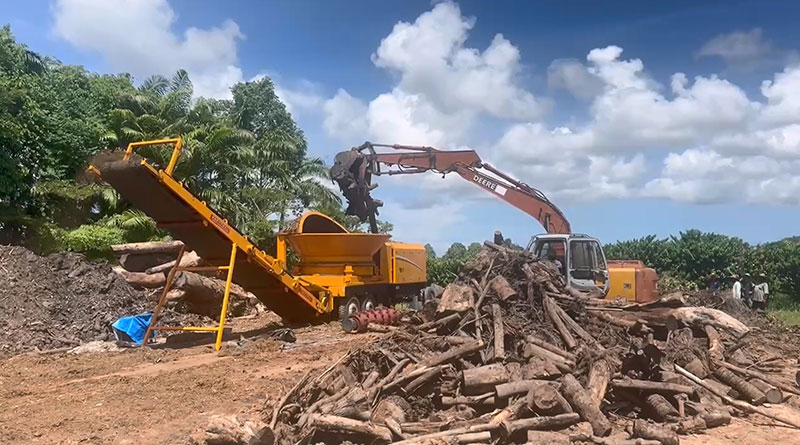
<p><strong>Choosing a tub grinder for land-clearing roots begins with a written feed envelope, not a horsepower comparison.</strong> Root balls vary in diameter, shape, retained soil, stone and metal risk, moisture, and the amount of trunk or branch material attached. A buyer should document those variables, define the required finished product, and require a representative trial before treating any capacity figure as applicable to the project.</p>
<p>This procurement guide is for land-clearing contractors, biomass processors, and project owners comparing equipment for bulky roots and mixed woody debris. It does not assume that every root ball can enter a grinder as received. Preparation, contamination control, loader access, output handling, and safe operating space are part of the purchase decision.</p>
<h2>1. Describe the commercial feed, not the easiest sample</h2>
<p>Create a photo and measurement record from several normal loads. Include maximum and typical root-ball dimensions, attached wood length, moisture condition, visible soil, stones, wire or other metal, storage surface, and the proportion of roots compared with brush and logs. The existing guide to <a href="https://www.wdmachines.com/technical-resources/how-to-handle-complex-raw-materials-from-tree-roots-to-construction-waste/">handling tree roots and complex raw materials</a> provides a useful material overview, but the quotation still needs project-specific evidence.</p>
<p>State how roots are lifted, shaken, cut, sorted, and staged before grinding. If the proposal depends on excavator cleaning, cutting oversize pieces, or keeping dirty and clean piles separate, include the labor and support equipment in the budget. A grinder quotation should not hide upstream preparation.</p>
<h2>2. Set an acceptance and quarantine rule</h2>
<table><thead><tr><th>Incoming condition</th><th>Buyer decision</th><th>Evidence to retain</th></tr></thead><tbody>
<tr><td>Known woody roots with controlled soil pickup</td><td>Eligible for representative trial</td><td>Source, photos, dimensions, preparation method</td></tr>
<tr><td>Heavy embedded soil or stones</td><td>Clean, separate, or reject before trial</td><td>Contamination photographs and corrected condition</td></tr>
<tr><td>Suspected wire, fencing, hardware, or unknown objects</td><td>Quarantine under the site procedure</td><td>Source and rejection record</td></tr>
<tr><td>Mixed roots, long trunks, and brush</td><td>Separate test lots or define the mixture</td><td>Mass or volume share by material class</td></tr>
</tbody></table>
<p>Do not let a numeric risk score override a prohibited-material rule. The purchaser should require the supplier to identify exclusions and the operator actions when the feed leaves the approved envelope.</p>
<h2>3. Compare the feeding concept with the material geometry</h2>
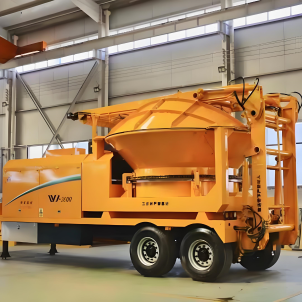
<p>Bulky, irregular roots may suit a tub-style receiving area, while long straight stems can favor a controlled horizontal feed. Mixed land-clearing work may require preprocessing or separate work streams rather than one compromise test. Review <a href="https://www.wdmachines.com/technical-resources/what-is-the-difference-between-a-tub-grinder-and-a-horizontal-grinder/">the tub-versus-horizontal grinder comparison</a>, then test the actual material instead of choosing by the general category name.</p>
<p>During the trial, record loader attachment, charge size, presentation angle, clearing behavior, bridging, stops, contamination removals, and discharge delays. Do not force material with the loader or change operating settings outside the manufacturer-approved procedure.</p>
<h2>4. Specify output by acceptance, not appearance</h2>
<p>Define the intended outlet: raw volume reduction, mulch feedstock, compost structure, biomass fuel preparation, or another approved use. Write the target size method, oversize rule, contamination limit, and whether a second pass is permitted. Soil retained in roots can affect ash and downstream acceptance, so clean-looking chips are not a substitute for the buyer's sampling and quality specification.</p>
<p>Use accepted output for comparisons: <strong>accepted output rate = mass meeting the written requirement / elapsed trial time</strong>. Report productive time and total elapsed time separately. This prevents a coarse, contaminated, or partly reprocessed output from appearing more valuable than it is.</p>
<h2>5. Select mobility from the work pattern</h2>
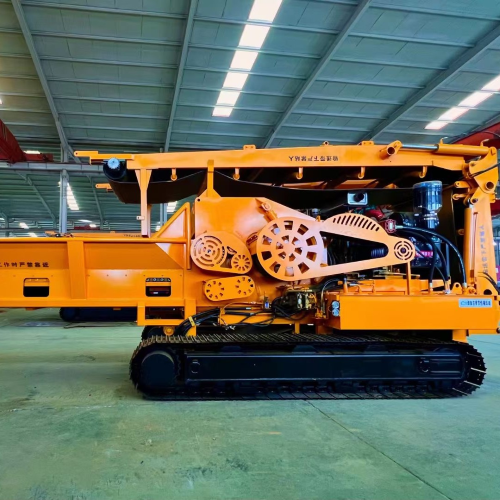
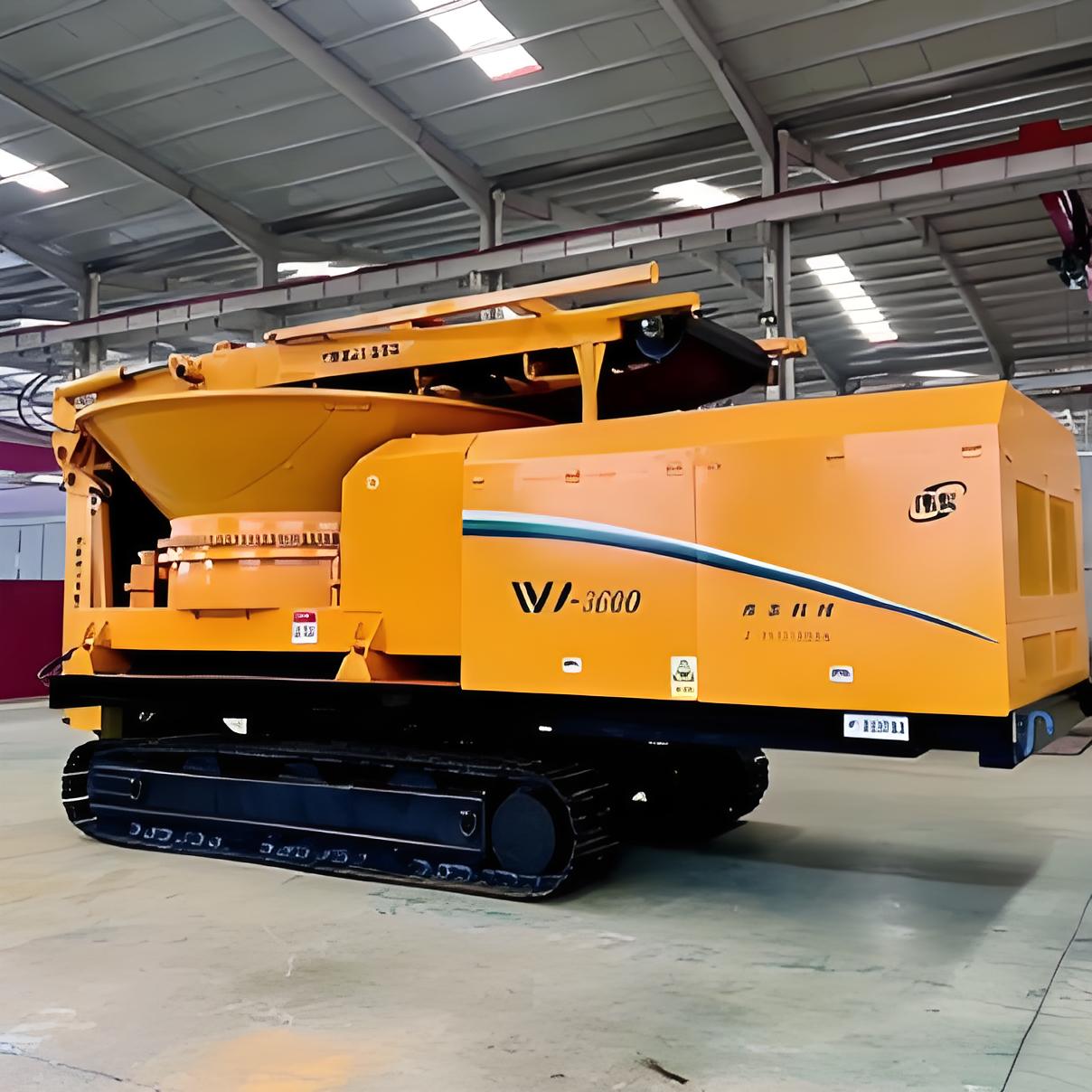
<p>A crawler configuration may be considered where the processing point moves within a clearing site and the approved ground condition supports it. A trailer arrangement may fit projects with prepared access and frequent road moves. Neither description is a promise of access: turning space, slopes, bearing capacity, drainage, permits, transport dimensions, and recovery planning must be checked for the selected machine.</p>
<p>Use the <a href="https://www.wdmachines.com/product/tub-grinder/">tub grinder product range</a> only as a configuration starting point. Ask for the exact order specification, transport scope, loader requirements, discharge arrangement, fire controls, service access, and operator training.</p>
<h2>6. Require a reproducible acceptance trial</h2>
<ol><li>Prepare at least three representative lots and identify each one.</li><li>Fix the machine, screen, wear condition, loader, and operating configuration.</li><li>Weigh or otherwise measure input and accepted output consistently.</li><li>Time grinding, normal loading gaps, contamination stops, maintenance, and discharge delays.</li><li>Sample output using the written acceptance method.</li><li>Record rejected material and unprocessed oversize.</li><li>Repeat any comparison with one major variable changed at a time.</li></ol>
<p>The site's <a href="https://www.wdmachines.com/technical-resources/how-to-measure-wood-grinder-throughput-site-test/">wood grinder throughput test method</a> explains gross and net timing. Apply it to roots without presenting one demonstration rate as a universal capacity.</p>
<h2>7. Put support obligations into the purchase file</h2>
<ul><li>Feed envelope, exclusions, and preparation responsibilities.</li><li>Machine identity, options, screen, tools, and approved wear limits.</li><li>Pre-start, event-triggered, and maintenance inspection requirements.</li><li>Recommended parts for the selected configuration and destination.</li><li>Remote-support evidence: photos, measurements, alarm text, and lot records.</li><li>Training, commissioning, warranty reporting, and escalation contacts.</li></ul>
<h2>Use one buyer comparison sheet</h2>
<p>Ask every shortlisted supplier to answer the same fields: accepted and excluded root conditions, preprocessing assumed, trial configuration, loader and operator included, output acceptance method, productive and elapsed time, contamination response, transport scope, service access, parts list, training, and evidence required for warranty support. Mark any unanswered item instead of filling it with an assumption. Attach the representative feed file to every request so suppliers are evaluating the same project. A lower quoted machine price is not directly comparable when another offer includes cleaning equipment, commissioning, transport preparation, or a different output requirement.</p>
<p>The engineering article on <a href="https://wdmachinary.com/which-wood-grinder-is-better-for-tree-roots-branches-and-green-waste/">choosing equipment for roots, branches, and green waste</a> offers a second technical perspective. For a quotation, send representative root photos, dimensions, contamination observations, output requirements, site access, loader details, and planned hours through the <a href="https://www.wdmachines.com/contactus/">WDMachines inquiry page</a>. The useful purchase result is a documented process boundary and test plan—not an unsupported promise that every root can be ground as received.</p>