Welcome to Weidong Machines
How to Choose a Tub Grinder for Orchard Prunings
Choosing a tub grinder for orchard prunings is a purchasing decision with several gates: suitable feed, an accepted product, a workable site, a representative trial and clearly defined supplier support. A quotation that lists only a model and nominal capacity leaves too much unresolved. This buyer's guide explains what to request at each gate so an orchard owner or contractor can compare offers on the same basis.
Gate one: define the purchase scope
Write a short description of the job before requesting prices. Include the orchard sources, pruning operation, expected collection period and the destination for the processed material. Distinguish routine small-branch pruning from major limb removal, and identify any preparation included in the job. State whether the purchase covers only a grinder or also transport, a loading machine, commissioning and operator training.
Specify what completion means for the customer. Removing an unprocessed pile, producing accepted material and clearing the entire site are different commitments. If the customer expects the output to be used locally, obtain the relevant acceptance requirements rather than assuming that any reduced woody material will be suitable. Plant-health restrictions on reuse should be resolved separately by the orchard manager using appropriate local guidance.
Gate two: disclose the real material range
Provide photographs and representative measurements of branch geometry, including forks and tangled bundles. Record the collection method, storage history, leaf content and visible non-wood components. A clean sample of straight branches may understate the preparation required for material collected from a rough orchard floor. Conversely, unsuitable feed should not be introduced to demonstrate a machine's tolerance.
Ask each supplier to state the permitted feed boundary and any required preparation in writing. If moisture is measured, identify the method and reporting basis. If quantity is estimated from loose volume, keep that unit visible rather than converting it to tonnes without supporting measurements. The orchard biomass selection guide provides a framework for connecting these inputs to the output destination.
Gate three: confirm the complete site arrangement
Request configuration drawings showing the operating arrangement, not just transport dimensions. Identify the loading machine, incoming holding area, discharge, output collection and required access. Check the proposed ground and transport arrangements with the appropriate competent parties. A crawler or trailer choice does not remove the need to establish how equipment reaches the site and where it can operate.
Use a scaled layout and a schedule showing activities that compete for the same space or loader. If the operator must stop feeding to clear the output area, that interruption belongs in the project plan. The processing workflow planning guide helps identify these shared resources; the orchard material and site still need their own review.
Gate four: agree on demonstration evidence
Ask for a trial using representative permitted lots and the proposed support arrangement. Agree on quantity measurement, timing boundaries and output sampling before starting. Retain both active processing time and the elapsed time for the complete trial. Record preparation, waiting, repeat passes and interruptions. Do not substitute a selectively chosen high-rate segment for the complete result.
Define who accepts the output and how rejected or oversized material is counted. A large discharge pile is not proof of accepted production. If some material needs another pass, include the extra time and count the accepted material only once. Treat trial results as evidence for the documented conditions, not as a universal guarantee across different orchards, branch shapes and storage histories.
Gate five: normalize the quotations
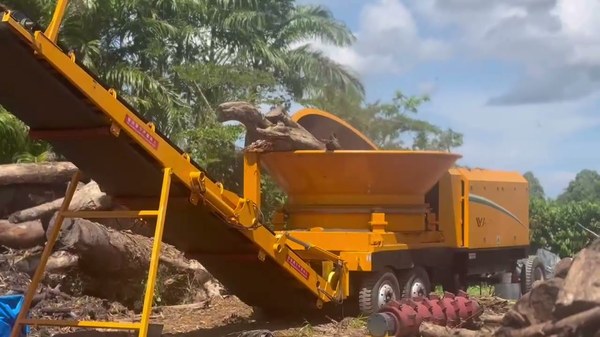
Put each offer into the same comparison sheet. Record the exact configuration, currency, quotation date, delivery basis and included services. Ask suppliers to identify exclusions rather than leaving them implied. A lower initial price may cover a different scope, so compare the delivered and supported arrangement needed for the job before drawing a conclusion.
| Quotation item | Question to ask | Document to retain |
|---|---|---|
| Machine configuration | Which feed, rotor, screen, discharge and chassis arrangement is quoted? | Configuration schedule tied to the offer |
| Support equipment | What must the buyer provide for loading and output handling? | Responsibility and interface list |
| Commissioning | Who attends, what is tested and what constitutes acceptance? | Agreed test and handover procedure |
| Service support | What training, parts information and response arrangements are included? | Written support scope and exclusions |
| Commercial basis | Which costs and delivery responsibilities remain outside the price? | Dated quotation and clarification record |
Gate six: budget for operation without fictional precision
Separate observed trial consumption from assumptions about long-term operation. Request wear-part identification, maintenance requirements and the resources needed to carry out authorized work. Do not invent a parts lifetime or cost per tonne from a single demonstration. Keep local labor, transport and supporting-equipment costs as buyer-specific inputs with their own quotations or measurement records.
The tub grinder budget and ROI framework explains why cost boundaries matter. For orchard work, replace its material assumptions with your own evidence. Record sensitivity to operating hours, relocation and output acceptance rather than presenting one precise return figure without the inputs needed to defend it.
Keep the accepted revision of the configuration and quotation together. If a proposed substitution changes the loader requirement, screen arrangement or discharge, ask for the affected trial and site assumptions to be reviewed. A model name alone does not identify every component that influenced the purchasing decision.
Release the order with unresolved items visible
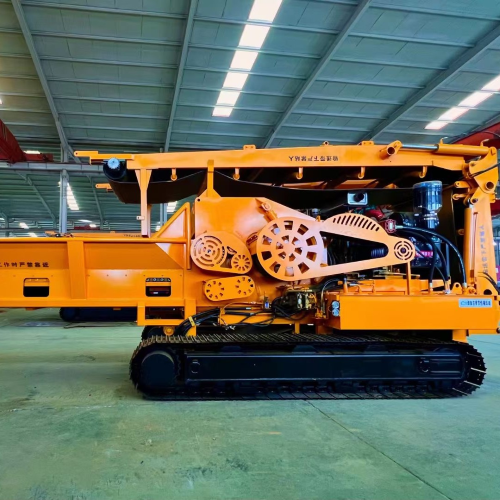
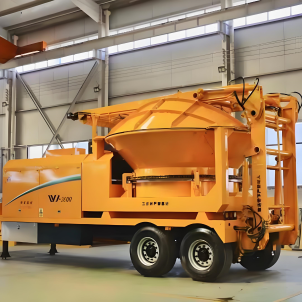
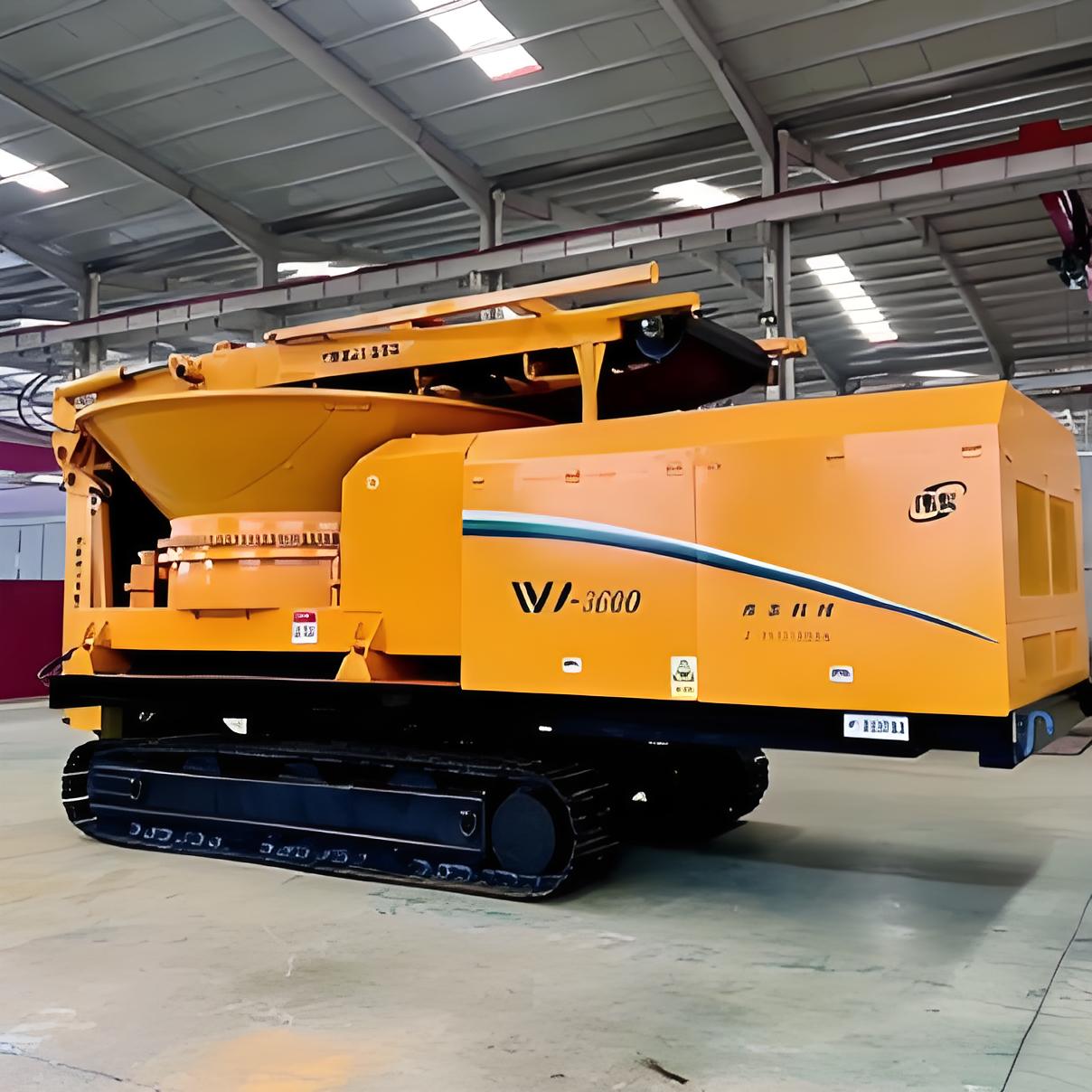
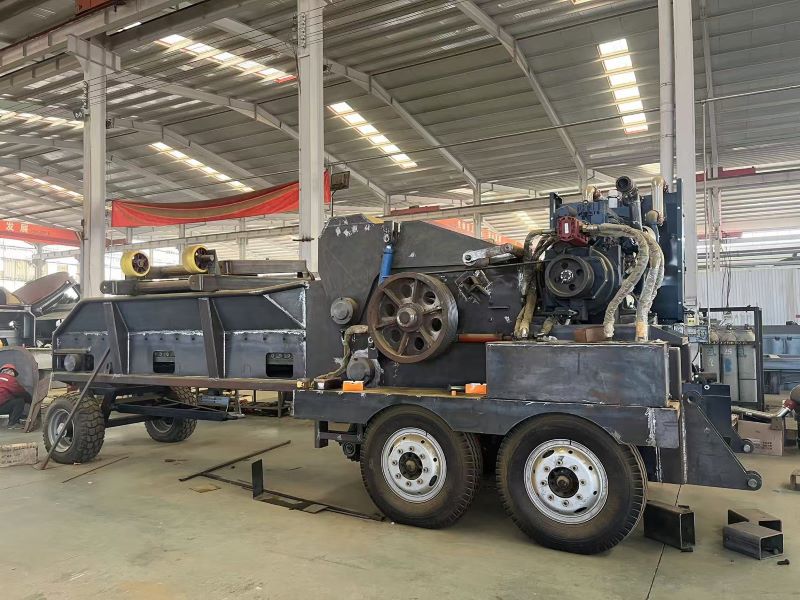
Use the tub grinder product category to begin the configuration discussion. Where another feed layout may fit better, the horizontal wood grinder overview offers a comparison starting point. Send the purchase brief and evidence through the project enquiry page. Before ordering, assign an owner and a resolution date to every open gate; a clear exception list is better than assuming silence means acceptance.