Welcome to Weidong Machines
Operating Costs Explained: How Much Does It Really Cost to Run a Horizontal Grinder per Hour?
Author: Micheal (Senior Sales Manager at WD Machines)
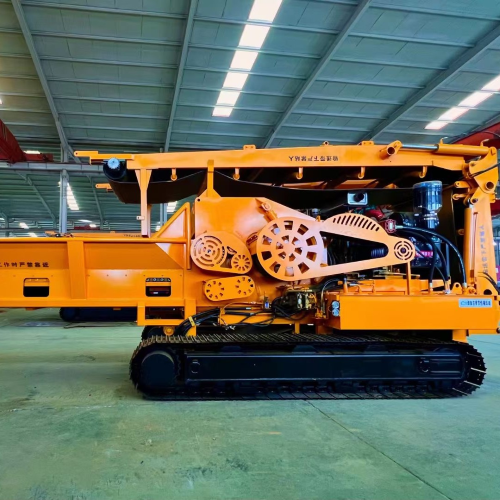
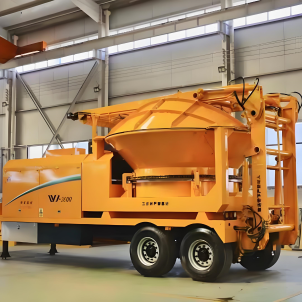
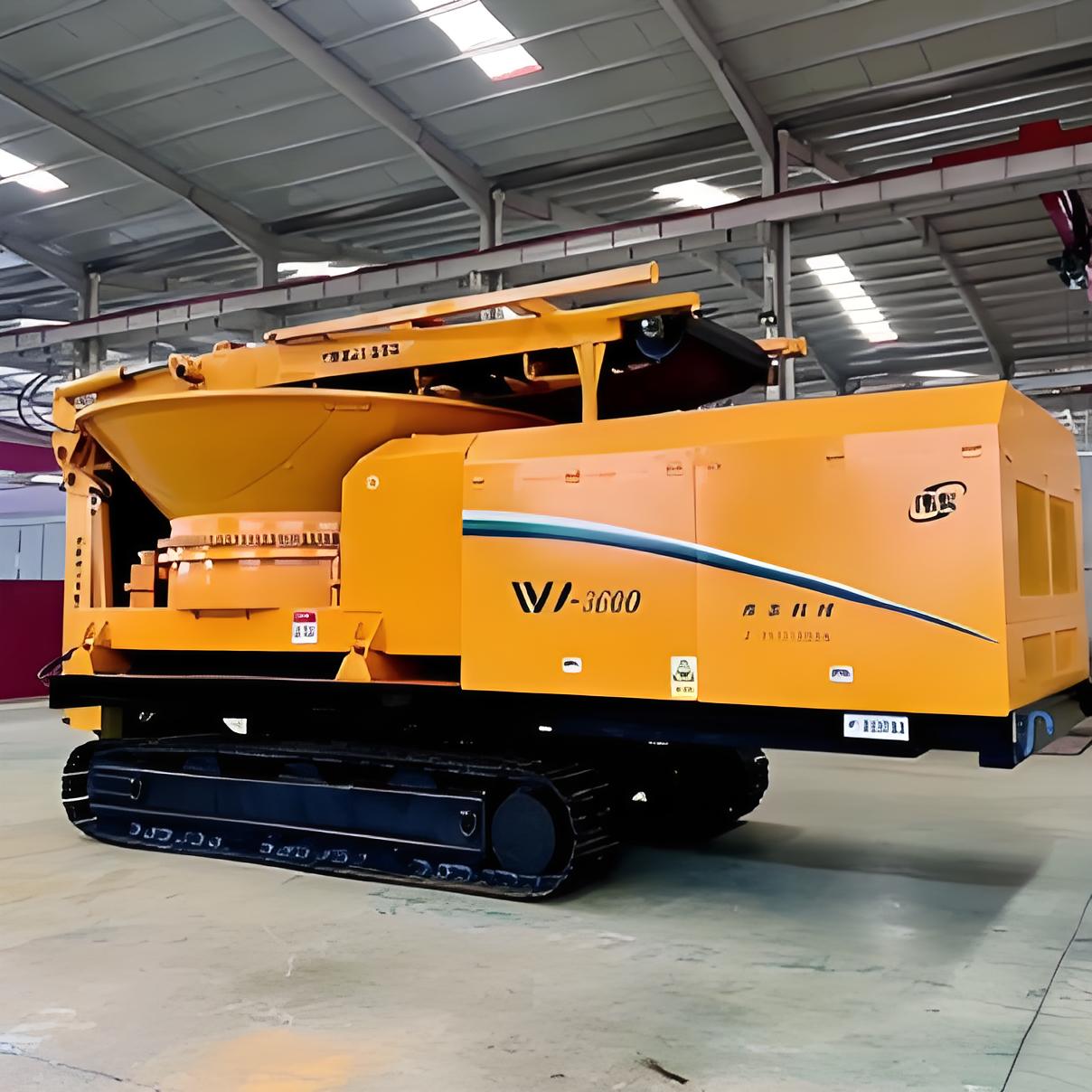
Calculating the true hourly operating cost of an industrial horizontal wood grinder requires evaluating several moving financial parts beyond your initial purchase price. To build a highly accurate per-hour operational model, you must calculate direct fuel or electrical utility expenses, labor rates for your equipment loaders, scheduled fluids and filtration maintenance, and abrasive wear-part consumption. Operating a premium, highly efficient machine like our WD1690 series optimizes these hourly costs by slashing fuel-to-tonnage consumption ratios and minimizing unexpected downtime. Ultimately, tracking your exact hourly running costs empowers you to quote commercial contracts with precision, protecting your profit margins and accelerating your machinery's total return on investment.
Introduction
Whenever a client contacts me at WD Machines to discuss acquiring a heavy-duty processing asset, they usually start by analyzing the upfront capital expenditure. But as an experienced sales manager who has helped set up biomass lines and land-clearing fleets across the globe, I always guide them to look deeper into the financial ledger. The real question that determines your long-term commercial survival isn't just what it costs to buy the machine; it’s: "Micheal, what does it actually cost me every single hour the rotor is spinning?"
Running a high-capacity horizontal wood grinder involves intense mechanical forces, massive engine torque, and highly abrasive environments. If you don't know your exact hourly operational expenditure (OpEx), you cannot price your contract grinding services accurately, and you cannot properly calculate your profit margins per ton. In this guide, we will pull back the curtain on the real-world operational costs of running an industrial horizontal grinder, breaking down the numbers so you can protect your bottom line.
1. The Fuel Equation: The Largest Hourly Variable
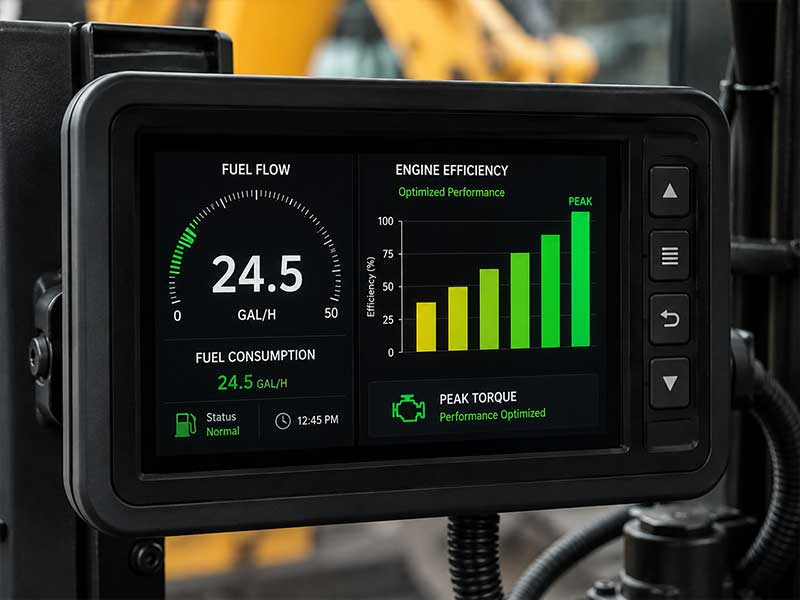
For diesel-powered horizontal grinders, fuel consumption represents the largest single ongoing hourly expense. The amount of diesel your machine burns is tied directly to the engine's horsepower rating and the average load factor of your operations.
Understanding Horsepower and Load Factors
A high-throughput machine like our WD1690 Horizontal Grinder is typically powered by a heavy-duty industrial diesel engine. When grinding light, brittle material like dry pine pallet scrap, the engine operates under a lower load factor, consuming less fuel. However, when you feed dense, wet logs, hardwood stumps, or stringy green waste, the engine works harder, pulling more fuel per hour to maintain peak torque.
The Math
On average, an industrial wood grinder engine burns roughly 0.05 gallons of diesel per horsepower-hour under standard working conditions.
For a 700 HP engine operating at an aggressive 70% average load factor:
If your local industrial diesel cost is $3.50 per gallon, your raw fuel cost alone is:
2. Wear Parts Consumption: The Price of Abrasion
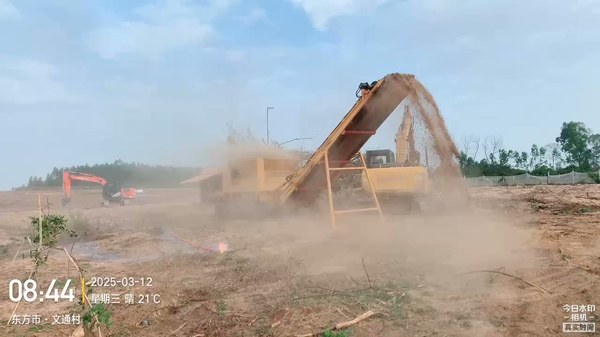
Because horizontal grinders process highly abrasive materials—often contaminated with soil, rocks, sand, and imbedded metal—the components inside the grinding chamber wear out systematically. You must factor this wear-and-tear into your hourly running costs.
Cutting Tips / Teeth
Tungsten carbide hammer tips are designed to take a beating, but they do not last forever. Depending on whether you are grinding clean orchard wood or sandy land-clearing root balls, a set of tips may last anywhere from 30 to 150 operational hours before requiring rotation or replacement.
Screens, Inserts, and Hardware
The sizing screens that regulate your final product size face constant friction as wood chips force their way through the openings. Screens, hammer rods, and wear plates must be replaced at regular intervals to prevent structural degradation of the rotor assembly.
3. Preventative Maintenance, Fluids, and Labor
To keep your machine running at peak performance and prevent multi-thousand-dollar engine failures, you must invest in regular preventative maintenance (PM).
Lube, Oil, and Filters (PM Kits)
An industrial horizontal grinder requires massive volumes of hydraulic oil, engine oil, and specialized lubricants. Hydraulic filters, engine air intake pre-filters (critical in dusty wood-grinding environments), and fuel-water separators must be changed every 250 to 500 hours based on factory specifications.
Dedicated Support Labor
A horizontal grinder cannot operate by itself. At a minimum, your hourly cost model must include the wages of a skilled heavy equipment operator running the excavator or wheel loader that feeds the grinder's conveyor table. If you run a high-volume site, you may also have a ground spotter managing quality control and safety.
4. Total Hourly Operating Cost Blueprint
To give your financial planning team a clear, structured template, here is a cost breakdown matrix estimating the realistic hourly running expenses for a mid-to-high capacity horizontal grinder operating under standard commercial conditions:
| Cost Component Category | Estimated Low-Wear Cost (e.g., Clean Pallets) | Estimated High-Wear Cost (e.g., Land Clearing) |
|---|---|---|
| Diesel Fuel Consumption (Assumes $3.50/gal) | $60.00 / Hour | $95.00 / Hour |
| Hammer Tips & Teeth Wear | $12.00 / Hour | $35.00 / Hour |
| Screens & Rotor Wear Plates | $4.00 / Hour | $12.00 / Hour |
| Preventative Maintenance (Oils/Filters) | $3.50 / Hour | $6.00 / Hour |
| Loader Operator Labor Costs | $30.00 / Hour | $45.00 / Hour |
| Support Equipment Allocation (Excavator fuel/wear) | $25.00 / Hour | $40.00 / Hour |
| Total Estimated Cost Per Operating Hour | $134.50 / Hour | $233.00 / Hour |
5. How Engineering Efficiency Directly Lowers Your Hourly Cost
When looking at the table above, it is easy to see that small changes in efficiency can save or cost your business tens of thousands of dollars over a production year. This is where advanced machinery engineering pays for itself.
Intelligent Feed Control vs. Fuel Waste
Older or lower-tier horizontal grinders utilize basic feed tables that feed material at a single, fixed speed. When a massive log hits the mill, the engine bogs down, burning massive amounts of black fuel smoke trying to recover its RPMs.
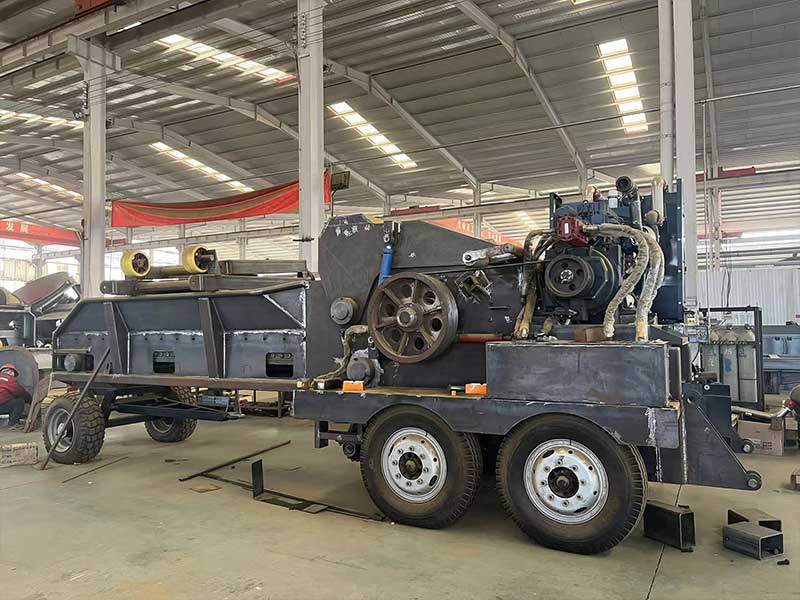
Our WD1690 utilizes an intelligent, PLC-driven adaptive feed system. The system senses engine load drop in milliseconds and adjusts the speed of the feed conveyor and upper compression roller automatically. By keeping the engine operating consistently within its peak power efficiency curve, this smart technology can cut hourly fuel costs by up to 15% to 20% compared to un-regulated feed tables.
Reducing Downtime to Protect Hourly Amortization
If your grinder has an hourly running target but sits idle because a wear part failed unexpectedly or a piece of tramp metal jammed the rotor, you are still paying for operator labor and support equipment overhead. WD Machines grinders feature quick-change screen systems and open-access service platforms that allow your crew to perform routine maintenance in half the time, turning unprofitable maintenance hours back into high-yield processing hours.
Micheal’s Final Checklist for Calculating Your Custom Hourly Cost
Before you finalize your next commercial grinding bid or project budget, make sure you customize these numbers to your exact operational reality:
Locate Your True Local Fuel Costs: Fuel prices fluctuate wildly by region and tax status (off-road vs. on-road diesel). Make sure you run your calculations using localized bulk-delivery pricing.
Analyze Your Material Contamination: If you are grinding clean, source-separated sawmill wood slabs, use the lower-end wear estimates. If you are clearing land filled with embedded clay, sand, and gravel, double your wear-parts budget.
Factor in Transport/Setup Overhead: Moving a horizontal grinder to a site takes time. Be sure to spread the costs of towing, permits, and initial setup over the total contracted operating hours of that specific project.
Partner with WD Machines for Low-OpEx Processing Solutions
At WD Machines, we don't just engineer high-performance equipment—we engineer profitable business operations. We know that every dollar saved on fuel, teeth, and filters is a dollar added directly to your net profit.
Do you want a customized, line-by-line operating cost calculation tailored to your specific project?
Visit our global industrial marketplace at www.wdmachines.com or reach out to me, Micheal, directly today. Send over your target hourly production volume, your raw material profile, and your local energy costs, and I will help you build a bulletproof financial model that ensures your processing yard runs at peak profitability!