Welcome to Weidong Machines
Tub Grinder Maintenance for Compost Feedstock: Wear and Downtime Checklist
Tub grinder maintenance planning for compost feedstock should appear in the purchase file before the equipment arrives. Buyers need to understand the approved service work, the resources needed to perform it and the production time affected by it. A parts-price list alone cannot answer those questions. This checklist helps a plant manager compare maintenance support and downtime assumptions for a grinder preparing woody compost ingredients.
Describe the duty before requesting a parts allowance
Tell each bidder what fraction the grinder will process, how material is prepared and where it is stored. Woody branches and pruning residues should not be described as identical to a mixed organics load. State the expected sources, visible contamination controls, moisture measurement method and intended accepted output. Identify seasonal changes rather than hiding them inside one average material description.
A supplier cannot give a meaningful maintenance proposal when the scope changes between quotations. Use the same material file and operating window for each offer, then record any proposed exclusions. The compost feedstock project workflow helps define where receiving, preparation, grinding and output handling begin and end.
Ask for a maintenance schedule tied to the offered machine
Request the maintenance documentation that applies to the model and configuration being offered. Separate routine service, condition-based assessment and inspection after an abnormal event. Identify which tasks require trained service personnel, specific tools or a defined lifting and handling method. Do not treat a generic brochure checklist as confirmation that the buyer's existing workshop can perform every task.
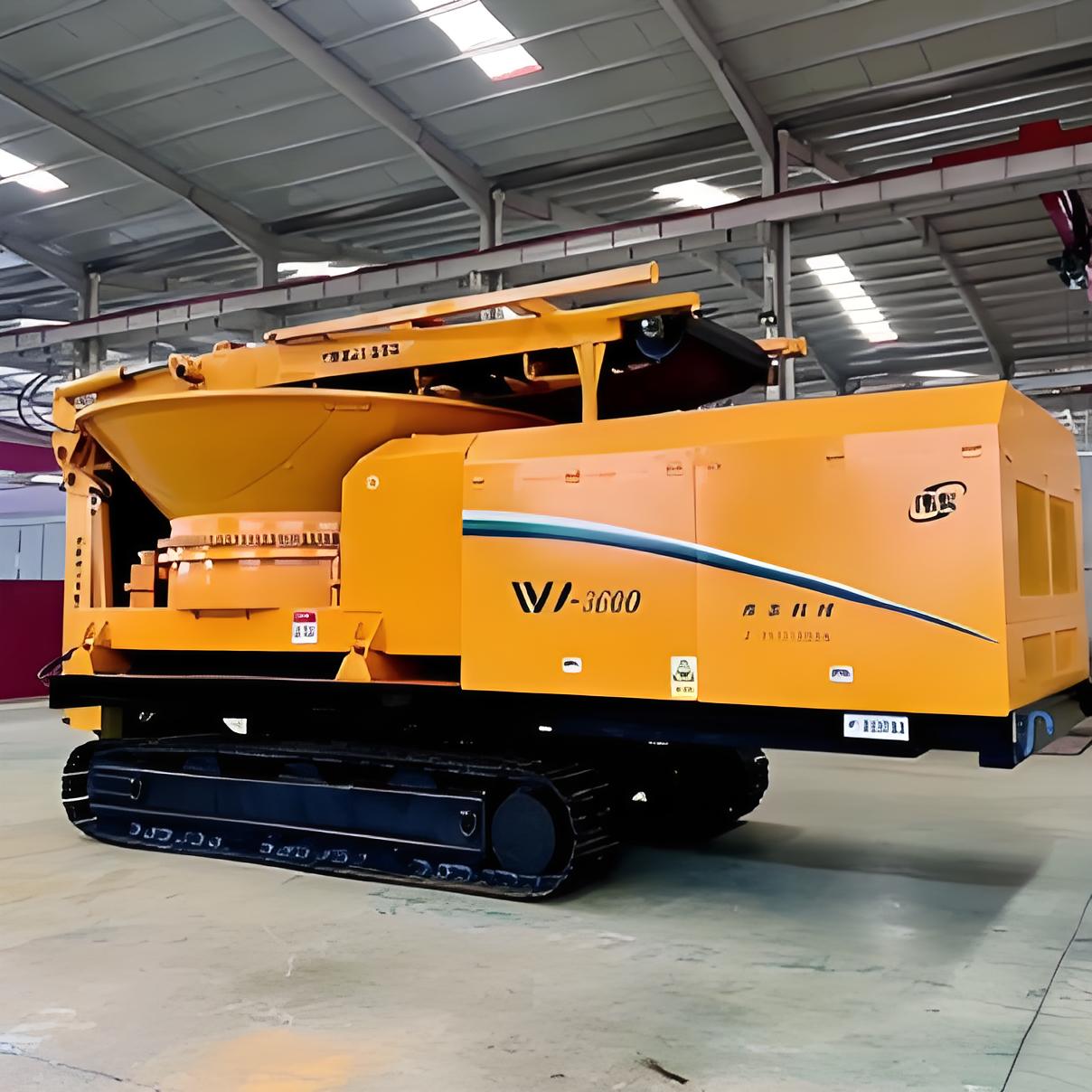
Include access requirements in the site review. Enough space to feed the machine does not necessarily provide the space needed for service. The tub grinder range helps narrow the configuration discussion, while the supplier's written service instructions establish the actual tasks and limits.
Separate four kinds of lost production time
Planned service time, corrective repair time, waiting for parts and interruptions elsewhere in the work cell should appear in different fields. Each has a different owner and potential remedy. A longer loader route cannot be solved by stocking more wear parts; an unavailable component cannot be solved by increasing the incoming feed queue.
| Time category | Evidence for the buyer | Question for the proposal |
|---|---|---|
| Planned service | Task list and required resources | Can the work fit the agreed operating schedule? |
| Corrective work | Inspection finding and approved repair scope | Who diagnoses and authorizes the work? |
| Parts waiting | Part identity, availability and dispatch information | Which items should be held on site? |
| External interruption | Receiving, loader or output-handling record | Is this inside the equipment supplier's scope? |
Define the starter parts package by identity
Ask for part numbers, quantities and configuration compatibility. Record which components are consumables, which are service items and which are contingency spares. The list should explain its assumptions: intended duty, local service capability and access to replenishment. Do not assume that a visually similar cutting component or screen fits another machine version.
For replenishment, obtain current quotation and availability information rather than using an unverified lead-time promise. Identify the party responsible for transport, import arrangements and receipt inspection where relevant. A part in a supplier's catalogue is different from a part confirmed available for dispatch.
Make cost-per-ton comparisons use accepted output
When comparing maintenance cost, define the output denominator. Incoming material, gross discharge and accepted finished fraction may not be the same quantity. Keep oversize requiring another pass and rejected contamination identifiable. Otherwise a proposal that processes material twice may look artificially inexpensive when the same material is counted on both passes.
Use the compost feedstock cost and ROI framework to retain the measurement boundary. Any estimate should identify which costs are included, how output is measured and which assumptions remain untested. Do not convert a quotation allowance into a guaranteed operating cost.
Agree what the handover will demonstrate
The handover should confirm that the responsible people can identify service tasks, find the relevant documentation and follow the approved reporting route. Agree what records will accompany the delivered machine, including configuration information and the parts list. Training scope and attendance should be explicit rather than implied by the phrase "commissioning included."
For internal inspection, clearing and servicing, the machine must be made safe under the required isolation and stored-energy procedure by authorized personnel. A buyer checklist does not replace those instructions. Have the supplier identify the documentation and training needed instead of asking the operator to infer a safe method from a sales discussion.
Keep warranty questions separate from routine wear allowances. Ask which responsibilities, documentation and reporting steps apply, and retain the supplier's written answer with the purchase file. A buyer should be able to find that answer without relying on an informal message remembered by somebody who is absent when a service issue occurs.
Use the first operating period to improve the estimate
Once production starts, compare observed maintenance work and accepted output with the assumptions in the purchase file. Keep the lot description and operating conditions with each record. If the feed changes, mark the change before comparing periods. That makes the review useful without pretending that the first few runs establish a universal parts life.
If repeated interruptions lead the team to consider another feed arrangement, review the horizontal wood grinder overview as part of a broader configuration discussion. First identify whether the evidence points to material preparation, site handling, maintenance support or the equipment arrangement itself. Send the duty statement and completed downtime table through the project inquiry page to request a proposal with clear service responsibilities.