Welcome to Weidong Machines
Tub Grinder Maintenance for Palm EFB: Wear and Downtime Checklist
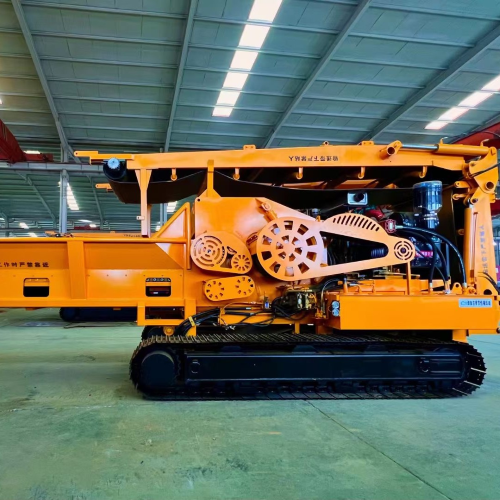
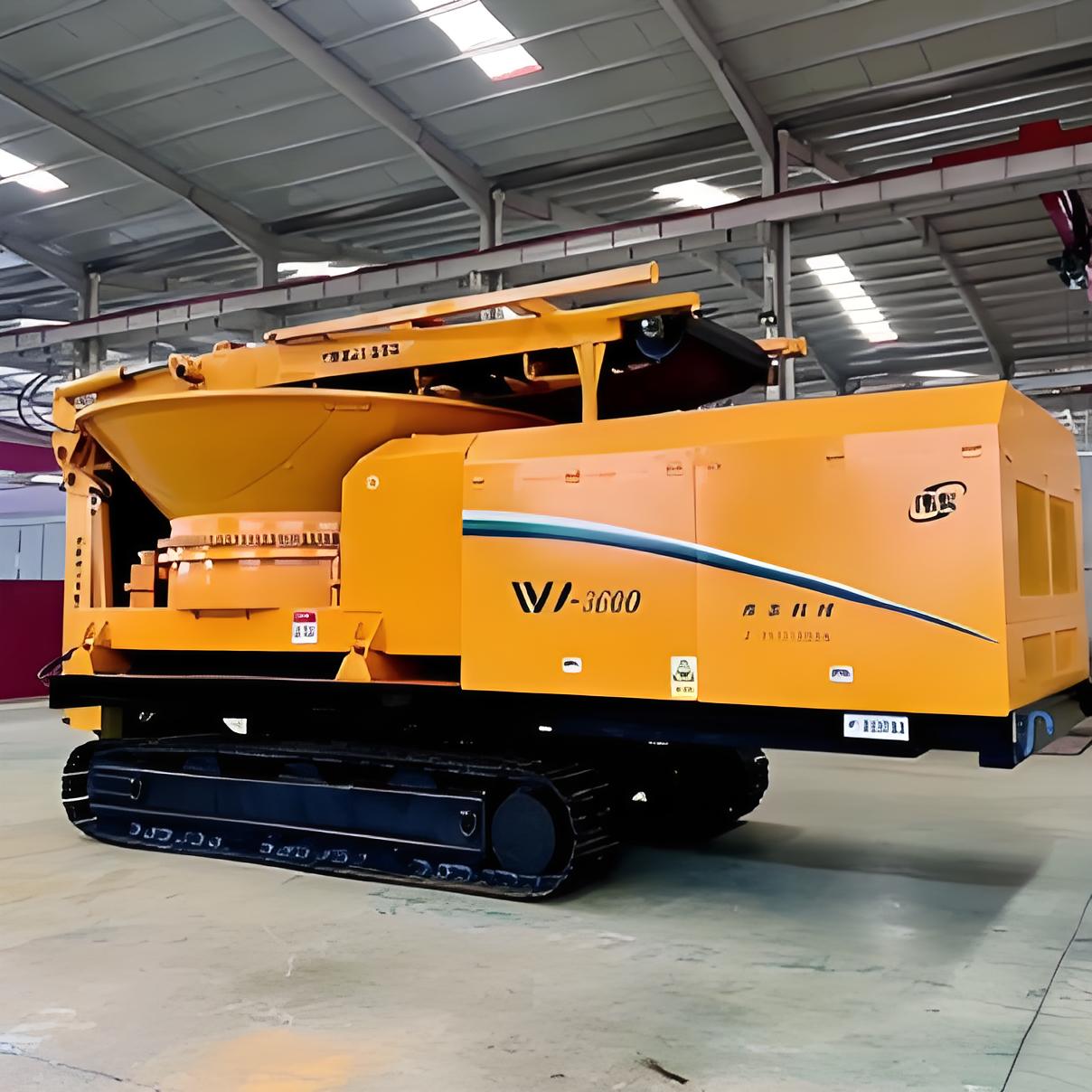
<p><strong>Tub grinder maintenance for Palm EFB</strong> should be planned as a production-risk system, not as a list of parts changed on fixed dates. Buyers need five controls before commissioning: a documented feed envelope, shift inspections, condition triggers, planned access to wear items, and a downtime log that separates machine work from loader, contamination, and discharge delays. Exact service intervals must come from the supplied manual and the approved configuration.</p>
<p>Palm empty fruit bunch is fibrous, variable in moisture, and easily mixed with soil or foreign material during storage. Those conditions can change feeding, wrapping, buildup, wear observations, and cleaning time. This buyer checklist helps procurement and operations teams define maintenance responsibilities without inventing a universal parts life or output figure.</p>
<h2>1. Put maintenance requirements into the purchase specification</h2>
<p>Begin with the material evidence already used for selection: representative photos, whole or opened EFB condition, moisture sampling method, storage surface, contamination observations, target output, operating hours, and available loader. The <a href="https://www.wdmachines.com/technical-resources/how-to-choose-a-tub-grinder-for-palm-efb/">Palm EFB tub grinder selection guide</a> explains these inputs. Ask each supplier to state which feed conditions are included, which require preparation, and which are excluded.</p>
<p>The quotation package should identify daily access points, consumables, normal inspection tasks, special tools, lifting requirements, recommended site spares, training, remote support, and who authorizes a return to service. A generic promise of “easy maintenance” is not measurable.</p>
<h2>2. Use a responsibility matrix</h2>
<table><thead><tr><th>Work item</th><th>Operator</th><th>Maintenance team</th><th>Supplier support</th></tr></thead><tbody>
<tr><td>Pre-start visual inspection</td><td>Record leaks, loose parts, guards, buildup and abnormal condition</td><td>Review defects that exceed operator authority</td><td>Define acceptable condition in manuals and training</td></tr>
<tr><td>Cleaning and buildup control</td><td>Follow approved shutdown and cleaning scope</td><td>Perform work requiring isolation or access</td><td>Specify safe access and prohibited methods</td></tr>
<tr><td>Wear measurement</td><td>Report trend indicators</td><td>Measure and compare with documented limits</td><td>Provide limits, method and replacement procedure</td></tr>
<tr><td>Failure review</td><td>Preserve shift and feed records</td><td>Inspect components and root cause</td><td>Advise using machine and material evidence</td></tr>
</tbody></table>
<p>Do not assign an operator to open guards or clear a jam merely because the task happens every shift. Maintenance and unjamming require the machine-specific energy-control procedure. OSHA's <a href="https://www.osha.gov/etools/woodworking/production/machine-maintenance">machine-maintenance guidance</a> reinforces that electrical, mechanical, hydraulic, pneumatic, and stored energy must be controlled before maintenance.</p>
<h2>3. Build inspections around events and condition</h2>
<p>Use four inspection moments: before start, during stable operation from the approved observation position, after shutdown, and after an event such as contamination, a blockage, abnormal vibration, transport, or component replacement. The manual controls the interval and acceptable limit. Site records should add the feed lot, weather, operating time, and reason for inspection.</p>
<p>A buyer can compare the proposed workflow with the existing <a href="https://wdmachinary.com/the-ultimate-maintenance-checklist-for-industrial-tub-grinders-how-to-prevent-unscheduled-downtime/">industrial tub grinder maintenance checklist</a>. The purpose is not to copy a generic frequency; it is to ensure the final manual and commissioning training cover every inspection point.</p>
<h2>4. Separate feed problems from machine problems</h2>
<p>When output falls or stops increase, record the delay code before replacing parts. Useful codes include waiting for inspected EFB, loader unavailable, wet or compacted batch, foreign material removal, wrapping or bridge, discharge full, planned inspection, maintenance, and weather. Link every delay to a feed lot and timestamp.</p>
<p>The <a href="https://www.wdmachines.com/technical-resources/palm-efb-processing-workflow-tub-grinder-project/">Palm EFB project workflow</a> shows why receiving, quarantine, preparation, grinding, and output handling belong in one process boundary. A grinder waiting for clean feed is a system loss, but it is not automatically a grinder failure.</p>
<h2>5. Calculate downtime exposure without inventing a result</h2>
<p>Use the site's own inputs:</p>
<p><strong>Downtime exposure per event = lost accepted output value + idle labor and support equipment + parts and service + restart and quality-control cost.</strong></p>
<p>Keep every assumption visible. Compare scenarios rather than presenting one promised number. The <a href="https://www.wdmachines.com/technical-resources/tub-grinder-cost-palm-efb-total-cost-worksheet/">Palm EFB total-cost worksheet</a> provides compatible input groups for ownership, energy, labor, wear, support equipment, and productive uptime.</p>
<h2>6. Verify spares and service access before delivery</h2>
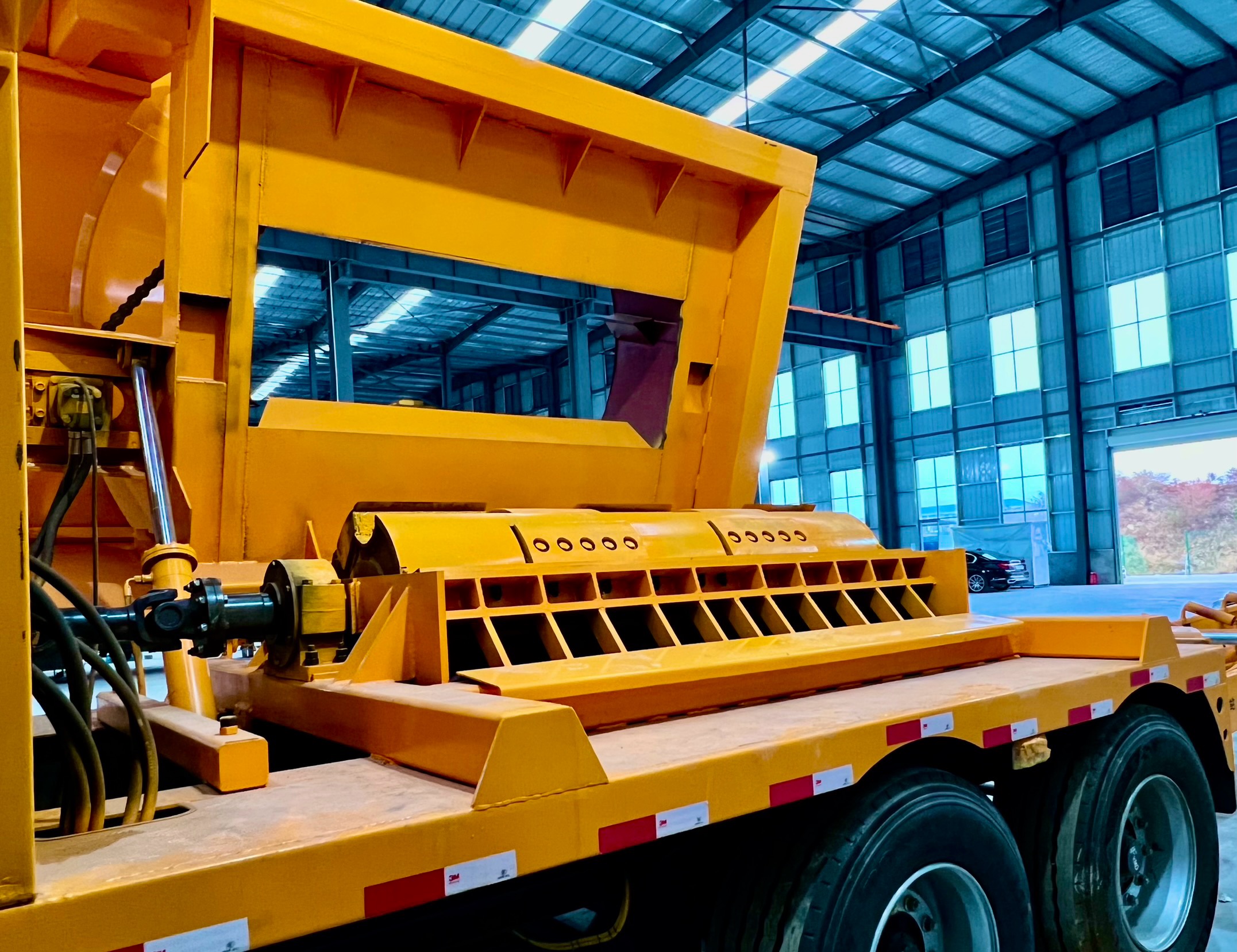
<ul><li>List critical and routine parts by approved part number.</li><li>Confirm storage condition and shelf-life requirements where applicable.</li><li>Check lifting points, tool clearance, work platform, lighting, and safe component handling.</li><li>Define photographs and measurements needed for remote diagnosis.</li><li>Agree escalation contacts, time zones, language, and evidence required before advice.</li><li>Keep guards, fasteners, sensors, and safety devices within the inspection scope.</li></ul>
<p>Review the <a href="https://www.wdmachines.com/product/tub-grinder/">current tub grinder range</a> only as a configuration starting point. Maintenance scope varies with power system, chassis, options, feed, and destination requirements.</p>
<h2>Buyer acceptance checklist</h2>
<ol><li>The feed envelope and exclusions are written.</li><li>The manual defines inspection points, methods, limits, and authorized roles.</li><li>Commissioning includes energy isolation, cleaning, measurement, and restart.</li><li>Recommended spares match the selected configuration.</li><li>Downtime codes distinguish feed, loader, discharge, and machine causes.</li><li>A baseline condition record is created at handover.</li><li>Warranty reporting and remote-support evidence are documented.</li></ol>
<h2>Monthly buyer review</h2>
<p>Procurement should review the first operating records with production and maintenance instead of waiting for an annual parts budget. Compare planned and unplanned stops, repeat defects, unavailable spares, response time, feed lots associated with abnormal condition, and whether the operator and maintenance responsibilities remain clear. Record open actions with owners and dates.</p>
<p>Also compare the production feed with the feed used during the acceptance trial. A change from clean, opened EFB to compacted or ground-contaminated material changes the project boundary. Escalate that difference as a material-management issue before treating every symptom as a warranty question.</p>
<p>Send representative EFB information, planned schedule, site utilities, loader, mobility requirements, and support expectations through the <a href="https://www.wdmachines.com/contactus/">configuration inquiry page</a>. The useful result is a maintainable process with explicit responsibilities—not an unsupported promise that maintenance will never interrupt production.</p>