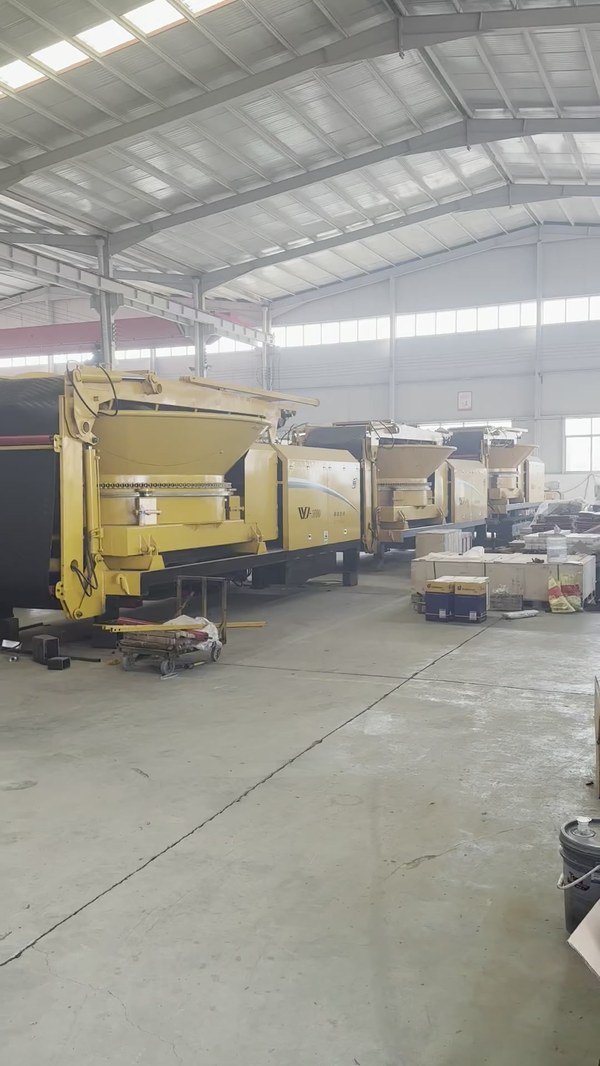
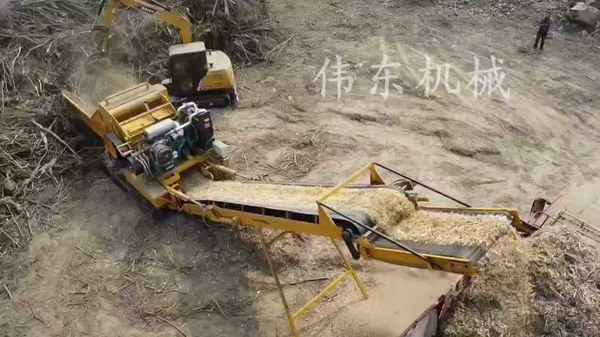
Welcome to Weidong Machines
Tub Grinder vs Horizontal Grinder: Which is Better for Processing Palm Oil Waste (EFB)?
Author: Micheal (Senior Sales Manager at WD Machines)
Processing massive volumes of palm oil agricultural waste, particularly Empty Fruit Bunches (EFB), oil palm fronds, and felled trunks, requires a deep understanding of mechanical feeding and shearing dynamics. When choosing between a tub grinder and a horizontal grinder for your plantation or biomass mill, a horizontal grinder is the superior choice because its enclosed feed table and heavy-duty down-turn compression rollers actively force stringy, high-moisture palm fibers directly into the mill chamber without risking rotor wrapping or material ejection. Utilizing a precision horizontal processor like our WD1690 series optimizes your output by transforming tough EFB into high-yield, calibrated boiler fuel or export-grade pellet feedstock. Ultimately, deploying a horizontal grinding setup over a traditional tub configuration slashes your hourly operational downtime and maximizes long-term profitability in demanding Southeast Asian agricultural environments.
Introduction
If you operate a palm oil mill or manage a large-scale plantation infrastructure in Malaysia or Indonesia, you are dealing with one of the most demanding organic materials on the planet. Empty Fruit Bunches (EFB), oil palm fronds (OPF), and oil palm trunks (OPT) are valuable biomass resources. However, their physical profile presents a severe challenge to standard forestry shredders and generic wood crushers.
When international buyers tour our production facilities at WD Machines, they often ask a fundamental logistical question: "Micheal, we know we need brute mechanical force to reduce our EFB accumulation, but should we invest in a top-loading tub grinder or a feed-table horizontal grinder?"
While both configurations have earned legendary reputations in traditional wood recycling, forestry land clearing, and municipal green waste processing, they perform drastically differently when introduced to the unique properties of oil palm residuals. As a sales manager who has spent years troubleshooting mill lines and field setups in Southeast Asia, I can tell you that making the wrong machinery selection here will cost you thousands of dollars in weekly downtime, wrapped rotors, and wasted fuel. In this technical guide, we will contrast the Tub Grinder against the Horizontal Grinder specifically through the lens of processing palm oil waste.
1. The Raw Material Profile: Why Palm Waste Breaks Standard Grinding Rules
Before evaluating the machinery, we must understand the "enemy." Palm oil waste, particularly fresh EFB, exhibits three specific characteristics that ruin generic processing setups:
Extreme Tensile Elasticity: Unlike a standard hardwood log that fractures cleanly under impact, palm fibers act like high-strength, flexible rubber ropes. They resist clean snapping and prefer to stretch, bend, and tear.
Massive Moisture Saturation: Fresh EFB and plantation residues frequently carry moisture levels ranging from 55% to over 65%. This moisture is rich in sticky, organic sap and corrosive plant acids.
High Dirt and Silica Contamination: Material harvested directly from plantation floors is often embedded with abrasive volcanic sandy soils, rocks, and mud, which accelerate cutting tooth wear.
2. The Tub Grinder Performance Analysis on Palm Waste
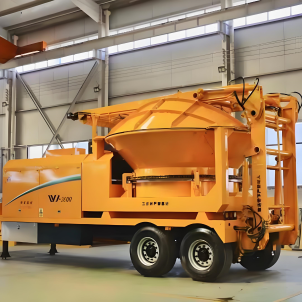
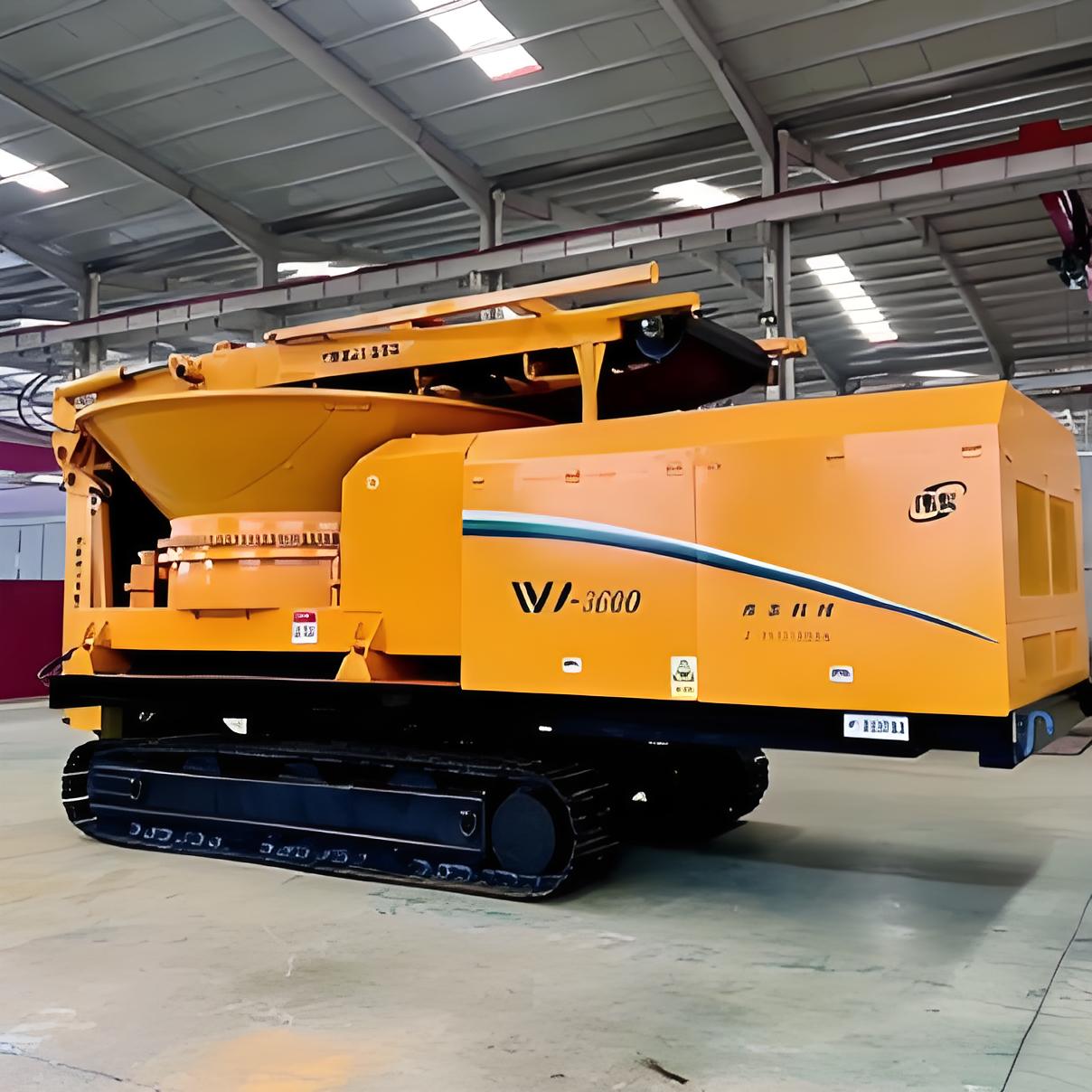
The Tub Grinder utilizes a wide, rotating, top-loading hopper (the tub). Material is dropped into the tub by an excavator grab, and gravity forces the material down into an exposed spinning hammermill rotor located at the bottom floor of the tub.
The Gravity Feeding Flaw with EFB
Because tub grinders rely entirely on gravity and the circular rotation of the tub walls to feed material into the rotor, they struggle with light, bulky, and highly interlocking materials like empty fruit bunches. Fresh EFBs tend to mass together, creating a "bridging" effect where they lock limbs over the rotor pocket, spinning around in the tub without actually being pulled down into the hammers.
The Wrapping and Ejection Hazard
When EFB does make contact with an open-rotor tub grinder, the long, stringy fibers have a natural tendency to slip past the hammer tips and wrap tightly around the main rotor shaft and bearing housings. Furthermore, because a tub grinder has an open-top configuration, the striking of high-moisture, elastic palm roots can occasionally result in dangerous material "back-firing" or vertical projectile ejections out of the tub opening, requiring extensive safety buffer zones on site.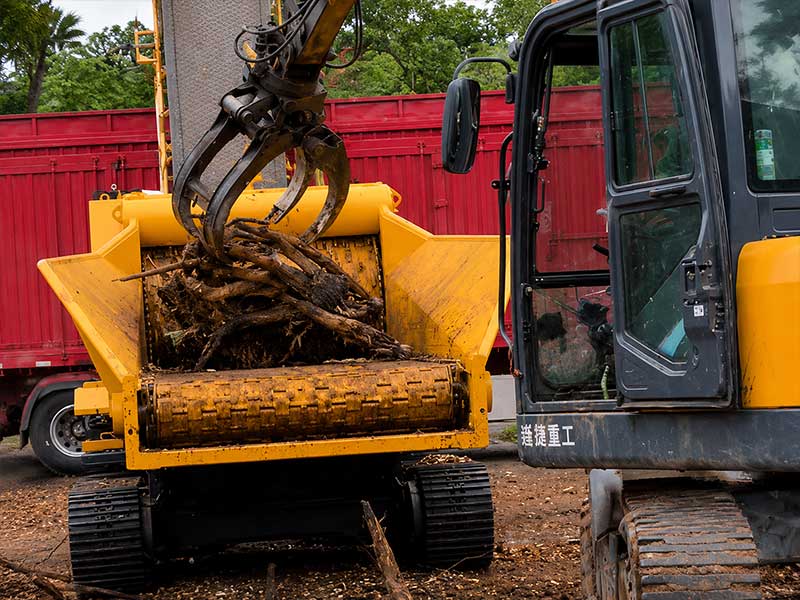
3. The Horizontal Grinder Performance Analysis on Palm Waste
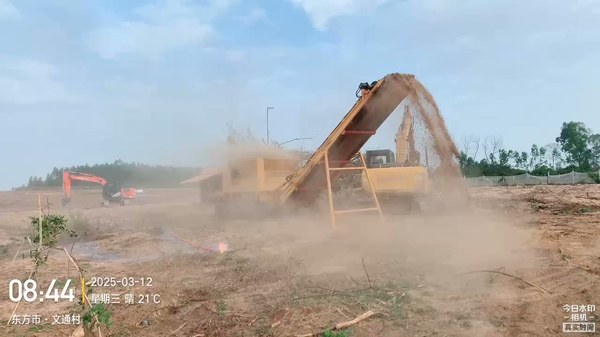
The Horizontal Grinder uses a long, flat, automated feed conveyor table. Material is placed onto the bed, and a heavy-duty, internally driven hydraulic feed roller clamps down on the material, actively compressing it and forcing it horizontally into the face of the enclosed grinding rotor.
Positive Feed Control: Eliminating the Elasticity Problem
The horizontal configuration completely eliminates reliance on gravity. When stringy EFB or long oil palm fronds are placed on the feed table, the massive, cleated upper compression roller crushes the material down, flattening it out and positive-feeding it at a highly calibrated, continuous speed into the cutting mechanism. This mechanical constraint prevents the palm waste from bouncing around or bridging.
Shearing Under Enclosed Pressure
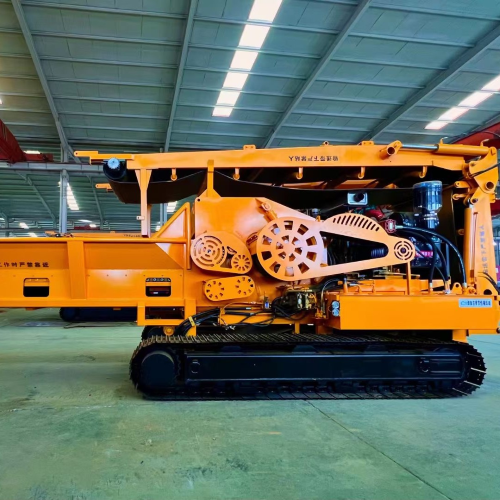
Inside our WD1690 Horizontal Grinder, the material is pressed tightly against a hardened steel anvil or shear bar just as it hits the spinning teeth. This creates a true "scissors" or slicing mechanism. Because the palm fibers are held firmly by the feed rollers while being struck by the teeth, they are cleanly sheared into short fractions rather than being allowed to wrap around the drum. The entire process takes place within an enclosed steel crushing hood, entirely eliminating the risk of flying debris hazards.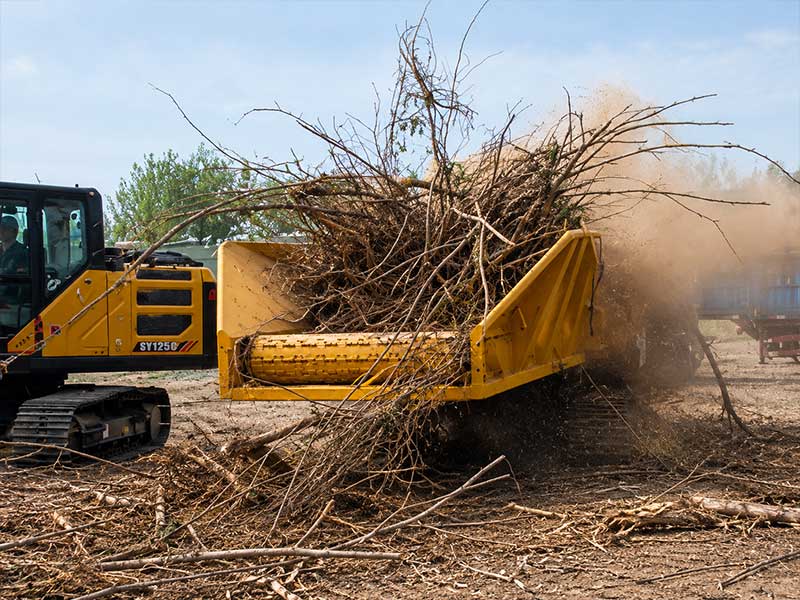
4. Head-to-Head Evaluation Matrix: Palm Waste Processing
To give your operations directors and procurement team a clear, scannable reference for your next fleet meeting, let's look at how these two configurations stack up specifically for palm residuals:
| Performance Parameter | Tub Grinder Configuration | Horizontal Grinder Configuration | Winner for Palm Waste |
|---|---|---|---|
| Feeding Mechanism | Gravity-fed via rotating tub walls | Controlled hydraulic compression conveyor | Horizontal Grinder |
| Fiber Wrapping Resistance | Low (Open shaft allows stringy ropes to bind) | High (Enclosed drum with anvil shears fibers instantly) | Horizontal Grinder |
| High-Moisture Handling | Moderate (Wet material can paste on the floor) | Excellent (Positive feed pushes wet pulp through) | Horizontal Grinder |
| Job Site Safety Profile | Lower (Risk of vertical debris ejection) | Ultimate (Enclosed housing contains all fragments) | Horizontal Grinder |
| Material Bridging Risk | High (Bulky fruit bunches lock together above mill) | Zero (Mechanical rollers crush and flatten all inputs) | Horizontal Grinder |
| Output Particle Uniformity | Irregular (Splinters and long strands can bypass) | Highly Uniform (Calibrated slicing against shear bar) | Horizontal Grinder |
5. Financial and Logistical Cost Trade-Offs
When calculating your long-term return on investment (ROI) within a palm oil processing mill infrastructure, you must look closely at daily maintenance hours and energy expenditure.
Downtime Due to Rotor Clearing
If you run a tub grinder on high-fiber EFB, your operators will likely have to shut down the engine multiple times a week to manually climb into the tub with chain saws or cutting torches to cut away wrapped, melted palm fibers from the rotor shaft. Every hour spent cutting ropes out of a machine is an hour of lost production. A horizontal grinder's continuous shearing action virtually eliminates this specific maintenance bottleneck, keeping your production lines moving non-stop.
Fuel Consumption Efficiency
Because tub grinders allow material to bounce and rotate inside the chamber before it is processed, they consume excess diesel horsepower through unnecessary friction. A horizontal grinder processes the material instantly upon entry. Our specialized adaptive PLC feed software on the WD1690 monitors engine load in real time; if a dense mass of oily fronds hits the mill, the conveyor temporarily slows down to maintain maximum engine torque, maximizing your processed tons-per-liter ratio.
Micheal’s Final Selection Verdict: Go Horizontal for Palm Biomass
While tub grinders remain exceptional, high-capacity tools for processing massive, brittle hardwood stumps in commercial forestry clearing yards, they are fundamentally unsuited for the flexible, stringy, wet, and wrapping-prone realities of the Southeast Asian palm oil sector.
If your goal is to produce high-quality, uniform, and clean EFB boiler chips to power your mill turbine, or to create a calibrated micro-chip feedstock for an export-grade biomass pelleting line, the Horizontal Grinder is the undisputed champion. It delivers superior feeding control, far greater operator safety, unmatched particle consistency, and minimizes the risk of rotor wrapping failures.
Partner with WD Machines to Transform Your Agricultural Liabilities
At WD Machines, we specialize in configuring industrial processing equipment built to survive the world's harshest material environments. Our horizontal grinders are engineered with advanced anti-wrapping closed-drum rotors, replaceable abrasion-resistant steel internal liners, and heavy-duty hydraulic feed systems optimized specifically for high-moisture agricultural residuals.
Ready to eliminate your EFB accumulation and unlock a high-margin biomass fuel stream?
Visit our global product and engineering hub at www.wdmachines.com or contact me, Micheal, directly today. Let me know your monthly plantation waste volume, your moisture characteristics, and your target final chip dimensions, and I will help you configure the perfect, heavy-duty horizontal workhorse to drive your operational profitability!