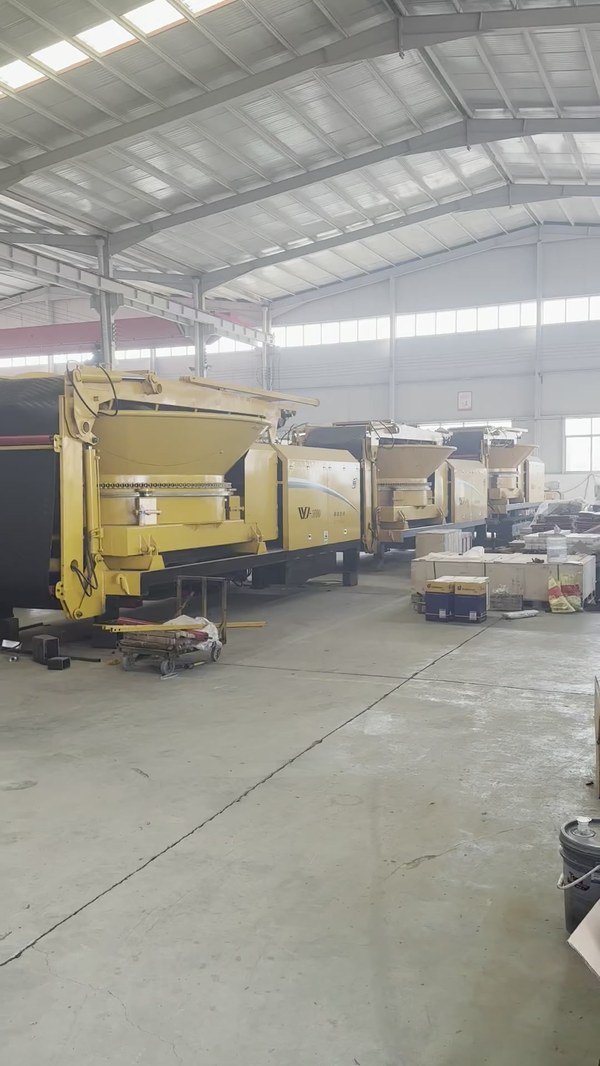
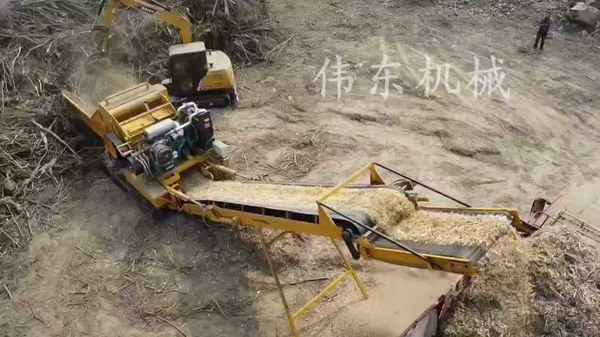
Welcome to Weidong Machines
Green Waste Processing Workflow: Planning a Tub Grinder Project
Green waste tub grinder processing workflow: Commercial teams should define the complete green-waste process and evidence boundary before comparing equipment.
A buyer workflow from receiving and contamination control through loading, grinding, accepted output and project release.
Plan the purchase around the workflow
Issue every supplier the same lot file, site drawing, operating window, output rule and trial method. Compare the tub grinder range only after loaders, preparation, discharge, service and support are defined. Use the capacity worksheet for measurement and send the revision through the contact page.
Project release gate
Release a proposal only when feed classes, site route, accepted product, configuration, trial, stop rules, training, spares and exclusions are traceable. Keep unknowns visible rather than converting them into unsupported capacity or cost claims.
Convert the material file into a quotation schedule
Give each bidder the expected share of woody pruning, leafy loads, storm debris and prohibited material, plus photographs, dimensions and storage conditions. State who supplies preparation, loader, discharge handling and samples. Require the proposal to identify assumptions, exclusions and the evidence behind each workflow claim.
Compare installed scope rather than the bare machine
List freight, unloading, site work, utilities, controls, commissioning, operator and maintenance training, initial screens and wear parts, approved tools, documentation, warranty boundary, remote support and technician travel. Keep optional items separate so a low headline price cannot hide a missing workflow component.
Plan the acceptance trial
Define lots, preparation, configuration, gross time, delay codes, accepted product and sampling before arrival. Test receiving, inspection, loading and discharge as well as grinding. Record rejects and recirculation. A trial passes only when the complete process meets the written boundary, not when the machine runs briefly.
Create an owner matrix
Assign operations to feed and output, maintenance to inspection and service access, safety to zones and stop rules, quality to sampling, and purchasing to commercial scope. Each owner signs only the evidence they understand and records open items with dates.
Control proposal changes
If a supplier changes screen, loader method, mobility, discharge or support, log it as a new scenario. Do not merge data from different configurations. Reissue the lot file and acceptance rule when the project boundary changes.
Run the workflow with identified material lots
Record source, arrival time, branch and stem geometry, leafy fraction, moisture method, soil, stones, wire, plastic, storage and preparation. Keep approved, prepare, quarantine and reject areas separate. Photograph representative material with a scale reference and retain the lot identity through output sampling.
Use a one-way material route
Draw receiving, inspection, preparation, feed queue, loader travel, machine presentation, discharge, sampling, stockpiles and dispatch. Separate people from mobile equipment, reduce uncontrolled crossings and preserve emergency and service access. Test the route during normal production, truck changeover, contamination response and output-pile change.
Define communication and stop rules
Assign who may authorize start, stop and restart. Test radios or agreed signals before loading. Stop for suspected metal or large stone, bridging, smoke, abnormal heat, unusual noise or vibration, damaged guarding, blocked discharge, lost communication or material outside the approved envelope. Never ask a person to enter an operating zone to solve a flow problem.
Measure the complete work cell
Record productive minutes, total elapsed minutes, loader cycles, waiting, preparation, inspection, adjustments, rejects, recirculation, accepted output and samples. Use accepted gross rate = accepted output / total elapsed time. A short staged pile or brochure rate does not represent sustainable daily output.
Control hazardous energy and changes
Clearing, internal inspection and service must follow the exact machine hazardous-energy procedure and applicable law. Do not improvise access or defeat guarding. Repeat the baseline after a change in source, moisture, preparation, screen, wear condition, loader, layout, operating method or output rule.
Keep a shift evidence pack
Retain receiving records, lot photographs, pre-start checks, delay codes, configuration, inspection notes, output samples and corrective actions. Separate observations, supplier statements and assumptions. Review the pack with operations, maintenance, safety and product quality; unresolved evidence belongs in an open-items register.
Use a three-stage release checklist
Before the shift, confirm the approved lot, weather and ground condition, roles, communication, guarding, emergency stops, fire response, loader route, discharge space, stockpile limit and sample plan. Before the first bucket, verify that no person is inside an operating zone, the prepared queue contains only released material, the output route is clear and the operator has the correct machine instructions. After the run, reconcile incoming lots, rejects, delays, accepted output and samples.
The checklist should record pass, hold or not applicable, plus the responsible person and time. A hold is not cleared by leaving a blank field. The authorized person must record the evidence used to release it. When a shift inherits material or an unfinished output pile from the previous team, repeat the relevant checks instead of assuming the earlier condition still applies.
Separate productive time from gross workflow time
Use a clock boundary that starts when the work cell is scheduled to receive prepared material and ends at the defined close of the run. Record loading, grinding, pile changes, sampling, normal adjustments, waiting, contamination response and approved service. Report productive rate and accepted gross rate together. This makes loader, preparation and output constraints visible without labeling every delay as a machine problem.
Accepted output means material that meets the written destination and sampling rule. Record oversize, recirculation, contamination rejects and unresolved mass separately. A clean short trial demonstrates only its tested conditions; it cannot prove the same result for wet, tangled, dirty or seasonally different loads.
Review source separation and hazardous energy
EPA guidance on source separation explains why upstream separation can support cleaner recovered material; local acceptance rules still control the site. OSHA's control of hazardous energy standard is a general reference for servicing where unexpected startup or stored energy can injure workers. The exact machine procedure and applicable local law govern the task.
Turn observations into controlled changes
Rank repeated delays and defects by frequency, consequence and confidence in the cause. Choose one change with an owner, expected effect and verification method. Examples include a revised receiving rule, different pile surface, clearer loader signal, changed preparation class, additional output space or a new sample point. Do not change several major variables and then claim which one produced the result.
Issue a new workflow revision after a meaningful change. State which lots, configuration, loader, screen, layout, output rule and dates it covers. Archive the replaced version with its evidence so future teams can understand why the process changed rather than quietly returning to an obsolete practice.