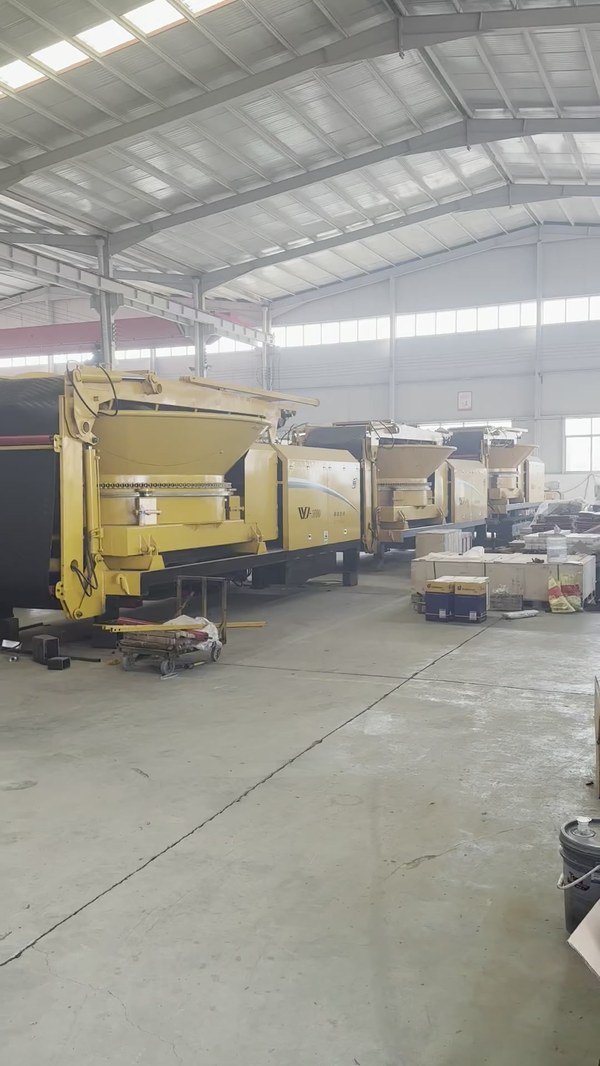
Welcome to Weidong Machines
Municipal Woody Waste Processing Workflow: Planning a Tub Grinder Project
A municipal woody waste tub grinder processing workflow needs a clear answer to a simple question: who can release a load for processing? When collection crews, depot staff, loader operators and contractors share one yard, material can move faster than the information about its source. A visible stock-status system prevents an inspected batch from being confused with a pile still awaiting assessment.
This guide is for a municipal operations supervisor organizing the complete service. It concerns approved woody material, not every constituent of a mixed incoming load. Use the municipal equipment selection guide to establish the project boundary before writing the daily operating sequence.
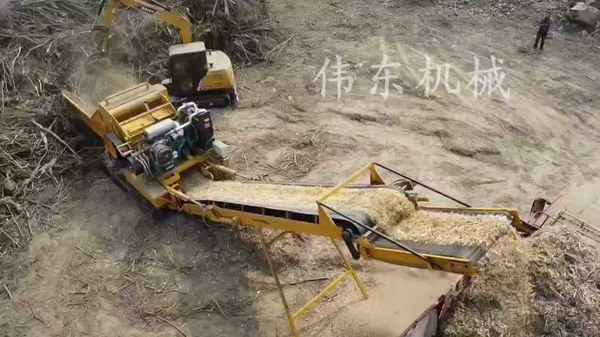
Give each handover an owner
Name the collection contact, receiving lead, feed-release authority, machine operator, maintenance lead and output receiver. One person may have more than one role, but the responsibilities must remain explicit. Explain who stops work when material identity is uncertain, when a fault appears or when the discharge arrangement is unavailable.
Write the approved feed list and exclusions in terms that collection staff understand. Woody pruning and arboricultural pieces should not silently become a route for treated timber, unknown demolition wood or unrelated waste. Keep permit and acceptance questions with the qualified responsible people. A machine's ability to break material does not establish permission or a useful outlet for it.
Use stock status to control movement
| Status | Meaning | Permitted next action |
|---|---|---|
| Awaiting inspection | Source or condition has not been accepted | Review and segregate under the receiving procedure |
| Released woody feed | Within the defined feed boundary | Move to the approved processing sequence |
| Quarantined | Uncertainty or unacceptable condition exists | Hold for a named decision, not routine loading |
| Output awaiting acceptance | Processed but not yet approved for its destination | Sample, review and retain batch identity |
| Accepted output | Meets the agreed destination requirement | Release for the documented use or delivery |
Make the labels visible to the people moving material. Avoid relying on memory or on a pile's position alone, because storage locations can change. A quarantined load requires a documented disposition; leaving it beside released feed encourages accidental blending.
Capture enough receiving information to investigate later
A workable load record contains date, route or source, material description, quantity basis, inspection outcome and the person making the decision. Retain relevant photographs when the material is unusual. Record uncertainty explicitly instead of inventing a source description after processing.
Receiving inspection does not guarantee complete removal of every contaminant. Use the approved sorting process, maintain visibility and stop when an unresolved material condition is found. Review the municipal contamination checklist to distinguish source confidence, visible inspection and ongoing control rather than treating them as interchangeable assurances.
Schedule the released batch with support resources
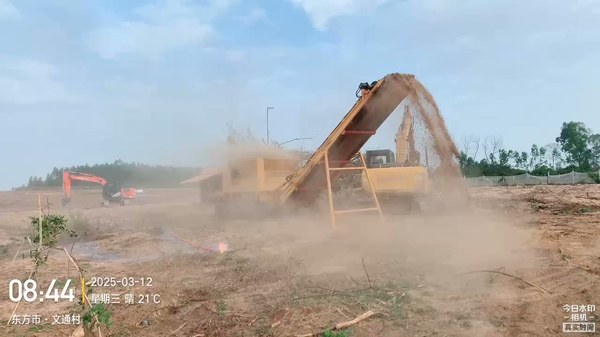
Assign the loader, operator, receiving coverage and output-handling resource before starting. A single loader cannot simultaneously perform every task in the yard. Plan the sequence so released feed is available and finished material can be moved without drawing unrelated traffic into the operating area.
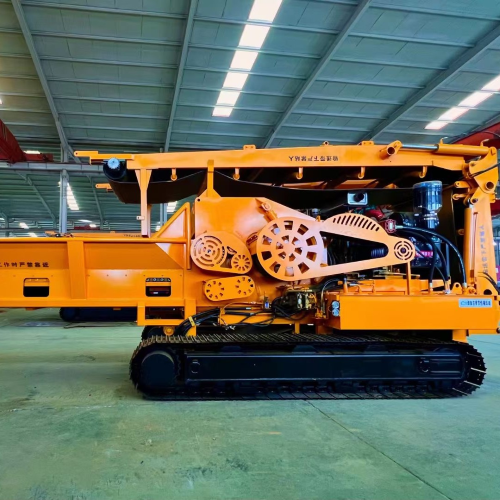
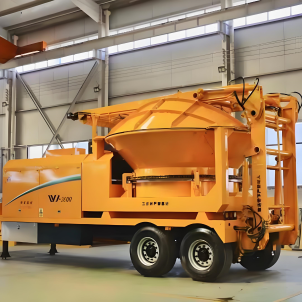
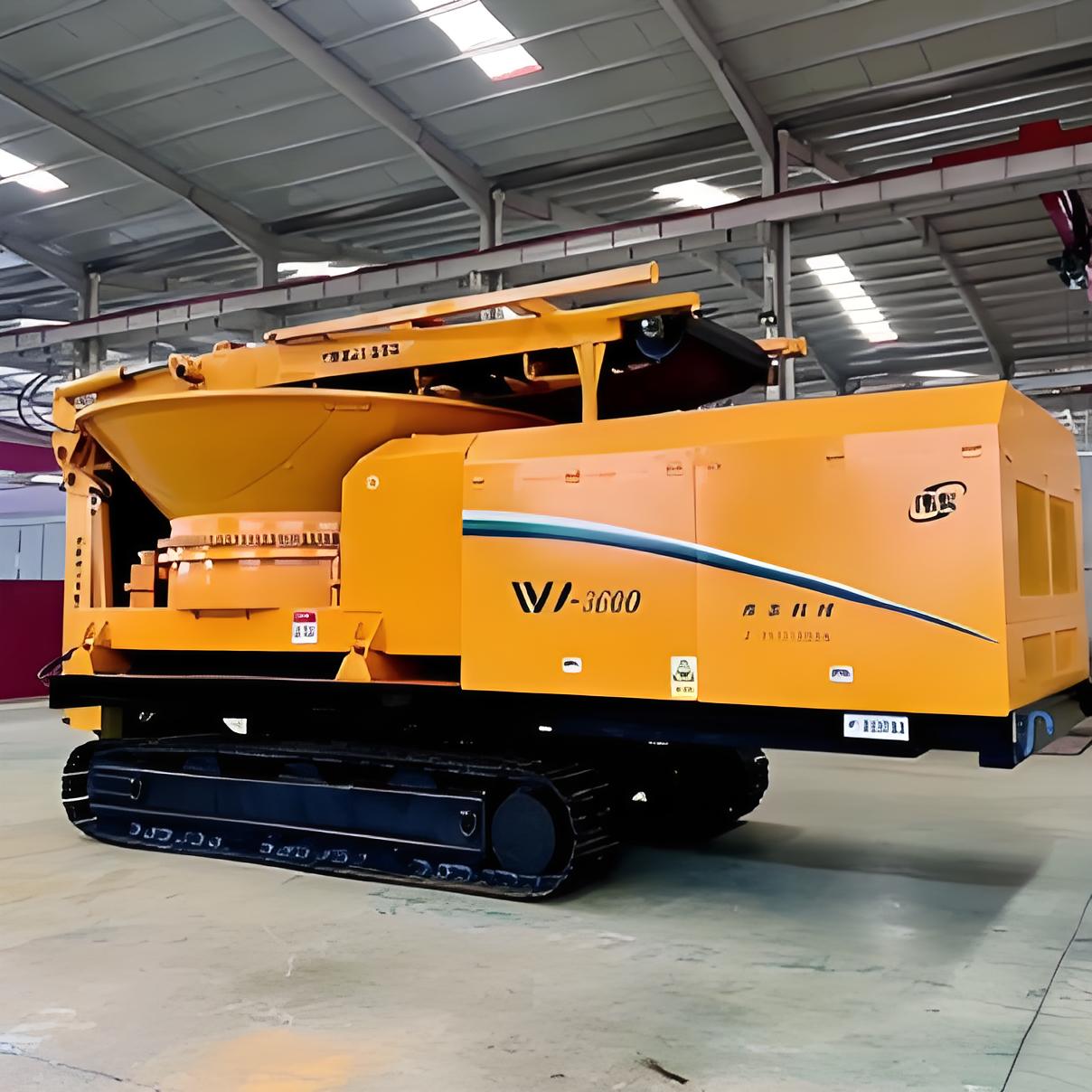
Use the selected machine instructions and the site-specific safety plan to define access and operating boundaries. Do not adopt a generic internet distance for every tub configuration. The tub grinder equipment information supports configuration discussions, but the actual installation and operating procedure must be reviewed for the site.
Keep the processing record linked to the load
Record the batch identifier, configuration, productive periods, stop reasons and resulting output status. Separate feed waiting from mechanical faults and scheduled checks. If settings or output requirements change, date the change and preserve the previous record so quality findings can be traced to the correct conditions.
The municipal capacity worksheet helps connect quantity with time and backlog. If the process needs a different feed path, comparison with a horizontal wood grinder may be appropriate. Retain the same acceptance requirements; changing machine type must not erase load traceability or feed exclusions.
Treat exceptions as controlled decisions
When an unexpected contaminant, fault, unusual noise or blocked output route appears, stop or hold the affected work according to the approved procedure. Record the observation, batch and responsible decision-maker. Any access to hazardous areas requires the authorized isolation and verification process; a simple operating stop is not equivalent to verified safe access.
Do not blend a rejected output back into the next batch without an approved reason and destination. A receiver refusal should trigger review of feed identity, processing conditions and acceptance criteria. Reprocessing may change particle size, but it does not establish that an unknown or unacceptable constituent has become suitable.
Close the shift with a status handover
List the remaining released feed, quarantined loads, output awaiting acceptance, unresolved faults and planned service tasks. State who owns each open action and what evidence is needed to close it. This short handover prevents the next shift from interpreting yesterday's unresolved material as today's approved feed.
Also review whether output collection is keeping pace with processing. The municipal budget framework keeps storage and delivery work visible rather than assuming every processed tonne immediately produces revenue. Maintain separate counts for intake, released feed and accepted output so the service report remains honest.
Workflow review questions
Can a storm surge bypass receiving checks?
No. A higher arrival rate calls for a reviewed staffing, storage and processing plan, not an undocumented relaxation of feed release. Keep exceptional material and uncertain sources identifiable while the responsible team resolves them.
What should be agreed with a supplier or contractor?
Send the load-status procedure, representative feed, receiver terms and support-resource plan through WeiDong's project contact page. Agree the scope of commissioning, training, documentation and output testing before routine work starts. Review the first operating records to close the gap between the planned sequence and the actual service.