Welcome to Weidong Machines
Tub Grinder Cost for Municipal Woody Waste: Budget and ROI Factors
Tub grinder cost for municipal woody waste is a service-system question as well as an equipment purchase. A municipality may need reliable backlog control, reduced movement of bulky woody material or a consistent feedstock for an approved destination. Those outcomes have value, but they should not all be presented as cash savings without evidence. Separate measurable expenditure changes from service improvements.
This budget framework helps compare ownership, contracted processing and a revised collection arrangement. It contains no universal machine price or promised return. Start with the municipal selection guide so that unsuitable feed and unconfirmed output routes do not enter the financial case.
Describe the current service and its boundaries
Record collection, receiving inspection, sorting, stock movement, processing, reject disposal and output transport. Identify which tasks will continue after a grinder is introduced. An existing loader or operator may move to a new task without generating an actual payroll saving. Distinguish released woody feed from total depot receipts and exceptional storm backlogs.
Document the current contracts and their inclusions. A contractor may provide a machine and operator but not the loader, fuel, mobilization or output removal. A budget comparison that includes all of these on one side and none on the other cannot support procurement. Confirm who owns processed material and who bears the cost when a receiver rejects it.
Normalize bids before comparing totals
| Budget boundary | Ownership question | Contract question |
|---|---|---|
| Deployment | Who pays delivery and relocation? | How is mobilization charged? |
| Labor | Which trained roles must be staffed? | Which roles are included? |
| Supporting equipment | Is a loader available and costed? | Who supplies loading and sorting? |
| Output handling | Who stores and transports accepted material? | Where does the contractor's scope end? |
| Maintenance risk | What service and inventory are required? | How do breakdowns affect the service schedule? |
Use a written scope sheet beside each total. Mark unresolved inclusions rather than assigning them a convenient zero. Quotes in different currencies or tax treatments require a consistent conversion policy and reference date; do not hide the commercial basis in a footnote that the reviewer cannot reproduce.
Build the delivered and ready-to-operate investment
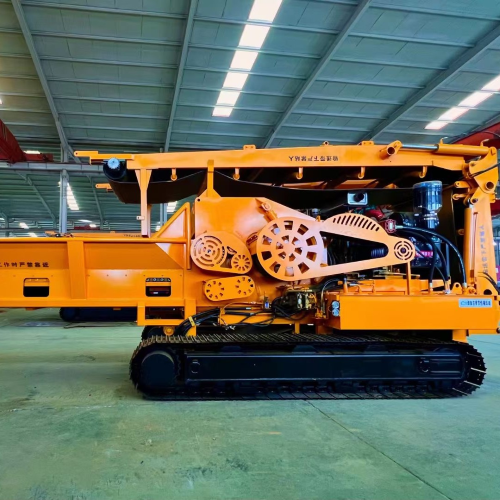
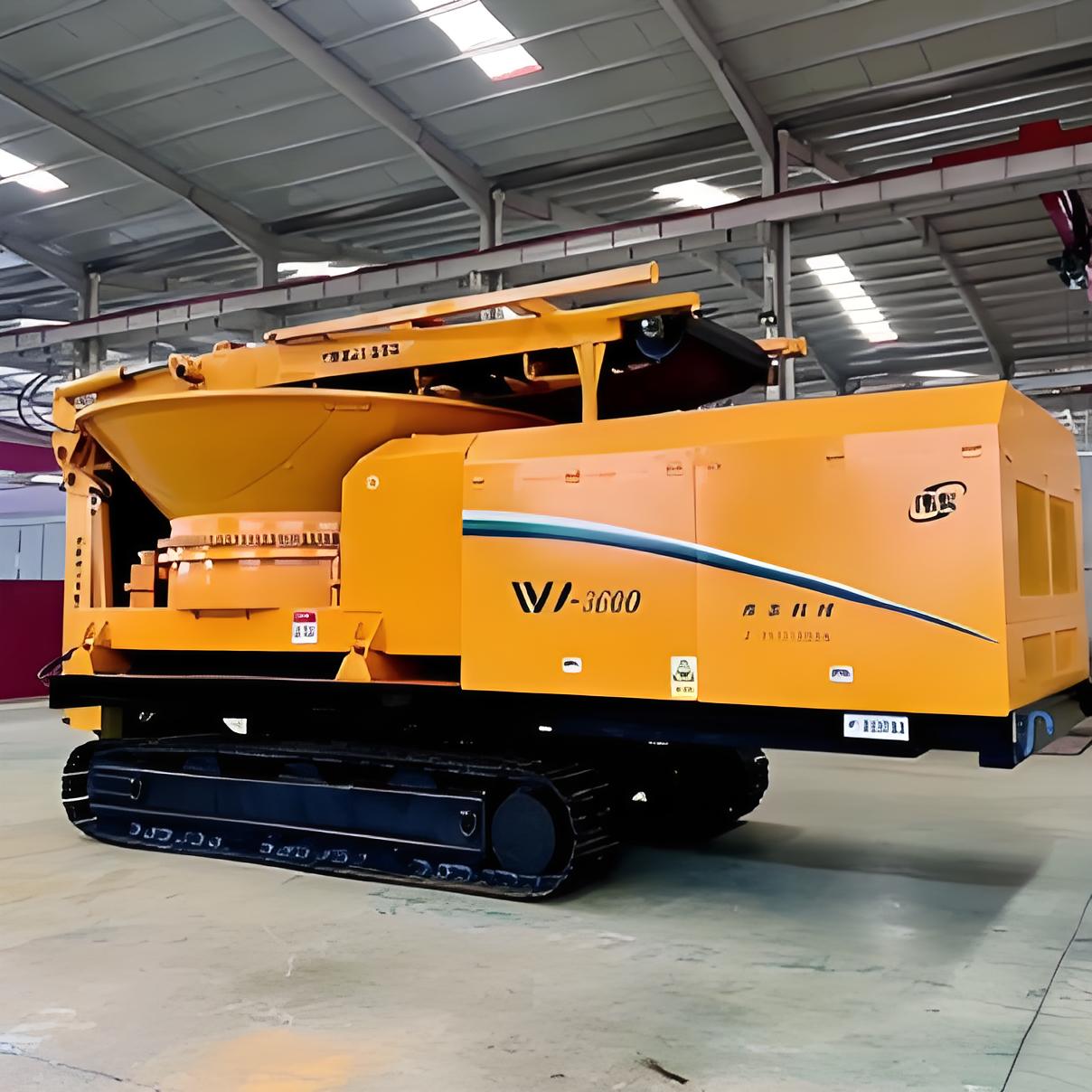
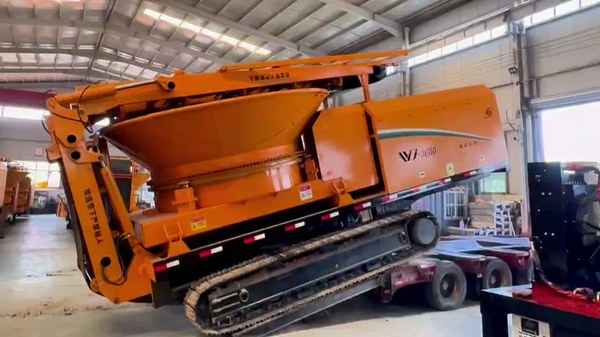
Include the configured equipment, shipment, site preparation, utilities where applicable, commissioning, training and initial service inventory. Keep contingency separate from supplier-priced items. An image showing a tracked machine on a trailer illustrates transport logistics, not a guarantee that a particular transport arrangement is included or approved for every route.
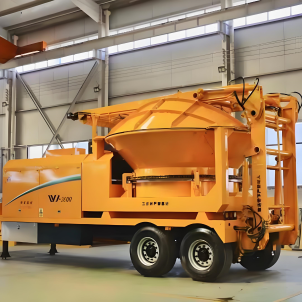
Discuss the actual configuration using the tub grinder product information. Ask for itemized scope rather than treating a headline machine quotation as a completed municipal installation. Site access and transport constraints may change the delivery plan even when the processing requirement stays the same.
Estimate recurring cost on an accepted-output basis
Keep energy, operating labor, receiving and sorting, loading, wear, service, reject handling and output transport visible. Divide costs attributable to the chosen period by accepted output on the stated moisture and mass basis. If the municipality mainly buys a backlog-clearance service, also retain the cost per completed service period so that the public-service outcome is not reduced to an ambiguous tonnage ratio.
Use measured quantities and time from the municipal capacity worksheet. A low annual utilization can raise ownership cost per accepted tonne even when the machine processes well during operation. Keep that economic effect distinct from a technical capacity shortfall.
Separate cash benefit from service benefit
Cash benefit may include documented reductions in contracted processing, disposal or haulage expenditure, after subtracting new costs. Additional material revenue should enter only when an actual receiver, acceptance basis and net delivery cost are credible. Do not count the same avoided transport twice under both reduced disposal and reduced haulage.
Service benefits may include a more manageable stockpile or better scheduling. Report them with measurable indicators such as queue trend or cleared in-scope backlog, but do not invent a monetary value merely to shorten payback. A decision can be justified partly by service resilience without claiming that every benefit is immediate cash income.
Use ROI measures with their limitations visible
Simple payback divides net initial investment by a positive annual incremental operating benefit. It ignores financing, the timing of cash flow, residual value and later replacements. If the municipality requires discounted cash flow, use its approved methodology and project horizon. A project that lacks a positive financial benefit should not be given a manufactured payback period.
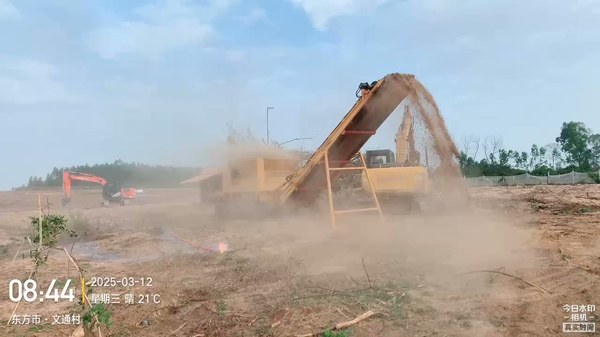
For deployment uncertainty, the mobile field-cost assessment helps expose time spent moving and preparing rather than grinding. For a more regular feed path, compare a horizontal wood grinder only on equivalent material and accepted-output requirements. Different equipment options must not be assigned different quality standards to create an apparent saving.
Present a defensible downside case
Test fewer available processing periods, lower released woody-feed quantities, delayed receiver collections and higher verified service expenditure. State the source of each assumption. Test variables separately before combining them so the reviewer can identify which condition changes the decision. Do not treat a storm surge as a permanent annual supply unless the records support it.
Keep unresolved risks as decision actions with owners: trial acceptance, permit review, outlet agreement, loader availability or support scope. Approve expenditure only after the critical assumptions have credible evidence. Revisit the budget once operating records replace estimates, retaining the version used for the original decision.
Budget questions
Does reducing the stockpile prove that the project earns money?
No. It demonstrates a service outcome. Financial benefit depends on the change in actual expenditure and net revenue, with consistent boundaries and no double counting.
What should a quotation request contain?
Send the feed quantities, processing schedule, receiver requirements, site conditions and bid scope sheet through WeiDong's project contact page. Request itemized equipment and support terms so the municipality can compare complete, testable proposals.