Welcome to Weidong Machines
How to Choose a Tub Grinder for Municipal Woody Waste
Choosing a tub grinder for municipal woody waste requires a procurement brief that separates suitable woody feed from the rest of the incoming stream. Branches, arboricultural logs and woody pruning can share a collection route with bags, litter, soil and unknown materials. A machine selection based only on the total mass arriving at a municipal depot can therefore overstate the available feed and understate the sorting work.
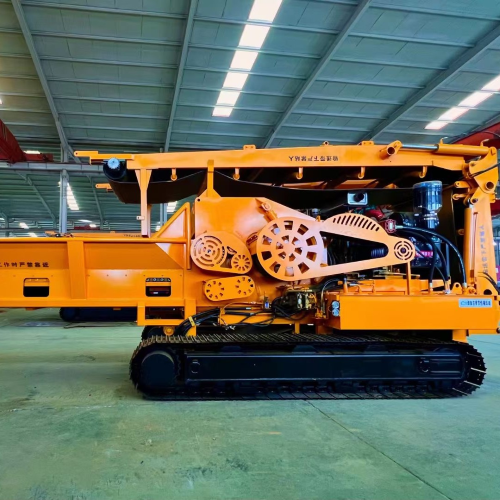
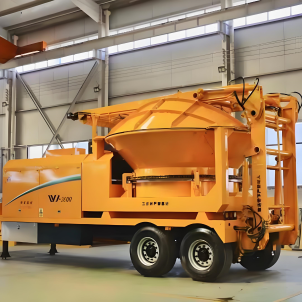
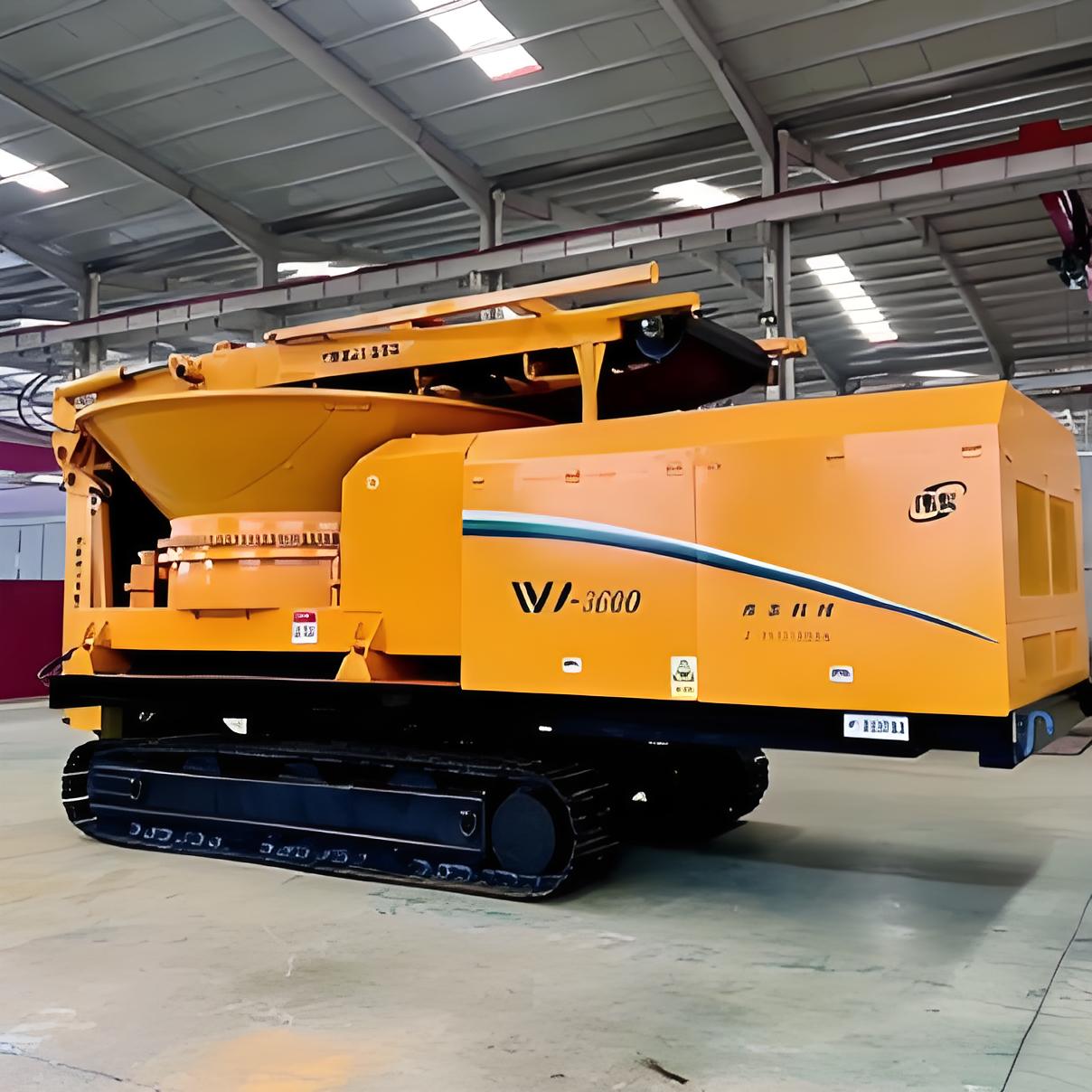
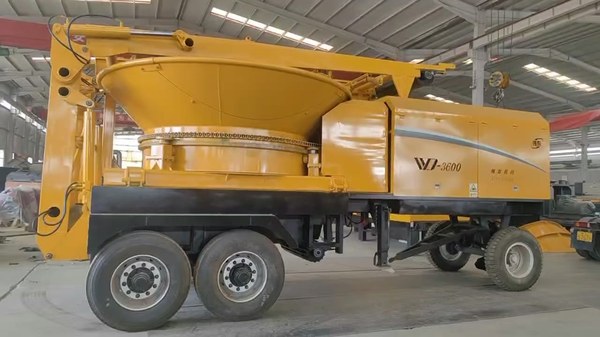
The most useful shortlist is a set of requirements and evidence, not a ranking based on a headline engine rating. This guide helps a municipal team compare proposals without inventing throughput guarantees. Review the tub grinder equipment range after the project requirements are defined, not as a substitute for them.
Define the service the municipality actually needs
Write down the collection routes, depot locations, available woody fractions and intended output destination. Separate normal pruning collections from surge work following a severe-weather event. A short emergency backlog is not automatically evidence of a year-round processing requirement. Document whether the goal is reducing haulage volume, preparing accepted mulch feed or supplying an approved biomass route.
Identify materials that require a different handling or assessment pathway. Unknown demolition timber, treated material, heavily contaminated loads and non-woody waste should not enter the assumed feed simply because they are already at the depot. Local permit conditions and receiver contracts need review by the responsible people. This article does not establish that a specific destination is legally or commercially suitable.
Use exclusion criteria before comparing optional features
| Decision gate | Minimum evidence | Reason to pause |
|---|---|---|
| Feed compatibility | Representative pieces and documented exclusions | Unknown material or contamination pathway |
| Output acceptance | Receiver specification and trial sample review | No confirmed use for the product |
| Site compatibility | Actual access, operating layout and utilities | Unresolved site constraints |
| Operating capability | Staffing, loader and service responsibilities | Support tasks omitted from scope |
| Commercial comparison | Comparable delivered and operating scope | Incompatible assumptions between offers |
Only proposals that pass these gates should move to a preference score. A convenient mobility option or a favorable price does not compensate for an unaccepted output or unresolved feed hazard. Record exceptions explicitly; otherwise a procurement score can make a disqualifying issue disappear inside an average.
Collect a representative feed dossier
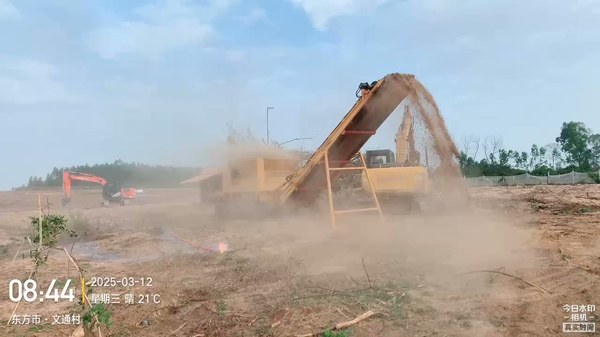
Use dated photographs and records from different collection routes. Include piece shape, branch entanglement, moisture observations, source confidence and contamination findings. Show typical material and the difficult condition expected in normal operation. Keep occasional out-of-scope material separate rather than presenting it as routine feed.
A useful dossier tells the supplier how the feed is released, not just what it looks like. Explain receiving inspection, sorting equipment and the process for rejected loads. If the municipality does not yet have an effective release process, include its development in the project plan. The sawmill selection example demonstrates requirement-led comparison, but its clean mill-residue assumptions must not be carried into municipal procurement.
Choose the deployment arrangement on logistics evidence
A multi-depot project may benefit from moving processing equipment, while a single organized site may favor a stable arrangement. Compare access, transport responsibility, relocation time, staffing and support equipment. Do not assume that wheels or tracks alone determine the best deployment. Evaluate the actual routes and the complete selected configuration.
Where mobility is central, consult the municipal mobile-fit assessment for questions about location and schedule. Where the feed path is more regular, a horizontal wood grinder may belong in the comparison. Retain identical receiver and test requirements when comparing different arrangements.
Specify a trial that can reject an unsuitable proposal
Ask each supplier to identify the tested configuration, feed preparation, output criterion and support tasks. Use a known batch, track accepted output and retain the stop reasons. Do not accept an impressive short demonstration as evidence of a whole-shift result if loading, sorting, relocation or output collection were excluded.
Define failure conditions in advance. These may include unacceptable contamination in output, an inability to handle the declared representative feed within the approved procedure or unresolved site incompatibility. Avoid demanding arbitrary performance values without measurement. The trial should establish what the particular project can deliver under documented conditions, with uncertainty retained where the sample is limited.
Compare the complete cost and support scope
Request itemized delivered equipment, configuration, commissioning, training and support information. Confirm compatible consumables, service responsibilities and available documentation. A low purchase figure may omit transport, power provision, support machinery or maintenance inventory. Keep recurring labor and output handling in the comparison as well.
The investment worksheet provides a way to separate initial expenditure from recurring cost. Adapt the baseline to municipal collection and processing; do not borrow a mill's residue sales assumptions. Record how the municipality will value service outcomes separately from any speculative material revenue.
Make the procurement decision traceable
Keep a requirement register with an owner, evidence reference and unresolved action for every critical item. When a proposed configuration changes, identify which acceptance evidence still applies. A different screen, power arrangement or discharge setup may require a reviewed trial rather than a simple substitution in the quotation.
Close the decision with an operating plan: feed release, loader availability, output storage, staffing, maintenance and a stop-work escalation route. The successful purchase is the one that meets the service requirement with a supportable workflow. The paperwork should explain why it was selected even to a reviewer who did not attend the demonstration.
Procurement questions
Is the largest available machine always the safest choice?
No. Fit depends on feed, output, site and support arrangements. Excess headline capacity does not fix contaminated receiving or a blocked output route, and it can make an unsupported operating budget look deceptively comfortable.
What should accompany a supplier enquiry?
Submit the route-based feed dossier, receiver requirement, site constraints and trial acceptance gates through WeiDong's contact page. Ask for a written configuration and evidence plan before relying on a single quoted production rate.