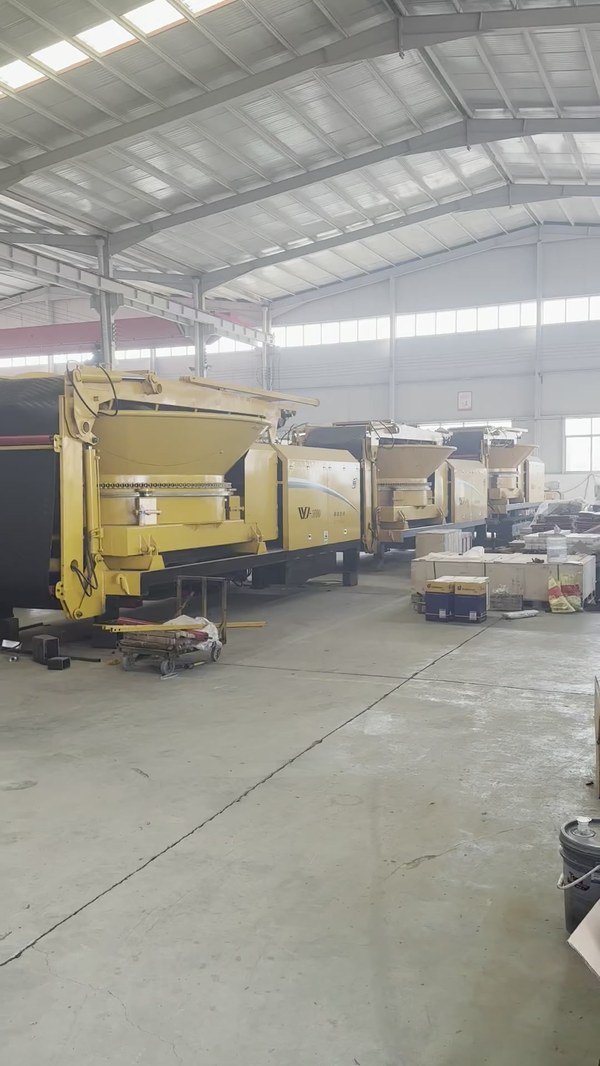
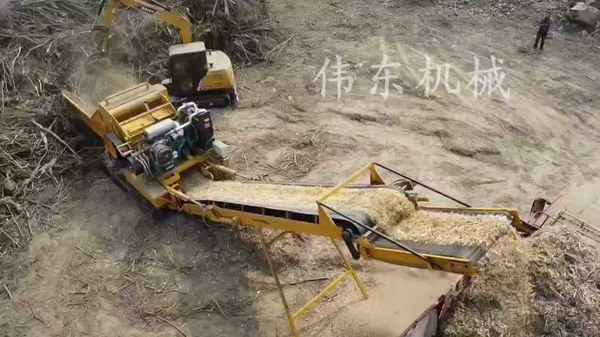
Welcome to Weidong Machines
Tub Grinder Cost for Sawmill Waste: Budget and ROI Factors
A useful estimate of tub grinder cost for sawmill waste starts with the residue stream that actually needs size reduction, not the total quantity of wood leaving the mill. Slabs, edging offcuts and bark may have different buyers, moisture conditions and handling costs. Sawdust that already has a dependable outlet should not automatically enter the grinder investment case. Count only the incremental benefit produced by a changed workflow.
This worksheet is for a mill owner deciding whether to purchase equipment, hire a processing contractor or continue the existing arrangement. It does not give a universal machine price or a promised return. Use written quotations and measured mill records. The sawmill equipment selection guide establishes the material and output requirements before the financial comparison begins.
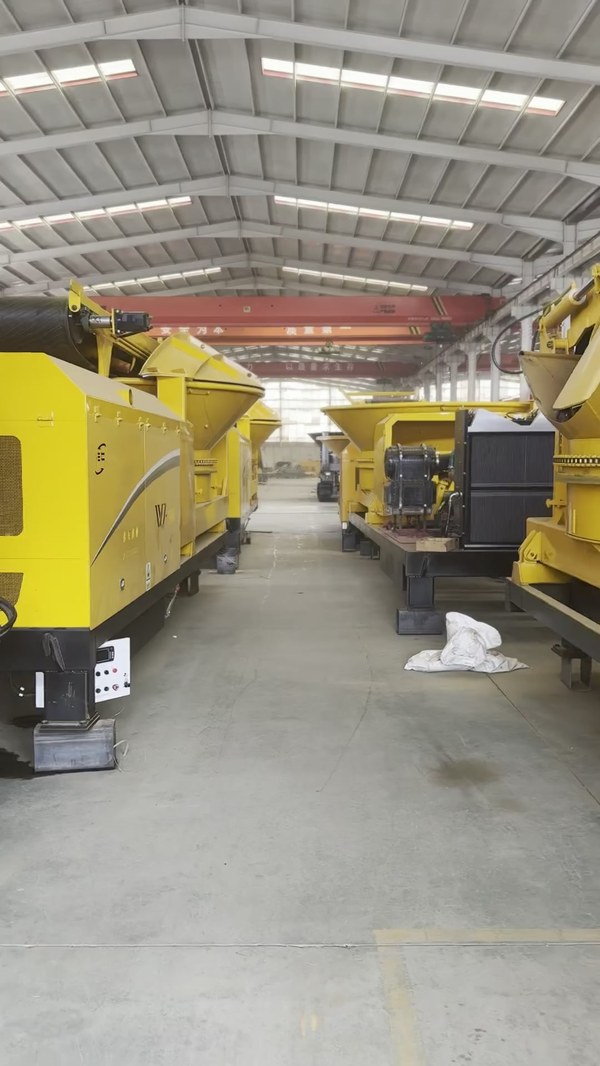
Define the baseline before entering a purchase price
Describe what happens today to each residue fraction. Record collection, internal transport, storage, contracted processing, disposal and any sale proceeds. Include the labor and loader time the current arrangement already requires. A new grinder cannot claim all handling cost as a saving if the same loader will continue collecting slabs and moving finished material.
Choose a representative period that includes normal production and a less favorable operating week. Identify whether storage congestion interrupts production or merely changes the location of a stockpile. Treat a claimed reduction in mill downtime as a separate benefit needing evidence. Do not monetize every hour of inconvenience as lost lumber revenue without confirming that production and sales were actually constrained.
Separate investment expenditure from recurring cost
| Cost line | Evidence to request | Common omission |
|---|---|---|
| Delivered equipment and configuration | Itemized quotation and scope | Unspecified screens or discharge arrangement |
| Installation and commissioning | Site assessment and written responsibilities | Utilities, preparation and training |
| Processing expenditure | Measured energy, labor and accepted output | Idle and support-equipment time |
| Maintenance and inventory | Compatible parts list and service plan | Freight, inspections and working capital |
| Downstream handling | Receiver specification and loading records | Rejected or reprocessed material |
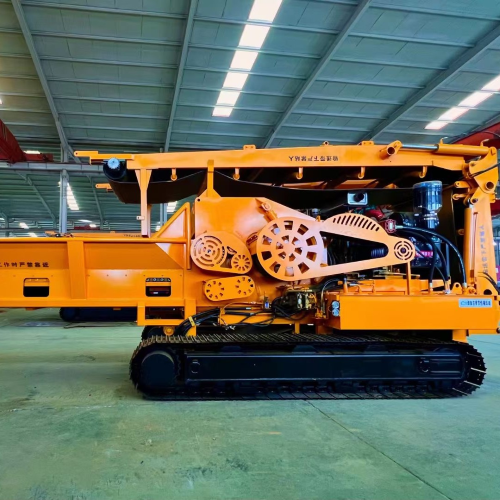
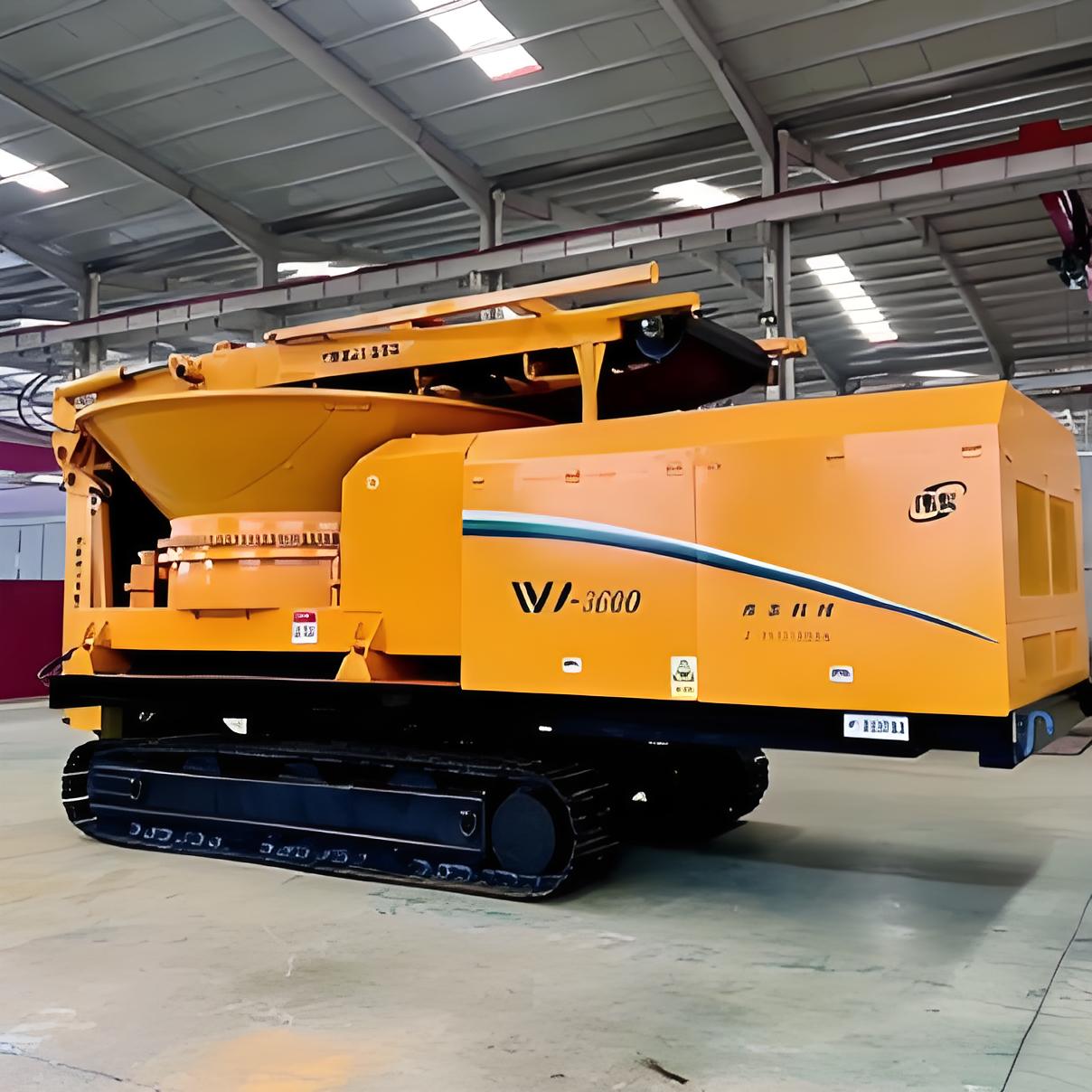
Use the tub grinder product information to identify a configuration for quotation, rather than inserting an unverified online specification into the budget. Shipping, power supply, local installation and commercial terms are project-specific. Record currency and tax treatment consistently when comparing offers.
Use accepted output as the economic denominator
Calculate recurring processing cost per accepted tonne as the cost attributable to the period divided by the mass meeting the agreed output requirement during that period. Material sent through the machine but held for rework is not yet accepted output. Keep disposal of contaminants and rejected batches visible instead of silently spreading it across a larger intake quantity.
If the buyer pays on a dry-mass basis, document the moisture method and convert quantities consistently. If payment is per delivered wet tonne, preserve that commercial basis and do not describe it as dry yield. Either method can be used when clearly identified; mixing wet intake, dry output and loose cubic metres in one calculation makes the result uninterpretable. The capacity planning measurement sheet helps collect usable quantities and operating time.
Build the incremental cash-flow calculation
Annual incremental operating benefit equals avoided baseline expenditure plus additional net residue revenue, less new recurring expenditure. Additional net revenue means the change in sales proceeds after the extra delivery, storage and quality-control costs required to earn those proceeds. Do not count the gross selling price as profit, or count both avoided contractor fees and savings that were already included in those fees.
For a preliminary screen, simple payback equals net initial investment divided by a positive annual incremental operating benefit. It is not a full investment valuation: it excludes the timing of cash flows, financing, residual value and later replacement expenditure. Where the mill uses discounted cash-flow analysis, apply its own approved discount rate and project horizon. A negative or near-zero annual benefit means the payback screen is not meaningful, not that the arithmetic should be adjusted to obtain an attractive number.
Test utilization and the weakest credible scenario
Estimate processing demand from mill production records and residue that is genuinely available after existing commitments. Available calendar hours, scheduled staffed hours and productive grinding hours are different quantities. A machine can have sufficient technical capacity yet be a poor purchase because the volume available to it is too low. Include shutdowns, batch preparation, maintenance and output loading in the time model.
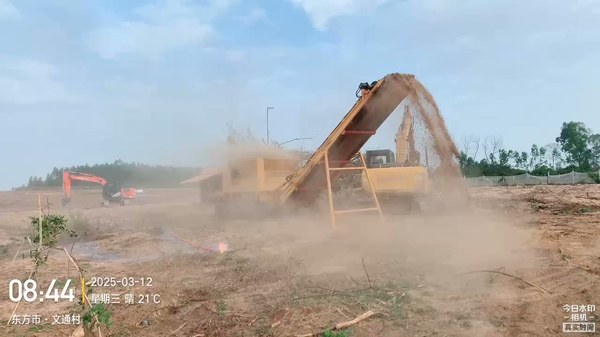
Create at least a base case and a downside case using documented changes: fewer operating days, lower accepted output, a weaker residue sales price or higher service expenditure. Change one input at a time before combining adverse conditions so the investment team can see which variable dominates. For a mobile or intermittent arrangement, the field-cost framework provides a useful distinction between processing and non-processing time, although its municipal feed assumptions must not replace mill measurements.
Compare purchase, contract processing and alternative feed paths
Use the same accepted-output specification and the same annual quantity for each option. A contractor quote may include an operator but exclude a loader, fuel, mobilization or removal of rejects. An ownership budget may already include those items. Normalize scope before calling one approach cheaper. Record whether the contractor can arrive when storage requires action and whether the mill can support operation during normal production.
Equipment alternatives should also be evaluated on material suitability. When the residue is predominantly uniform offcuts rather than irregular slabs and bark, compare the proposed tub arrangement with a horizontal wood grinder on the same representative material. This is a configuration comparison, not a statement that one machine type is always less expensive. The trial must confirm the receiver's output requirement before a financial advantage is assigned.
Document the evidence needed for approval
The investment pack should contain a dated feed inventory, the current residue contract, output acceptance terms, itemized quotations, a trial log, an operating schedule and named owners for every financial assumption. Mark estimates separately from measured records. A useful decision rule is to postpone approval when an important benefit depends on an outlet that has not accepted a representative sample.
Retain a short change log when quotations or production forecasts change. This makes the decision auditable and prevents an old sales price from remaining in a revised budget. Ask the supplier to explain exclusions and support responsibilities rather than treating a headline quote as a complete project commitment.
Frequently asked questions
Can revenue from all sawmill waste be included?
No. Include only the incremental revenue attributable to the proposed change, after honoring existing outlets and deducting additional delivery or quality costs. Segregating fractions may preserve an established higher-value use without grinding them.
What should be sent with a quotation request?
Send representative slab and bark photographs, measured quantities, moisture information, the intended output, operating schedule and site constraints through WeiDong's contact page. Request a clearly scoped equipment and trial proposal. Review the budget again after measured accepted output replaces the provisional estimate.