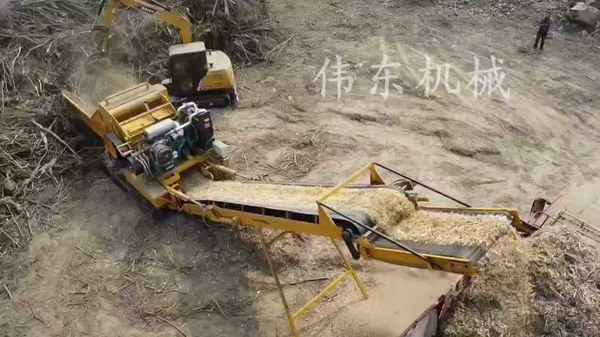
Welcome to Weidong Machines
Tub Grinder Maintenance for Municipal Woody Waste: Wear and Downtime Checklist
Tub grinder maintenance for municipal woody waste should be connected to changes in the collection service. A machine receiving routine pruning one week and an unfamiliar cleanup stream the next may encounter a different contamination and loading condition. Maintenance planning must notice that change before a worn component or repeated stop becomes a service backlog.
This checklist is for the supervisor responsible for equipment availability and approved return to service. It does not prescribe universal service hours or component limits. Follow the selected machine's documentation and authorized procedures. The municipal operating workflow keeps feed release and shift handover linked to the maintenance plan.
Review the service change before the machine change
Record new collection routes, exceptional cleanup work, changed sorting arrangements and altered output requirements. Explain these changes to the operator and maintenance team. An unexpected increase in contaminants or abrasive carryover should trigger a receiving review, not a silent assumption that the grinder now has a shorter normal component life.
Keep the approved feed boundary intact. Unknown timber, soil-heavy material, metal and unrelated mixed waste require the appropriate assessment or rejection pathway. Do not grind first and investigate the source afterward. The maintenance team needs the load reference when an unusual event occurs so that it can distinguish a changing duty from a mechanical defect.
Maintain a readiness matrix for planned service
| Readiness item | Evidence before the task | Reason to delay release |
|---|---|---|
| Correct task and documentation | Applicable machine instructions and scope | Unclear component criteria or configuration |
| Competent personnel | Assigned qualified people and responsibilities | Unresolved specialist support need |
| Safe isolation | Approved energy-control and verification process | Uncontrolled stored energy or access |
| Compatible parts and tools | Confirmed identity and availability | Similar-looking but unverified replacement |
| Return-to-service checks | Restoration, clearance and authorization plan | Incomplete guards, fault or open action |
A scheduled shutdown is useful only when the job is ready. Starting an incomplete task can convert a planned window into a long wait for parts or instructions. Keep unresolved preparation items visible to the service planner rather than treating the booking itself as proof of readiness.
Use observations to escalate defects
Record unusual vibration, noise, leakage, abnormal output or repeated interruptions with the time, feed batch and operating condition. State what was observed and what action was taken. Do not label a symptom as a specific bearing, rotor or drive failure before a qualified investigation confirms the cause.
Define the escalation route and the person authorized to decide the next step. A repeated abnormal condition should not be cleared merely because the machine restarted once. If an approved limit or fault instruction is unavailable, obtain it from the correct documentation or support contact. Avoid substituting an arbitrary threshold from another machine model.
Inspect components only with verified safe access
Before entering hazardous areas, clearing obstructions or inspecting the working components, apply the authorized isolation and verification process, including applicable stored energy. A stopped motor or an emergency-stop control is not a substitute for verified isolation. The site procedure and manufacturer's instructions determine the required sequence.
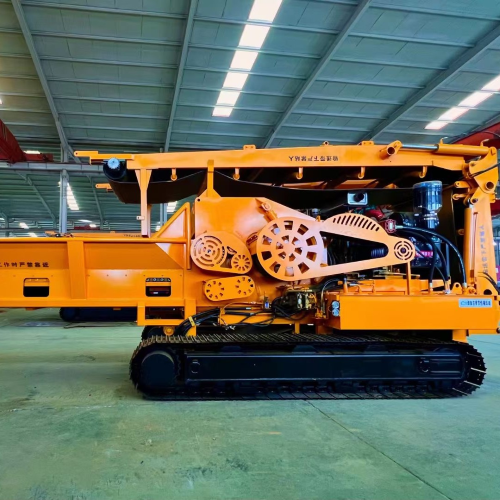
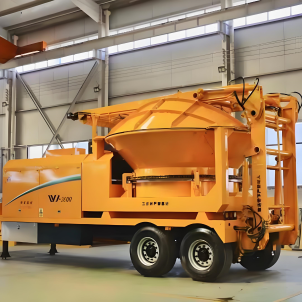
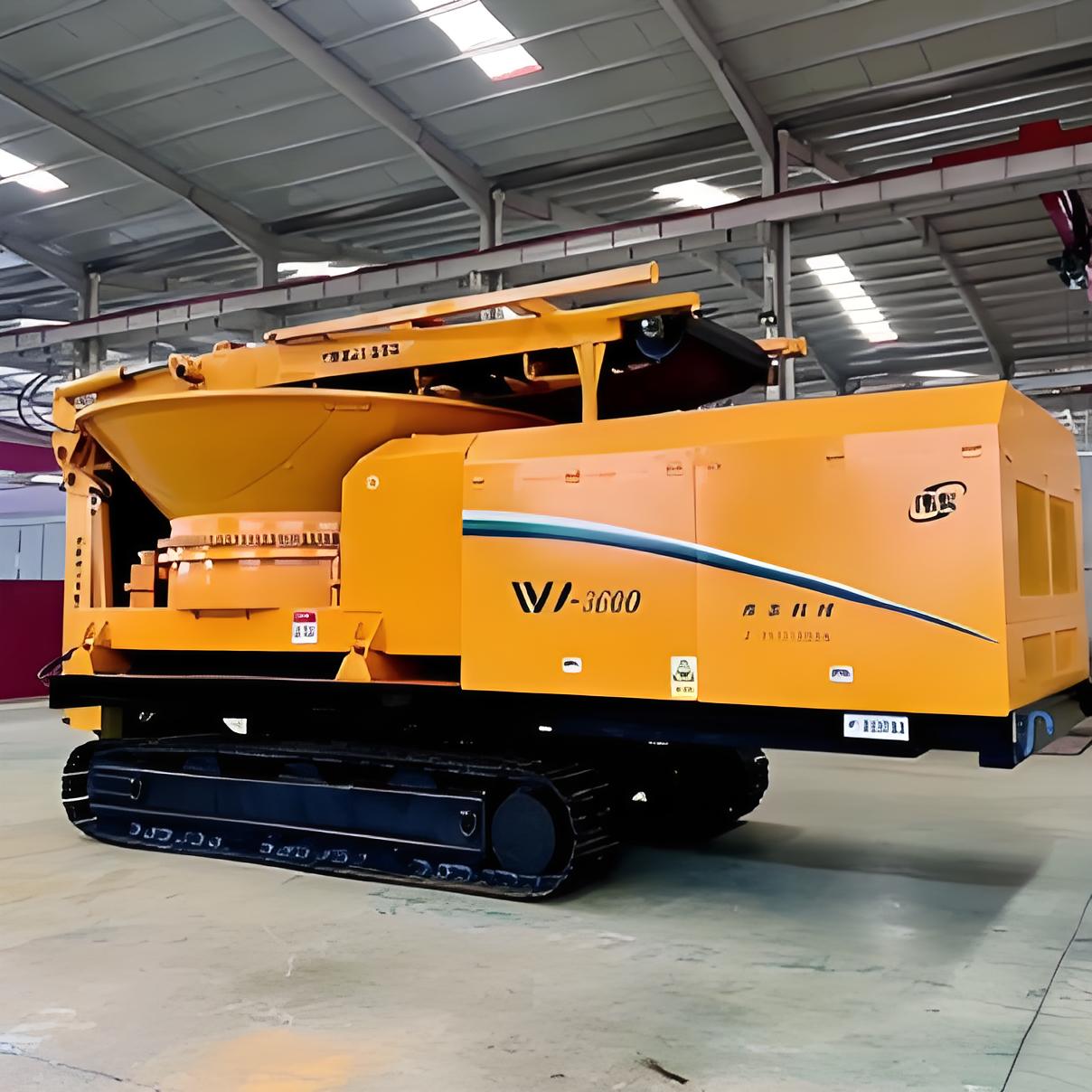
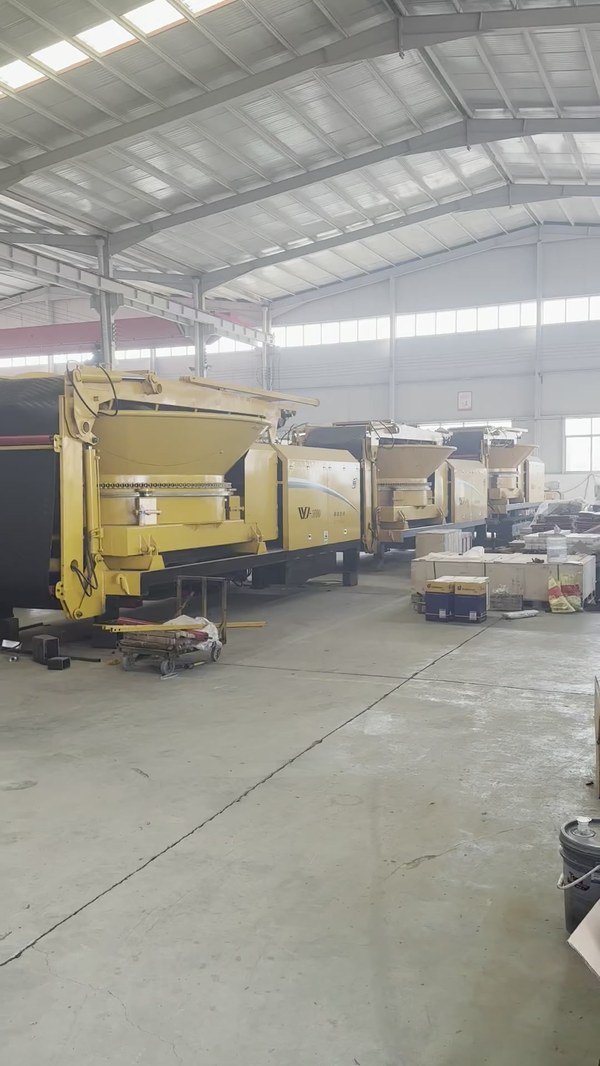
Qualified inspections should compare the relevant cutting or grinding parts, screens, fasteners, tub drive and discharge system with applicable acceptance criteria. Keep location-labelled photographs and records of findings. A workshop equipment photo illustrates the machinery arrangement; it does not show that a particular operating machine has passed an inspection.
Connect wear findings to receiving control
When abrasive wear or impact damage is suspected, review the batch source, sorting outcome and collection surface. Determine whether an out-of-scope load entered released feed or whether a route's material description was incomplete. Replacing a component without addressing the source can leave the cause of the next interruption unchanged.
The municipal contamination checklist provides receiving questions that complement, rather than replace, mechanical inspection. The selection guide helps review whether the declared feed and configuration still match the service actually being delivered.
Plan inventory and the service interruption together
Confirm compatible replacement parts, delivery lead time and the personnel required for installation. Keep replenishment ownership clear. Inventory decisions should reflect observed consumption, consequences of unavailability and credible supplier information, not an invented universal component lifetime.
Schedule service alongside receiving, loader allocation and output collection. If the grinder is unavailable, decide how released arrivals will be stored or handled under the approved service plan. Use the municipal backlog worksheet to distinguish a temporary interruption from a schedule that cannot recover its accumulated feed.
Verify restoration and measure the consequence
Before return to service, confirm the task is complete, protective systems and guards are restored, personnel are clear and the required checks have been performed. Document who authorizes the release and any remaining restrictions. Keep quarantined feed or output separate while related questions remain unresolved.
Measure the full interruption separately from hands-on repair time, including diagnostic work, parts waiting and release checks. Record overlapping constraints without double counting lost hours. The equipment range supports configuration enquiries; it does not supply serial-specific service values. If persistent handling constraints suggest a different feed arrangement, compare a horizontal wood grinder on an equivalent service requirement instead of assuming equipment replacement will solve an unresolved maintenance defect.
Supervisor questions
Should a surge backlog postpone every service task?
No. Review the task's safety and condition implications with the responsible team. A backlog does not justify operating with an unresolved defect or skipping a required check. Plan service continuity explicitly rather than extending duty without evidence.
What should accompany a support request?
Provide machine identity, configuration, dated symptoms, load source, safe inspection findings and the interruption timeline through WeiDong's support contact page. Request the applicable criteria and an authorized corrective-action path. Retain the response with the maintenance record so future shifts can see why the machine was released.