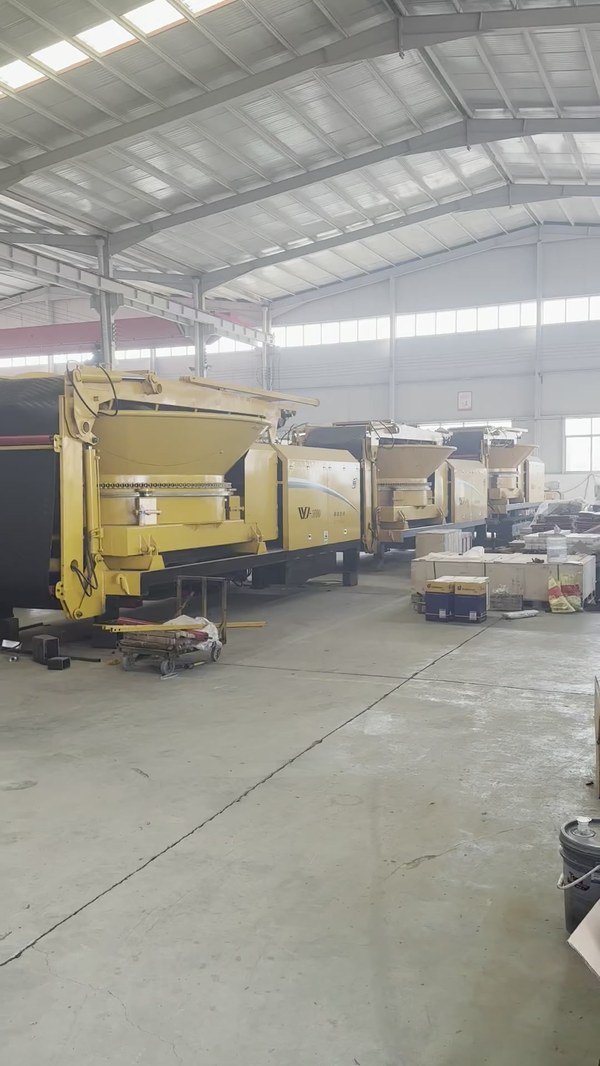
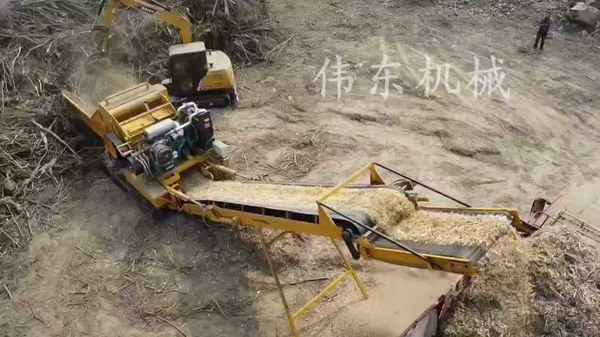
Welcome to Weidong Machines
Tub Grinder Capacity Planning for Municipal Woody Waste: What Buyers Should Measure
Capacity planning for municipal woody waste starts with how material arrives and how much of it is released for grinding. Total gate receipts, available woody feed and accepted finished output are different quantities. A tub grinder selected from the largest daily receipt alone may be oversized for routine work or still fail to clear a surge because inspection, loading or output collection is limiting the system.
This buyer's worksheet combines demand and production measurements. It does not assign a universal hourly rating. The municipal procurement guide establishes feed exclusions and output requirements that must remain fixed while capacity is compared.
Measure arrivals by route and period
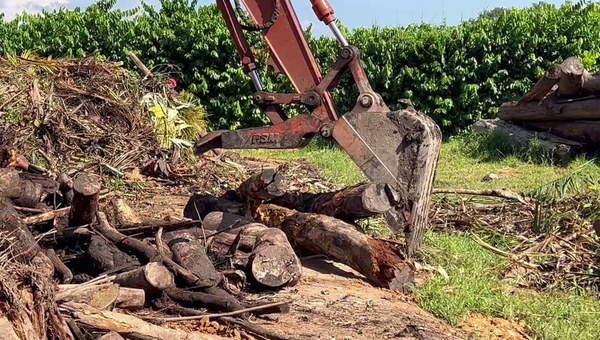
Record dated receipts from routine pruning, tree work and any exceptional cleanup. Use weighed mass where available; otherwise label the estimated volume and its measurement method. Do not convert loose truck volume to tonnes with a generic density. Different branch packing, moisture and fractions can make such a conversion misleading.
Keep rejected material, non-woody constituents and material reserved for another outlet separate. Identify the period represented by each record, including days when no collection occurs. A monthly average cannot explain a depot that receives most of its woody material on only a few days. Retain the original daily or shift records so a procurement reviewer can see the arrival pattern.
Choose the correct capacity measures
| Measure | Calculation basis | Question answered |
|---|---|---|
| Released feed demand | Suitable feed over the collection period | What actually needs grinding? |
| Productive grinding rate | Measured processed mass over grinding time | How did the tested configuration process that feed? |
| Accepted shift output | Accepted mass over staffed shift time | What can the whole workflow deliver? |
| Backlog change | Opening stock plus arrivals minus releases | Is storage pressure increasing? |
| Support availability | Available loader and output-handling periods | Which resource constrains the schedule? |
Record the moisture and acceptance basis beside each mass. If a downstream contract uses dry mass, keep its conversion method explicit. Do not compare wet intake in one proposal with accepted dry output in another and label the difference as machine efficiency.
Design a representative production observation
Select batches from known routes, covering typical feed and a difficult condition that is genuinely in scope. Record piece geometry, branch entanglement, moisture observations, visible contamination and any preprocessing. Use the actual proposed configuration and retain the output samples the receiver reviewed.
Log start and stop events separately: receiving delays, loader waiting, material preparation, grinding, checks and output removal. The observation period must have enough context to explain a rate; a short interval with prearranged feed and empty discharge space is not a complete service-day result. The sawmill measurement example illustrates consistent quantity and time definitions, although its material mix is different.
Model demand and backlog recovery
For a clearly defined period, closing backlog equals opening backlog plus released arrivals minus feed processed, using the same unit and boundary. Keep output waiting for acceptance in a separate stock account. Otherwise a yard may appear cleared while an unaccepted finished-material pile simply replaces the incoming pile.
A preliminary backlog-recovery calculation divides the backlog to remove by the positive difference between sustainable processing per period and continuing arrivals per period. Both rates must use the same time basis. If that difference is zero or negative, the schedule cannot clear the backlog under those assumptions. Treat the calculation as a planning model, not a guaranteed completion date, and review weather, staffing and collection changes.
Identify the constraint outside the grinder
Check whether the loader can supply the released feed without abandoning receiving inspection or finished-material loading. Check whether output storage remains available and the receiver can collect it on schedule. Also identify relocation, utilities and service tasks that remove equipment from the planned operating window.
The project handover framework shows how to assign release responsibilities; adapt those gates to municipal receiving. When capacity is limited by the feed path rather than the size-reduction unit, comparing a horizontal wood grinder may be useful, but it will not fix a shortage of trained operators or an unavailable output destination.
Compare offers with a capacity evidence sheet
Ask each supplier to state the feed tested, configuration, processing-time definition, accepted output and support equipment. Put these facts beside the quoted production claim. Mark untested conditions instead of extrapolating a clean-batch result to contaminated, wetter or more entangled feed.
Use the tub grinder range to discuss suitable arrangements after the evidence sheet is assembled. A broader tub or a higher stated power rating does not alone predict accepted shift output. Configuration, feed properties and the complete operating system remain part of the comparison.
Keep a margin without disguising assumptions
Test a base operating schedule and a constrained schedule with fewer available processing periods or more support delays. State why each change is credible. A contingency factor selected only to make an equipment size look comfortable is not measured evidence. The planning team should know whether uncertainty comes from arrivals, production observations or staffing availability.
Review the model after actual operation begins. Compare arrival records, queue size, accepted output and downtime with the assumed values. Change the schedule or feed-release process before concluding that every shortfall demands a larger machine. Retain the old version so the reason for the change remains visible.
Buyer questions
Can peak storm cleanup determine the entire purchase?
It can influence the service requirement, but separate the exceptional backlog from routine demand. Consider the processing schedule, storage plan and alternative surge arrangements before treating a short peak as continuous annual utilization.
What data is needed for a capacity enquiry?
Send route-based arrivals, released woody-feed quantities, a representative batch description, the receiver requirement and available processing periods through WeiDong's contact page. Ask for a testable configuration rather than an unsupported single hourly number.