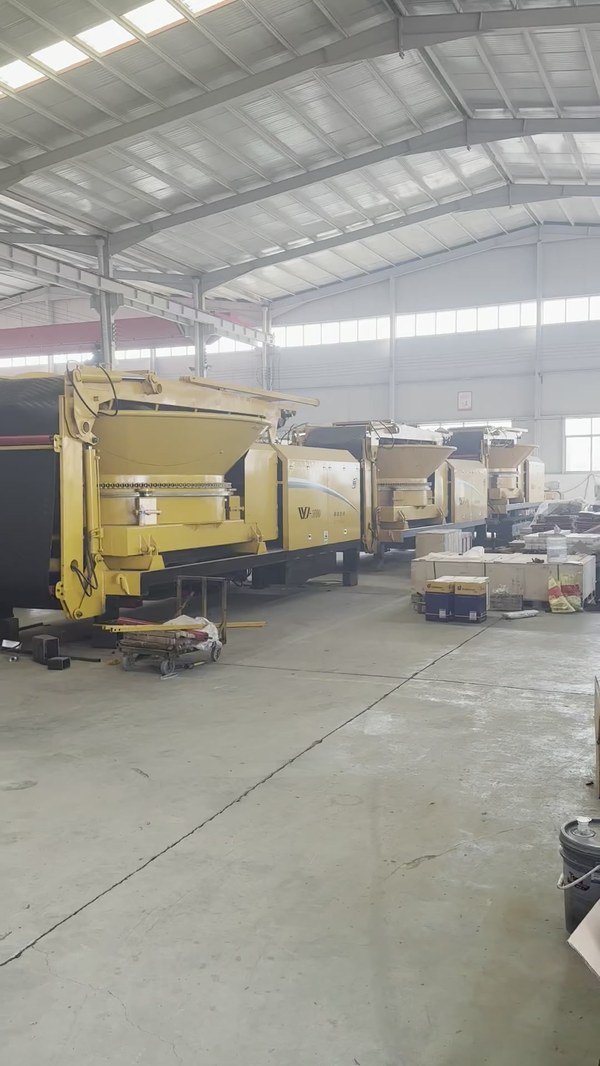
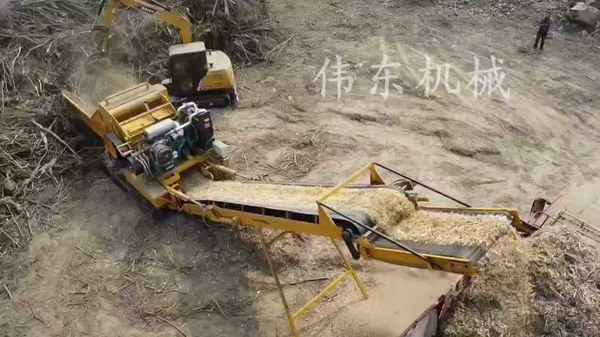
Welcome to Weidong Machines
Sawmill Waste Processing Workflow: Planning a Tub Grinder Project
A sawmill waste tub grinder processing workflow should be designed as a controlled project, not simply as a pile beside a machine. The mill must know which residue fractions are available, who owns them, what the next user will accept and who can release a batch for processing. Those decisions prevent an otherwise capable machine from producing material with no approved destination.
This guide follows the project from definition to operating handover. It concerns slabs, edging offcuts and bark; it does not assume that sawdust, treated timber or every residual stream belongs in one feed pile. Start with the sawmill selection checklist before agreeing the equipment configuration.
Write a project charter with exclusions
Name the process owner, operating supervisor, maintenance contact and output receiver. State the feed sources and the material explicitly excluded from this project. Record existing residue sales or disposal contracts so that a new processing proposal does not accidentally claim material already committed elsewhere. A short charter can prevent expensive assumptions from becoming equipment requirements.
Define the intended result in receiver terms: permitted constituents, particle-size requirements, moisture basis, contamination limits and delivery method. Obtain these requirements directly rather than inferring them from photographs of wood chips. Where an outlet remains provisional, mark it as such and reserve a decision gate before buying equipment or committing all production residue to that route.
Map the handovers, not only the machines
| Project gate | Owner | Release evidence |
|---|---|---|
| Feed definition | Mill production lead | Measured available fractions and exclusions |
| Output definition | Receiver and quality lead | Written acceptance requirement |
| Configuration trial | Supplier and project lead | Traceable feed, settings and accepted output |
| Site readiness | Site supervisor | Approved access and support arrangement |
| Operating handover | Operations and maintenance | Training, procedures and records in place |
At every handover, identify the condition that permits work to continue and the person allowed to stop it. A production target is not a substitute for release evidence. If the receiver changes the desired output, reopen the relevant trial gate rather than quietly changing a screen and assuming earlier acceptance still applies.
Build a feed inventory that survives changes in lumber production
Measure residue by source over representative shifts. Keep bark-rich loads separate from clean offcuts, and distinguish routinely generated pieces from occasional oversized material. Log moisture observations and the mass or clearly stated volume basis. A production week dominated by one lumber dimension may not represent another order mix.
Record where each fraction waits, how it is moved and what inspection is possible before loading. Prevent packaging, strapping and unrelated workshop waste from entering a cleared batch. The capacity planning guide explains why time and quantity measurements should be retained together. Inventory is a project input, not a promise that every listed fraction will perform equally.
Arrange the trial around an acceptance decision
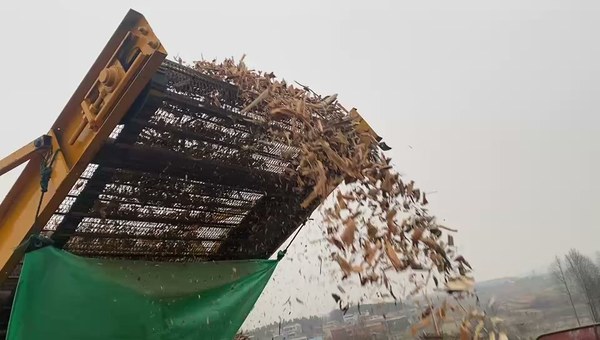
Choose representative batches, including a plausible difficult condition, and label them before processing. Record material composition, configuration, operating observations, support equipment and downtime reasons. Collect output samples with batch references so the receiver can compare the sample with the corresponding feed. Do not present a hand-picked clean output photograph as proof for all material classes.
For an arrangement under comparison, include a horizontal wood grinder only when the feed geometry and project requirements justify evaluating it. Apply the same output acceptance test to both options. A trial is successful when the complete workflow can deliver the required material, not merely when wood exits a conveyor.
Make site readiness a separate workstream
Resolve machine access, support-equipment movements, utilities, discharge handling and storage before delivery. Keep pedestrians and unrelated traffic away from the operating area under the site-specific safety plan and manufacturer instructions. No universal distance or layout fits every tub grinder installation. Confirm the actual configuration and risk assessment with responsible personnel.
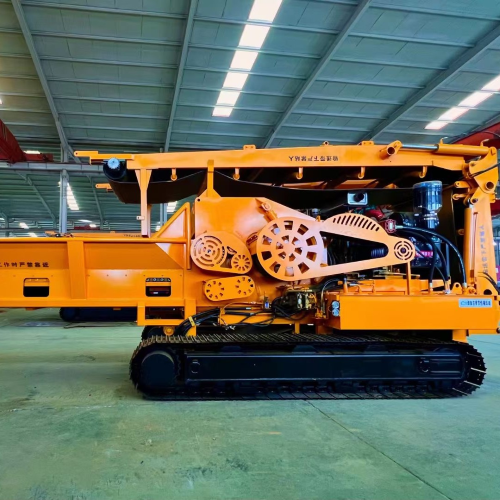
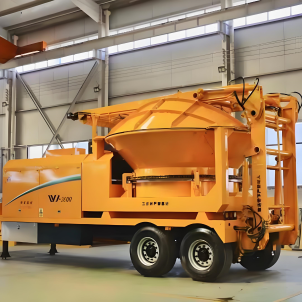
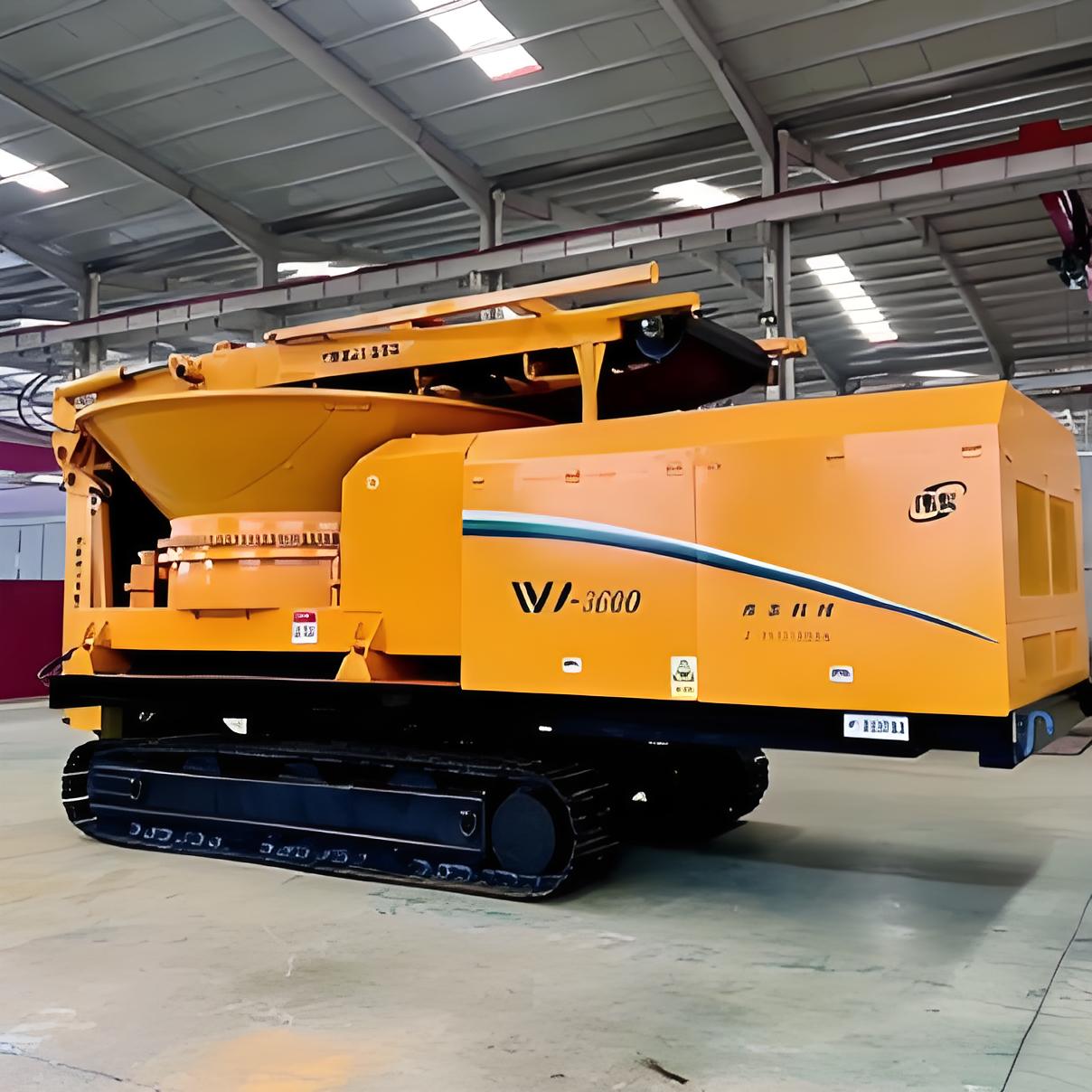
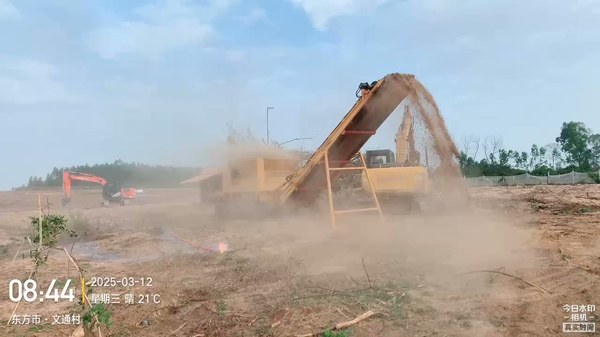
The tub grinder product range can support a configuration discussion, while the mobile loading workflow offers a separate look at loader and discharge coordination. Use these references to formulate questions, not to replace a site inspection or the selected machine's operating manual.
Establish batch traceability before routine operation
A practical batch record needs a source identifier, release decision, approximate feed quantity, operating configuration, output destination and any stop or reject event. Use a record that the operator can actually complete during a shift. Too many fields invite retrospective guesses; too few make it impossible to explain an off-spec load.
Keep awaiting-inspection feed, released feed and rejected material clearly distinguishable. Finished material awaiting receiver approval should not be mixed with accepted stock. If a load is refused, quarantine the affected output and review its source record before reprocessing. Traceability is especially valuable when different mill sections contribute visually similar material with different contamination histories.
Handover should prove readiness, not just delivery
Before accepting routine operation, confirm that trained staff can perform the approved start, feed, stop and inspection sequence. Obtain the appropriate manuals, isolation instructions, compatible parts information and support contacts. Schedule maintenance according to the actual equipment requirements and measured conditions. Do not improvise a generic service interval from a demonstration video.
Close open actions explicitly. A machine delivered to site, a signed transport document and a successful commissioning trial are different milestones. Retain the first operating records and review whether support-equipment time, output storage or receiver collection is limiting the process. Use the sawmill investment worksheet to update the business case with actual operating evidence rather than keeping the provisional assumptions indefinitely.
Project questions worth resolving early
Can separate residue streams be combined?
Only after confirming compatibility with the selected equipment and the receiver's acceptance terms. Mixing can remove the ability to preserve a clean fraction's existing outlet and can make a contamination investigation harder.
What is the next planning step?
Send the feed inventory, proposed handover gates, representative photographs and receiver specification through WeiDong's project contact page. Ask for a configuration and trial scope with clear responsibilities. Release the project for routine production only after the unresolved acceptance and site-readiness items have been closed.