Welcome to Weidong Machines
Tub Grinder Capacity Planning for Sawmill Waste: What Buyers Should Measure
Tub grinder capacity for sawmill waste: use a documented material sample, time boundary, machine configuration and accepted-output rule before comparing capacity figures.
Sawmill residuals can include slabs, edgings, bark, trim blocks, offcuts and existing fines in changing proportions. A single tonnes-per-hour figure hides those boundaries. A defensible purchase comparison gives every supplier the same material file, output rule, site drawing and trial method.
Build the quotation around four residual streams
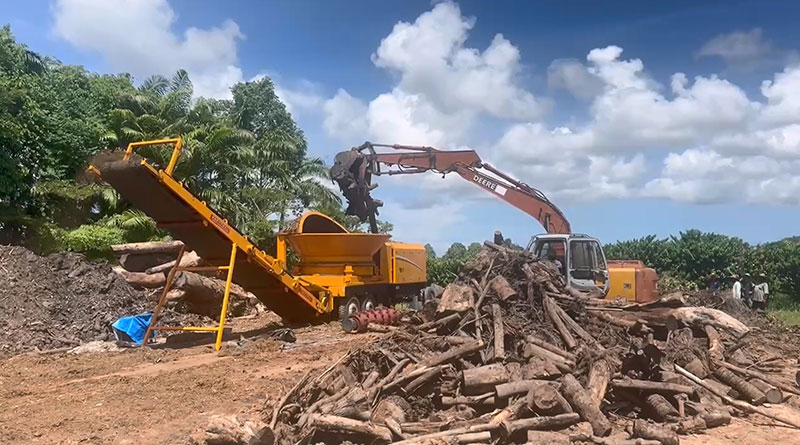
A sawmill should not request one configuration for an undefined pile called wood waste. Separate coarse slabs and edgings, bark-rich material, short trim blocks, and existing fine material such as sawdust or planer shavings. Record the share, maximum piece geometry, moisture condition, storage method, visible metal, soil pickup and intended receiver for each stream. Existing fines may need controlled collection, screening or dust management rather than another pass through a coarse grinder.
| Commercial question | Evidence for the quotation | Reason it changes selection |
|---|---|---|
| Which coarse streams enter the grinder? | Representative photographs, dimensions and lot quantities | Feed presentation and preparation are tied to real material rather than a generic label. |
| Where will the processed material go? | Receiver acceptance criteria and sampling method | Output size, fines and contamination must be judged against an actual handoff. |
| Which streams remain separate? | Source map for bark, clean wood, treated wood and fines | Separation can protect product value and prevent an unsuitable mixed trial. |
| What must the supplier include? | Base machine, options, loading, discharge, commissioning and spares as separate lines | Buyers can compare equivalent scope instead of incomparable headline prices. |
Issue the same stream file to every bidder. Mark values as measured, supplier-stated or assumed. If a quantity, moisture basis or acceptance limit is unknown, leave it unresolved and assign a test instead of inserting a precise-looking estimate.
Define accepted output before capacity
Capacity is useful only when the output meets the written destination rule. Record the receiver’s particle-size range, oversize limit, fines tolerance, moisture basis and contamination threshold. Track mass to accepted product, oversize, recirculation, removed contamination and unresolved loss. Keep gross elapsed time beside productive grinding time so loader gaps, screen changes, discharge constraints and sampling work remain visible.
Any heating, smoke or suspected self-heating in stored sawmill material requires the site’s emergency and fire-control procedure; this worksheet does not replace it.
Calculate demand from accepted output
Translate weekly or seasonal demand into accepted tonnes or documented volume per gross operating hour. Include startup, inspection, loader gaps, pile changes, sampling, normal adjustments and approved cleaning. Keep peak incoming inventory separate from sustainable dispatch capacity.
| Planning input | What to record | Capacity consequence |
|---|---|---|
| Woody fraction | Daily and peak quantity after sorting | Separates grindable structure from the total residual stream. |
| Operating window | Available gross hours and planned stops | Defines the sustainable hourly requirement. |
| Accepted yield | Output meeting the written size and contamination rule | Prevents rejects and recirculation from being counted as finished product. |
| Storage buffer | Prepared-feed and accepted-output capacity | Shows whether upstream or downstream congestion will stop the cell. |
Compare the complete offered configuration
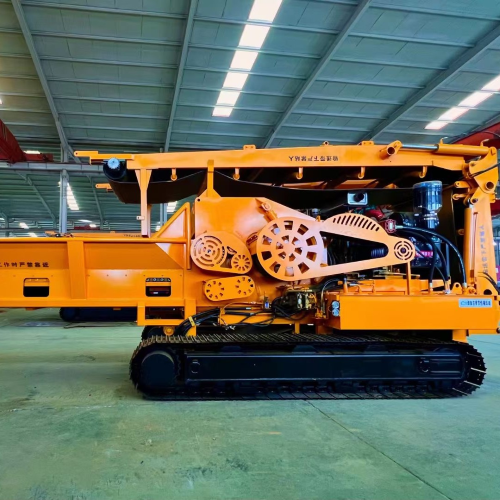
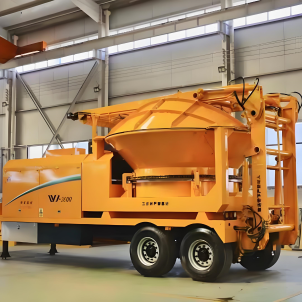
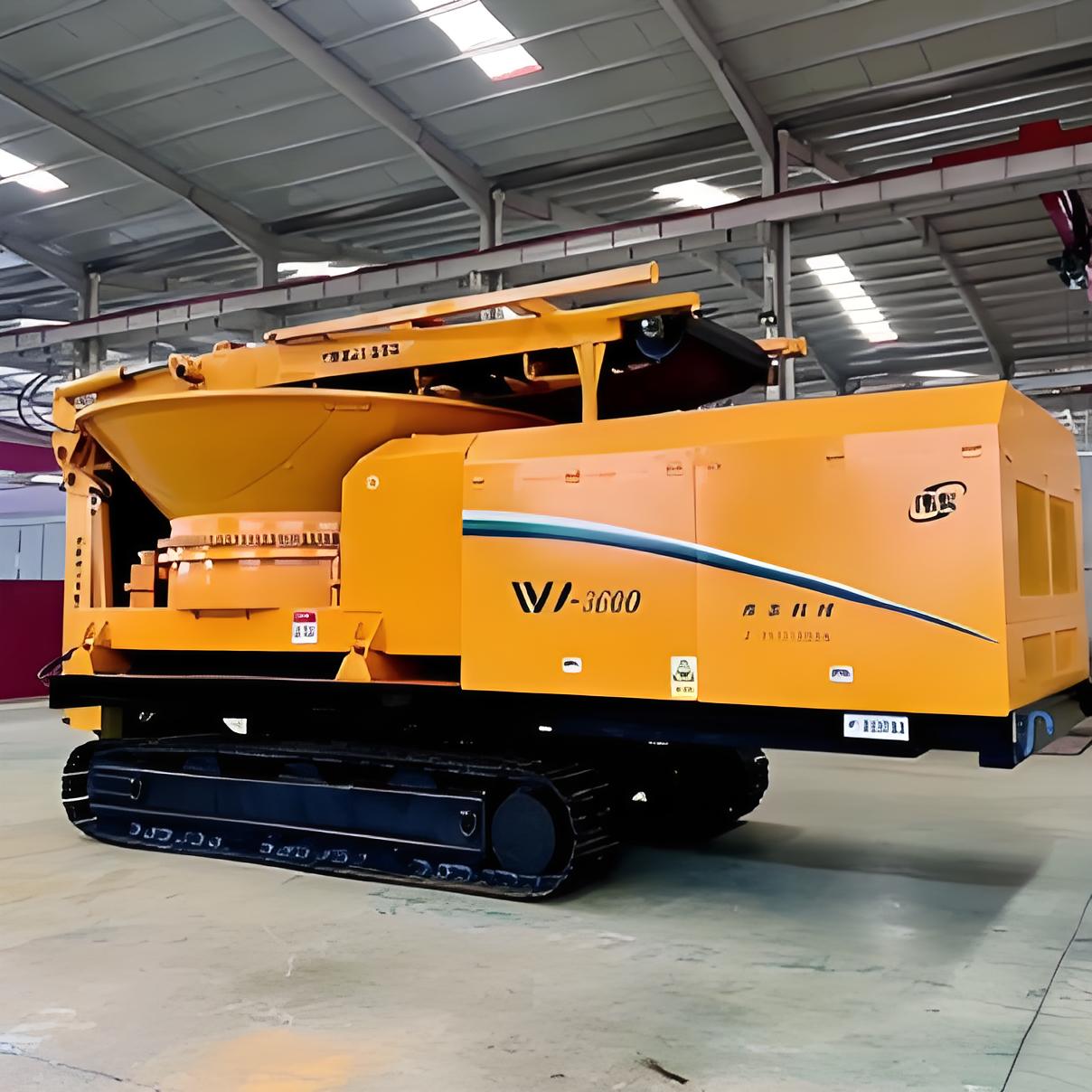
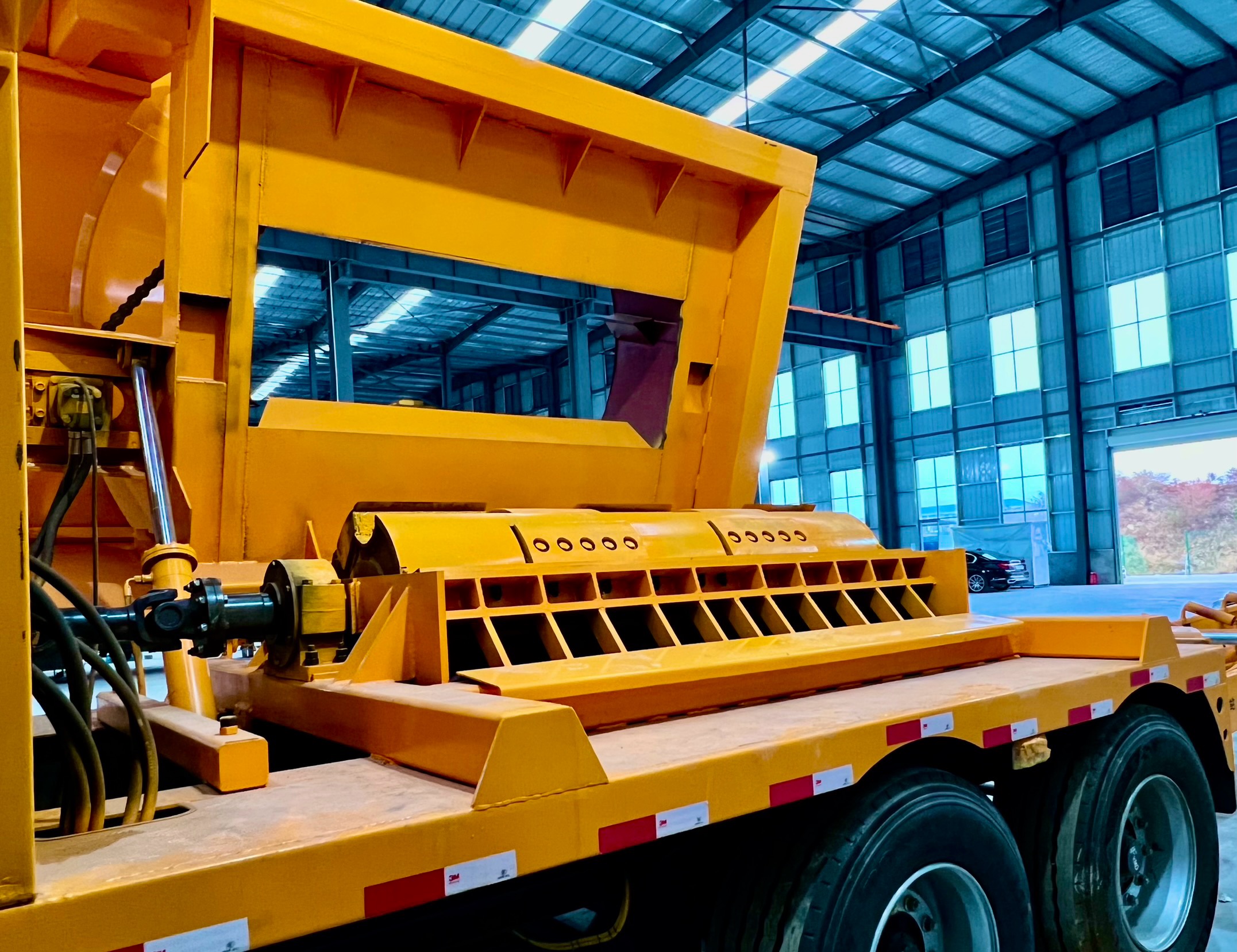
Record machine model, drive, screen, wear system, discharge, mobility, loader requirement, preparation equipment, controls, training and support. Ask every supplier to identify the permitted feed envelope and to mark exclusions explicitly. A machine-only rate is not a production-cell guarantee.
Issue one evidence request to every supplier
Request material-specific test records, measurement method, gross and productive time, rejects, accepted output, screen identity and stated limitations. Create low, expected and difficult-permitted cases. For each case show gross accepted output, scheduled hours, utilization, labor, energy or fuel, loader time, wear allowance, routine service, reject handling and residual disposal.
Do not publish a payback period unless both the baseline cost and proposed cash flow use the same time boundary, quantity basis and outlet assumption. Treat unverified resale value, avoided disposal fee or product revenue as a labeled sensitivity, not an assured benefit.
Prepare the material trial request
Send lot photographs, dimensions, source proportions, outlet specification and layout. The trial record should include configuration, wear condition, loader and discharge arrangement, gross time, productive time, accepted-output samples, rejects, delays and abnormal events. Preserve the individual runs and their range instead of retaining only the highest result.
Buyer release checklist
The material lots and exclusions are identified.
Gross time, productive time, accepted output and rejects use one written boundary.
Configuration, screen, wear condition, loader and discharge arrangement are recorded.
Measured observations, supplier statements and planning assumptions are labeled separately.
Purchasing, operations, maintenance and quality own their respective open actions.
Safety, fire, isolation and maintenance instructions remain controlled by the supplied documentation and site procedures.
Evidence package and next step
Retain the stream map, representative photographs, measurements, configuration, pre-start record, delay codes, accepted-output samples and corrective actions. Final selection should follow representative material and a documented trial rather than an unverified headline rate.
Continue with the tub grinder product range, sawmill waste selection guide, biomass capacity worksheet, and project quotation contact. For an adjacent WeiDong equipment view, see horizontal wood grinder.