Welcome to Weidong Machines
How to Choose a Tub Grinder for Sawmill Waste
To choose a tub grinder for sawmill residuals, begin with the receiver's accepted fuel specification and work backward through the real material supply. The right purchase is not determined by the largest inlet or a single capacity figure. Buyers should document feedstock variation, contamination risk, required output, site movement, loading equipment, downstream steps, and the evidence a supplier must provide before a final configuration is approved.
Build the quotation around four residual streams
A sawmill should not request one configuration for an undefined pile called wood waste. Separate coarse slabs and edgings, bark-rich material, short trim blocks, and existing fine material such as sawdust or planer shavings. Record the share, maximum piece geometry, moisture condition, storage method, visible metal, soil pickup and the intended receiver for each stream. Existing fines may need controlled collection, screening or dust management rather than another pass through a coarse grinder. Keep them outside the grinder trial unless the machine documentation and downstream specification support that route.
| Commercial question | Evidence for the quotation | Reason it changes selection |
|---|---|---|
| Which coarse streams enter the grinder? | Representative photographs, dimensions and lot quantities | Feed presentation and preparation are tied to real material rather than a generic label. |
| Where will the processed material go? | Receiver acceptance criteria and sampling method | Output size, fines and contamination must be judged against an actual handoff. |
| Which streams remain separate? | Source map for bark, clean wood, treated wood and fines | Separation can protect product value and prevent an unsuitable mixed trial. |
| What must the supplier include? | Base machine, options, loading, discharge, commissioning and spares as separate lines | Buyers can compare equivalent scope instead of incomparable headline prices. |
Issue the same stream file to every bidder. Mark values as measured, supplier-stated or assumed. If a quantity, moisture basis or acceptance limit is unknown, leave it unresolved and assign a test instead of inserting a precise-looking estimate.
Define what "sawmill residuals" means in this project
Sawmill residuals include coarse slabs and edgings, bark-rich fractions, short trim blocks, offcuts and already-fine sawdust or planer shavings. Each stream has a different geometry, moisture history, storage method, bulk density and foreign-material risk. A quotation that names only wood waste leaves too many operating assumptions unresolved.
Prepare a source table that lists the normal material, difficult exceptions, seasonal changes, collection method, storage duration, and visible contamination. Include photographs with a known scale and dimensions for representative large pieces. The existing guide to materials a tub grinder can process provides a starting point, but the supplier still needs samples or a representative test for the actual project.
Start from accepted output, not nominal input
Ask the residual receiver to document how loads are sampled and accepted. Record the required particle-size distribution, moisture test method, contamination exclusions, delivery unit, and any additional screening, drying, or blending. A grinder reduces material size; it does not automatically certify fuel quality or remove every contaminant.
Selection should therefore connect the proposed rotor, screen, feeding process, and support equipment to the receiver's method. If the desired output needs multiple steps, include every step in the investment and operating plan. Do not compare machine prices while omitting the equipment and labor needed after grinding.
Build a buyer's evidence matrix
| Decision area | Buyer evidence | Supplier response required |
|---|---|---|
| Feedstock | Representative lots, dimensions, moisture condition, contamination | Configuration assumptions and test requirements |
| Output | Receiver specification and sampling method | Proposed sizing route and limitations |
| Capacity | Daily accepted-ton target and operating window | Test basis, included downtime, and support-equipment assumptions |
| Mobility | Road access, ground, move frequency, site distances | Chassis recommendation and transport responsibilities |
| Operating cost | Labor, energy, wear, handling, rework, rejected output | Items included and excluded from the estimate |
This matrix makes quotations comparable. It also prevents an attractive production number from being separated from the material, screen, loader, and output definition used to obtain it.
Attach an owner and due date to every missing item. For example, the buyer may supply receiver specifications and site dimensions, while the supplier identifies the material sample and machine configuration needed for a trial. A quotation should state which open items could change price, delivery scope, or the final equipment recommendation.
Choose mobility around the route
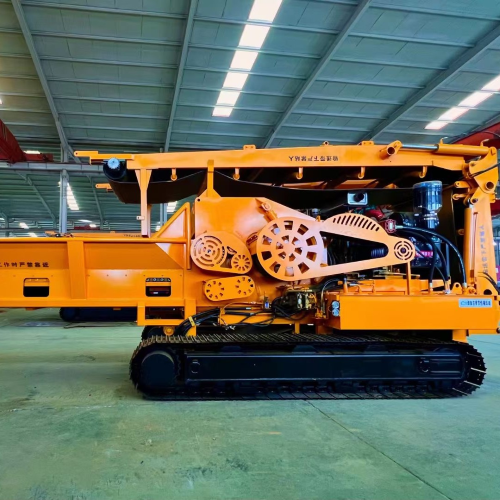
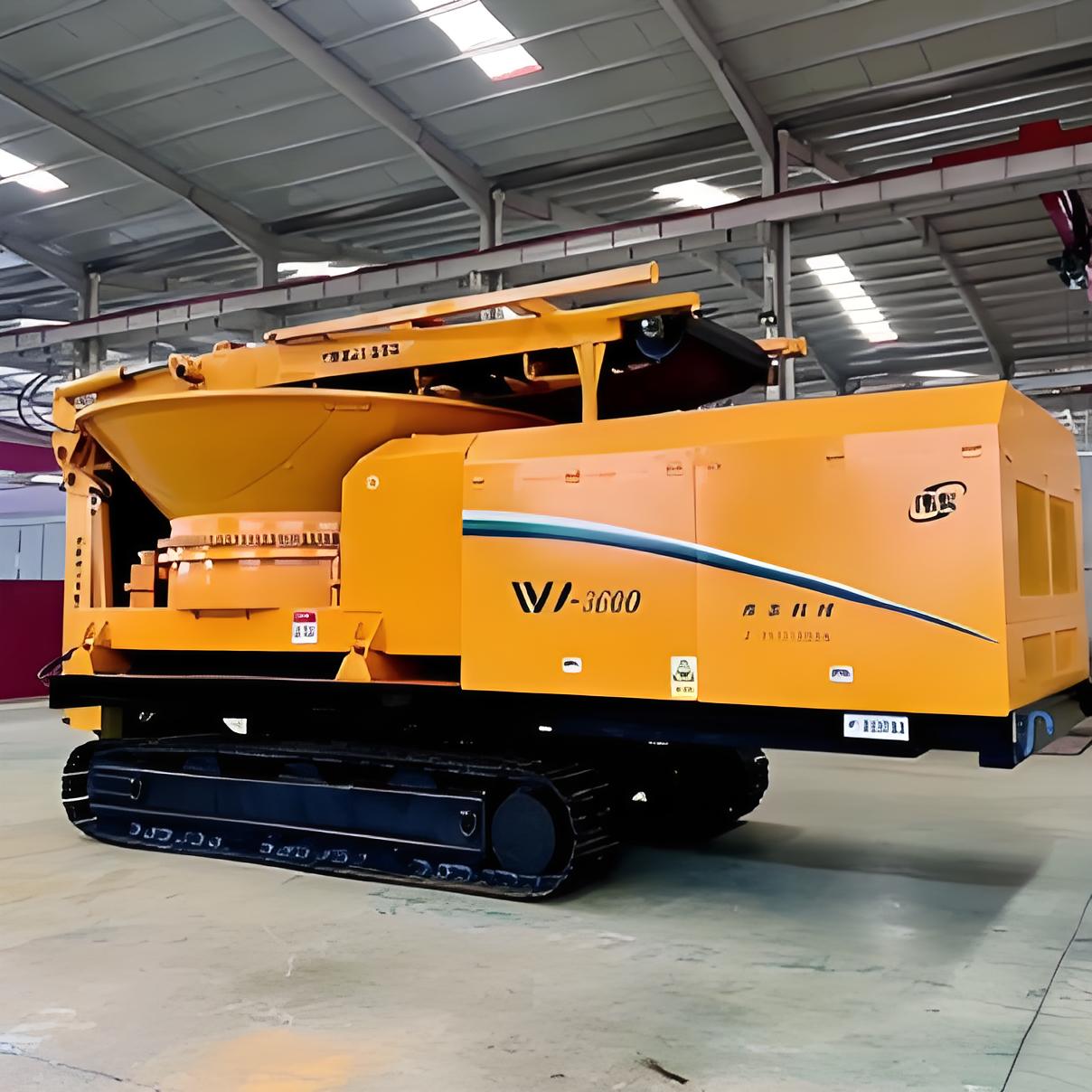
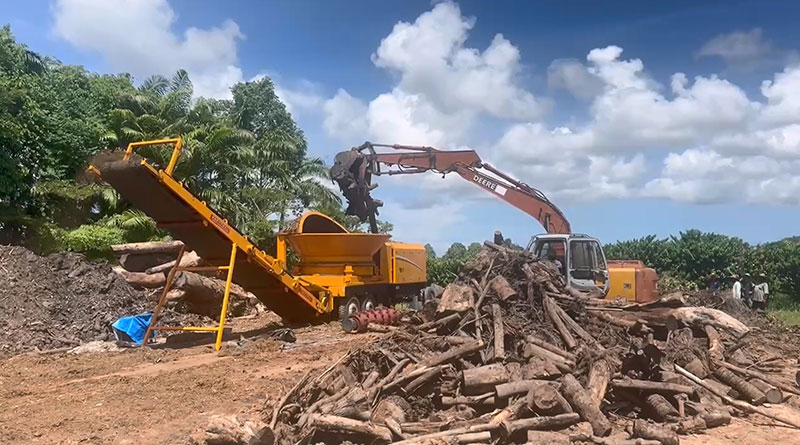
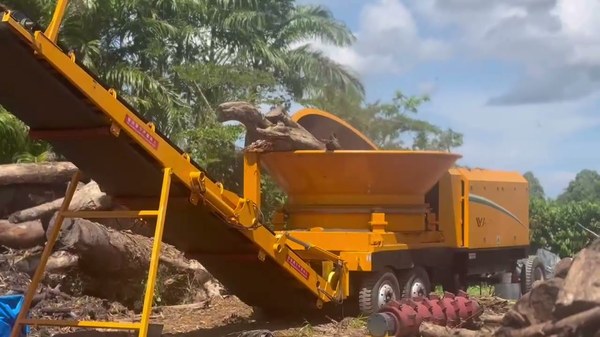
Crawler, trailer, wheeled, and fixed arrangements solve different logistics problems. A crawler configuration may help reposition the grinder on uneven working ground, but it does not remove the need for a compliant long-distance transport plan. A trailer configuration may suit planned moves between accessible sites, provided turning space, setup ground, towing compatibility, dimensions, and local requirements are confirmed.
Compare the complete material route. One option moves raw residues to a central yard; another moves the grinder and support equipment to the source and transports processed material. Include loading, unloading, setup, travel, site restoration, sampling, and rejected-load handling. The comparison between trailer and crawler tub grinders can help structure the chassis discussion.
Treat throughput as a measured project result
Throughput depends on feed composition, preparation, loader behavior, machine configuration, screen choice, output clearing, and the definition of a productive hour. Request the test conditions behind any capacity statement. Ask whether the figure represents input mass, processed output, or accepted fuel, and whether waiting, sorting, clearing, and interruptions were excluded.
Plan a representative trial with at least one normal lot and one difficult but realistic lot. Record starting mass or another agreed quantity basis, preprocessing, loader cycle, configuration, operating window, interruptions, output sample, and receiver assessment. The site throughput measurement guide explains why test boundaries must be stated before results are compared.
Compare total cost per accepted ton
Purchase price is only one part of the decision. Include transport, site preparation, loader time, labor, energy, screens and wear parts, planned maintenance, unplanned downtime, output handling, downstream processing, and rejected material. Define the time period and production basis used for every estimate.
Use scenarios rather than a single optimistic number: normal feed, difficult feed, seasonal moisture, and a lower-utilization period. Label all assumptions. The operating-cost discussion for running a tub grinder can support the worksheet, but quotations should be recalculated with the buyer's local costs and verified configuration.
Request a configuration-specific proposal
A useful proposal should identify the selected configuration, the material evidence reviewed, required preprocessing, loader and discharge assumptions, output target, test method, exclusions, training scope, spare-parts plan, and commissioning responsibilities. Product pages such as the tub grinder category show available equipment directions; they are not substitutes for a reviewed project specification.
Buyers comparing a controlled horizontal infeed can also consult the independent horizontal wood grinder resource. Keep the same evidence package for both machine types so the comparison reflects the feed and workflow rather than marketing language.
Final purchase rule
Choose the machine only when the proposed configuration can be traced to representative material, an accepted-output definition, a workable site route, a documented trial method, and a transparent cost boundary. Any unknown should remain an open action instead of being replaced with an assumed performance figure. Submit the evidence matrix through the WeiDong contact page for a configuration review and material-test discussion.
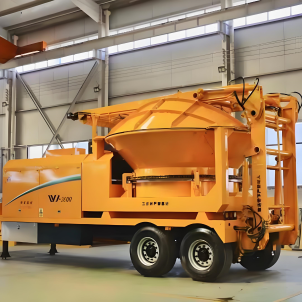
Evidence package and next step
Retain the stream map, representative photographs, measurements, configuration, pre-start record, gross and productive time, delay codes, accepted-output samples, rejects and corrective actions. Mark measured observations, supplier statements and planning assumptions separately.
Continue with the tub grinder product range, biomass fuel selection framework, maintenance evidence checklist, project quotation contact. For an adjacent WeiDong equipment view, see horizontal wood grinder. Final selection should follow representative material and a documented trial rather than an unverified headline rate.