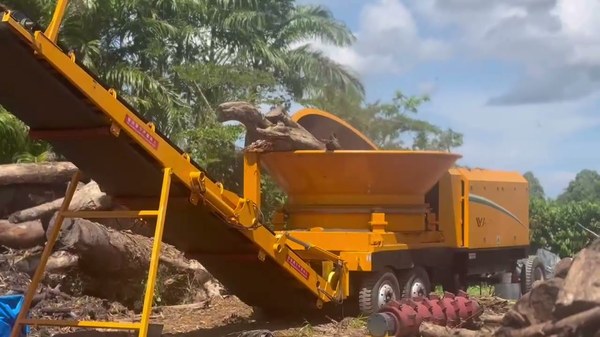
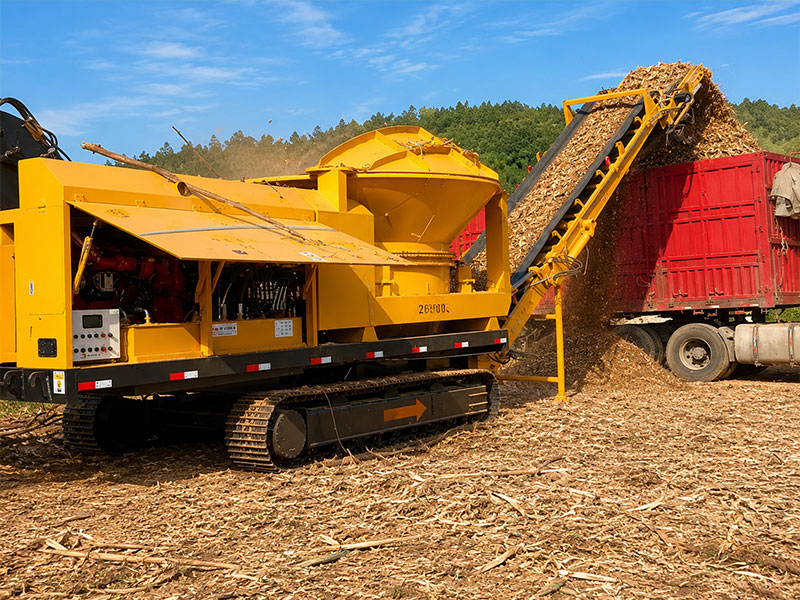
Welcome to Weidong Machines
Tub Grinder Maintenance for Biomass Fuel: Wear and Downtime Checklist
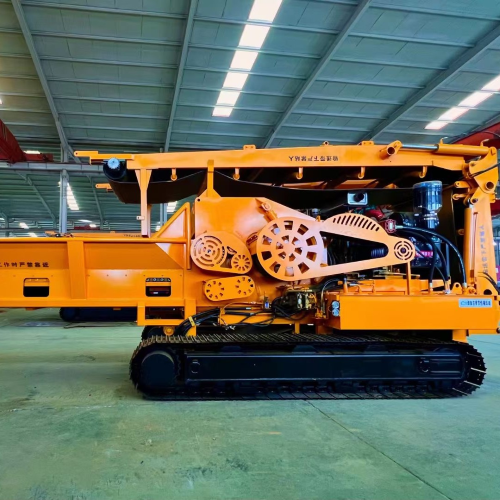
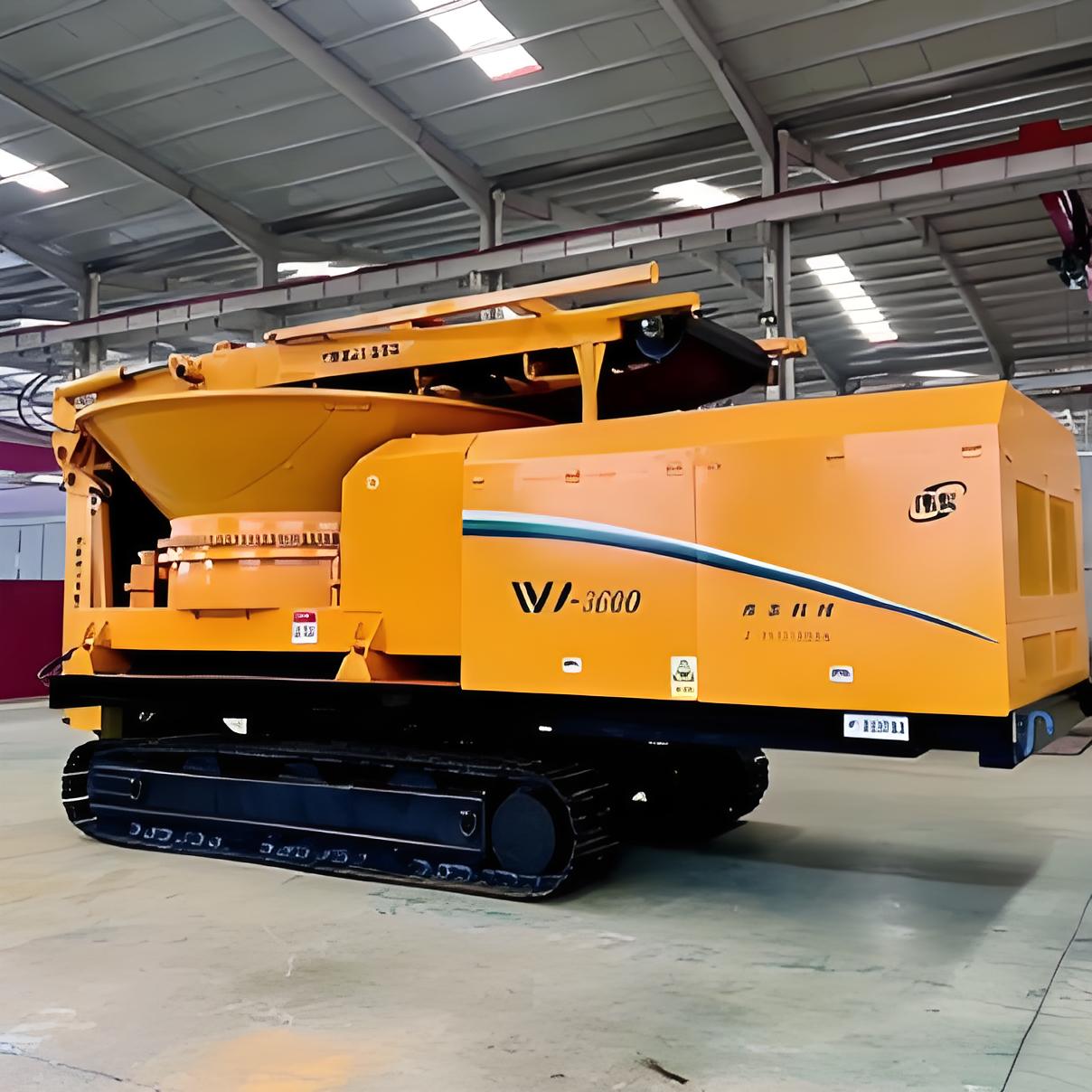
Tub grinder maintenance for biomass fuel belongs in the purchase brief as a defined support scope, not an unsupported promise of low downtime. Buyers need to know which observations their operators can perform, which tasks require authorized service, what records are supplied and how an unresolved finding affects release. This field note gives procurement teams a wear and downtime checklist for comparing offers. It does not invent a replacement interval, service response time or operating limit for any model.
Separate fuel acceptance from grinder maintenance
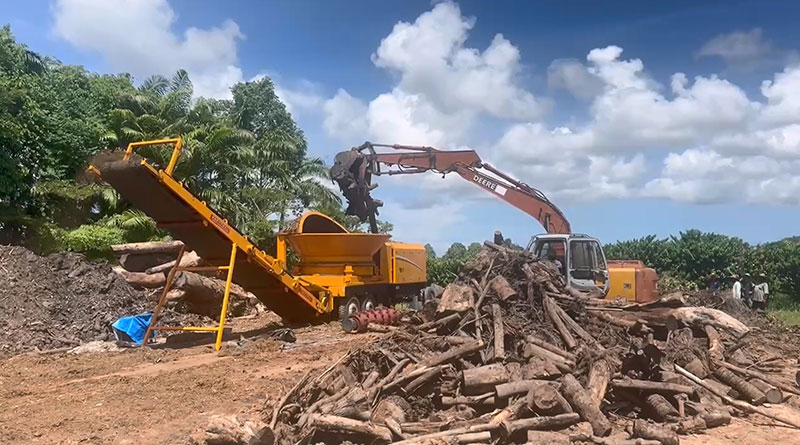
Biomass fuel is an outlet specification, not one uniform incoming material. Forestry residue, clean waste wood, bark, slabs and screened recirculation can carry different moisture, geometry, soil and metal exposure. Record the source and mixing rule for each lot before it reaches the loading queue. Maintenance observations only become comparable when the crew can connect wear, plugging and heat events to the actual feed condition.
Use the receiver's written particle-size, fines, contamination and moisture limits as the release boundary. Hold unknown or prohibited material in a marked area. Smoke, odor, abnormal temperature or suspected self-heating requires the site's emergency procedure and manufacturer instructions; it is not a cue to continue feeding while investigating.
Ask for the maintenance documentation before comparing allowances
Request the documentation applicable to the exact configuration being quoted. Identify operator observations, scheduled maintenance and tasks requiring technician access. Confirm which instructions, part identifiers and inspection records are included with delivery. A proposal that merely says “easy maintenance” has not defined the tasks, resources or responsibilities needed to maintain the selected machine.
Ask the supplier to separate standard supplied information from any additional training or service being offered. Record the language, delivery format and included scope. Do not assume that a demonstration, commissioning visit and continuing service agreement are the same service. Each item should have its own inclusions, exclusions and evidence of completion.
Describe the biomass yard duty beside the quotation
Include biomass fuel sources, preparation arrangements, seasonal quantities and the intended output destination. Separate routine woody piece work from occasional mixed collections. Explain which inspection and source-separation decisions belong to the site. Maintenance allowances cannot be evaluated properly when the buyer's actual duty remains hidden behind a generic description of green waste.
The biomass feed selection guide helps structure that input description. Use the same feed envelope in the maintenance request and in the configuration request. If an offer assumes a cleaner or more consistently prepared material, keep the difference visible before treating its proposed operating allowance as comparable.
Use a quotation checklist with evidence fields
| Maintenance scope | Evidence to request | Buyer question |
|---|---|---|
| Routine observations | Applicable instruction, approved position and record format | Who performs and records each observation? |
| Wear inspection | Component identifiers and authorized measurement procedure | Which access state and qualified person are required? |
| Initial parts provision | Configuration-specific identifiers and itemized quotation | What is included, and what requires a later order? |
| Service support | Contact route, offered scope and stated exclusions | Which response terms are actually included in the agreement? |
| Release after a finding | Authorized review and closure record | Who can return the machine to the agreed operating state? |
Use blanks for unresolved information rather than inserting an assumed service frequency or part life. The checklist should reveal what the offer has not yet defined. A buyer can then request clarification before an allowance becomes a committed project budget.
Keep wear provision separate from fault response
Record a proposed wear allowance as an estimate with its basis and applicable duty. Routine wear observations, an exceptional contamination event and a mechanical fault are not automatically the same cost category. Ask how each will be documented and reviewed. Do not assume that removing an object from the feed closes every inspection requirement associated with the event.
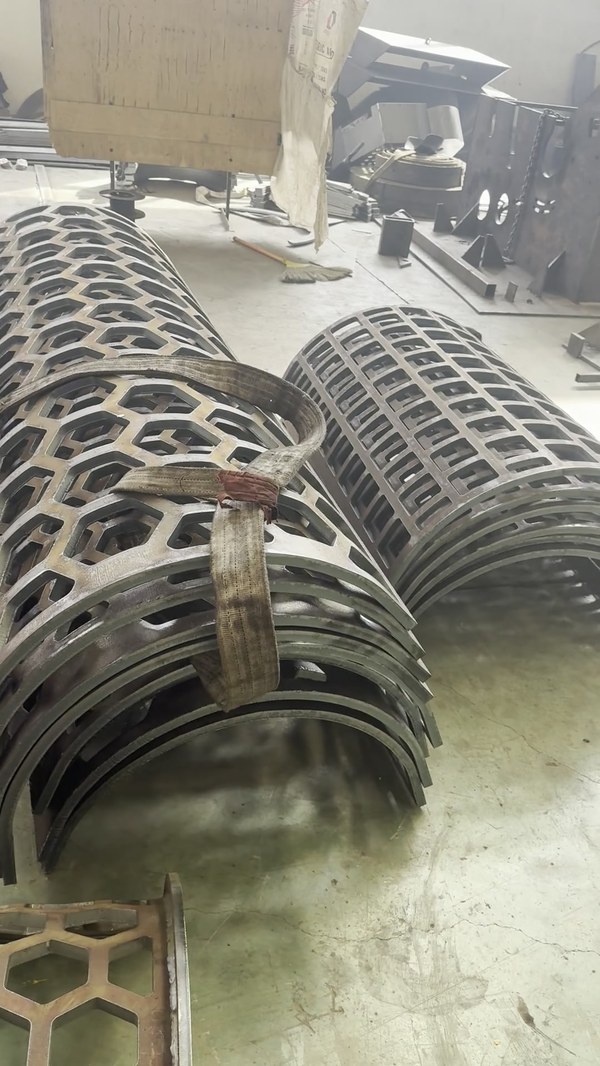
Confirm parts against the machine identifier and selected configuration. Similar appearance in a photograph is not proof of compatibility. Ask for the responsible contact and the information needed for an order. Where availability or delivery time has not been confirmed, mark it unresolved; do not invent a lead time merely to make the downtime model complete.
Split downtime into reviewable causes
Define separate records for planned service, awaiting authorized inspection, parts availability, support-equipment delays and site logistics. A single downtime total may conceal the task the buyer can actually improve. Keep the elapsed boundary and the reason for each interruption. Do not deduct an inconvenient delay from a completed-job report simply because the machine was not actively grinding.
The biomass yard budget and ROI framework explains why these boundaries matter to the financial comparison. Avoid counting the same interruption as both a service cost and an additional invented loss without identifying the actual incremental expense. An estimate should show its assumptions, not imply an established customer result.
Check whether the site can support the promised task
Review access, tools, documentation, responsible personnel and an appropriate location for authorized service. Keep loading and output routes from consuming the required access area. Do not assume that any inspection can be completed in any biomass yard location. Some findings may require a controlled service location under the applicable instructions.
For work that moves between collection points, the mobile maintenance handover guide adds the relocation and receiving-crew review. A moved machine should carry open findings with it. Neither arrival at a new work cell nor a seasonal deadline clears an operating restriction or authorizes a shortcut around the service procedure.
Make commissioning test the support scope
During commissioning, ask the team to locate the applicable instructions, identify a part through the documented process and explain how an abnormal finding is escalated. Treat a hypothetical service event as a clearly labeled desktop exercise, not a claim that a fault occurred. The exercise checks whether responsibilities and information can be followed without creating unsafe material or operation.
Inspection and intervention must follow the machine's shutdown, isolation and stored-energy procedure. Operators should not remove guards, reach into the feed area or collect close-up evidence while hazardous movement remains possible. The purchase checklist organizes support requirements; it does not replace machine instructions or the site's authorized safety procedure.
Request a complete support offer
Send the checklist through the project enquiry page alongside the proposed tub grinder configuration. The horizontal wood grinder overview supports a separate layout comparison using the same maintenance-access questions. Compare documented scope, evidence gaps and responsibilities rather than accepting an unsupported low-downtime claim as the basis for purchasing.
Evidence and next action
Keep the feed-lot record, pre-start inspection, configuration, gross and productive time, delay codes, wear observations, accepted-output sample and corrective action together. Separate measured observations from supplier statements and planning assumptions.
Use tub grinder range, biomass fuel capacity worksheet, project contact page when assembling the maintenance file. For an adjacent WeiDong equipment overview, see horizontal wood grinder. Final intervals and service actions must follow the supplied machine documentation and site procedures.