Welcome to Weidong Machines
Horizontal Grinder Buyer's Guide: Choosing the Right Horizontal Grinder to Avoid Downtime & Maximize
If you choose the wrong horizontal grinder, you may face low output, high fuel cost, and too much downtime. I have seen these problems hurt profits fast.
A horizontal grinder is best for processing long and bulky wood waste like whole trees and long branches into usable material for panel plants, biomass power plants, and pellet factories. The right machine should match your feedstock, output target, power setup, and maintenance needs.
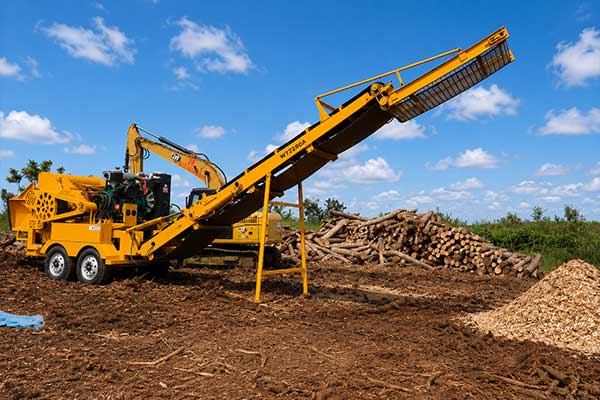
When I talk with buyers, I often find the same issue. Many people compare price first. That sounds normal. But in real production, the better question is how the machine will perform every day under dust, load, and long working hours. I started my career on workshop floors, not in a meeting room. So I learned early that a grinder is only valuable when it keeps running, keeps feeding, and keeps making sellable output. That is why this guide focuses on function, selection logic, power choices, technical data, and long-term reliability.
Understanding Horizontal Grinders: Core Functions and Industrial Applications?
Many buyers know they need size reduction equipment, but they are not sure when a horizontal grinder is the better choice. That mistake can lead to poor feeding and wasted capacity.
A horizontal grinder is designed for crushing relatively long materials, such as whole trees and very long wood branches. The processed material can then serve wood-based panel factories, biomass power plants, pellet factories, and related industries.
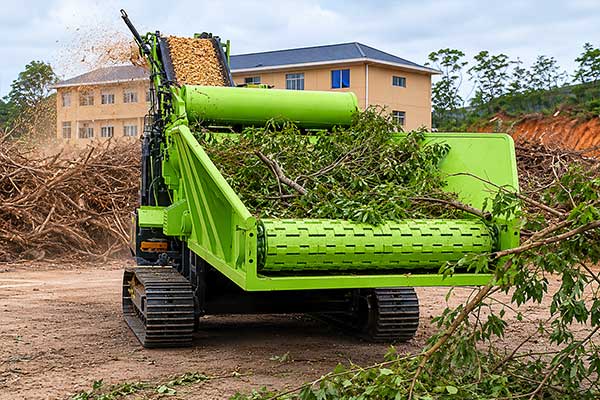
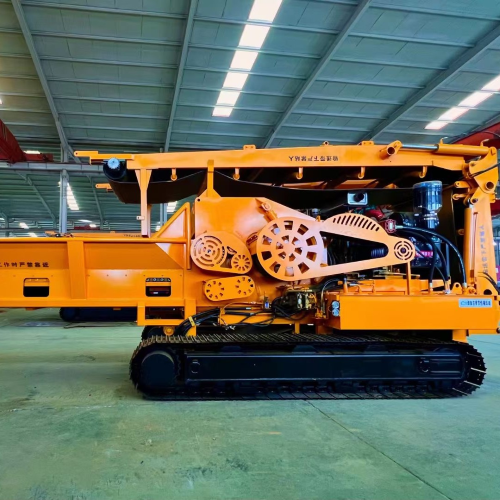
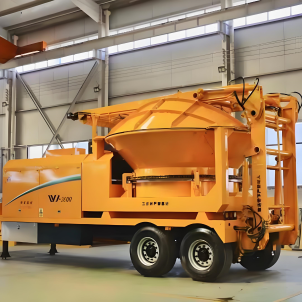
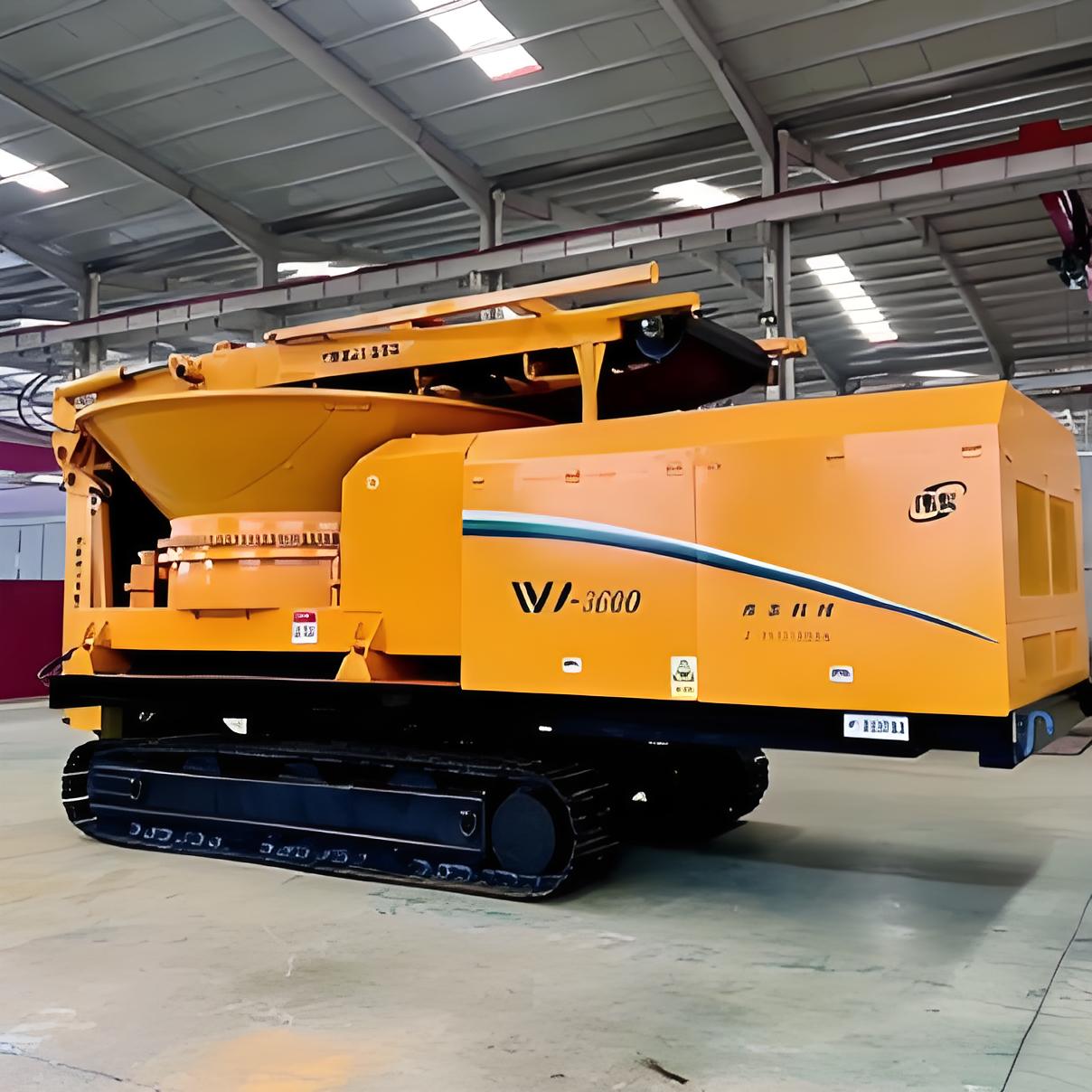
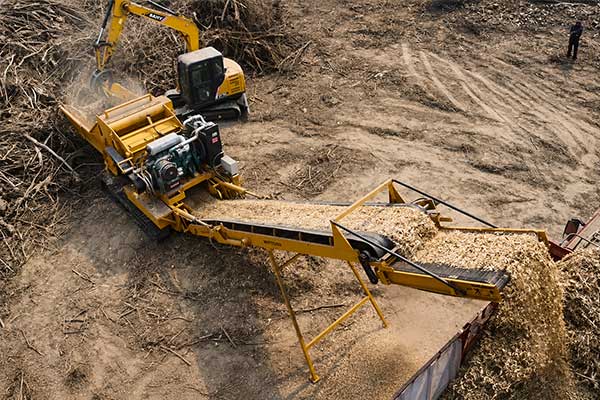
From my experience, the biggest strength of a horizontal grinder is feed flexibility. A machine in this class is made to accept long, bulky, and irregular material that is hard to handle with smaller equipment. This matters a lot in land clearing, forestry residue handling, yard waste recycling, and biomass fuel preparation. wdmachines’s horizontal series is offered with rich configurations, including diesel or electric power, as well as traction or fixed versions, so users can adapt the machine to different jobsite and plant conditions.
I also pay close attention to what kind of raw material the customer handles every day. Some applications focus on branches, roots, bark, and straw. Some deal with demolition wood or biomass raw materials. In some cases, different rotor or assembly choices can better fit the material stream. This is why I never treat “wood waste” as one simple category.
| Application area | Typical input material | Why a horizontal grinder fits |
|---|---|---|
| Forestry and land clearing | Whole trees, long branches | Handles long feedstock efficiently. |
| Biomass fuel prep | Bark, straw, wood residue | Supports steady size reduction for downstream use. |
| Panel and pellet plants | Wood waste, chipped or shredded feed | Produces usable raw material for industrial processing. |
| Mobile field operations | Pruning waste and site residue | Trailer-style options improve movement and jobsite use. |
Key Factors to Consider When Selecting a High-Performance Horizontal Grinder?
A grinder may look powerful on paper, but a poor match between machine and material will still create blockages, wear, and lost money.
When I select a high-performance horizontal grinder, I focus on feedstock type, mobility needs, configuration flexibility, maintenance design, and long-term operating cost. These points affect daily output more than list price alone.
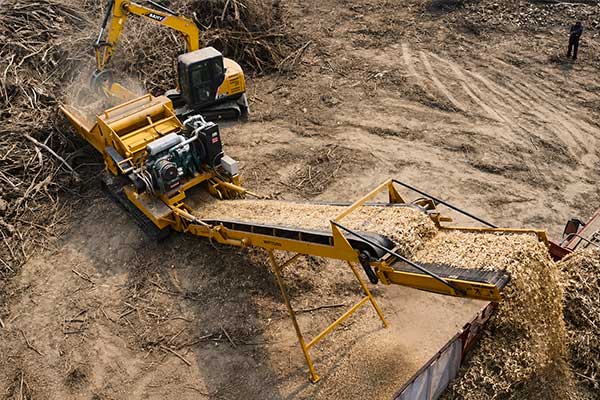
I usually begin with the material. If the customer feeds long branches, trunks, roots, bark, or mixed biomass, I need to know size, moisture, contamination risk, and feed consistency. Then I look at the work setting. A frequent-move work yard may need a mobile design, remote control, or easy cleaning access. One reference model, for example, is described as suitable for sites that require frequent movement, with remote control and a workbench that can turn over 90 degrees for cleaning and easier maintenance.
Then I study maintenance details. This is a big issue, and many buyers ignore it. A machine may run well when new, but wear parts decide real ownership cost. One useful design detail is the pressure knife screw hole with bushing nut inlay type, which helps later replacement when screws age. The reverse cutter assembly can also be adjusted and replaced more easily, which helps users avoid the cost of replacing the entire cutter roller and blade combination. That kind of design saves money over years, not just months.
| Selection factor | Why it matters | What I check |
|---|---|---|
| Feedstock type | Affects cutting system, wear, and throughput | Length, hardness, moisture, contamination |
| Mobility | Decides plant or field suitability | Fixed, traction, semi-trailer chassis. |
| Maintenance access | Reduces downtime | Easy cleaning, replaceable wear parts. |
| Configuration range | Helps future expansion | Diesel/electric, accessory options. |
| Cost over time | Protects ROI | Fuel/power use, part life, resale, uptime.[4][6] |
Evaluating Power Options: Diesel vs. Electric Horizontal Grinder Configurations?
Many buyers ask me one simple question: diesel or electric? The wrong answer can lock the whole project into higher costs or lower flexibility.
Diesel horizontal grinders usually fit mobile and field work better, while electric configurations often fit fixed plants with stable power supply. wdmachines’s horizontal series supports both diesel and electric options, which gives buyers more freedom to match real operating conditions.
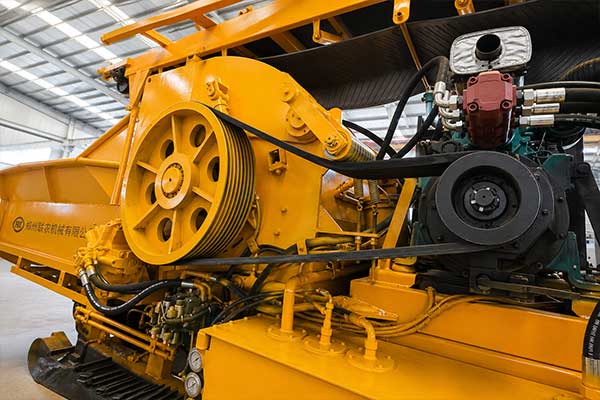
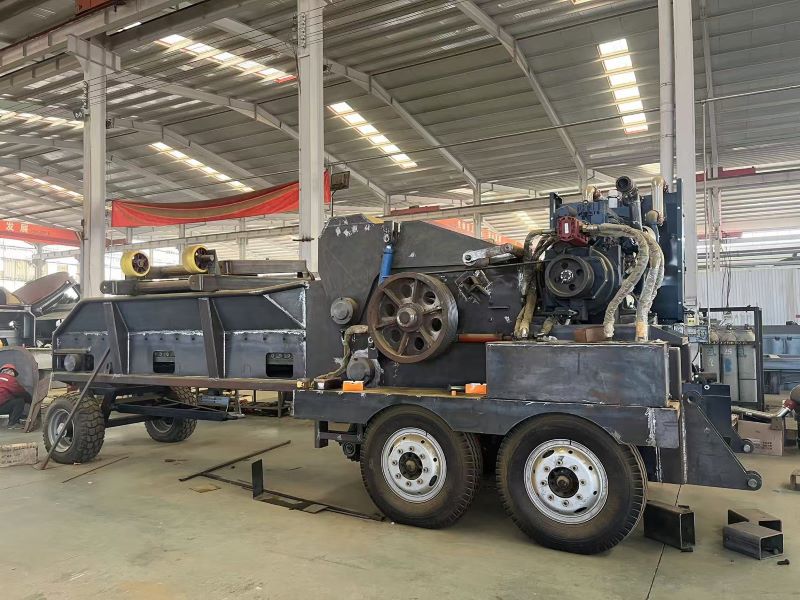
I like to keep this discussion practical. Diesel power is often the first choice when the machine must travel, work in forests, process material in open yards, or move between projects. A semi-trailer chassis that can legally go on the road with a license plate adds more flexibility for this type of work. In remote places, diesel avoids dependence on plant infrastructure.
Electric power is a strong option when the grinder stays in one place and the facility already has reliable electrical support. In that case, the operation may gain from cleaner site conditions and more predictable energy planning. I still remind buyers to look beyond power source alone. Hydraulic system design, feeder stability, and rotor matching also affect real output and smooth running.
| Power option | Best use case | Main strengths | Main limits |
|---|---|---|---|
| Diesel | Mobile sites, remote yards, changing jobs | High flexibility, independent operation, easier field deployment. | Fuel management, engine service needs |
| Electric | Fixed plants, stable factory setup | Good fit for plant integration, simpler site energy planning. | Needs reliable power infrastructure |
| Hybrid decision logic | Mixed operations | Choose based on movement frequency and utility access | Requires careful planning |
Decoding Technical Specifications: Understanding Throughput, Infeed Size, and Engine Power?
Many specification sheets look impressive, but buyers often do not know which numbers truly affect performance in daily work.
The most useful technical specifications are throughput-related dimensions such as infeed size, spindle or rotor size, and engine power. These numbers show what kind of material the grinder can accept and how strongly it can process it.
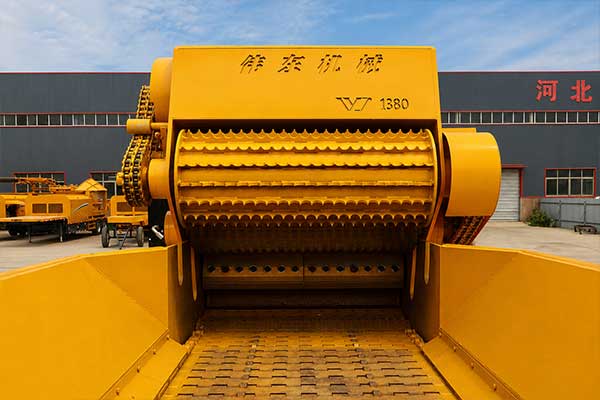
When I review a machine, I never look at engine power alone. Power matters, but only as part of a system. For example, the WD1380 is listed with 368 kW engine power, a 1320 mm × 530 mm inlet size, 2170 mm spindle length, and 800 mm cutter roller diameter. The WD1690 is listed with 408 kW engine power, a 1620 mm × 640 mm inlet size, and 2800 mm spindle length. These numbers suggest that the larger unit is built to accept bigger feed and support heavier production demand.
In simple terms, infeed size tells me how large the incoming material can be before pre-cutting or extra handling becomes necessary. Engine power tells me how much load the machine can handle. Rotor or spindle dimensions help show working width and processing potential. I also pay attention to tank volumes because they affect operating duration in the field. The WD1380, for example, includes a 360 L fuel tank and 270 L hydraulic tank.
| Model | Engine power | Inlet size | Spindle length | Notes |
|---|---|---|---|---|
| WD1380 | 368 kW | 1320 mm × 530 mm | 2170 mm | Suitable for users needing strong output in a mid-large frame |
| WD1690 | 408 kW | 1620 mm × 640 mm | 2800 mm | Better for larger feedstock and heavier-duty use |
Why Efficiency and Reliability Matter: The WDMachines Advantage?
A cheap grinder can become the most expensive machine on site if it stops often, wears fast, or wastes labor on repairs.
Efficiency and reliability matter because they directly affect downtime, maintenance cost, production profit, and resale value. WDMachines emphasizes optimized power, function, and output, along with durable structures and flexible configuration choices.[4][6]
This point is personal for me. I have spent years helping overseas buyers solve problems that did not begin in sales, but in poor machine stability. A machine that fails under hard use does more than stop production. It also breaks planning, labor flow, delivery schedules, and customer trust. That is why I value design choices that support long service life and simple repair.
WDMachines highlights maximum optimization in power and function, as well as performance and output, to ensure machine efficiency and durability. Customer feedback in the materials also points to low cost of use, good production profit, decades of use, and high transfer value. I also see practical strength in hardware details. The main pulley is made of ductile iron, which is described as resistant to deformation and damage, with high wear resistance. Easy-to-replace cutter-related parts and adjustable reverse cutter assembly also support lower lifecycle cost.
| Reliability factor | WDMachines approach | Buyer benefit |
|---|---|---|
| Structural durability | Wear-resistant main pulley, robust build details. | Longer service life |
| Maintenance efficiency | Replaceable bushing nut, adjustable reverse cutter assembly. | Lower repair cost and less downtime |
| Configuration flexibility | Diesel/electric, traction/fixed, optional accessories. | Better fit for real operations |
| Long-term value | Focus on low use cost and durable output. | Better ROI and stronger resale potential |
Conclusion
The best horizontal grinder is not just powerful. It must fit your material, site, power setup, and service plan, so you get stable output and real long-term profit.