Welcome to Weidong Machines
How to Handle Complex Raw Materials: From Tree Roots to Construction Waste?
Hard raw materials can stop production fast. I have seen roots, branches, bark, and demolition waste jam ordinary machines and drive up fuel, wear, and downtime.
The best way to handle complex raw materials is to match the machine to the feedstock, use the right crushing assembly, and choose mobile solutions when the work site changes often. This approach improves throughput, lowers blockages, and turns waste into usable biomass products or other value-added outputs.
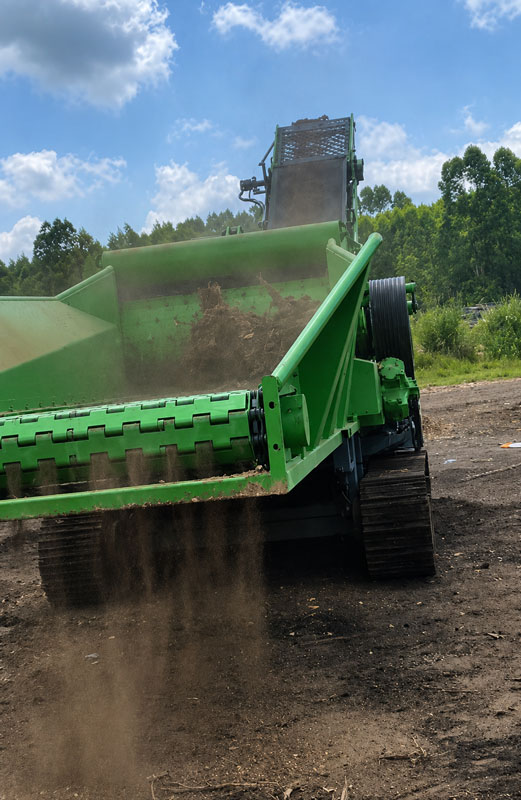
When I work with clients, I do not start with horsepower alone. I start with the raw material. A tree root does not behave like straw. Demolition wood does not feed like green branches. That is why I always look at the material shape, toughness, contamination risk, and movement needs before I talk about machine size. The right setup makes the line stable. The wrong setup creates stoppages, uneven output, and wasted money. The good news is simple: modern biomass crushers and grinders are already built for a very wide material range, from forestry residues to building templates and municipal clearing waste.
The Challenge of Biomass Processing: Why Specialized Machinery is Essential?
General-purpose equipment often fails when raw materials are irregular, long, wet, fibrous, or mixed. I have seen this many times in the field, and it is why specialized biomass machinery matters.
Specialized machinery is essential because biomass raw materials vary widely in size, density, and shape, and dedicated crushers are designed to process materials such as waste wood, branch wood, tree roots, cotton stalks, corn stalks, and building templates with more stable feeding and crushing performance.
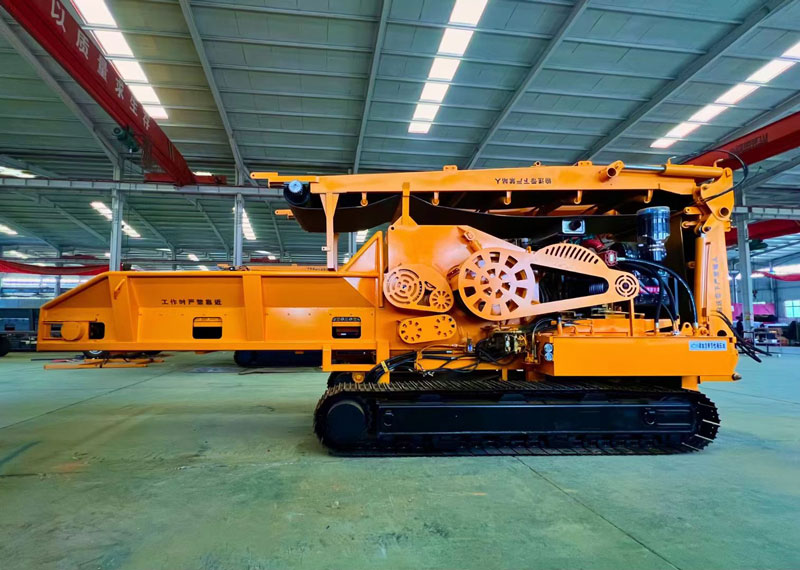
In real work, biomass is never as simple as it looks on paper. Tree roots carry dirt and odd shapes. Branches are long and springy. Bark is light but bulky. Straw and stalks feed differently from wood. Building templates and demolition leftovers can be denser and more abrasive. A specialized machine is made to handle this variation with stronger feeding, better cutting geometry, and optimized power use. The references show that these machines can process a broad list of materials, including waste wood, roots, branch wood, plate bark, cotton stalks, corn stalks, and templates. Some models are also used in green waste treatment, site cleaning, municipal demolition, and agricultural regeneration fields, which tells me they are built for mixed and difficult conditions, not just clean wood yards.
I also pay close attention to feed behavior. Some machines are especially suitable for long materials such as whole trees and very long branches, which is important because long pieces often bridge at the inlet if the design is weak. In practice, specialized machinery gives a more even output size and steadier material flow. That helps downstream users in biomass power, pellet production, composting, and wood-based panel applications. If the machine is stable, the whole line becomes easier to manage.
| Processing challenge | Why it matters | Why specialized machinery helps |
|---|---|---|
| Irregular shapes like roots and branches | Causes feeding jams | Dedicated inlets and crushing assemblies handle uneven feed better |
| Mixed biomass types | Output becomes inconsistent | Wide material adaptation improves flexibility |
| Long materials | Can bridge or wrap | Some machines are built for whole trees and long branches |
| Harsh job sites | Wear and downtime rise | Purpose-built units serve demolition, green waste, and site cleaning work |
Versatile Raw Material Adaptation: From Forestry Residues to Construction Waste?
A strong biomass system must do more than process one clean material. I always value machines that can move across several job types without losing stability.
Versatile raw material adaptation means one machine can process forestry residues like roots, branches, bark, and straw, while also handling building templates, demolition materials, and other recovered wood streams from construction and municipal work.
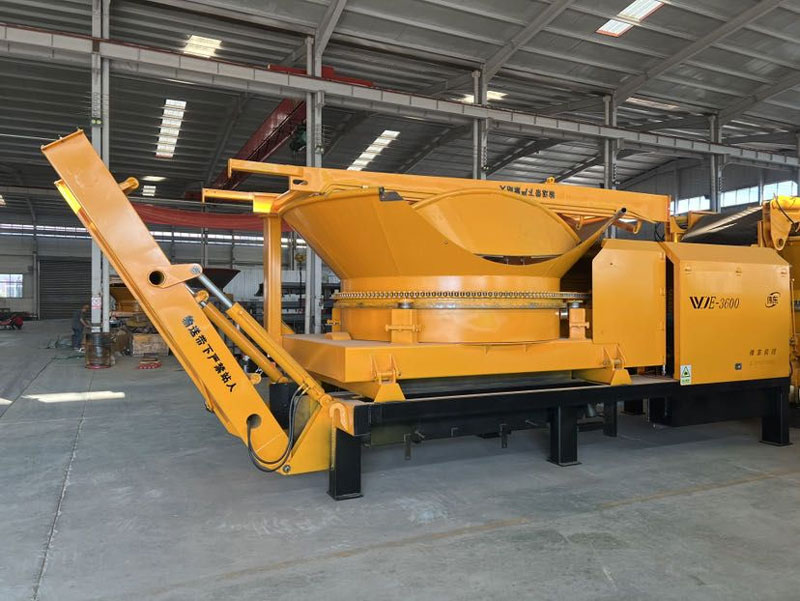
This kind of flexibility matters because most operators do not run one perfect feedstock every day. One week you may have green waste from pruning. The next week you may have waste wood from site cleaning or house demolition. The references clearly show a wide material adaptation range. These machines can crush waste wood, branch wood, tree roots, building templates, plate bark, cotton stalks, corn stalks, straw, and other biomass. They are also linked to transportation, green waste treatment, disaster cleaning, municipal demolition, and other regeneration fields. That tells me the equipment is designed for real-world variation.
I have found that this flexibility lowers investment risk. A buyer does not need one machine for roots, another for straw, and a third for demolition wood if the selected crusher is engineered for broad feedstock coverage. It also helps seasonal operations. Forestry residues may peak at one time of year, while agricultural stalks or site-clearing waste arrive later. In simple terms, a versatile machine gives more working days per year.
| Raw material type | Examples from references | Typical use case |
|---|---|---|
| Forestry residues | Tree roots, branches, bark, waste wood | Land clearing, forestry yards |
| Agricultural biomass | Straw, cotton stalks, corn stalks | Farm waste recycling, biomass fuel |
| Construction-related wood waste | Building templates, demolition materials | Site cleanup, municipal demolition |
| Green and municipal waste | Pruned branches, green waste treatment materials | Landscaping, city maintenance |
Advanced Crushing Technology: Knife Rollers vs. Hammer Assemblies Explained?
The crushing assembly is not a small detail. In my experience, it is often the most important choice after the machine platform itself.
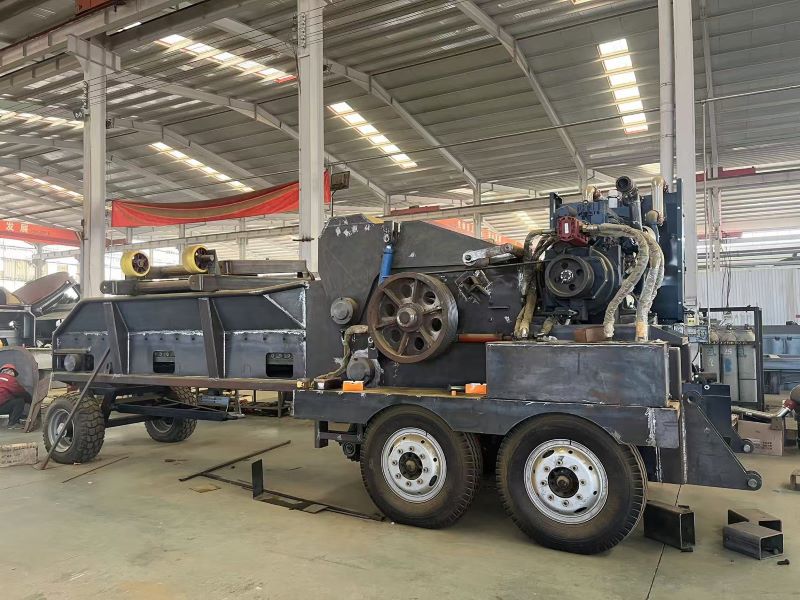
Knife roller assemblies are suited to materials such as tree roots, branches, bark, and straw, while hammer roller assemblies are better suited to biomass raw materials such as templates and demolition materials. The right choice depends on the feedstock’s structure and hardness.
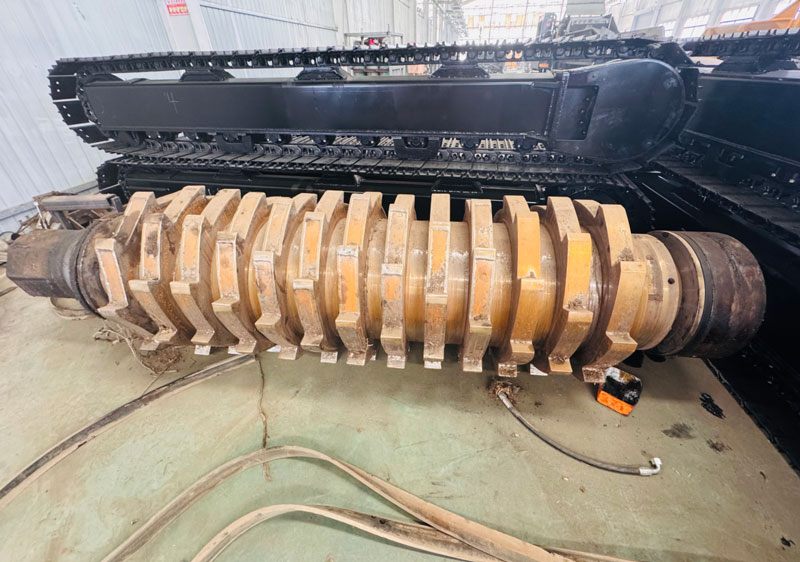
The references give a clear distinction. Knife roller assemblies are suitable for tree roots, branches, bark, and straw. That makes sense to me because these materials often need controlled cutting and pulling action. They are fibrous, long, or irregular. A knife roller can engage them more directly. Hammer roller assemblies are suitable for templates, demolition materials, bark, and similar biomass raw materials. In real use, these materials may benefit from more impact-based size reduction, especially when the feed is rough, mixed, or broken in form.
I usually explain it to clients like this: if your feed is more like forestry residue, start by looking at a knife roller setup. If your feed is closer to construction wood waste or template stock, look at a hammer assembly. Of course, final choice still depends on moisture, contamination, target output, and wear cost. Still, the reference guidance is a very practical starting point. It can prevent a costly mismatch.
| Crushing assembly | Best suited materials | Main practical advantage |
|---|---|---|
| Knife roller assembly | Tree roots, branches, bark, straw | Better fit for fibrous and irregular forestry-style feed |
| Hammer roller assembly | Templates, demolition materials, bark | Better fit for rough, broken, and construction-related biomass feed |
Maximizing Efficiency in Mobile Operations: The Role of Self-Propelled Solutions?
Many operators lose time not in crushing, but in moving between work zones. I have seen mobile efficiency decide whether a project makes money or not.
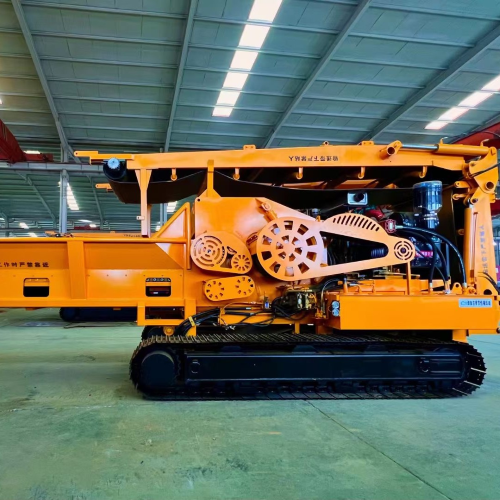
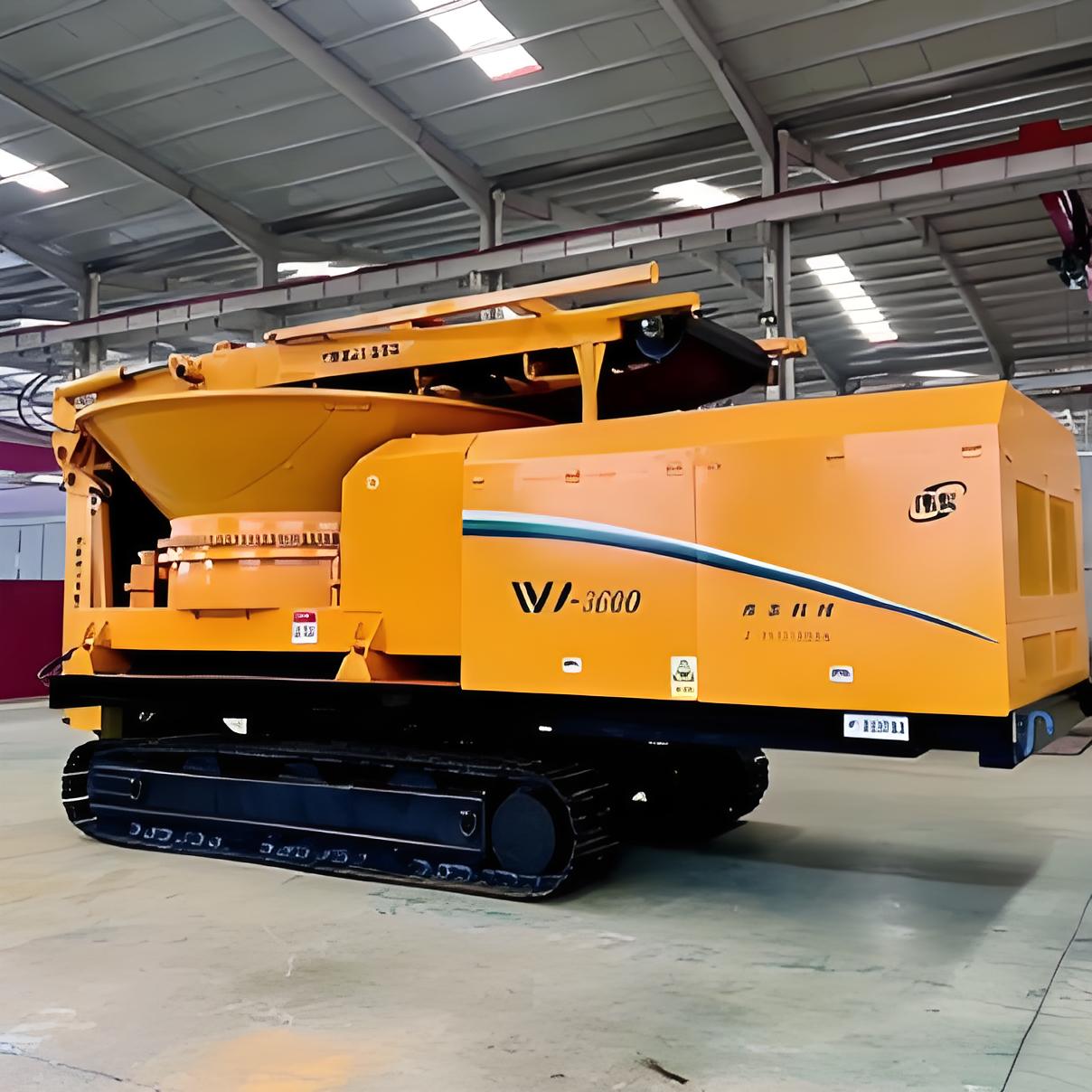
When a machine must move frequently around a work yard or between work areas, a remote-control self-propelled crawler chassis improves efficiency by reducing relocation time and making the grinder easier to position at changing sites.
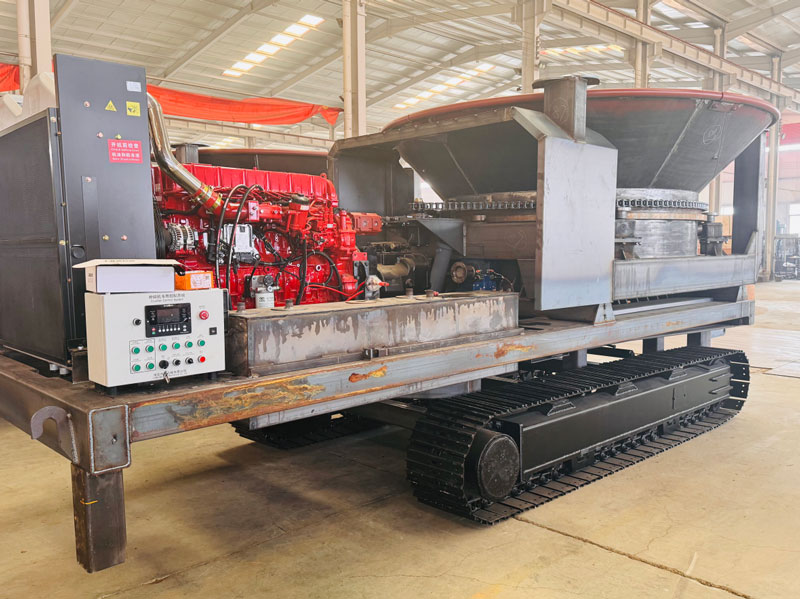
This matters most in site clearing, demolition support, green waste treatment, and large yards where feedstock piles shift all day. The references state that if the operating environment requires frequent movement, a remote-control self-propelled crawler chassis, including the 3600 series option, can be selected. I like this feature because it cuts non-productive time. Instead of stopping work to bring in separate transport equipment again and again, the operator can reposition the machine more directly.
The WD3600C example also shows the idea behind this setup. It is designed for large-scale wood and bulk materials, with raw material coverage such as tree roots, branches, and straw. In mobile jobs, this combination is powerful. You get heavy-duty crushing and movement in one system. That is useful when the material source is spread out, like storm cleanup, land development, or municipal pruning routes. I often tell buyers that machine output per hour is only part of the story. Site flow matters too. A machine that moves easily can feed more steadily and spend more time working.
| Mobile operation issue | Problem created | Self-propelled crawler benefit |
|---|---|---|
| Frequent repositioning | Lost time and labor | Faster relocation on site |
| Changing stockpile locations | Feeding becomes less efficient | Machine can move closer to material |
| Rough work yards | Wheel movement may be limited | Crawler chassis improves site access |
| Need for flexible control | Slower setup | Remote control helps positioning |
From Waste to Value: The Economic Potential of Recycled Organic Materials?
The final goal is not only reduction in size. It is value creation. This is the part I always come back to with buyers.
Crushed organic waste can become biomass energy feedstock and other saleable or usable products, including solid fuels, petroleum-related products, gaseous fuels, industrial materials such as activated carbon and paper raw materials, agricultural fertilizers, building materials, and power-generation inputs.
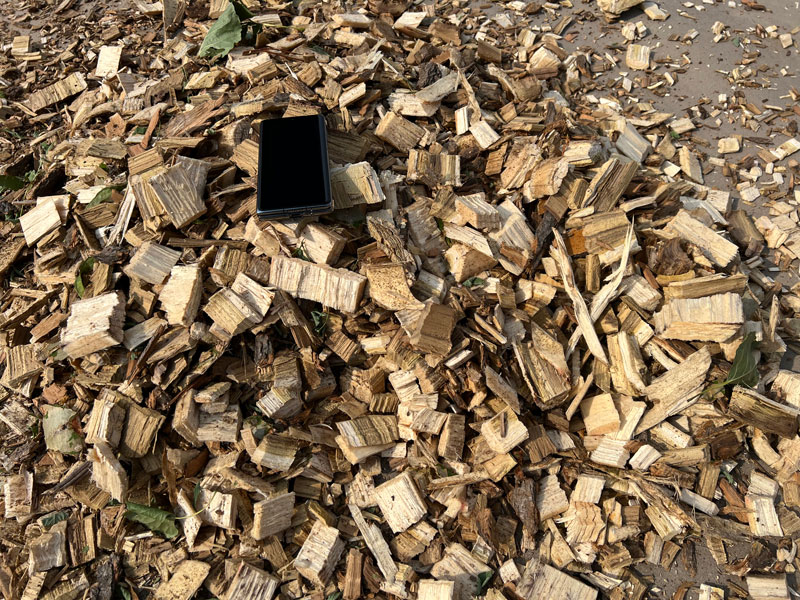
This point is often underestimated. Many people still see branches, bamboo, leaves, weeds, bark, and old wood as disposal problems. The references show the opposite. Crushed organic waste can be recycled into several fuel forms and industrial uses, including solid fuels, gaseous fuels, activated carbon, paper raw materials, agricultural fertilizers, building materials, and power-related applications. The material can also be used as a biomass energy source. That creates a direct economic path: reduce waste volume, improve transport efficiency, produce a more uniform feedstock, and supply another process that has market value.
I have seen this logic work in biomass yards and recycling projects. Once the material is processed into a more uniform form, it becomes easier to store, move, sell, or feed into downstream equipment. For pellet plants, panel plants, and biomass power plants, consistent size matters because it supports smoother handling and more stable conversion. So the real value of crushing is not just cleaning a site. It is turning low-value bulk waste into a usable resource.
| Waste stream | Possible value-added output | Economic effect |
|---|---|---|
| Branches, leaves, weeds, bamboo, wood waste | Solid fuels, gaseous fuels | Converts disposal cost into fuel value |
| Processed biomass | Biomass energy source | Supports energy recovery |
| Organic waste | Fertilizers, building materials | Expands product options |
| Uniform crushed wood and biomass | Feedstock for pellet, panel, and power industries | Improves saleability and downstream use |
Conclusion
I believe the winning strategy is simple: match the machine, the crushing assembly, and the mobility system to the material, then turn waste into reliable value.