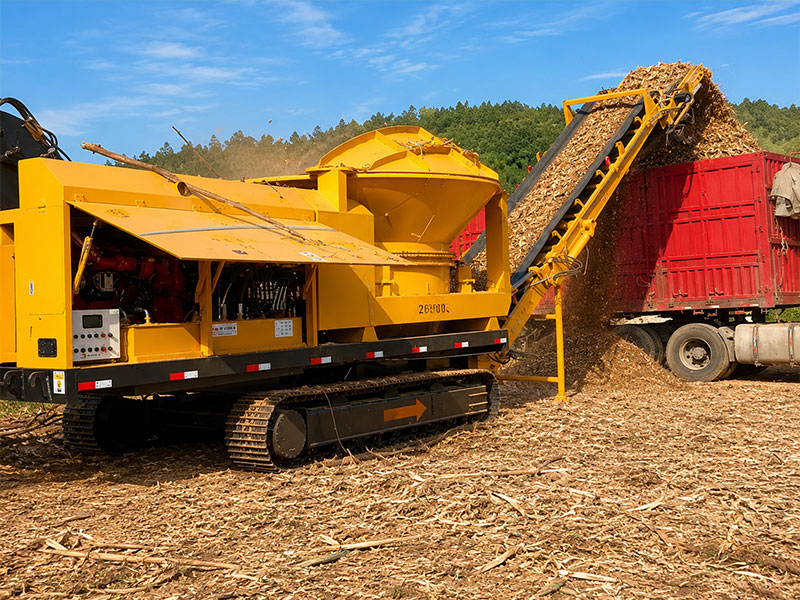
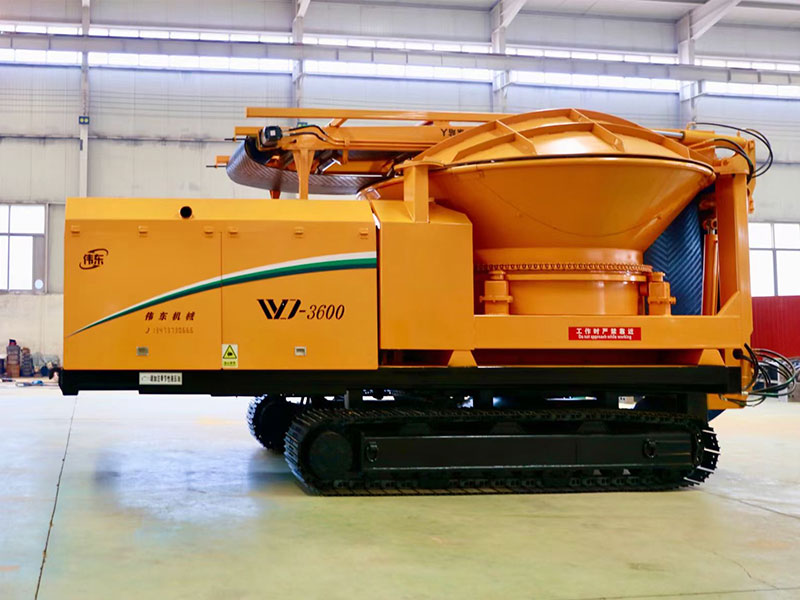
Welcome to Weidong Machines
Tub Grinder Cost for Biomass Fuel: Budget and ROI Factors
Tub grinder cost for biomass fuel: build the budget from the full installed and operating scope, then calculate return from accepted output and verified local values instead of a headline machine price.
A biomass fuel project may handle pruning, woody stems, leaves, grass, storm debris and contamination in changing shares. Equipment price is only one boundary. A useful buyer model connects the offered configuration with preparation, loading, processing, output handling, support and the actual product destination.
Fuel-pathway evidence that changes the answer
“Biomass fuel” describes an intended outlet, not a uniform feed. Build the project file around identified source lots such as forestry residues, clean waste wood, bark and slabs, or approved agricultural woody residues. For every lot, record geometry, moisture sampling method, visible mineral contamination, storage age and mixing rule. Define the receiver's particle-size, fines, contamination and moisture acceptance criteria before estimating useful production.
Track mass to accepted fuel, oversize, recirculation, removed contamination and unresolved loss. Keep gross elapsed time beside productive grinding time so loader gaps, screen changes, discharge constraints and sampling work remain visible. Any heating, smoke or suspected self-heating in stored biomass requires the site's emergency and fire-control procedure; this worksheet does not replace it.
Buyer release question
The purchasing team should be able to show the source of every important assumption, the party responsible for each upstream and downstream task, and the commercial consequence when the expected case is missed. Ask suppliers to mark exclusions explicitly and compare quotations against one shared material file and one accepted-output definition.
Build a quotation comparison that survives review
Issue the same evidence pack to every bidder: representative feed photos and measurements, annual and peak demand, required output, site layout, utilities, loader and discharge scope, working calendar, staffing, compliance constraints and the proposed acceptance test. Separate base machine, options, freight, installation, commissioning, training, initial spares and taxes instead of comparing one bundled total with another partial total.
Create low, expected and difficult-permitted cases. For each case show gross accepted output, scheduled hours, utilization, labor, energy or fuel, loader time, wear allowance, routine service, reject handling and residual disposal. Do not publish a payback period unless both the baseline cost and proposed cash flow use the same time boundary, quantity basis and outlet assumption. Treat unverified resale value, avoided disposal fee or product revenue as a labeled sensitivity—not an assured benefit.
Define the purchase and installed scope
List machine configuration, screens, wear system, mobility, freight, insurance, unloading, site work, utilities, dust and fire controls, commissioning, training, initial spares, tools, documentation, warranty boundary and taxes. Compare the tub grinder range only after the requested scope is fixed.
Build a biomass fuel material file
Record source shares, branch geometry, fine-organic fraction, moisture method, soil, stones, wire, plastic, preparation and seasonal variation. Use the capacity-planning worksheet to keep cost tied to representative lots.
Model cash flow without invented returns
Use current quotations and approved finance assumptions. Separate investment, working capital, operating cost, product revenue or avoided disposal, tax and residual value. Report payback or discounted measures only with the chosen period and discount assumptions visible.
Request like-for-like evidence
Send every supplier the same lot file, output rule, site drawing, operating window and cost table. Require inclusions, exclusions, quotation validity, support response, parts basis and test method.
Use a buyer decision gate
Score material fit, accepted-output evidence, work-cell compatibility, service scope, commercial boundary and cost sensitivity. Submit the file through the WDMachines contact page; the engineering product section is a verified matrix reference.
Separate downstream product-receiving cost from grinder cost
A processing site may receive fines, wet organics, woody bulking material and clean pallets through the same gate, but only the approved woody fraction belongs in the grinder comparison. Give receiving inspection, quarantine, source separation and preparation their own rows. This prevents a supplier quotation from being blamed for costs created upstream by an uncontrolled material mix.
Use a three-case purchase table
| Case | Evidence | Decision use |
|---|---|---|
| Low burden | Clean, prepared woody fraction and stable outlet | Shows the achievable boundary |
| Expected | Representative seasonal mix and normal delays | Supports the base budget |
| Difficult permitted | Wet, fibrous or contamination-prone lots within the approved envelope | Tests contingency and cash reserve |
Compare current quotations against the same cases, accepted-output rule and gross-time boundary. The biomass fuel capacity worksheet supplies the measurement basis.
Before requesting a quotation, compare the biomass fuel selection guide, the tub grinder product range and the project contact requirements. These pages help turn the cost sheet into a configuration-specific evidence request.
Teams comparing adjacent equipment and workflow options can continue through the horizontal wood grinder overview, while this project budget remains controlled by measured biomass fuel lots, accepted output and current local quotations.
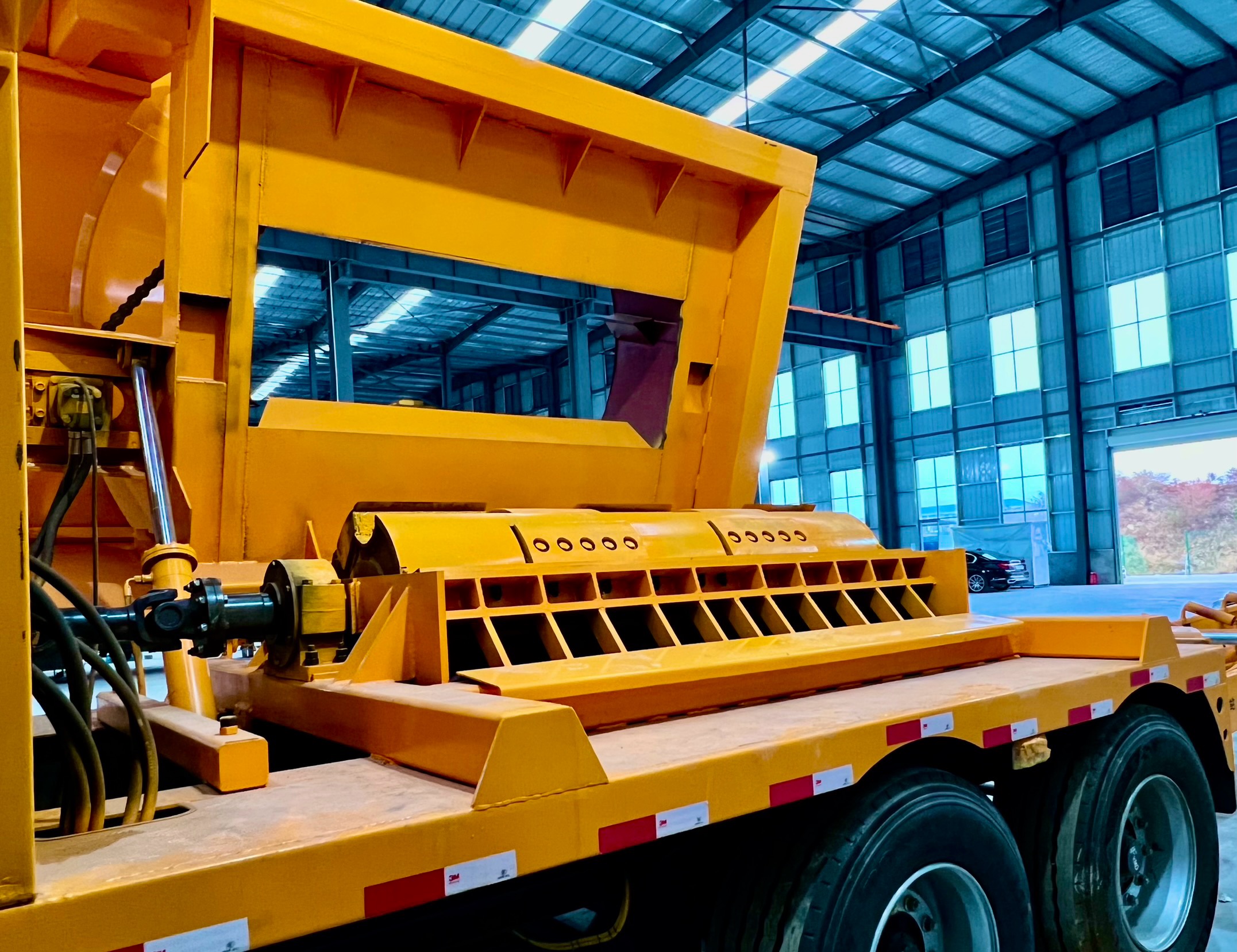
Release record
Primary question: tub grinder cost for biomass fuel
Material lots and exclusions are identified.
Gross time, productive time, accepted output and rejects use one written boundary.
Configuration, wear condition, loader and discharge arrangement are recorded.
Assumptions, quotations and measured observations are labeled separately.
Safety, fire, isolation and maintenance instructions remain controlled by the supplied documentation and site procedures.
Review the site's relevant equipment and application information, then use the project evidence or contact resource to submit the material file. For a complementary equipment overview within the WeiDong network, see horizontal wood grinder. A configuration recommendation should follow representative samples and a documented trial, not an unverified headline rate.
Document the decision after the trial
Close the project file with the tested material-lot identifiers, configuration, loader and discharge arrangement, gross and productive time, accepted-output rule, samples, abnormal events and open actions. State which figures were measured, quoted or assumed. Preserve the individual runs and their range instead of retaining only the highest result. Purchasing, operations, maintenance and quality should each sign the rows they own before the result is used for a machine comparison, budget or production commitment.