Welcome to Weidong Machines
What Materials Can a Tub Grinder and Horizontal Grinder Handle Efficiently?
If you choose the wrong grinder, you waste fuel, lose output, and fight blockages all day. I have seen that happen in real yards, and it is costly.
Tub grinders and horizontal grinders can both process wood and biomass, but they work best on different material forms. Tub grinders are strong for messy, irregular, and large-diameter feed like tree roots, mixed straw, bark, and branches, while horizontal grinders are better for relatively long materials like whole trees and long branches, and for output used in panel plants, biomass power plants, and pellet factories.
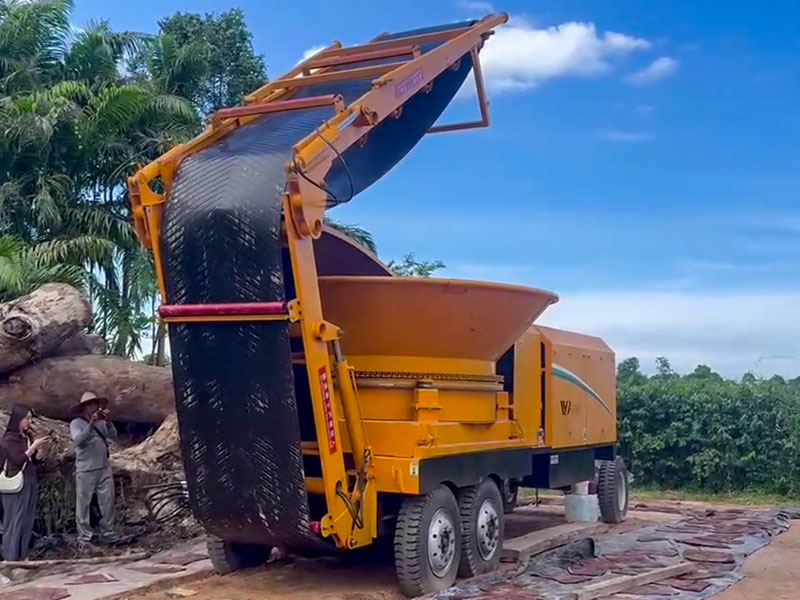
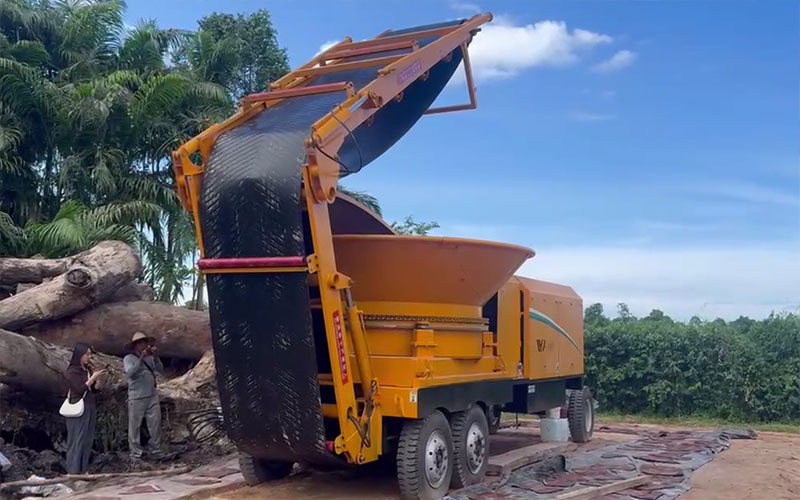
When I talk with buyers, I always start with the material, not the machine. That is because the right answer depends on whether the feed is long, loose, bulky, dirty, irregular, or mixed with waste. Once I know that, I can match the machine to the job and avoid downtime from day one.
Understanding the Versatility: Tub Grinders vs. Horizontal Grinders?
Many operators think one grinder can do every job well. I used to hear this a lot from first-time buyers. Then the machine reaches the yard, and the real material says otherwise.
Tub grinders are generally better for irregular, bulky, and mixed biomass, while horizontal grinders are generally better for feeding long materials in a more controlled way. In WDMachines materials, the tub grinder is described as suitable for tree roots, branches, bark, straw, templates, and demolition materials, while the horizontal grinder is described as suitable for whole trees and very long branches.
From my own export work, I explain the difference in a simple way. A tub grinder likes hard-to-stack, hard-to-feed material. A horizontal grinder likes material that is long and continuous. That difference matters more than many people expect. If you load a machine with the wrong feed shape, production drops fast.
Here is a simple view:
| Machine Type | Best Material Form | Typical Materials | Main Advantage |
|---|---|---|---|
| Tub Grinder | Messy, irregular, bulky | Tree roots, bark, branches, straw, templates, demolition waste | Strong handling of mixed and uneven feed |
| Horizontal Grinder | Long and linear | Whole trees, long branches | Smooth feeding of long materials |
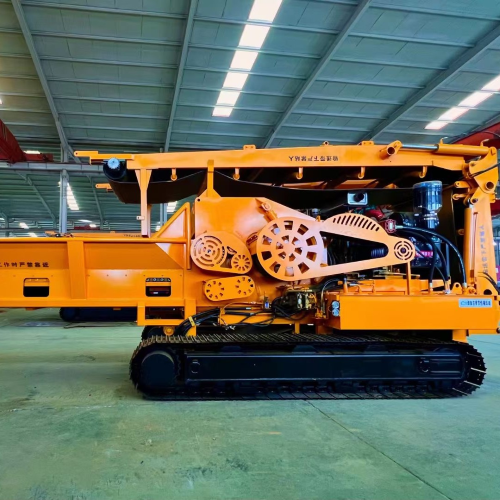
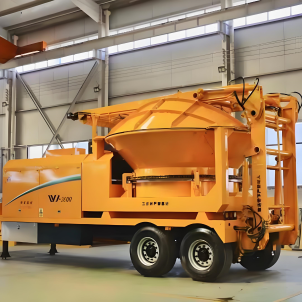
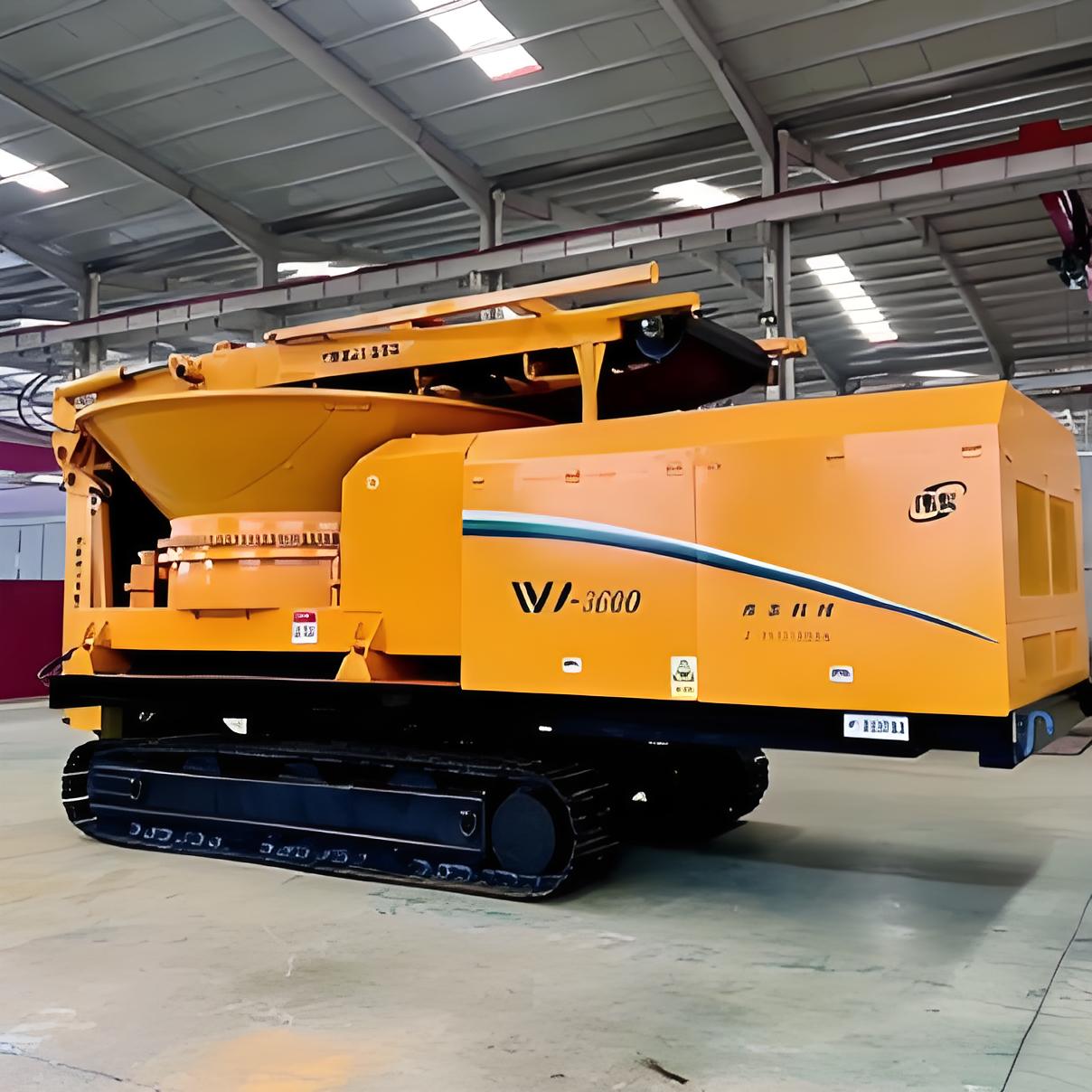
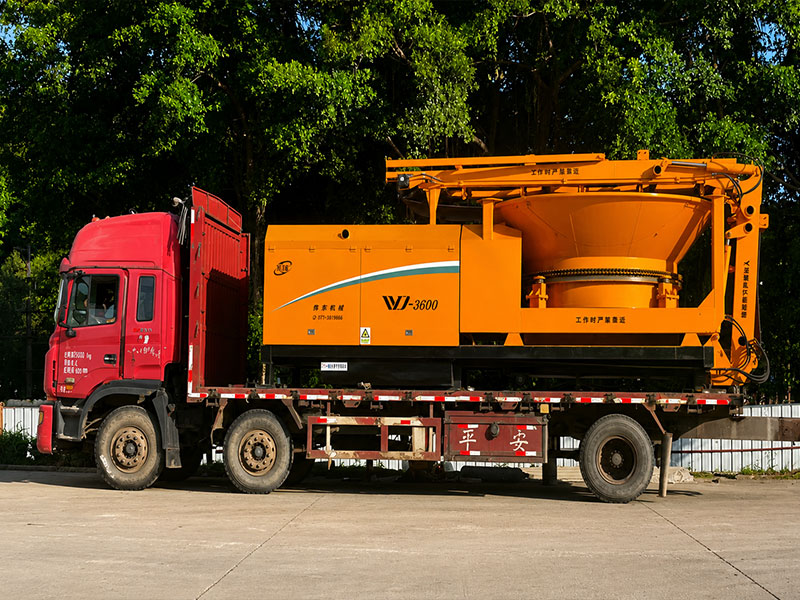
At WDMachines, I often mention two models when clients ask for a starting point. The Crawler Type Tub Grinder WD3600C is built for roots, branches, and straw, and it can also use a hammer roller assembly for templates and demolition materials. The Horizontal Grinder WD1690 is part of our horizontal series and is designed for reliable handling of long wood feed. In real buying decisions, that product match saves more money than any short-term price cut.
Processing Forestry Residues and Large Tree Roots?
Forestry yards often look easy on paper. In real life, they are full of twisted roots, wet branches, bark, and oversized pieces. That mix can punish a light machine very quickly.
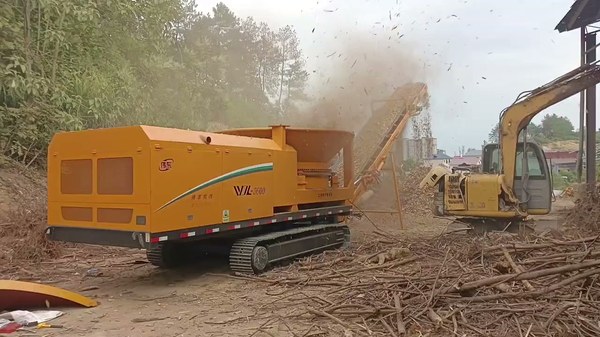
For forestry residues and large tree roots, tub grinders are highly effective because they are suitable for messy, irregular, and large-diameter materials such as tree roots, bark, branches, and mixed straw. Horizontal grinders can also process forestry feed, but they are especially noted for relatively long materials such as whole trees and long branches.
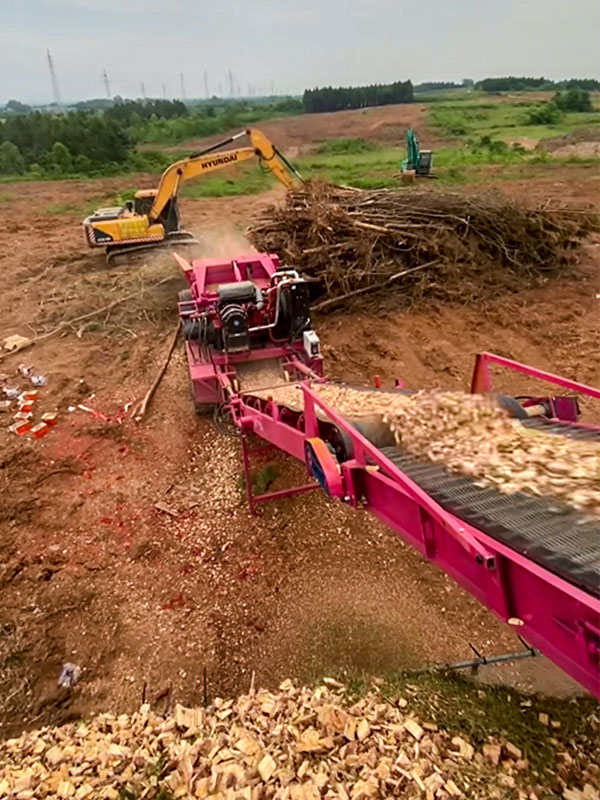
In many forestry projects, I tell clients to separate the feed into two groups before they choose equipment. The first group is long material. This includes trunks, long limbs, and whole trees. The second group is irregular material. This includes root balls, bark slabs, forked branches, and loose field piles. That split makes the machine choice much easier.
A tub grinder is often the better answer when the pile is random and rough. The WD3600C is a good example. Its raw material range includes tree roots, branches, and straw, and its knife roller assembly is suitable for roots, branches, bark, and straw. This matters in yards where the feed is not uniform. The machine can keep working instead of waiting for workers to re-sort the pile. If the yard also needs mobility, the remote-control self-propelled crawler chassis option helps with frequent moves.
A horizontal grinder like the WD1690 fits better when the feedstock is long and can be loaded in a more controlled way. In forestry operations that supply biomass plants or wood-based panel factories, that steady feeding style can support cleaner workflow and more predictable output.
Turning Biomass and Demolition Waste into Value-Added Products?
Many waste streams still get treated as disposal problems. I do not see them that way. I see them as raw material streams with profit potential if the grinder is matched correctly.
Biomass and demolition waste can be converted into usable feedstock when the machine has the right rotor setup. In the reference materials, the hammer roller assembly is suitable for biomass raw materials such as templates, demolition materials, and bark, while horizontal grinder output is suitable for wood-based panel factories, biomass power plants, and pellet factories.
In practice, value-added production starts with reducing contamination risk and making output size more usable. Biomass buyers want steady feed. Plant managers want fewer stoppages. That means you need a grinder that can digest mixed feed without constant manual correction.
This is where I often discuss rotor configuration with clients. The reference materials clearly show two working directions. The knife roller assembly is suitable for roots, branches, bark, and straw. The hammer roller assembly is suitable for templates, demolition materials, and bark. That gives operators more flexibility when they are dealing with mixed commercial waste, site wood waste, or biomass preprocessing.
Here is a quick guide:
| Material Stream | Better Assembly / Machine Fit | Possible End Use |
|---|---|---|
| Tree roots, branches, bark, straw | Knife roller / tub grinder | Biomass preparation, rough size reduction |
| Templates, demolition materials, bark | Hammer roller / tub grinder | Recycled fuel feed, waste wood preprocessing |
| Whole trees, long branches | Horizontal grinder | Panel plants, biomass power, pellet plants |
When I explain ROI to clients, I keep it simple: if your waste can become saleable feedstock, your grinder is not just a cost. It becomes part of your production line.
Efficient Handling of Agricultural Straw and Field Waste?
Agricultural waste often looks light, but it can be hard to process well. It is loose, tangled, and sometimes mixed with dirt, roots, and other field residue.
Agricultural straw and field waste can be handled efficiently by tub grinders because the materials state that tub grinder assemblies are suitable for straw, mixed straw, roots, bark, and branches. This makes tub grinders a strong choice for farms, biomass collection points, and straw recycling yards.
I have worked with buyers who first assumed straw only needed a small machine. Then they found out that volume, tangling, and inconsistent moisture can slow the whole line. So I usually ask three questions. Is the straw dry or wet? Is it clean or mixed with roots and soil? Is the feeding manual or by loader? Those answers affect machine loading and tool choice.
The reference materials list straw again and again in the tub grinder application range. That repetition tells me the machine was built with that use case in mind. The WD3600C is especially relevant here because its listed raw materials include straw, tree roots, and branches. In many field-waste yards, that matters because the pile is rarely pure straw. It often includes root crowns, bark, branch offcuts, and random organic waste.
For better efficiency, I tell operators to keep the feed as consistent as they can. Very wet and very dry material should not be mixed blindly. Oversized root masses should be loaded in a controlled way. Loose straw should be fed steadily instead of dumped in unstable surges. Those small handling habits often improve throughput more than people expect.
Managing Industrial Bark, Wood Scraps, and Construction Templates?
Some plants handle bark all day. Some handle wood scraps from production lines. Some deal with used construction templates. Each stream behaves differently inside the grinder.
Industrial bark, wood scraps, and construction templates can be processed effectively when the machine setup matches the material. The references state that bark can be handled by the knife roller assembly and also by the hammer roller assembly, while templates are listed under biomass raw materials suitable for the hammer roller assembly.
This is one of the most useful details in the reference materials because it shows that not all wood waste should be treated the same way. Bark can be stringy, flaky, wet, and dirty. Templates can be denser and more abrasive, especially after site use. Wood scraps can vary from clean offcuts to mixed production waste.
I usually break this category down like this:
| Material | Recommended Fit from References | Reason |
|---|---|---|
| Bark | Knife roller or hammer roller | Bark appears in both suitable material lists |
| Construction templates | Hammer roller assembly | Specifically listed for templates |
| Wood scraps / mixed plant wood waste | Depends on length and density | Long pieces fit horizontal flow better; mixed bulky pieces fit tub style better |
If a customer runs a sawmill or board plant, I also look at what they want after grinding. If they want feed for downstream energy use, consistency matters. If they want rough reduction before screening, intake behavior matters more. This is why machine selection is never only about horsepower. It is about matching the waste form to the grinding path.
Optimizing Operational Efficiency Based on Material Characteristics?
A powerful machine can still perform badly if the material is fed the wrong way. I have seen many output problems caused by feed habits, not by machine defects.
Operational efficiency improves when operators match machine type and rotor setup to material shape, size, and composition. Horizontal grinders are noted for long materials such as whole trees and long branches, while tub grinders and their assemblies are suited for irregular roots, bark, straw, templates, and demolition materials.
My rule is simple: first study the material geometry, then choose the machine. Long feed wants horizontal flow. Irregular feed wants open, forgiving intake. Mixed feed wants the right rotor assembly. Once that match is made, daily efficiency becomes much easier to control.
I usually advise clients to optimize around these points:
| Material Characteristic | Best Practical Choice | Efficiency Benefit |
|---|---|---|
| Long and straight | Horizontal grinder | Smoother feeding, less rehandling |
| Bulky and irregular | Tub grinder | Better acceptance of random feed |
| Roots, bark, branches, straw | Knife roller assembly | Better fit for fibrous and woody biomass |
| Templates, demolition waste | Hammer roller assembly | Better fit for tougher mixed waste |
| Frequent site movement | Crawler option | Less relocation downtime |
The WD3600C helps on mobile jobs because it is described as appropriate for work yards that require frequent movement, and it has remote control function plus a workbench that can turn over 90 degrees for material cleanup and easier maintenance [3][6]. Those features do not just sound nice in a brochure. In real life, they cut non-productive time.
Why Industry Professionals Choose WDMachines for Heavy-Duty Grinding?
Buyers do not stay with a supplier because of slogans alone. They stay because the machine keeps running, the advice is honest, and the equipment fits the job.
Industry professionals choose WDMachines because the brand focuses on heavy-duty material reduction, biomass recycling, and industrial shredding, and the reference materials show practical machine solutions such as the WD3600C tub grinder for roots, straw, templates, and demolition materials, and the WD1690 horizontal grinder for long wood materials.
I say this as Micheal, and I say it from workshop and export experience. I did not start by selling from a desk. I started around machines, breakdowns, dust, and urgent production targets. That background shapes how I work with clients. I do not like vague machine recommendations. I want the machine to match the material, the site, and the output target.
WDMachines stands out for a few clear reasons:
We focus on heavy-duty grinding and biomass reduction, not general light equipment.
We provide specific models for different feed forms, including WD3600C and WD1690.
We support practical options like crawler mobility and remote control for frequent-move sites.
We build around real operating conditions, where downtime costs more than the machine itself.
For many users, that is the real reason to choose us. They do not just want a grinder. They want stable production in harsh environments. That is also why our brand message matters: Ultimate Stability for the Harshest Environments.
Conclusion
Tub grinders handle irregular biomass and mixed waste well, while horizontal grinders excel with long wood feed. The best choice depends on material shape, site conditions, and output goals.