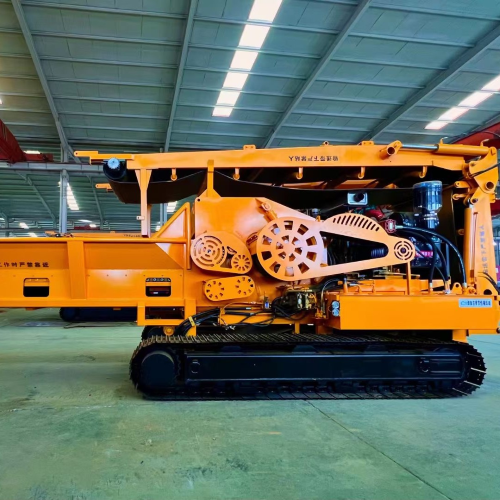
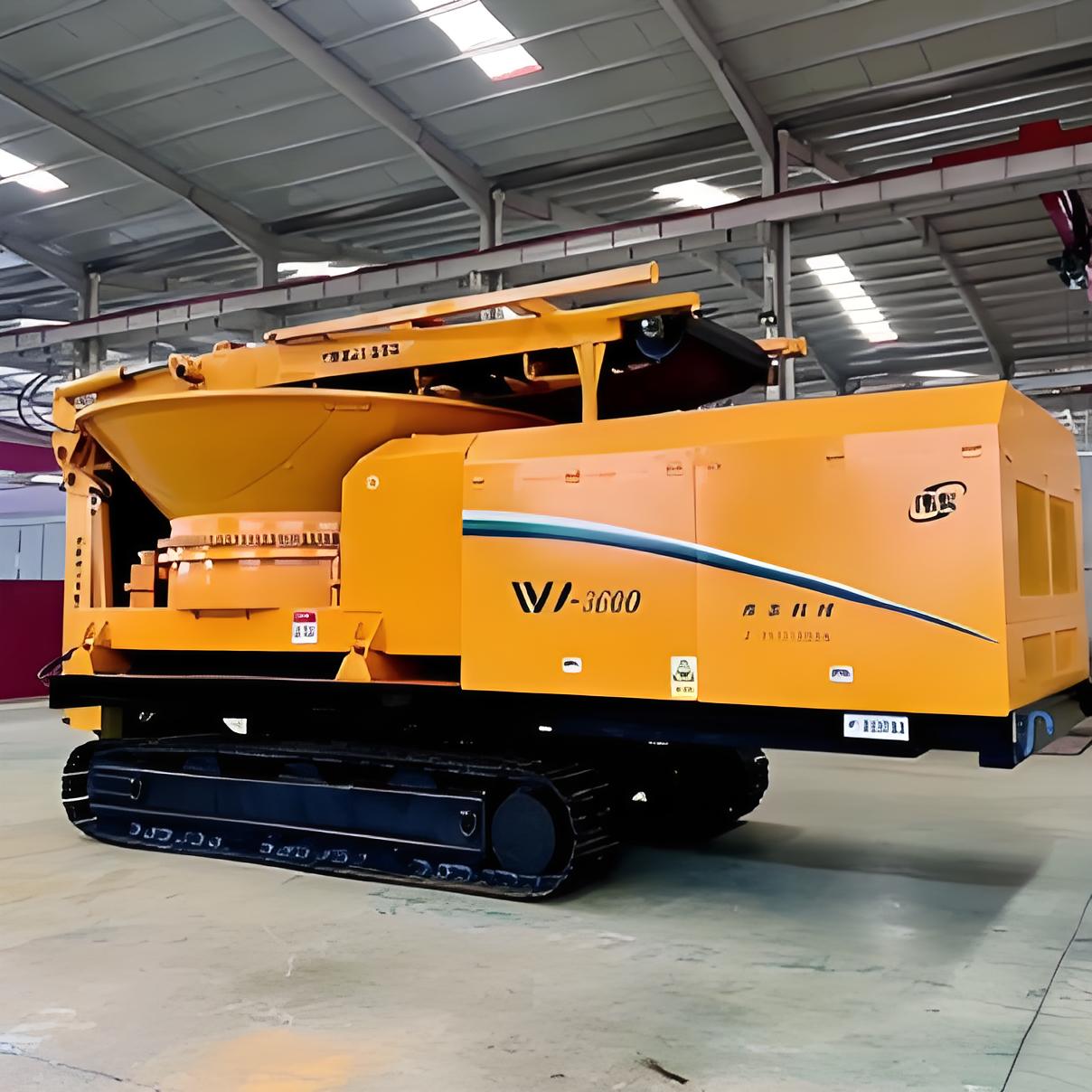
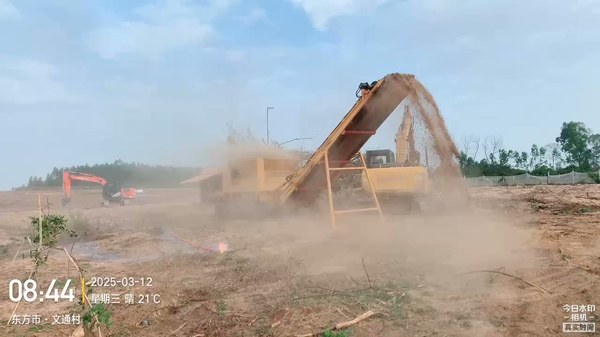
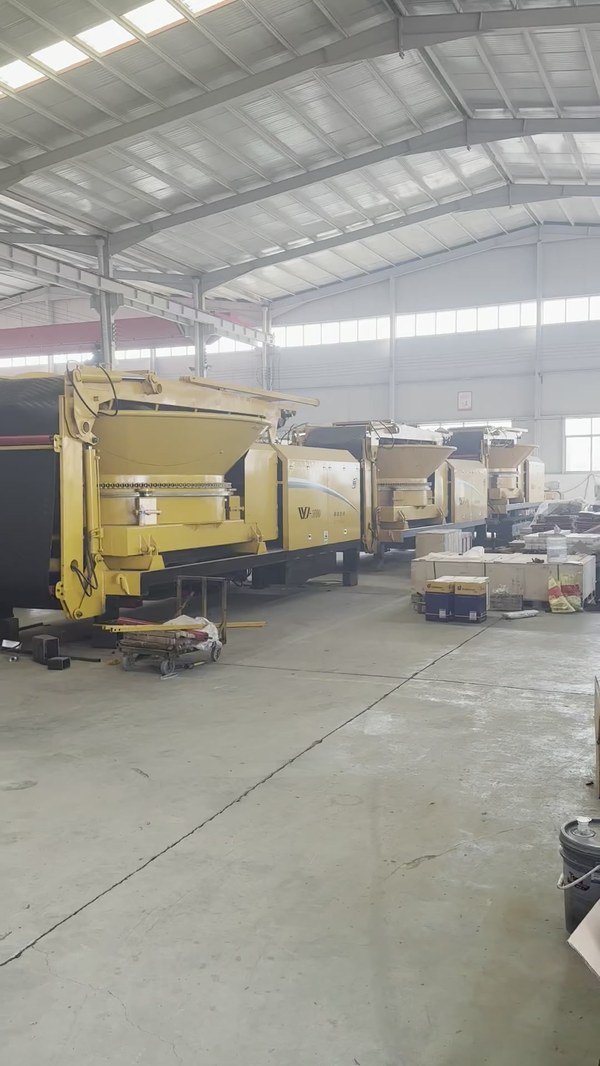
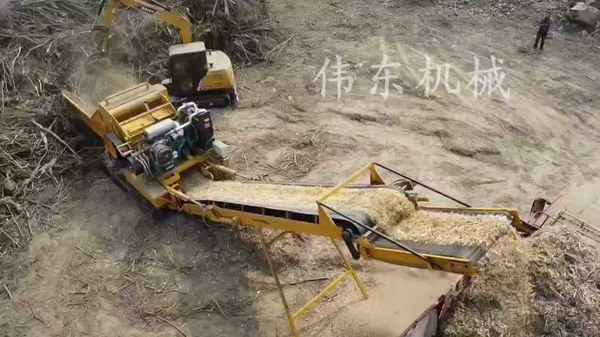
Welcome to Weidong Machines
How to Choose a Tub Grinder for Forestry Residue
Choosing a tub grinder for forestry residue starts with the material and the operating system, not with a claimed maximum throughput. Tops, limbs, slash, bark, brush and root-rich cleanup loads can differ sharply in length, moisture, soil content, bulk density and contamination. A useful selection process therefore defines the feed envelope, processing location, required output, loader and discharge plan, safety boundary and representative test before a buyer compares machine configurations.
This guide is for forestry contractors, land-clearing teams, biomass yards and purchasing managers preparing an RFQ. It does not assign one machine to every forest residue stream. Final configuration, safe operating limits and maintenance requirements must come from the selected manufacturer, the machine manual and a test using the buyer's actual material.
1. Describe the residue before selecting the grinder
Do not write only “forestry waste” in a quotation request. Divide the expected feed into practical lots: clean tops and limbs, tangled slash, brush, bark, short log ends, stump or root material, and mixed cleanup residue. For each lot, record the typical and difficult piece size, moisture condition, amount per site, pile method and known contaminants. Photographs should include a scale reference and several views of the pile.
Contamination deserves a separate record. Soil and stone can arrive with roots or with material pushed across the ground; wire, fencing and hardware may appear in boundary-clearing work. Clean forest-derived biomass should be kept separate from material mixed with other solid waste. Local regulations and the intended outlet still control, but keeping sources separate makes both processing and destination decisions more defensible.
2. Decide whether a tub grinder fits the feed pattern
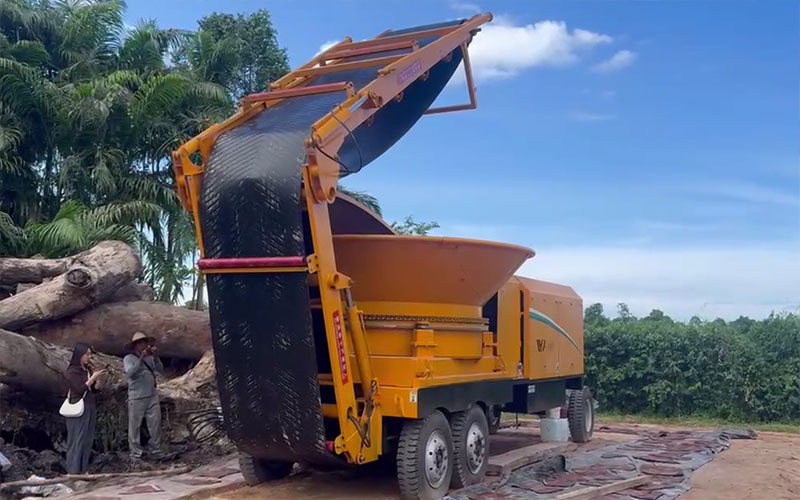
A tub grinder can be evaluated when a loader must feed bulky, irregular or tangled material into an open receiving area. That is not a universal rule and it is not proof that every piece can be accepted. Long, springy or highly controlled linear feed may justify comparing another feed architecture. Review the horizontal grinder material guide as a comparison point, then test both concepts when the residue mix sits between them.
Ask the supplier to state the prohibited material, oversize procedure, required preparation and operator response to bridging or abnormal vibration. The buyer should never assume that a large opening removes the need for sorting. A safe, steady work cell depends on the material handler, visibility, exclusion zones and the ability to stop before an uncertain object enters the machine.
3. Choose the processing location as part of the system
The grinder may work near roadside piles, at a landing, or at a concentration yard. Each location changes mobilization, material handling, truck access, storage and the form in which residue travels. Published forestry research has compared forwarding slash to a concentration yard with grinding in the treatment unit. Such results are site-specific, but the broader lesson is useful: residue concentration and access conditions can change which system is appropriate. Never copy a study's cost conclusion without matching its operating conditions.
Map the entire route: pile to loader, loader to grinder, grinder to conveyor, conveyor to stockpile or truck, and processed material to its destination. Record road width, turning space, gradients, ground bearing condition, overhead clearance and seasonal restrictions. A mobile configuration has little value if the loader, discharge equipment or product trucks cannot reach the same operating cell.
4. Define the output destination before the screen
“Smaller material” is not an acceptance specification. State whether the output will be used for volume reduction, biomass fuel preparation, mulch feedstock, compost blending, site reuse or transport. Then record the destination's limits for oversize, fines, contamination and moisture. Some outlets need a controlled range; others mainly value handling and transport efficiency.
Do not choose a screen only from a catalog label. Ask how the proposed screen, wear condition, feed preparation and recycle policy interact. A tighter target may reduce the accepted production rate or increase recirculation. The quotation should identify the test screen and the conditions under which a different screen would be recommended.
5. Match mobility to the work calendar
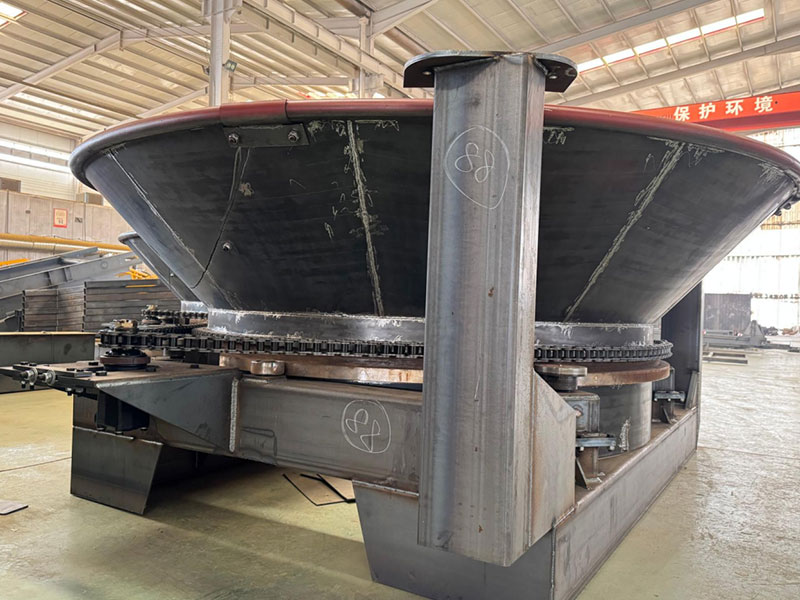
Compare trailer, tracked and fixed operating concepts against the actual move pattern. Count relocations per project, transport distance, setup time, permits, support vehicles and the surface on which the machine must work. The existing trailer-versus-crawler overview can help structure this comparison, but a supplier must confirm transport and ground requirements for the exact model.
Separate road mobilization from movement inside a site. A machine that is convenient to transport may still need careful positioning, and a tracked machine still depends on access, slope limits and ground conditions. Price the complete move, including loader, excavator, fuel, service support and discharge arrangements.
6. Size the loader and discharge system together
Grinder selection is incomplete without a loading plan. Record loader type, grapple, reach, operator visibility, pile height, travel path and whether preprocessing is required. The loader must present material consistently without placing people or equipment in prohibited areas. The supplier should review a proposed site sketch rather than approve the grinder in isolation.
On the discharge side, define conveyor placement, stockpile height, truck loading method, wind and dust controls, product sampling point and cleanup responsibility. Bottlenecks here can make a suitable grinding chamber appear underproductive. Gross machine time and accepted production time should therefore be logged separately.
7. Build a representative forestry-residue test
A practical trial uses separately identified material lots rather than one convenient pile. As a buyer-defined method, prepare at least a normal lot, a difficult lot and a contamination-controlled reference lot when sufficient material is available. Weigh or otherwise document the incoming quantity, record productive minutes and interruptions, and identify accepted output, oversize, rejects and material remaining in the system.
Use the site's wood grinder throughput test method to separate gross elapsed time from net processing time. Log loader delays, sorting, repositioning, screen or configuration changes, cleaning and stops. Report a range with the exact material and setup; do not turn a short favorable run into a universal hourly capacity.
8. Compare proposals with one RFQ table
| RFQ field | What the buyer should provide | What the supplier should confirm |
|---|---|---|
| Feed envelope | Material lots, piece range, moisture, soil and contaminants | Accepted, prohibited and preparation-required material |
| Operating location | Access map, move frequency, surface and working space | Transport, setup and site requirements |
| Output | Destination, oversize, fines and contamination limits | Proposed screen, test method and recycle assumptions |
| Work cell | Loader, grapple, truck and stockpile plan | Recommended layout and exclusion boundaries |
| Evidence | Representative lots and acceptance rules | Data to record, witnesses and open conditions |
| Support | Schedule, labor and local resources | Training, spares, service response and documentation |
Use the same rows for every supplier. Mark unknowns as open items with an owner and review date rather than assigning a zero or a favorable assumption. The WDMachines tub grinder page is a starting point for configuration discussion, not a substitute for this project record.
9. Put safety and maintainability into the selection gate
Request the machine-specific operating manual, guarding information, emergency-stop arrangement, access points, daily inspection tasks and authorized maintenance procedures. Verify local legal requirements and employer responsibilities. Servicing where unexpected startup or stored energy could injure workers requires an applicable hazardous-energy control procedure; general guidance does not replace the exact machine procedure or local legal requirements.
Include access for cleaning and inspection in the trial review. A configuration that processes the test pile but makes routine observation, cleanup or parts handling impractical is not a complete system match. Purchasing, operations, maintenance and safety representatives should all sign off on their own open items.
10. Convert the trial into an acceptance record
Before the test begins, agree which conditions must remain fixed and which may be adjusted. Identify the material lot, preparation method, screen, machine configuration, loader, operator roles, start and stop definitions, output destination and sampling method. Photograph the setup and preserve the supplier's configuration notes. If the team changes an important condition, start a new test segment instead of blending unlike results.
After the run, reconcile incoming material, accepted product, oversize, rejects and material still inside the process. Record every stop with a cause and duration. Note observations that require follow-up, who owns them and when they will be reviewed. Acceptance should depend on the previously agreed evidence, not on a general impression that the machine “looked fast.” This record can later support operator training, production planning and comparison with actual operating results.
When the residue source changes materially, treat the old result as a reference rather than a guarantee. A new harvest method, season, soil condition, pile-building practice or destination requirement can change the system. Preserve the original test data so the next review can identify what changed and whether another representative trial is justified.
Frequently asked questions
Can one tub grinder process every kind of forestry residue?
No universal claim should be accepted. Material geometry, contamination, moisture, output target and the selected configuration all matter. Define lots and test representative difficult material before purchase.
Should forestry residue be ground in the woods or at a yard?
The answer depends on residue concentration, access, mobilization, hauling form, storage and downstream logistics. Compare complete systems under site-specific conditions rather than comparing only grinder production.
What information should be sent for a configuration review?
Send material photographs and dimensions, estimated quantities, contamination risks, site and access details, loader information, required output, destination, working schedule and the difficult material that must be demonstrated.
Request a material-based configuration review
Use the WDMachines contact page to submit the feed description, site layout and outlet requirements. Ask for a written list of assumptions, a representative test plan and the evidence that will close each selection question. The right result is a documented forestry-residue processing system—not simply the largest number on a specification sheet.