Welcome to Weidong Machines
Palm EFB Processing Workflow: Planning a Tub Grinder Project
A reliable Palm EFB processing equipment workflow starts before a supplier recommends a tub grinder. The buyer first defines the incoming material, required end use, site movement, acceptance test, and responsibilities around the machine. Only then can the project team compare configurations on the same basis. This nine-gate workflow gives palm-oil mills and biomass developers a practical route from the first inquiry to an operating handover without depending on an unsupported universal capacity or cost claim.
Every numerical result should come from the buyer's measured material, site data, supplier documentation, or a witnessed trial. Estimates are useful for planning only when they are labelled and tested against conservative scenarios.
Gate 1: Write the downstream product requirement
Begin with what the processed EFB must do next. Material intended for compost preparation, boiler fuel, fibre recovery, drying, densification, or another process may need different size distribution, contamination limits, moisture handling, and production rhythm. “Make it smaller” is not an acceptance specification.
Record the target use, acceptable oversize, prohibited contamination, sampling point, inspection method, daily receiving pattern, and whether a second pass is allowed. If the requirement is uncertain, run samples through the downstream process before finalizing the grinder scope.
Gate 2: Build a representative Palm EFB data sheet
A supplier needs evidence about the feed rather than a generic material name. Photograph whole and opened bunches beside a scale, sample more than one part of the pile, and record source, storage time, rainfall exposure, whole or pre-opened condition, visible soil, stones, wire, plastic, and other mixed material. State whether moisture is measured on a wet basis and identify the method.
| Data group | Buyer records | Decision supported |
|---|---|---|
| Form | Whole, opened, loose, compacted or baled | Feed presentation and preparation |
| Dimensions | Representative range with scale photographs | Loading and infeed suitability |
| Moisture | Samples, method, basis, date and weather | Mass balance and handling |
| Contamination | Soil, stones, tramp metal and rejects | Sorting, wear risk and quarantine |
| Receiving profile | Tonnes or loads by hour and shift | Buffer size and operating schedule |
Retain the completed material sheet with the inquiry and later acceptance records so the tested feed can be compared with the production feed.
Gate 3: Draw the complete process boundary
Put every step on one page: truck arrival, receiving, quarantine, preparation, loader travel, grinding, discharge, screening or separation, recirculation, accepted storage, and dispatch. Identify which equipment and labor belong to the supplier's scope and which remain with the buyer.
The grinder should not be sized in isolation from the loader and discharge system. A machine can wait for feed while the loader sorts contamination, or stop because the output pile blocks the conveyor. Show access widths, surface condition, drainage, power or fuel service, maintenance space, traffic routes, and expected relocations.
Gate 4: Decide whether one machine or a staged line is needed
Compare a grinder, chipper, shredder, pre-opening step, screening stage, or combination against the downstream requirement. The decision should consider feed shape, contamination, required output, mobility, recirculation, maintainability, and the consequences of one machine stopping. The matrix Palm EFB application guide explains how to structure that comparison.
Ask each supplier to state assumptions and exclusions. If pre-sorting, opening, drying, screening, or a dedicated loader is necessary to support a claim, it belongs in the proposed workflow and cost model.
Gate 5: Shortlist configurations against site constraints
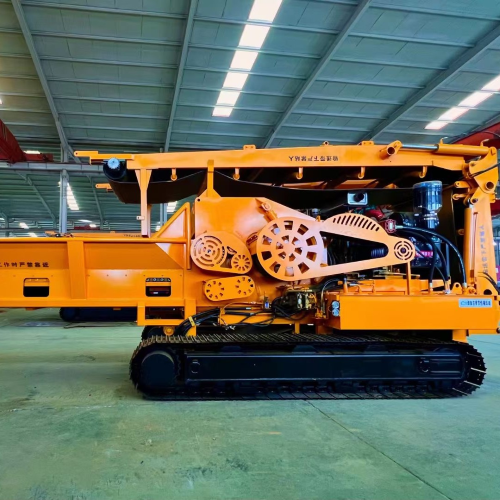
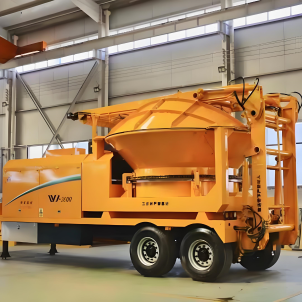
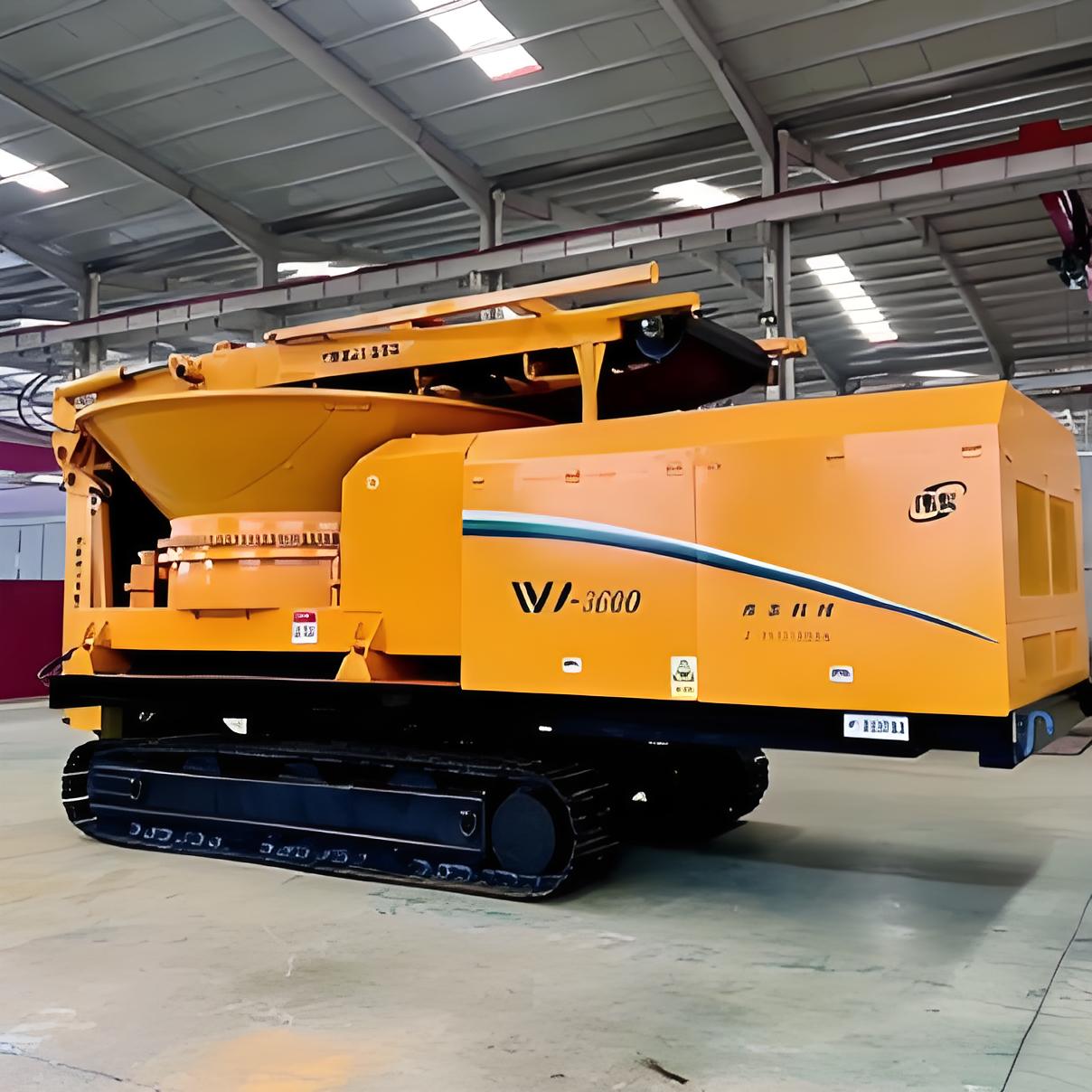
Review diesel or electric drive, stationary or mobile arrangements, access conditions, undercarriage needs, maintenance support, spare-parts strategy, and relocation frequency. Do not select a chassis only from a product photograph. Route width, bearing capacity, slope, soft ground, transport permits, campaign duration, and internal travel can change the right answer.
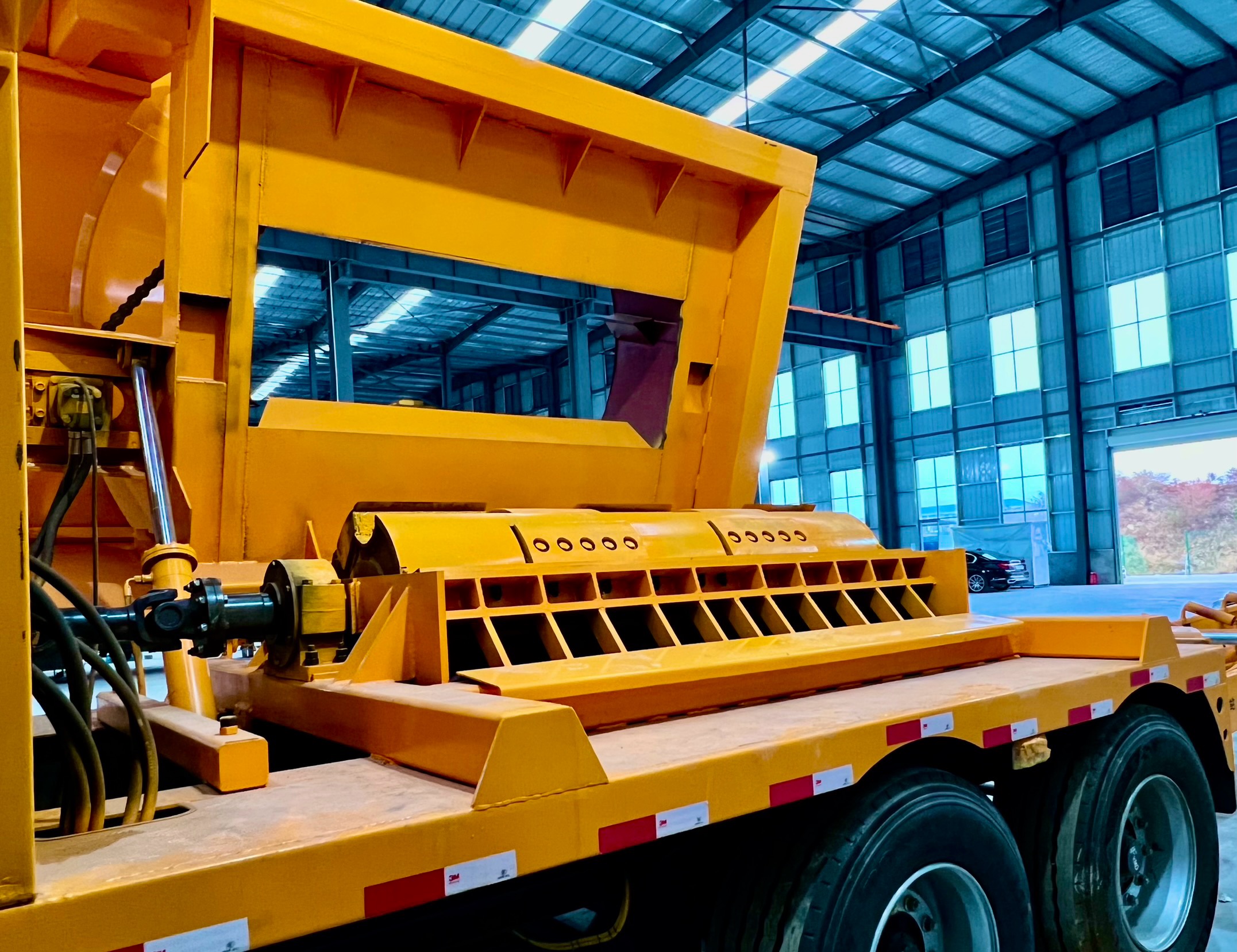
Use the WD Machines tub grinder range to identify candidate configurations, then request a written explanation of how each candidate matches the documented process. A comparison remains provisional until the feed and output assumptions are confirmed.
Gate 6: Approve a witnessed material test plan
The test protocol must be agreed before material enters the machine. Define lot identity, sample method, starting condition, screen or tool configuration, loader, gross start and finish time, net grinding time, delay codes, wet input, accepted output, oversize, rejects, recirculation, energy readings when available, and post-test inspection.
Run more than one interval under representative conditions. Report a range and the reason for variation rather than selecting the highest short interval. The existing wood grinder throughput site-test method provides a worksheet structure for gross time, delays and accepted output.
Gate 7: Compare total system cost per accepted tonne
Separate delivered purchase price from the cost of producing accepted material. Include ownership or finance, productive uptime, energy, labor, wear parts, planned maintenance, loader time, supporting equipment, mobilization, rejected material, and recirculation. Use the same project boundary and currency for every option.
Calculate cost per productive hour and cost per accepted wet tonne. When dry matter is relevant, use sampled wet-basis moisture and show the conversion. Test conservative cases for uptime, accepted-output rate, energy price, wear life, and campaign size. The Palm EFB total-cost worksheet sets out these input groups without inventing a universal figure.
Gate 8: Convert the proposal into an acceptance document
The commercial agreement should identify the machine and included equipment, documented feed envelope, required output, test procedure, measurement responsibility, permitted exclusions, training, documentation, commissioning support, spare parts, warranty boundary, and the process for resolving a failed test. Avoid accepting a headline capacity without the conditions that make it meaningful.
List buyer responsibilities as clearly as supplier responsibilities: representative test material, safe site access, loader, scales, utilities, sampling personnel, storage capacity, and permits. This prevents an acceptance trial from becoming an argument about missing support equipment.
Gate 9: Commission the workflow, not only the grinder
Commissioning should include the receiving and quarantine rules, traffic plan, operator communication, start and stop sequence, emergency controls, normal feed rhythm, discharge management, sampling, delay logging, daily inspection, planned maintenance, and energy isolation procedure. The machine manual and site risk assessment remain authoritative.
Run a handover shift and reconcile input, accepted output, rejects, recirculation, operating time, delay causes, and condition observations. Assign owners and due dates for unresolved items. A project is not complete merely because the rotor turns; the whole material flow must repeatedly produce accepted output under controlled conditions.
Buyer approval checklist
The downstream use and accepted-output specification are written.
Representative feed photographs, dimensions, samples and contamination notes are available.
The full process boundary and site movement drawing are approved.
One-machine and staged-line options have been compared.
Candidate configurations match power, mobility, access and service constraints.
A witnessed test protocol defines measurement and delay treatment.
Total system cost is compared per accepted tonne on common assumptions.
The contract contains feed, output, test, training and responsibility terms.
Commissioning covers the complete workflow and documented handover.
Prepare a useful configuration inquiry
Send the material data sheet, representative photographs, downstream requirement, site drawing, available loader, power constraints, operating schedule, mobility needs, required test, and commercial delivery location through the WD Machines configuration inquiry form. For a second field-planning perspective, review the Palm EFB mobile grinding site layout. These inputs allow the discussion to begin with a defined process and evidence, rather than an unsupported request for one price and one capacity number.