Welcome to Weidong Machines
Tub Grinder Cost for Palm EFB: A Buyer's Total-Cost Worksheet
The useful answer to tub grinder cost for palm EFB is not the purchase price alone. A buyer needs the cost of producing one accepted wet tonne and, when moisture varies, one tonne of dry matter. That calculation must include ownership, productive uptime, fuel or electricity, labor, wear parts, planned maintenance, the loader, relocation, and rejected or recirculated material. This worksheet gives procurement and plant teams a consistent way to request those inputs, test them, and compare proposals without inventing an “average” cost that may not fit the site.
Start with a cost boundary, not a machine quotation
Write down where cost accounting begins and ends. A narrow boundary may cover only the grinder. A useful project boundary normally begins when approved Palm EFB enters the loading area and ends when compliant output reaches the agreed discharge or storage point. It may include a loader, operator, contamination inspection, conveyors, mobile screening, output handling, and scheduled relocation. Drying, baling, trucking, or pellet production should be separate lines if they are outside that boundary.
This distinction matters because the lowest quoted grinder price can support a higher processing cost if it requires more preparation, more loading time, more recirculation, or a second machine. Conversely, a more expensive configuration can reduce handling steps. Compare systems at the same boundary.
The Palm EFB cost worksheet: nine input groups
| Input group | What to record | Evidence to retain |
|---|---|---|
| Capital and finance | Delivered equipment price, finance term, interest or required return, estimated economic life, and residual value | Supplier quotation and finance assumptions |
| Fixed ownership | Insurance, applicable taxes, storage, permits, and annual administration | Local quotations or internal records |
| Energy | Measured fuel per productive hour or metered electricity, plus local delivered price | Fuel log, meter readings, and invoices |
| Labor | Operators, loader drivers, spotters, supervision, benefits, and shift allowances | Site staffing plan |
| Wear parts | Hammers or cutters, screens, holders, fasteners, replacement interval, and usable remaining life | Inspection and replacement log |
| Maintenance | Lubricants, filters, planned service, repair labor, contracted support, and expected downtime | Service schedule and job history |
| Supporting equipment | Loader, excavator, conveyor, magnet, screen, water or fire-control equipment | Machine-hour records |
| Site and mobility | Mobilization, permits, setup, mats or civil works, internal travel, and move frequency | Route and site-layout plan |
| Yield and quality | Wet input, dry matter, accepted output, oversize, contamination rejects, and recoverable recirculation | Scale tickets and sampling sheet |
The US Forest Service defines a machine rate as the hourly cost of ownership and operation, including investment amortization, consumables, and labor, based on productive time. Its current Machine Rate Calculator also treats equipment life, maintenance, and fuel consumption as variables. These principles transfer well to Palm EFB projects even though every local input must come from the buyer's actual quotations and trials.
Calculate cost per productive hour first
Use one currency and one time basis. A practical structure is:
Total cost per productive hour = ownership per productive hour + energy + labor + wear parts + maintenance + supporting equipment + allocated site and relocation cost.
Ownership cost continues when a machine is scheduled but not producing. Therefore, annual ownership cost should be divided by expected annual productive hours, not by every hour on the calendar. Keep scheduled machine hours and productive machine hours separate. If a shift has 10 scheduled hours but only 6.5 hours of accepted production, spreading fixed cost across 10 hours would understate the unit cost.
Do not copy a utilization rate from another operation. Measure feed shortages, loader delays, bridging, contamination checks, maintenance, discharge restrictions, and planned breaks. The Palm EFB capacity test sheet explains how to separate gross time, net grinding time, delay classes, and accepted output.
Convert hourly cost into cost per accepted tonne
The central buyer formula is:
Cost per accepted wet tonne = total system cost during the test / accepted wet output during the same test.
Count only output that meets the written size and contamination specification. If oversize is returned to the grinder, retain the first-pass output, recirculated mass, final accepted output, and extra operating time. Otherwise, a high gross discharge rate can look economical while concealing a costly second pass.
For material sold or balanced on a dry-matter basis:
Dry-matter mass = wet mass × (1 − wet-basis moisture fraction).
Cost per dry tonne = total system cost / accepted dry-matter output.
ISO 18134-1:2022 states that as-received moisture for solid biofuels is reported against the total mass of the test sample, which is the wet basis. Put “wet basis” beside every moisture value and record the sampling method. A numerical example can illustrate the formula, but it must not be presented as the moisture of a customer's pile.
Separate ownership cost from cash paid this month
A cash-flow view and an economic-cost view answer different questions. Monthly loan payments help plan cash. Economic ownership cost reflects the capital committed to the machine, expected loss of value, financing or required return, insurance, and applicable taxes over its useful life. Procurement should calculate both rather than mixing a cash down payment with a yearly operating figure.
For screening proposals, request at least three life scenarios: conservative, base, and extended. Apply the same method and currency to every supplier. A residual value is an assumption until supported by a credible market or buy-back arrangement, so label it and test what happens if it is lower.
Measure wear instead of using a generic allowance
Palm EFB is fibrous, but wear cost depends on more than the crop name. Soil, sand, stones, tramp metal, feed presentation, screen restriction, tool material, rotor configuration, and inspection practice can change the result. A useful wear trial records the identity and starting condition of each tool position, productive hours, accepted tonnage, reversals or rotations, replacements, and the reason for removal.
Calculate both cost per productive hour and cost per accepted tonne. Include screens, holders, bolts, and service labor rather than tracking only the headline cutting part. If a supplier offers an expected interval, record the material condition and output specification supporting it. Treat an unverified interval as an estimate until a controlled site test confirms it.
Include the loader and the downstream bottleneck
A grinder cannot maintain useful production when feed presentation is irregular or the discharge area is blocked. The loader's hourly ownership, energy, labor, and productive time belong in the system cost when it is dedicated to grinding. If it serves several tasks, allocate its time using a documented rule.
Record bucket or grapple type, travel distance, pile geometry, whole-EFB proportion, and whether the loader must sort contaminants. Then check conveyors, screens, storage, and truck dispatch. The target is not the lowest isolated grinder cost; it is the lowest defensible cost for compliant output through the whole agreed boundary.
Allocate mobilization by campaign size
Mobile processing adds transport, permits, loading and unloading, setup, inspection, and lost production during moves. Use:
Mobilization cost per accepted tonne = total cost of one move / accepted tonnes processed before the next move.
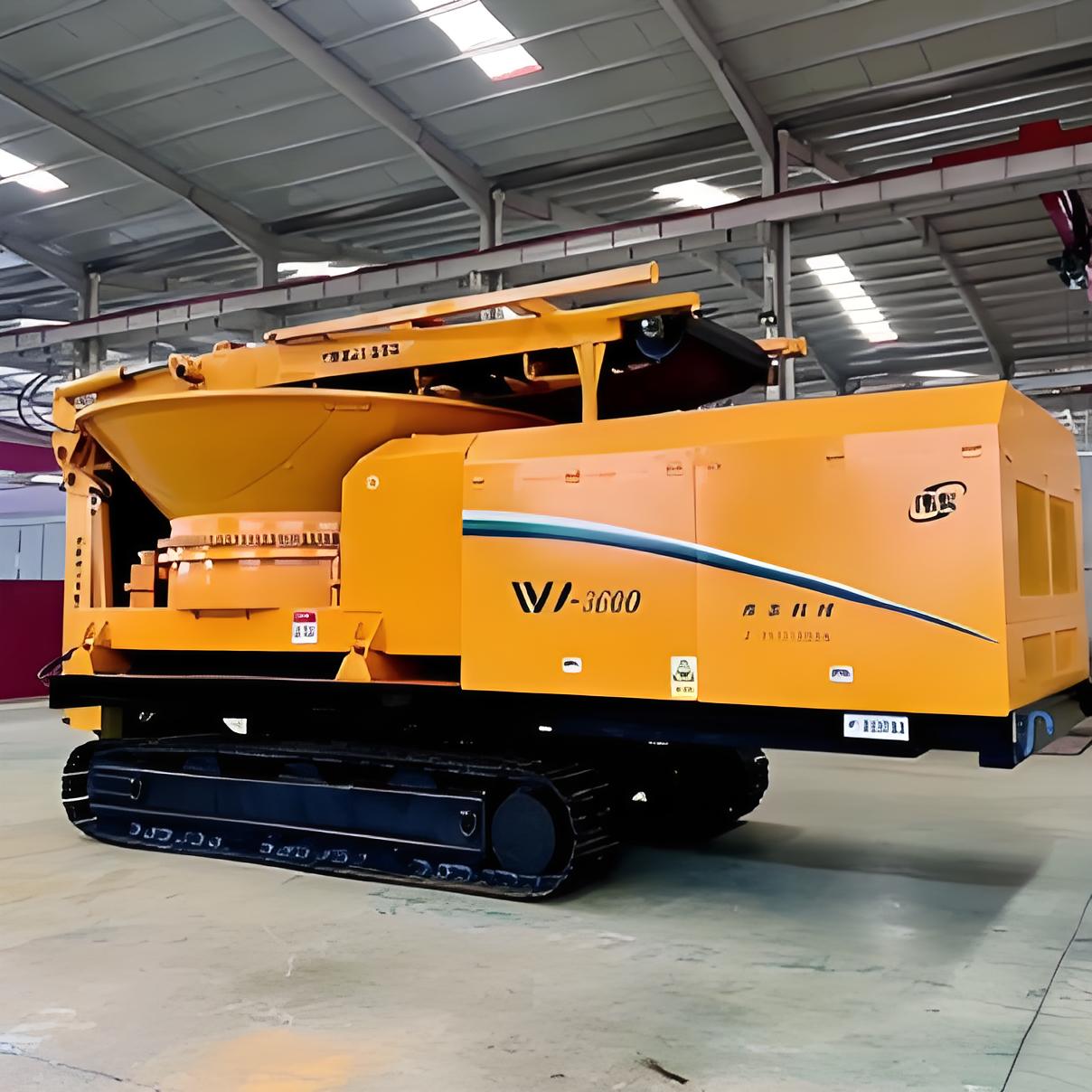
This line is especially sensitive on small or scattered Palm EFB sites. Run scenarios for expected campaign size and move frequency. A trailer, crawler, or stationary configuration should be assessed against route access, bearing capacity, internal movement, and the duration of each campaign. The trailer-versus-crawler comparison can be used to define those mobility questions before cost is calculated.
Run five sensitivity tests before approving a budget
Productive uptime: reduce expected productive hours while holding ownership cost constant.
Accepted-output rate: test the lower and upper repeated-run results, not only the best run.
Energy price: apply current delivered prices and an explicitly labeled planning range.
Wear life: shorten the measured or quoted replacement interval and include service labor.
Campaign size: spread mobilization and setup over smaller and larger accepted tonnage.
A disciplined model changes one input at a time before testing combined adverse conditions. This reveals whether the decision depends mostly on financing, uptime, production, wear, energy, or site moves. The Forest Service's ChargeOut! methodology likewise uses discounted cash flow, break-even analysis, and sensitivity analysis for capital equipment; buyers can apply the same discipline while using their own Palm EFB data.
A simple approval table
| Decision field | Conservative case | Base case | Verified case |
|---|---|---|---|
| Annual productive hours | Planning assumption | Planning assumption | Shift and delay logs |
| Accepted wet tonnes per productive hour | Lower trial result | Repeated-run result | Scale tickets |
| Wet-basis moisture range | Sampled range | Sampled range | Named method and samples |
| Energy per productive hour | Supplier estimate | Trial reading | Meter or fuel log |
| Wear cost per accepted tonne | Short-life case | Expected case | Tool-position history |
| Moves and campaign tonnes | Small campaign | Expected campaign | Dispatch records |
| Total cost per accepted wet and dry tonne | Calculated | Calculated | Reconciled invoices and production |
Questions to send with a Palm EFB grinder inquiry
Which costs and supporting machines are included in the quoted scope?
Is production stated as wet input, gross output, accepted output, or dry matter?
What moisture basis, feed form, contamination level, screen, and output specification support the rate?
What parts are treated as consumables, and what evidence supports the replacement interval?
Which labor, loader, maintenance, installation, commissioning, and relocation costs remain with the buyer?
What site test will verify energy, uptime, accepted output, and wear before final acceptance?
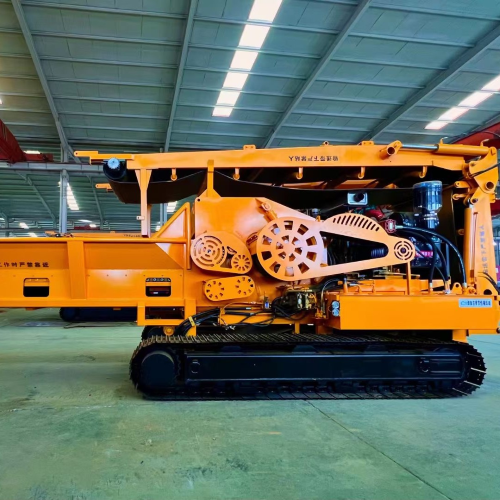
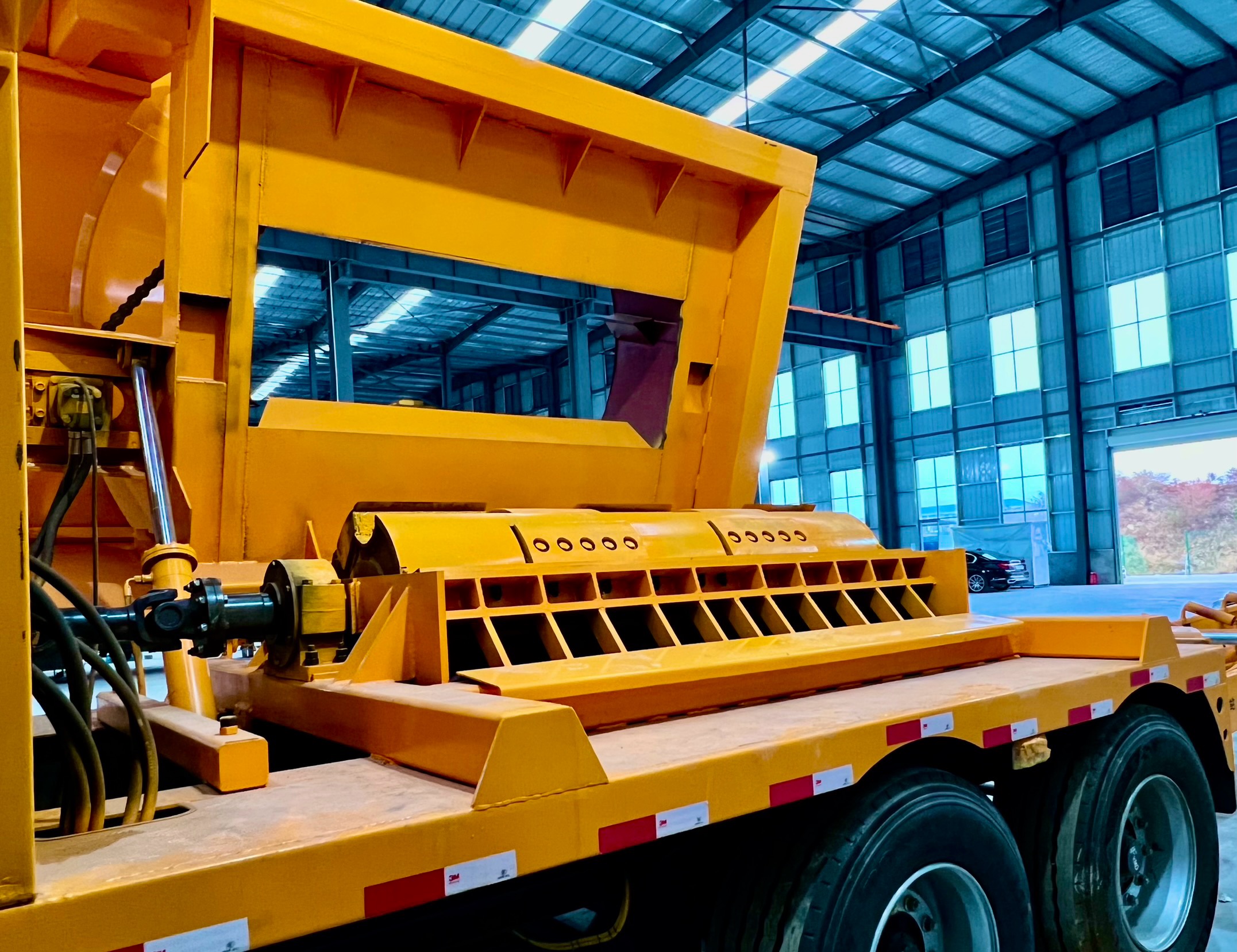
Begin with the WD Machines tub grinder range, then send representative Palm EFB photographs, dimensions, sampled moisture, contamination observations, required output, operating hours, campaign size, and site layout through the configuration inquiry form. For a second engineering perspective on defining the incoming material, use the matrix guide to Palm EFB feed characteristics. The result should be a traceable site-specific cost model, not a universal price claim.