Welcome to Weidong Machines
Comparing Tub Grinder Capacity for Palm EFB: A Buyer's Test Sheet
A buyer should compare tub grinder capacity for palm EFB only after every supplier uses the same feed description, moisture basis, output definition, test window, screen setup, and delay rules. A single “tons per hour” number is not comparable when one quotation means wet feed entering the tub, another means saleable output, and a third excludes loading and blockage time. The practical solution is a one-page capacity test sheet that converts every claim into measured wet input, dry-matter input, accepted output, gross rate, net rate, and uptime under stated conditions.
Why nominal capacity is not a purchasing specification
Nominal capacity may be useful for an early conversation, but it is not enough for a purchase decision. Palm empty fruit bunches can arrive as whole bunch structures, loose fiber, mixed fronds, weathered piles, or pre-cut material. Storage and rain exposure change water content. Soil, stones, wire, and bags change the accepted feed. Loader cycle time and screen choice change the measured rate even when the grinder itself is unchanged.
The first step is therefore to freeze the test condition. Use the seven-input Palm EFB selection worksheet to describe material mix, moisture condition, incoming dimensions, required output, contamination, loading method, and the downstream process. The present guide starts after those inputs have been recorded and focuses on comparing capacity evidence.
Define six capacity terms before requesting quotations
| Term | Definition for the test sheet | Why buyers need it |
|---|---|---|
| Wet input mass | Accepted feed weighed as received during the test window | Shows the physical mass handled, including its water |
| Dry-matter input | Wet input multiplied by the measured dry-matter fraction | Allows material with different moisture to be compared more fairly |
| Accepted output | Output that meets the agreed size and contamination specification | Prevents oversize, rejected material, and unprocessed carryover from inflating the result |
| Gross test time | Clock time from the agreed start to the agreed finish | Includes the interruptions the project actually experiences |
| Net grinding time | Time when accepted feed is being processed under the agreed operating state | Separates machine processing from loading and site delays |
| Uptime ratio | Net grinding time divided by gross test time | Shows how much of the test window produced useful processing |
Do not let a supplier substitute engine running time for net grinding time unless that is the agreed definition. An idling engine, an empty tub, and a stopped discharge conveyor may all consume clock time without producing accepted output.
Use wet-basis moisture consistently
For solid biofuels, ISO 18134-1:2022 describes a reference oven-drying method and states that moisture as received is reported on the total mass of the test sample, or wet basis. If a project uses a simplified field method, record the method and do not present it as equivalent to a laboratory reference method without validation.
On a wet basis, dry-matter fraction equals one minus the moisture fraction. If a representative test sample is measured at 0.55 moisture fraction, its dry-matter fraction is 0.45. The dry-matter input is therefore wet input mass multiplied by 0.45. This is an arithmetic example only, not a claim about the moisture of a particular EFB source.
The NREL System Advisor Model technical manual also distinguishes wet-basis moisture, which relates water mass to wet biomass mass, from dry-basis moisture, which relates water mass to dry biomass mass. Put the basis beside every moisture value. A percentage without its basis can invalidate the comparison.
Calculate four rates, not one
Enter all masses in one unit and all times in hours, then calculate:
Gross wet-input rate = wet input mass / gross test time.
Net wet-input rate = wet input mass / net grinding time.
Gross accepted-output rate = accepted output mass / gross test time.
Dry-matter input rate = dry-matter input / gross test time.
Each rate answers a different question. Net wet-input rate helps isolate the processing period under the test condition. Gross accepted-output rate is usually more useful for project planning because it includes the test-window delays and counts only material that meets the agreed output specification. Dry-matter input rate helps compare tests with different measured moisture, but it does not replace the need to report fiber form, dimensions, contamination, screen, and loader method.
The existing wood grinder throughput site-test method gives the broader measurement boundary. Use that method together with this buyer sheet rather than copying a rate from a demonstration video.
Separate delay classes instead of deleting them
Create a delay log with start time, finish time, duration, class, and short cause. Use a controlled set of classes:
Feed supply: loader absent, bucket filling, travel congestion, or empty receiving area.
Material behavior: bridging, wrapping, oversize feed, screen blinding, or discharge buildup.
Contamination control: rejected metal, stone, soil, bags, or quarantine inspection.
Machine service: inspection, adjustment, refueling, approved maintenance, or fault response.
Downstream constraint: conveyor, pile, screening, truck, drying, or storage unable to receive output.
Planned test activity: sampling, weighing, configuration change, or safety briefing.
Do not erase a delay because it was “not the grinder.” The buyer needs both the grinder-limited rate and the system-level rate. Classifying the delay preserves both views without hiding what happened.
Record the configuration that produced the result
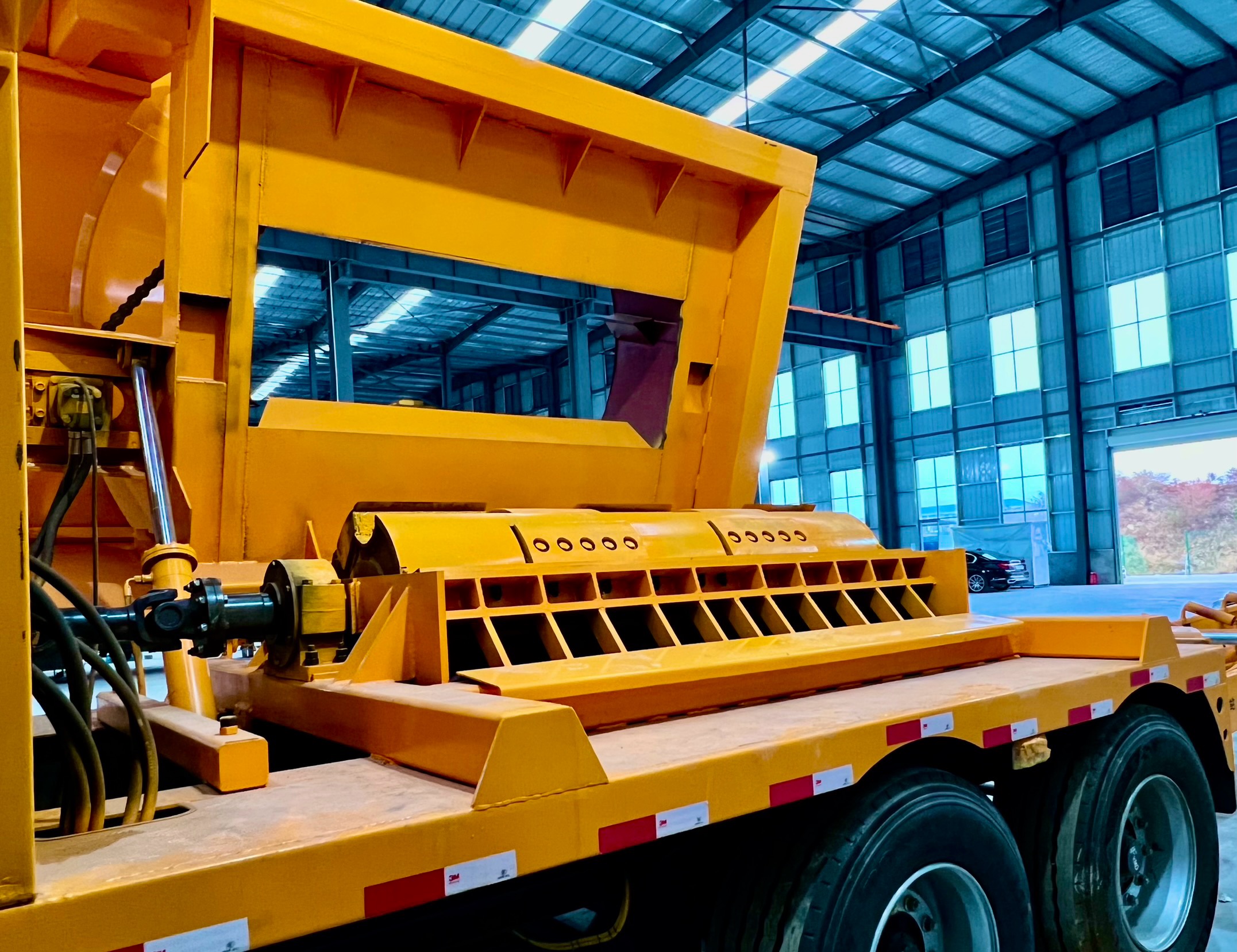
A capacity result belongs to a configuration. Record the screen opening or output-control setup, rotor or hammer arrangement when disclosed, engine or electric drive configuration, tub and discharge settings, loader type and attachment, feed preparation, operator arrangement, and weather. Include photographs of the actual feed beside a scale and the accepted output sample.
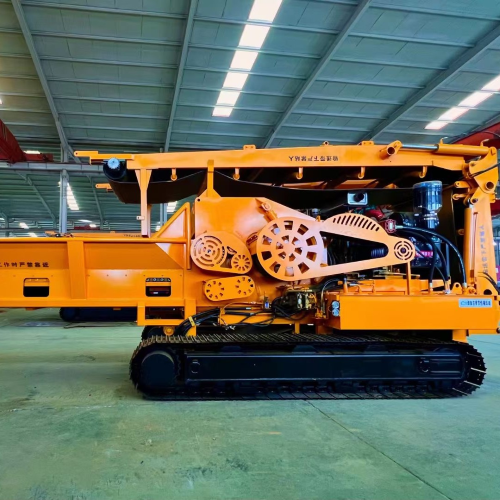
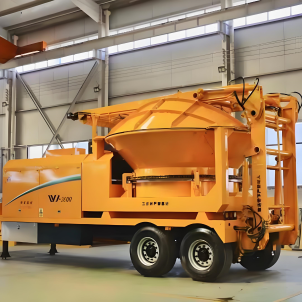
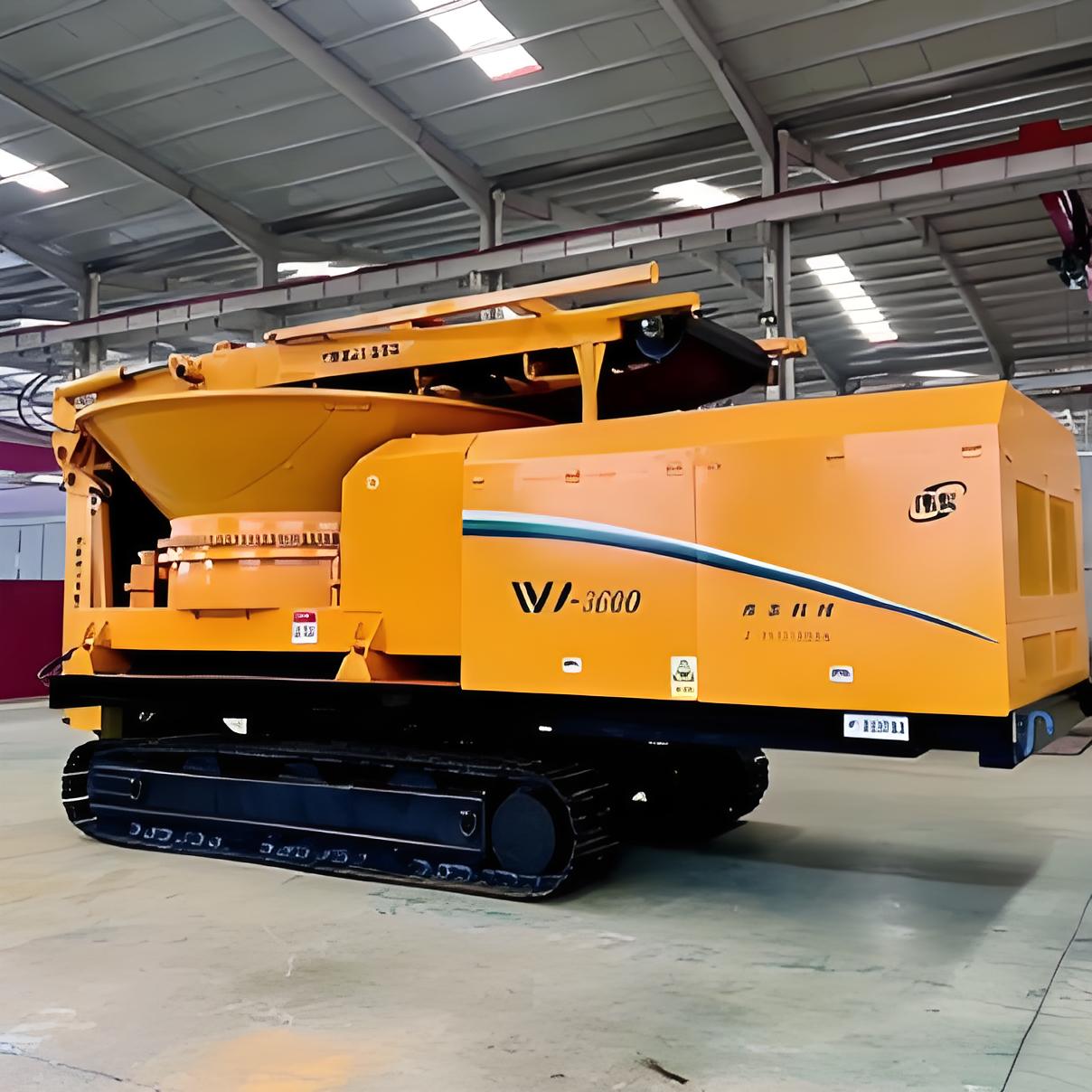
Use the WD Machines tub grinder category to identify the proposed equipment family, but do not transfer a result from one setup to another without a new review. The choice between trailer and crawler mobility is also a site decision; the trailer-versus-crawler guide explains terrain and relocation factors that can affect the operating window even when the grinding chamber is similar.
Use repetitions to expose variability
One short run can be dominated by an unusually easy or difficult bucket. Divide the test into repeated, traceable runs using the same measurement boundary. Report each run separately before reporting a median or range. If the feed pile is visibly heterogeneous, use a sampling plan that covers the top, center, edges, and lower layers rather than selecting only loose material from the surface.
A wider range is not automatically a failed test. It is evidence that feed presentation, moisture, contamination, or operating conditions vary. Procurement should ask whether the process can control the variable and what happens when it cannot. The engineering note on Palm EFB feed characteristics provides a field sampling approach for documenting that variation.
Set acceptance rules before anyone sees the result
Write the pass, review, and stop conditions before the demonstration. A pass condition can require a documented feed range, an accepted-output specification, completed delay log, no unresolved safety deviation, and repeated runs within an agreed reporting method. A review condition can cover a blocked screen, loader interruption, changed feed source, or incomplete moisture sample. A stop condition should cover unsafe access, uncontrolled projectiles, fire indication, unstable piles, contamination outside the approved rule, or any event identified by the site risk assessment and machine instructions.
Acceptance should not depend on reaching a number that was chosen before the material was tested. Instead, procurement should decide whether the measured envelope meets the project requirement with the observed feed variability and site constraints. If it does not, retain the evidence and compare a different screen, preparation step, loader plan, controlled-feed machine, or downstream arrangement. Changing a condition creates a new test case; it does not erase the first result.
Build a capacity envelope instead of a guarantee from one point
After repeated runs, organize the evidence into a capacity envelope. The horizontal axis can represent a measured condition such as moisture range, maximum incoming dimension, or proportion of whole EFB. The vertical axis can show gross accepted-output rate. Keep screen, loader, contamination rule, and output specification constant for each comparison. Where conditions change together, do not imply that one variable caused the entire rate difference.
The envelope is a decision aid, not a universal performance curve. It applies to the tested material and configuration. Use a new test or a clearly labeled engineering estimate when the project changes feed source, screen, loader, output specification, or downstream process.
Capacity comparison sheet
| Field | Supplier A | Supplier B | Buyer verification |
|---|---|---|---|
| Feed source and material mix | |||
| Wet-basis moisture method and range | |||
| Typical and maximum feed dimensions | |||
| Screen/output-control setup | |||
| Accepted output specification | |||
| Wet input and dry-matter input | |||
| Accepted output mass | |||
| Gross time and net grinding time | |||
| Gross and net rates | |||
| Delay log by class | |||
| Repeated-run range |
Questions to put into the purchase specification
Is the quoted rate wet input, dry-matter input, total output, or accepted output?
Which moisture basis and sampling method were used?
What feed form, maximum dimension, contamination level, and preparation were tested?
Which screen, loader, discharge, and downstream conditions applied?
Which delays were included in gross time and excluded from net time?
How many repeated runs support the quoted range?
What condition changes require a new test or engineering review?
Send this sheet, representative EFB samples, and the required output specification when requesting a configuration review. Buyers can then compare like with like and use evidence rather than an unqualified capacity claim. For regional workflow context, the plantation palm grinder selection guide adds mobility and site-support questions for Southeast Asian operations.