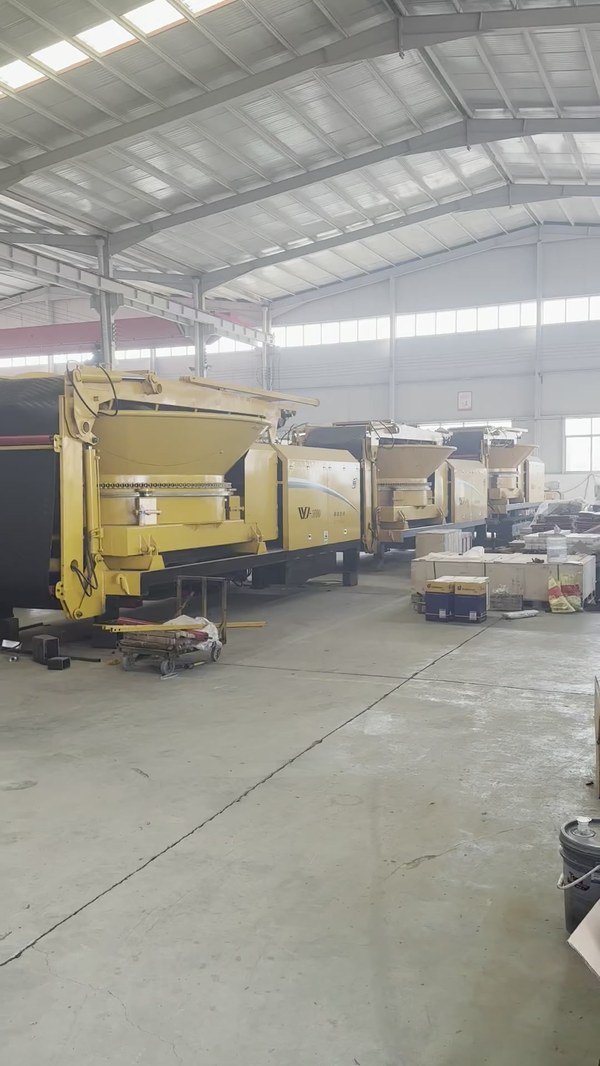
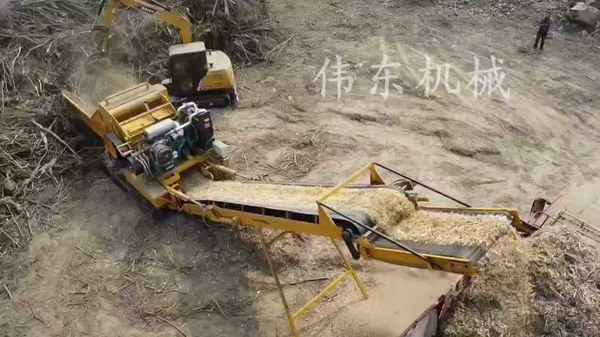
Welcome to Weidong Machines
Processing Palm Oil Waste: Why WD Machines is the Preferred Choice for Southeast Asian Plantations
Author: Micheal (Senior Sales Manager at WD Machines)
Processing palm oil agricultural waste efficiently requires industrial machinery capable of handling high moisture levels, stringy fibrous structures, and highly corrosive organic acids. To transform massive volumes of Empty Fruit Bunches (EFB), oil palm fronds, and felled trunks into valuable biomass fuel, plantation operators must deploy heavy-duty grinding systems engineered with specialized anti-wrapping rotors and corrosion-resistant alloys. Deploying advanced processing machinery from our WD series optimizes your plantation's waste management lifecycle by slashing volume accumulation and generating clean, high-yield boiler feedstocks. Ultimately, choosing a dedicated technical partner like WD Machines empowers Southeast Asian palm oil mills and plantations to convert environmental liabilities into a predictable, highly profitable renewable energy stream.
Introduction
Across Southeast Asia—particularly within the vast agricultural expanses of Malaysia and Indonesia—the palm oil sector stands as a massive economic engine. But as any seasoned plantation owner, mill operator, or environmental compliance manager knows, this high-yield crop leaves behind a monumental volume of agricultural residue. For every ton of crude palm oil produced, multiple tons of biomass waste are generated in the form of Empty Fruit Bunches (EFB), oil palm fronds (OPF), and oil palm trunks (OPT).
As the senior sales manager at WD Machines, I regularly travel throughout Southeast Asia to visit processing yards and palm oil mills. The local operators I consult with always voice the same structural frustrations: "Micheal, standard wood grinders keep breaking down or getting choked by our palm waste. The fibers wrap around the rotor, the moisture corrodes the steel, and our operational costs are eating up our margins."
Palm oil waste is not standard timber. It is highly fibrous, packed with moisture, abrasive, and acidic. Processing it requires specialized heavy-duty engineering, not generic wood shredders. In this comprehensive guide, we will examine the unique challenges of processing oil palm residuals and break down exactly why WD Machines has become the preferred choice for elite plantations across Southeast Asia.
1. The Real Challenges of Oil Palm Biomass Processing
To understand why standard machinery fails, we must look at the brutal physical and chemical characteristics of palm oil agricultural waste.
The Fibrous Wrapping Nightmare
Empty Fruit Bunches and fronds contain long, interlocking, high-tensile organic fibers. When fed into a conventional wood grinder, these stringy fibers do not cleanly fracture upon impact. Instead, they behave like thick ropes, wrapping tightly around the rotating shaft, hammermill blocks, and rotor bearings. This creates extreme friction, robs engine horsepower, destroys hydraulic seals, and causes frequent emergency shut-downs so crews can manually cut the tangled mess away.
High Moisture and Acidic Corrosion
Fresh EFB and oil palm trunks routinely exhibit moisture contents exceeding 55% to 65%. This extreme moisture level is mixed with aggressive organic acids and corrosive fluids naturally present in the palm plant. When this acidic moisture meets standard carbon steel grinding chambers, it triggers rapid oxidation, chemical pitting, and accelerated structural wear, severely shortening the operational lifespan of the machinery.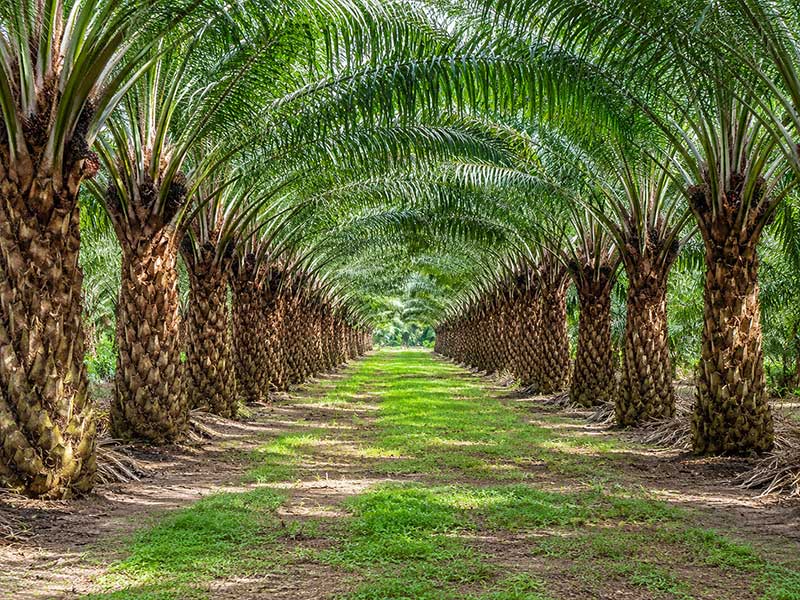
2. Engineered Solutions: Why WD Machines Dominates Palm Waste
At WD Machines, we didn't just repaint our standard forestry grinders and call them "palm oil models." We listened to our clients in Southeast Asia and engineered targeted, heavy-duty mechanical solutions specifically designed to conquer these exact agricultural challenges.
Anti-Wrapping Heavy-Duty Rotor Design
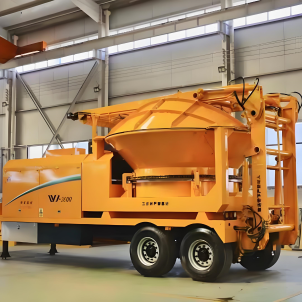
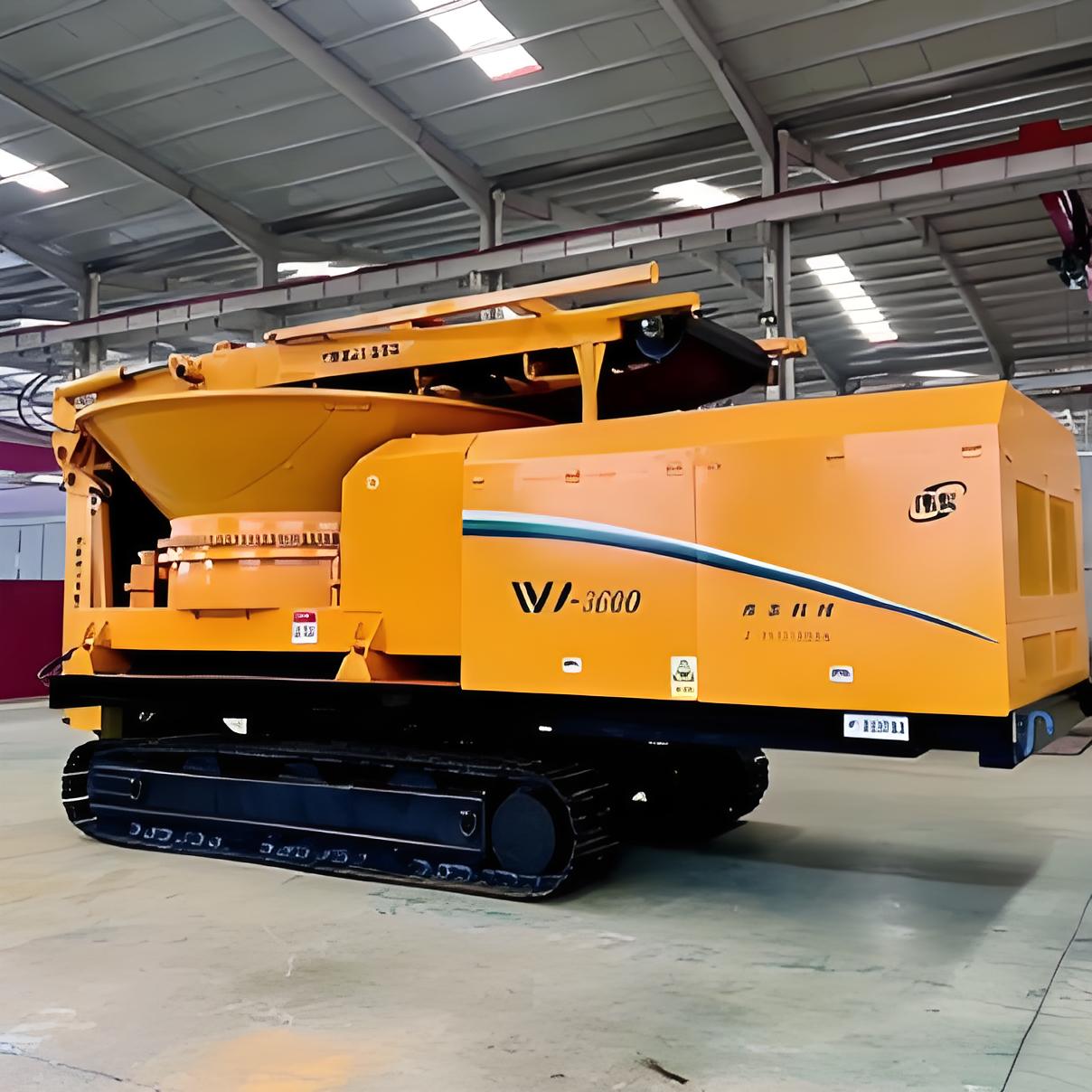
Our specialized horizontal and tub grinders feature an engineered anti-wrapping rotor drum. The clearance tolerances between the rotating hammers and the stationary interior anvil are precisely calibrated to create a continuous shearing or slicing action. Instead of allowing long palm fibers to slide over the rotor face and wrap around the shaft, our heavy-duty cutters shear the fibers instantly upon impact, forcing them smoothly through the sizing screens.
Advanced Corrosion-Resistant Hard-Facing Alloys
To withstand the highly corrosive, high-moisture environment of Southeast Asian palm oil mills, the entire internal grinding chamber, wear plates, and screen retention frames of our specialized machines are lined with abrasion-resistant (AR) steel plates and treated with advanced anti-corrosion industrial coatings. This dual-layer protection prevents chemical degradation and ensures long-term structural integrity under continuous wet-processing conditions.
High-Torque, Low-RPM Cutting Dynamics
Rather than relying on high-speed, low-torque impact forces that glaze over wet fibers, WD Machines configurations utilize high-displacement hydraulic drive systems or high-torque diesel engines optimized for aggressive material reduction. This allows our hammers to punch through dense, fibrous organic mass without dragging down engine RPMs or consuming excessive amounts of fuel.
3. Comparative Matrix: Standard Wood Grinders vs. WD Machines
To help your procurement team visualize the operational differences, here is a scannable structural comparison between conventional grinding assets and our tailored palm oil biomass solutions:
| Operational Parameter | Conventional Wood Grinders | WD Machines Specialized Palm Series |
|---|---|---|
| Rotor Configuration | Standard open pocket (High risk of fiber wrapping) | Closed-drum, tight-tolerance anti-wrapping design |
| Material Shear Action | Pure high-speed impact fracturing | High-torque mechanical slicing and shearing |
| Chamber Metallurgy | Standard carbon structural steel | AR-450/500 wear liners with anti-acid coatings |
| Moisture Capability | Limited to dry/medium residuals (<35% moisture) | Optimized for wet agricultural mass (Up to 65% moisture) |
| Screen Blinding Resistance | Low (Wet fibers quickly clog round screen holes) | High (Employs wide hex/staggered slots for wet ejection) |
| Primary End-Product Use | Standard landscape mulch or fine sawdust | High-yield EFB pellet feedstock & boiler fuel chips |
4. Unlocking the Commercial Value of Palm Waste
When you deploy a reliable processing asset from WD Machines, you aren't just cleaning up your plantation grounds; you are unlocking a highly lucrative secondary revenue stream.
Turning EFB into Eco-Friendly Boiler Fuel
Unprocessed EFB piles occupy massive acreage, attract pests, and release methane gas as they rot. By processing EFB through a WD Machines horizontal unit, you instantly reduce its volume, accelerate its drying cycle, and transform it into a consistent, homogenous fuel source. This processed biomass can be fed directly into your palm oil mill's co-generation boilers, drastically slashing your reliance on external fossil fuels or grid electricity.
Export-Quality Pelleting Feedstock
The global demand for sustainable biomass fuel pellets—especially in markets like Japan and South Korea—is skyrocketing. Processed, finely ground oil palm fronds and trunks provided by our machinery deliver the exact fiber length and consistency required by commercial pelleting plants, allowing plantations to export their agricultural waste at premium market prices.
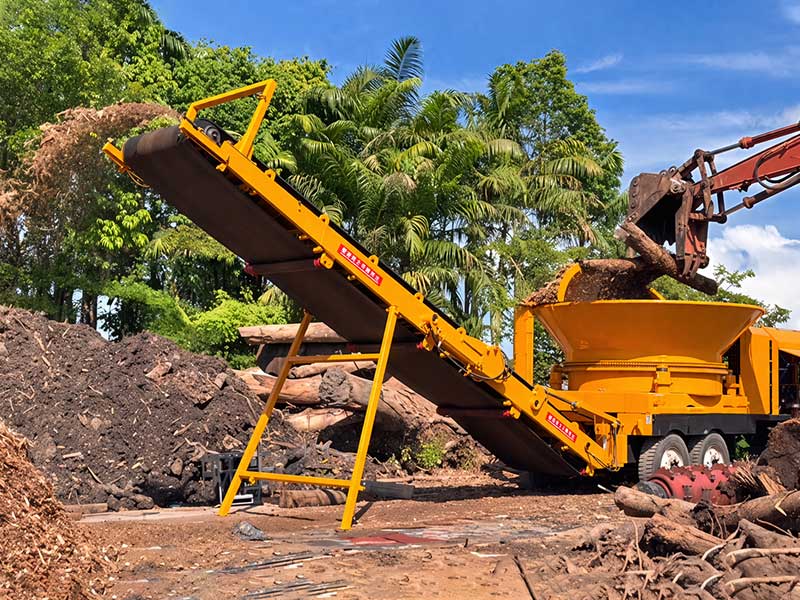
5. Micheal’s Checklist for Southeast Asian Plantation Procurement
If you are a fleet manager or mill director in Malaysia, Indonesia, or Thailand looking to upgrade your waste processing infrastructure, use this targeted checklist to ensure maximum return on investment:
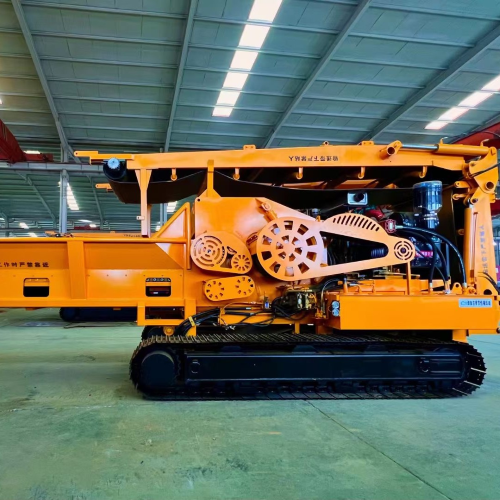
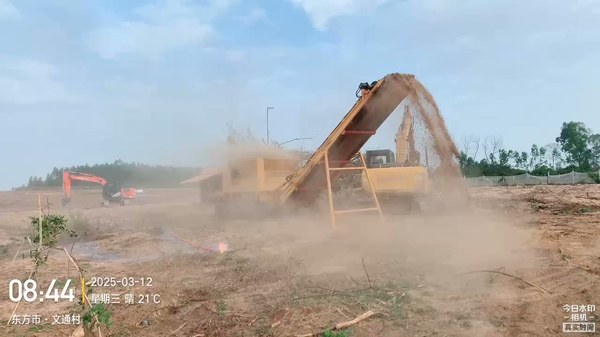
Verify Your Local Logistics Infrastructure: If your palm waste is scattered across remote, rugged plantation terrain, opt for our crawler-mounted tracked models. This allows the machine to crawl directly down the palm rows, processing trunks and fronds on-site without double-handling material.
Size Your Screen for Moisture Content: When grinding high-moisture EFB, always utilize our wide hexagonal or tapered slot screens. Small, circular holes compress wet fibers into a solid plug, causing screen blinding; large hex openings allow wet material to exit immediately once sheared.
Establish a Localized Maintenance Routine: Because palm oil fibers carry abrasive silica and sand from the plantation soil, ensure your daily maintenance crew utilizes a strict tool-rotation schedule. Keeping your cutting edges razor-sharp reduces fuel consumption by up to 15% and guarantees peak tonnage throughput.
Partner with WD Machines for Sustainable Agricultural Success
At WD Machines, we understand that Southeast Asian palm oil operations require rugged, highly reliable machinery that doesn't blink when faced with harsh environments. We are committed to providing our international clients with elite-tier mechanical solutions, rapid spare parts fulfillment, and comprehensive technical engineering expertise.
Ready to transform your plantation's agricultural waste into clean, high-yield biomass profits?
Explore our complete global product line and view specialized processing videos at www.wdmachines.com or reach out to me, Micheal, directly today. Share your specific daily tonnage targets, your primary material matrix (EFB, fronds, or trunks), and your location, and I will configure a customized, heavy-duty processing solution designed to maximize your plantation's operational efficiency and long-term profitability!