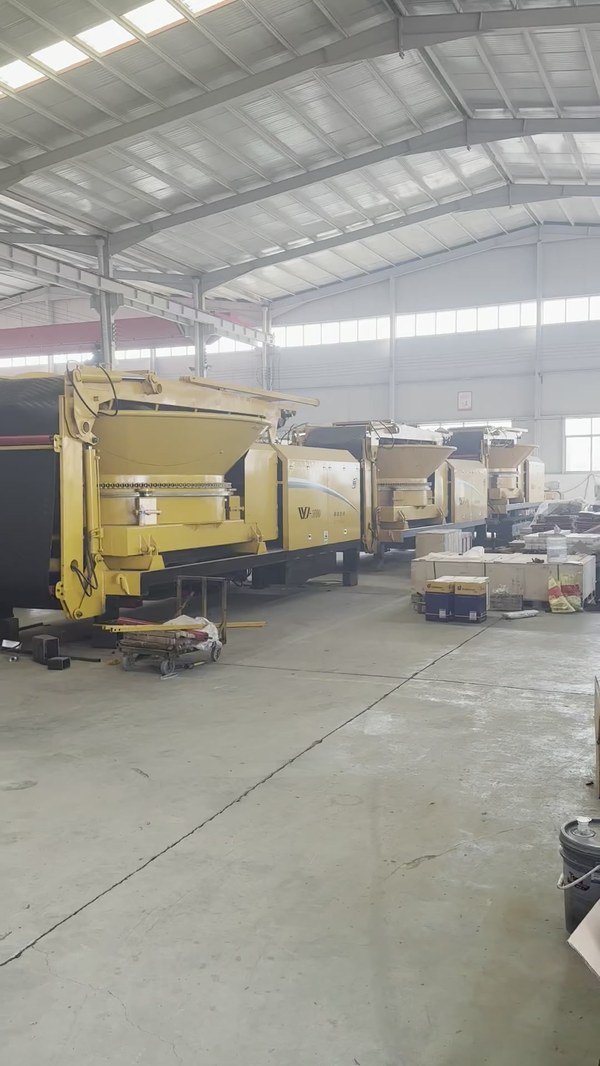
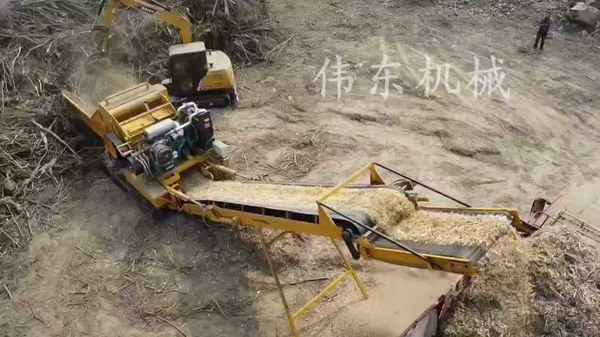
Welcome to Weidong Machines
Tub Grinder Selection Guide for Wood and Green Waste
Tub grinder: select the complete processing system around representative feed lots and an accepted output specification, not around a headline capacity number.
High-volume green-waste projects can combine branches, logs, leafy material, fibrous stems, storm debris and contaminants in changing proportions. The buyer must define which fractions are allowed, what product is acceptable, how material is prepared and loaded, and how output is removed. This guide turns those questions into a quotation and trial checklist without inventing model capacity or operating cost.
Write the feed envelope before comparing machines
Measure the expected range of stem diameter and length, branch geometry, leafy fraction, bulk density method, moisture method, soil and contamination. Keep easy prunings separate from difficult storm or land-clearing material. The existing material capability guide helps organize the questions, while the exact offered configuration and manual define the permitted feed.
Define the product and destination
State whether the project needs volume reduction, mulch feedstock, compost structure, biomass preparation or another verified destination. Write particle-size range, oversize rule, contamination limit, sampling method and whether another pass is allowed. EPA guidance on source separation notes that cleaner separated feed supports cleaner recovered material; local outlet requirements remain controlling.
Match the loader and work cell
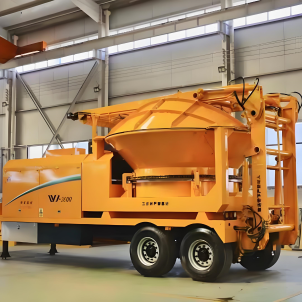
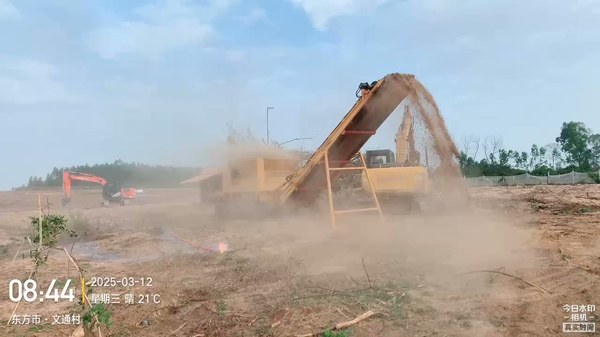
Record receiving space, inspection, preparation, loader type, travel distance, presentation point, discharge method, stockpile capacity, truck routes, service access and emergency access. Review the tub grinder range only after this workflow is drawn. A larger machine does not solve a loader gap, blocked discharge or mixed dirty and clean traffic.
Compare screens and wear systems with evidence
Ask which screen and wear arrangement is proposed for each lot and output. Record component identity, inspection method, change limit, parts quantity, labor and evidence behind any life estimate. Use the site test method to connect configuration with accepted output and gross time.
Evaluate mobility and installed scope
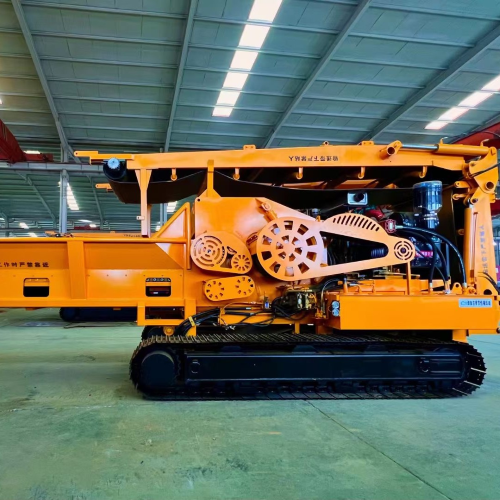
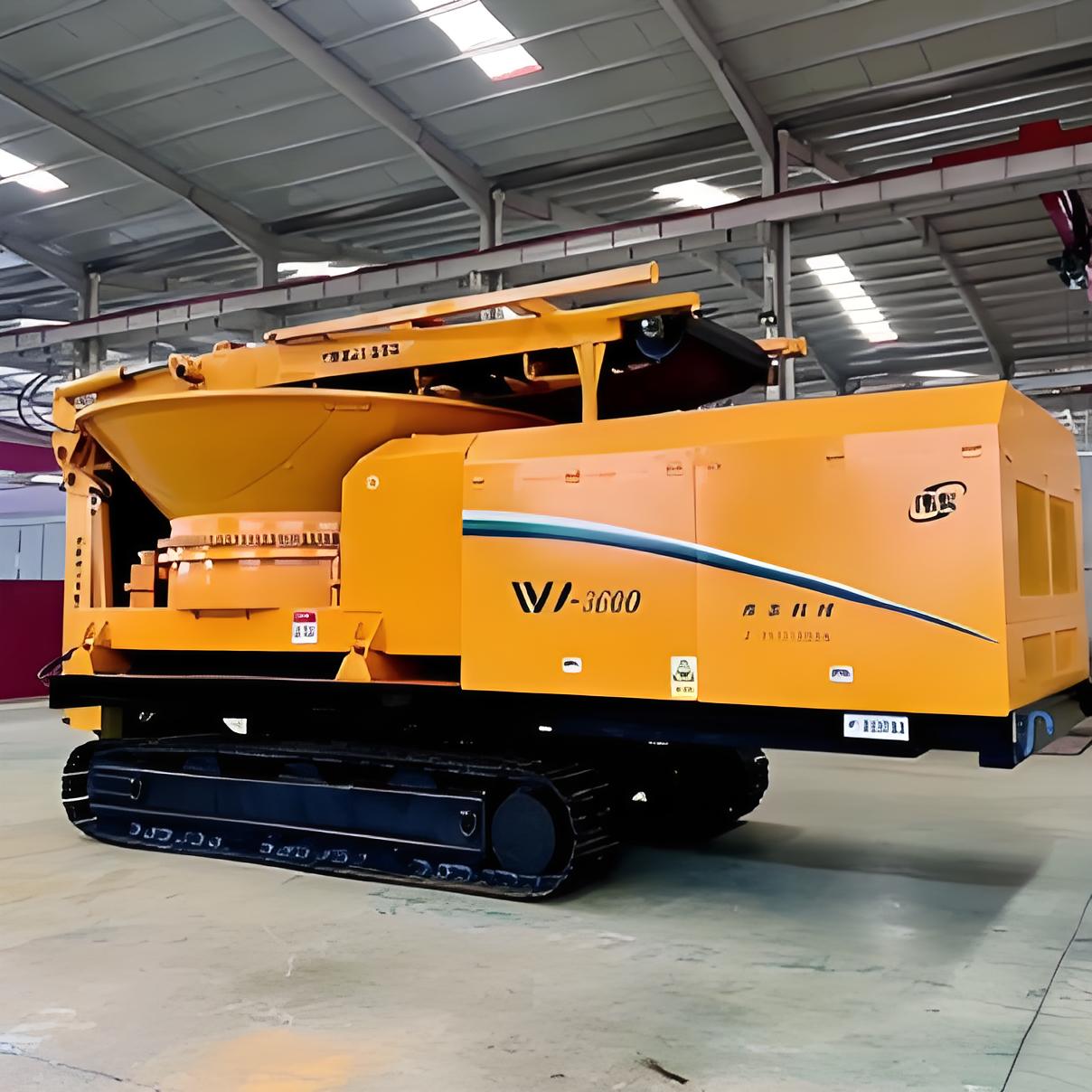
Compare fixed, trailer, crawler or other approved configurations over the actual sequence of sites. Include freight, access, setup, ground support, relocation, utilities, fire and dust controls, commissioning, training, spares and support. The investment-factor guide can frame the commercial review, but current quotations supply project costs.
Request a traceable proposal
Require inclusions, exclusions, currency, tax basis, delivery assumptions, support scope, feed assumptions and the evidence plan. Send lot photographs, dimensions, destination rule and site drawing through the WDMachines contact page. An engineering matrix on green-waste grinder selection offers a useful second view.
Run a representative material and workflow trial
Do not approve a selection from a brochure rate or one convenient pile. Build several identified lots that represent the expected mix of branches, woody stems, leafy green waste and permitted oversize. For each lot record source, collection method, season or weather, storage time and surface, branch and stem dimensions, leafy or fibrous fraction, moisture method, soil, stones, wire, plastic and other contamination, preparation, loader, machine configuration, screen identity, component condition, operator, productive minutes, total elapsed minutes, delays, rejects, recirculation, accepted output and samples. Keep photographs with scale references and lot identifiers.
Test the full work cell: receiving, inspection, preparation, approved queue, loading, grinding, discharge, stockpiling, sampling and dispatch. Calculate accepted gross rate = accepted output / total elapsed time. Accepted output means material meeting the written destination rule, not everything leaving the conveyor. Separate supplier statements, observed values, quotations and planning assumptions. A result is evidence for the tested boundary, not a universal capacity claim.
Use a controlled decision and change record
Score each candidate against feed envelope, output requirement, work-cell fit, mobility, loader and downstream compatibility, contamination controls, inspection access, support scope and commercial boundary. Give every assumption an owner, source, date, range and review trigger. Repeat the baseline after a meaningful change in material, preparation, screen, wear condition, loader, layout, operating method or outlet. Do not hide missing evidence by assigning a zero or copying data from another green-waste stream.
Stop for suspected metal or large stone, bridging, smoke, abnormal heat, unusual noise or vibration, damaged guarding, blocked discharge, lost communication or a condition outside the approved feed envelope. Clearing, internal inspection and servicing must follow the exact machine hazardous-energy procedure and applicable law. OSHA's control of hazardous energy standard gives general requirements where unexpected startup or stored energy can injure workers.
Model seasonal and source variability
Build at least low, expected and difficult cases for the expected mix of branches, woody stems, leafy green waste and permitted oversize. Change one major factor at a time where practical: source mix, woody-to-leafy ratio, moisture condition, contamination class, preparation, loader cycle, screen, discharge arrangement or output rule. Report median, range and conditions rather than turning one favourable observation into a typical value. Include wet-weather access, peak incoming inventory, reduced output demand and parts lead time in the project review. If the difficult case cannot be tested, state the assumption and the event that will trigger a new trial or a hold on production.
Prepare a like-for-like quotation table
Give each supplier the same material file, site drawing, operating window, destination rule and evidence request. Compare included configuration, freight, unloading, commissioning, training, initial screens and wear parts, approved tools, utilities, controls, documentation, warranty boundary, remote support, technician travel, parts availability, exclusions and quotation validity. Keep capital cost separate from preparation labor, loaders, fuel or electricity, output handling, planned service, wear, downtime and product rejection. Use current local quotations for commercial inputs; no published article can supply a universal project price.
Before award, assign a reviewer from operations, maintenance, safety, product quality and purchasing. Each reviewer should sign only the boundary they understand and list unresolved evidence. Record the revision used for every quotation and trial. When a supplier proposes an alternative screen, loader method, mobility option or support package, compare it as a separate scenario instead of merging assumptions. This review prevents a commercial summary from hiding a material limitation, site conflict, maintenance requirement or output condition that later controls the real project.
Buyer release checklist
Release the purchase comparison only when every candidate is scored against the same lot definitions, accepted-output rule, workflow, configuration, trial method, service scope and commercial boundary. Keep unknowns visible. The correct tub grinder is the one whose tested system fits the material and destination with manageable risks, not the one attached to the largest unsupported number.