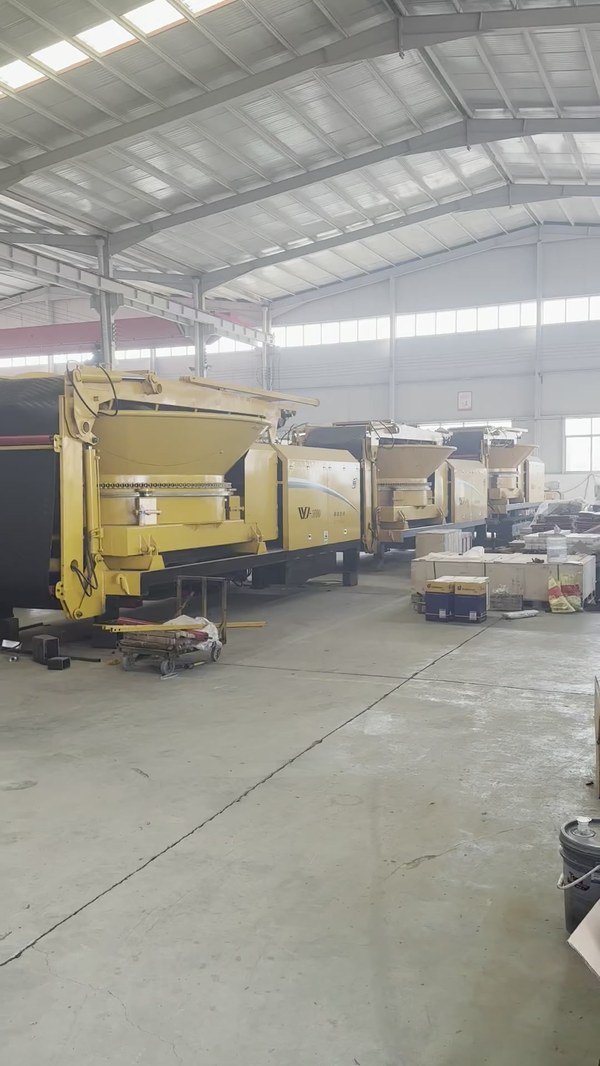
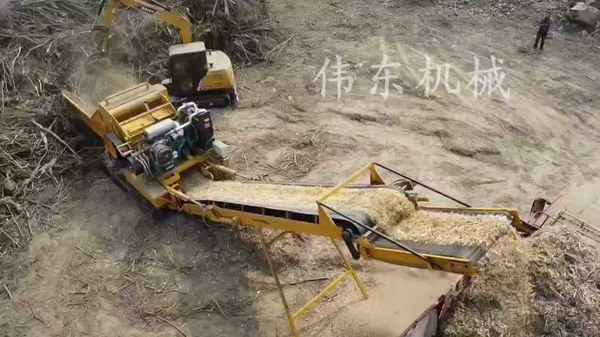
Welcome to Weidong Machines
Tub Grinder Maintenance for Land-Clearing Roots: Downtime Checklist
Tub grinder maintenance for land-clearing roots: plan inspections around the actual root lot and accepted output, not a generic calendar copied from clean wood.
Land-clearing roots can retain soil, stone and irregular projections. The commercial question is therefore not simply how often a machine is serviced, but which observations trigger action, how planned windows fit the project schedule, and how wear and delay evidence is handed back to the buyer. The checklist below is a planning framework; the exact limits and procedures come from the selected machine documentation and the responsible service team.
Define the maintenance boundary before quotation
Write the expected root classes, preparation standard, shift pattern, mobility plan, outlet rule and support responsibility into the enquiry. The root-processing buyer guide helps define the feed envelope. Ask the supplier to separate operator checks, scheduled service, wear inspections, condition-triggered work and contamination incidents; each category has a different owner and budget effect.
List included tools, lifting requirements, initial screens and wear parts, remote support, technician travel, parts availability and exclusions. Do not accept an interval without the material and operating conditions behind it. A maintenance promise based on clean green waste does not automatically apply to gritty root balls.
Create a pre-start wear baseline
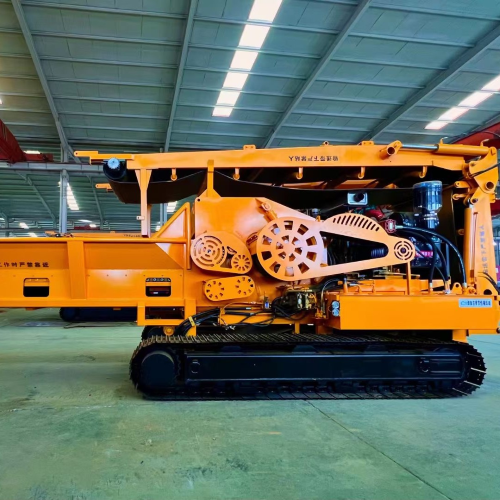
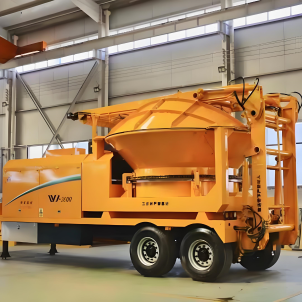
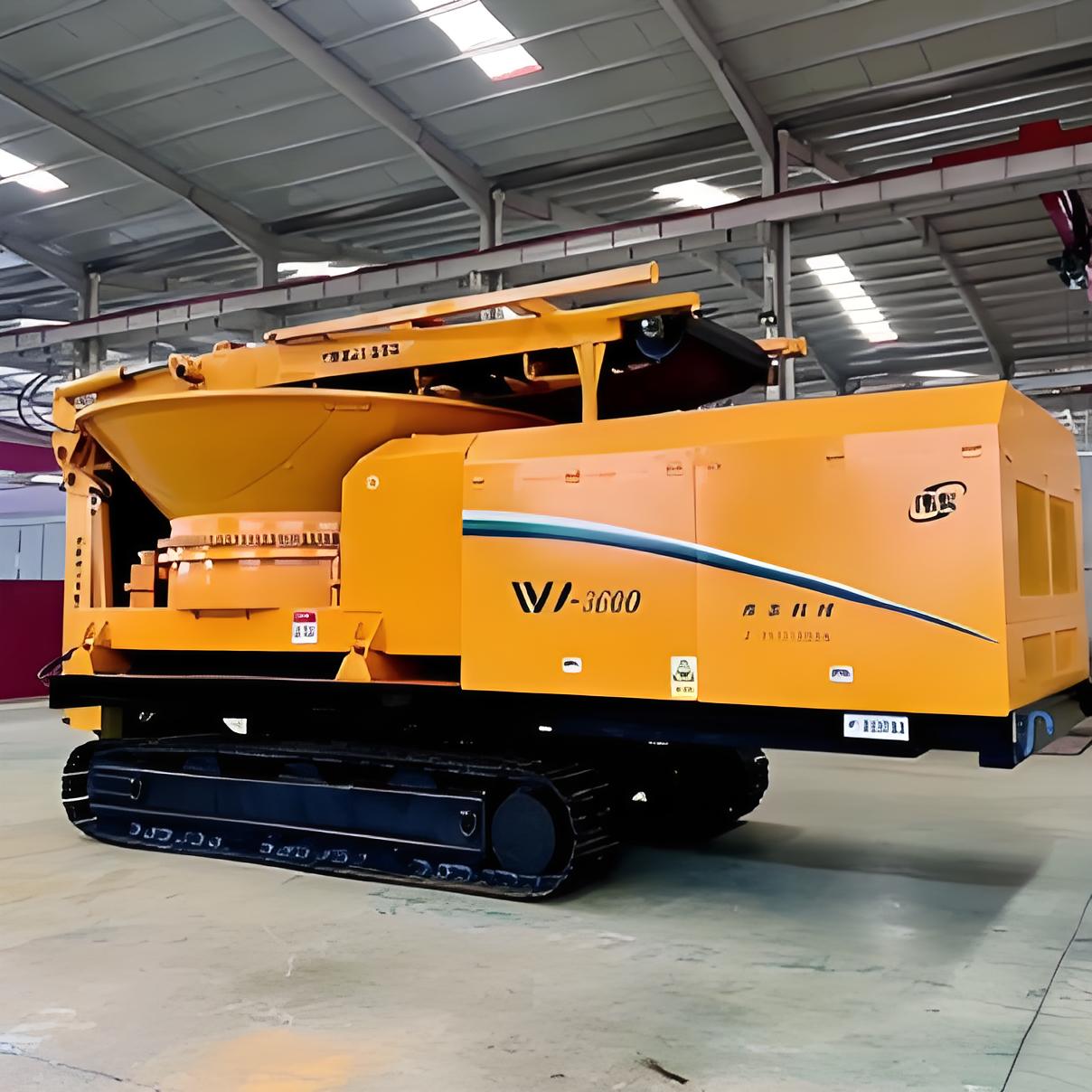
Before the representative trial, photograph hammers or tips, holders, screens, fasteners, belts, conveyors, guarding and permitted inspection points. Record component identity, position and the approved measurement method. Review the tub grinder range for configuration context, then obtain the exact model manual for limits and access rules.
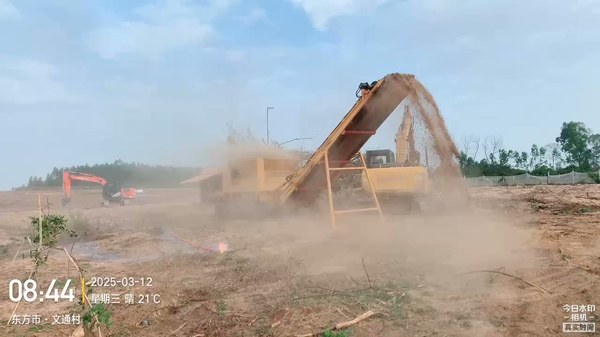
Record the loader, feed preparation, screen, discharge arrangement and root lot at the same time. Without that context, later wear images cannot explain whether a change came from abrasive soil, impact contamination, uneven loading, configuration or ordinary service consumption.
Use condition triggers during the shift
At approved external checks, look for abnormal vibration or noise, rising temperature, smoke, leakage, loose or missing hardware, belt tracking changes, discharge restriction, uneven product or a repeated need to alter feeding. Use the machine display and service guidance only as intended. Operators should not improvise internal inspection while energy is available.
Create a simple trigger sheet: observation, normal comparison, immediate response, escalation role and evidence to capture. The earlier root-processing workflow gives the lot and delay structure needed to connect an event with material rather than blame the machine without evidence.
Build planned windows into production
Reserve time for cleaning, accessible inspections, lubrication and other approved tasks at predictable handover points. Separate productive time from planned service, loader gaps, preparation, contamination holds, discharge delays and repair. The site throughput method explains why gross elapsed time is the useful project denominator.
Use the first controlled runs to revise the window, never to override a manual limit. If inspections find rapid change, improve root cleaning, change lot rules, adjust the approved configuration or increase parts readiness before extending the schedule.
Prepare spares from evidence
Create minimum and reorder levels for critical wear items, fasteners, belts, filters and other parts specified for the selected model. Tie quantities to observed consumption, project output and supplier lead time. Keep abnormal metal or stone damage separate from expected wear so the contingency is visible.
Price replacement labor, permitted lifting, stopped time, freight and technician travel separately. The root project cost worksheet shows where those values belong. Send photographs, root dimensions, contamination observations and the shift plan through the WDMachines contact page for a configuration review.
Record the evidence, not just the conclusion
Use a dated record for the buyer's wear-and-downtime file. Identify the root lot, source area, storage surface, weather, visible soil and stone class, maximum observed geometry, attached wood, preparation method, loader, machine configuration, screen identity, component condition, operator, productive minutes, total elapsed minutes, stops, rejects, accepted output and sample result. Photographs need a scale reference and a lot identifier. Keep supplier statements, manual requirements, measured observations and planning assumptions in separate fields so a later reviewer can see what was actually demonstrated.
A single favourable run is not a universal rate or service-life claim. Repeat the baseline when the clearing phase, soil, moisture, storage surface, preparation, loader, screen, wear condition, operating method, discharge arrangement or outlet specification changes. Report a range and the conditions behind it. If a value is missing, mark it unknown and assign an action; do not silently convert it to zero or copy a number from clean green waste.
At shift review, reconcile the incoming lot count or measured mass, prepared and rejected material, accepted output, productive time, delay codes, inspection findings, maintenance work and unresolved holds. Name the person responsible for each open action and the condition that prevents release. This reconciliation catches missing records, mixed lots and informal workarounds before they become the assumed normal process. Keep the previous revision so later comparisons show which feed rule, inspection method and machine configuration were active.
Use a controlled stop and restart gate
Stop feeding for suspected metal or large stone, bridging, smoke, abnormal heat, unusual noise or vibration, damaged guarding, blocked discharge, loss of communication or any condition outside the approved feed envelope. Clearing, internal inspection and servicing must follow the machine-specific hazardous-energy procedure and applicable law. OSHA's control of hazardous energy standard describes general requirements where unexpected startup or stored energy can injure workers; the exact machine manual and site procedure remain controlling.
Restart only after the cause is identified, required inspection or corrective work is complete, guarding and the work area are verified, affected personnel are clear, and the authorized person releases the machine under the site procedure. Record the event against the active lot and configuration. Repeated stops are not normal background noise: they are evidence that preparation, feed classification, loader method, maintenance planning, layout or the selected equipment boundary needs review.
Buyer acceptance checklist
Require one controlled document covering the feed envelope, preparation, approved inspection points, component limits, operator checks, planned windows, trigger-and-escalation rules, spares, support contacts, delay codes and revision history. For a deeper engineering view of inspection timing, use the matrix root inspection-interval method after it is published. A useful maintenance plan makes uncertainty and responsibility visible before roots reach the grinder.