Welcome to Weidong Machines
Tub Grinder Capacity Planning for Storm Debris: What Buyers Should Measure
Planning tub grinder capacity for storm debris starts with a defensible processing requirement and evidence that a reviewed configuration can address it. Buyers should measure eligible woody feed, available processing windows, preparation needs, and required output before comparing supplier capacity statements. A broad cleanup estimate or a short promotional demonstration does not establish the capacity available to your specific project.
Define what your purchase decision covers
Write the project boundary in the request for quotation. Identify the released woody stream, location or location sequence, intended output destination, and responsibilities for preparation and handling. Keep unknown, unrelated, and rejected materials outside the assessed feed scope. Do not describe every storm arrival as green wood or assume the grinder accepts the entire cleanup inventory.
The responsible recovery team must manage unstable trees, utilities, dangerous materials, and other hazards under approved procedures before a processing assessment is considered. This buyer worksheet does not authorize cleanup operations or assign safe clearances. Material release, site suitability, and configuration review are separate approvals that need their own evidence.
Measure eligible quantity, not just total arrivals
Give the supplier a source-linked quantity record with a stated measurement basis. Where weighing is available, retain the relevant records. Where surveyed volume is the agreed basis, show that method and its uncertainty. Do not convert loose debris to tonnes using an unexplained density, or combine mass and volume figures as though they represent the same evidence.
Separate observed available inventory from forecasts. A contractor expecting more material next week does not make that material ready for today's processing. Record fractions needing preparation and the person responsible for releasing them. If your requirement includes several materially different woody fractions, ask for their suitability and capacity evidence to be addressed separately rather than blended into one favorable average.
Distinguish required rate from demonstrated rate
Use the storm-debris receiving measurement worksheet to support your eligible-quantity record. It separates arrivals, release timing, and available inventory. That supply evidence can help define a purchase requirement, but it should not be relabeled as demonstrated grinder throughput. Retain its original units and uncertainties when sharing the request.
The project's required rate comes from eligible quantity and an explained planning window. A demonstrated rate comes from an identifiable evaluation with measured quantities and a defined time denominator. Keep the two values in different columns. A quotation that repeats your required rate is not itself evidence that the proposed configuration can deliver it.
Record permitted operating windows, setup commitments, authorized servicing, and other scheduled non-processing periods. Mark unresolved access or support availability as assumptions. Compare those planning conditions with the evaluation's actual scope. The earlier buyer capacity-measurement framework is a useful method reference, not a performance benchmark for storm-derived feed.
Ask suppliers to identify the evidence behind each statement
A useful capacity response names the configuration, feed description, preparation, quantity basis, observation duration, processing and elapsed time, interruptions, and output assessment. Ask whether the response describes a measured run, an engineering estimate, or a proposed evaluation. None should be silently substituted for another.
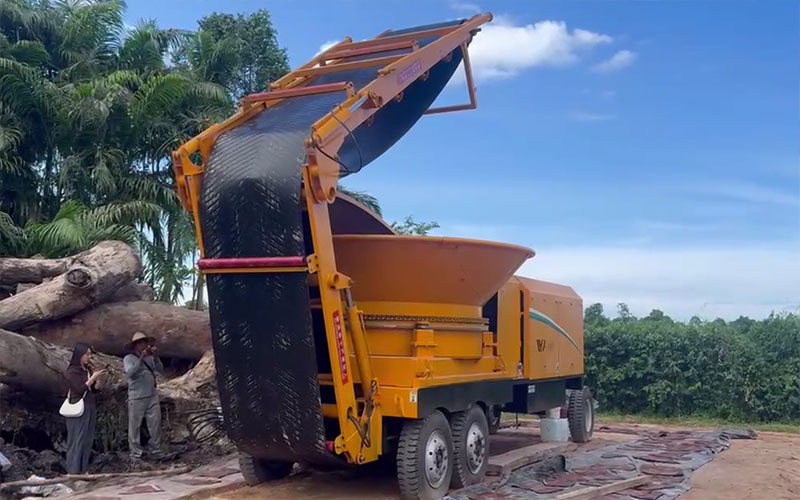
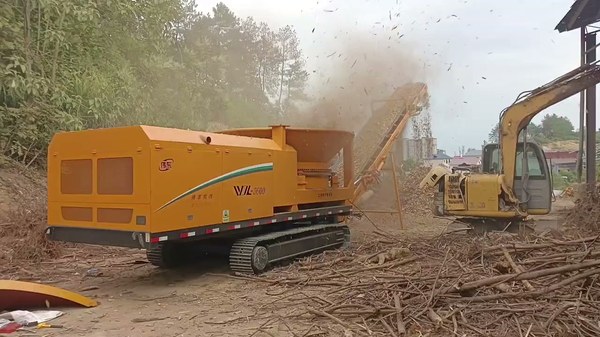
If the supplier offers an unrelated material video, use it only to understand equipment arrangement and ask what relevant evidence is still needed. A screenshot of wood leaving a conveyor does not measure tonnes per hour or prove output compliance. Retain limitations beside the statement rather than placing them in an overlooked appendix.
Use a comparable quotation evidence matrix
| Buyer requirement | Supplier evidence requested | Question if incomplete |
|---|---|---|
| Approved woody feed | Material fractions, preparation and configuration suitability review | Which fractions were not evaluated? |
| Capacity basis | Quantity method and processing/elapsed observation windows | Does the number include site waiting time? |
| Output requirement | Representative assessment against the actual receiver specification | Was output accepted or merely produced? |
| Proposed equipment | Identified model, screen and relevant configuration record | Does the quoted configuration match the evidence? |
| Support scope | Loader, preparation, dispatch and commissioning responsibilities | What must the buyer provide for the proposal to apply? |
| Remaining uncertainty | Assumptions, untested conditions and proposed next evaluation | What event would require a revised assessment? |
Compare configurations under comparable conditions
Feed geometry, moisture reporting basis, screen configuration, and component condition can affect interpretation of a demonstration. Ask why comparisons are considered sufficiently alike. Do not rank quotations solely by a rate measured on different material or under a different output requirement. Preserve the supplier's stated assumptions when arranging a follow-up material assessment.
Use the documented site-test approach to organize quantity and time evidence. Only authorized personnel should carry out the reviewed evaluation and configuration changes. A buyer's spreadsheet cannot replace the machine instructions or the site's isolation and hazard-control procedures.
Capacity is also a responsibility question
Identify who prepares feed, supplies the loader, manages eligible inventory, assesses output, and arranges dispatch. A machine quotation may exclude those resources. If the project schedule assumes them to be continuously available, label that assumption and obtain the responsible party's review. Do not mistake an output-storage restriction for proof that a larger grinder is required.
Keep commissioning evidence separate from commercial guarantees. Any contractual acceptance conditions require a specifically agreed scope; a general blog worksheet is not an acceptance contract. Record unresolved conditions and request the relevant written proposal rather than inventing a guaranteed throughput figure.
Request a material and configuration review
Review the tub grinder range after preparing the evidence matrix, not before defining the feed. For a broader equipment-route discussion, the horizontal wood grinder resource is another starting point, not a claim of equivalent acceptance or capacity.
Send WeiDong's project team the eligible-quantity record, material photographs, output specification, usable time window, support responsibilities, and the unresolved questions. Ask what representative evaluation and configuration review are needed. The strongest purchase comparison separates measured evidence from scheduling assumptions and states what remains to be confirmed.