Welcome to Weidong Machines
Tub Grinder Cost for Orchard Prunings: Budget and ROI Factors
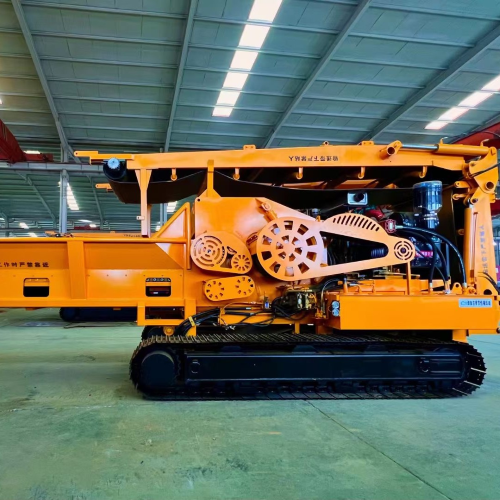
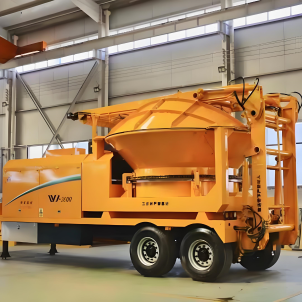
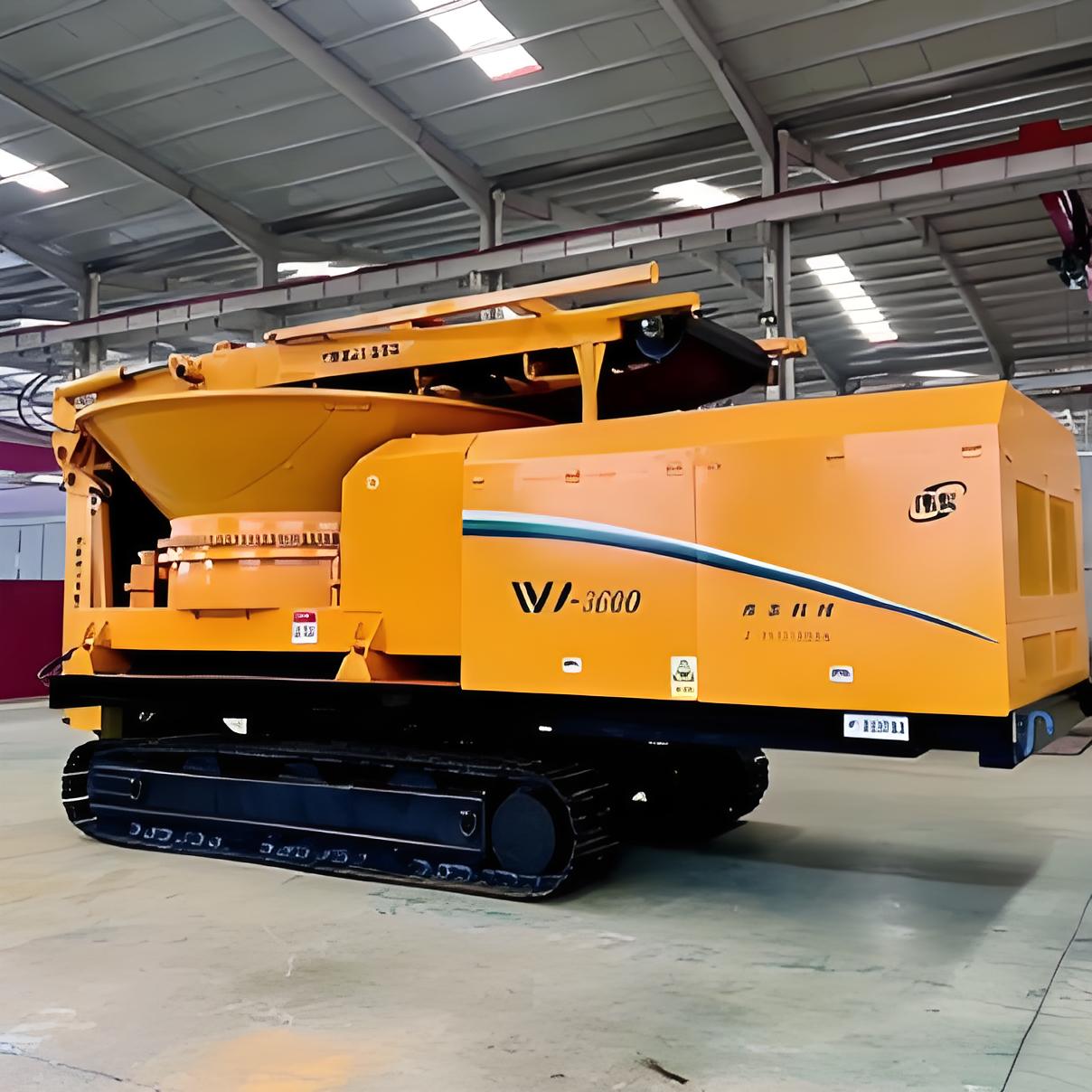
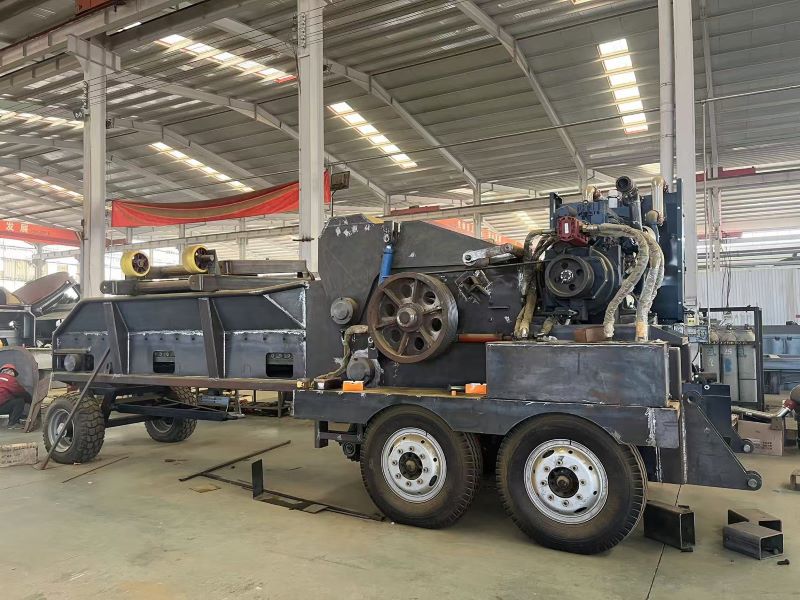
Tub grinder cost for orchard prunings should be evaluated as the cost of completing the orchard job, not just buying a machine. Seasonal availability, scattered collection points, support equipment and the destination of processed material all belong in the comparison. This field note gives buyers a budget structure and an incremental ROI test without inventing a selling price, fuel rate or payback period. Use local quotations and documented observations to populate it; unresolved inputs remain assumptions.
Define the alternative you would actually use
Begin with the current or feasible alternative: a contractor, hired processing service, transport to an approved receiving facility, or another documented arrangement. Include the work each alternative really performs. A quotation for grinding only is not comparable with a service that includes collection, loading, transport and removal. Identify omitted tasks before ranking the offers by their totals.
Keep the same period and quantity basis across alternatives. If one quotation is per vehicle and another per measured tonne, obtain the supporting quantity information rather than imposing a generic conversion. Distinguish incoming pruning material from accepted output. A smaller finished pile does not by itself establish an equivalent mass reduction or a lower disposal bill.
Separate purchase funding from annual operating cost
The purchase decision has two related views. A cash-flow schedule shows when deposits, final payment, delivery and recurring bills must be funded. An operating comparison estimates the cost attributable to the chosen period. Do not count the full purchase price and depreciation together in the same annual cost total. Similarly, define whether a financing figure represents interest, principal repayment or a combined cash payment.
Ask the accountant or financial adviser responsible for the project to confirm tax, depreciation and financing treatment. This guide supplies a decision framework, not jurisdiction-specific accounting advice. Any estimated resale value should be a separately labeled scenario with its own evidence. It is not a promised recovery of the initial purchase expenditure.
Build a quotation ledger with clear boundaries
| Budget line | Evidence needed | Common omission to check |
|---|---|---|
| Equipment and delivery | Configuration-specific quotation and delivery scope | Commissioning, unloading and required site preparation |
| Collection and loading | Labor plan and support-equipment quotation or ownership cost | Travel between orchard collection points |
| Energy and routine operation | Measured usage basis, local rates and staffing assumptions | Elapsed time that is not active grinding |
| Service and wear provision | Supplier maintenance information, parts quotations and observed duty | Service labor, freight and interrupted work |
| Output handling | Accepted destination, transport terms and storage requirement | Reprocessing or rejected material handling |
For each entry, record the source date, currency, quotation validity and inclusions. Mark a supplier estimate as an estimate, not a measured result from your orchard. A contingency provision should explain the uncertainty it covers. Avoid adding an arbitrary percentage and then treating the resulting total as an established operating cost.
Connect the budget to a seasonal work window
Map the available pruning quantities and the practical collection window. A machine ownership budget can remain substantial when processing days are fewer than expected. Conversely, additional contracted work can improve utilization only if the material, permissions, travel and customer demand are credible. Do not treat every idle day as a day that will automatically earn revenue.
The orchard pruning capacity planning guide helps define the quantities and elapsed time needed for the budget. Retain the complete job duration, including movements and support delays. Using a brief active-processing rate to price an entire season can leave the buyer with an optimistic cost per unit that the working schedule cannot support.
Calculate incremental benefit without double counting
Compare the annual cost of the documented alternative with the annual operating cost of ownership for the same completed task. Then add only additional net benefits that are evidenced and not already included in the comparison. If avoided disposal charges are included in the alternative cost, do not add those charges again as a separate saving. If product sales are assumed, subtract the additional handling, transport and selling costs.
Annual incremental net benefit = comparable alternative cost avoided − additional annual ownership operating cost + separately evidenced net benefits. A simple payback illustration divides the incremental initial cash investment by a positive annual incremental net benefit. It does not capture the timing of cash flows, financing effects or every investment risk. If the denominator is zero or negative, the formula does not yield a meaningful positive payback period.
Test the inputs that can change the decision
Create low, central and high cases for annual accepted quantity, usable working days, support delays and local cost quotations. Explain why each case is plausible. Keep changes connected: a longer collection route can alter transport time, labor demand and the processing window together. Independently selecting optimistic values for every row produces a scenario that may not represent any workable orchard operation.
List the unresolved inputs that would reverse the choice between ownership and contracting. Request a representative material assessment or a clearer quotation for those items first. The orchard tub grinder selection guide connects that request to the feed characteristics and output requirement. A budget becomes more useful when it identifies the next evidence to buy, not merely the total to approve.
Issue a comparable request to suppliers
Send the seasonal quantity range, collection arrangement, destination, budget boundaries and evidence gaps through the project contact page. Request an itemized offer against the relevant tub grinder configuration. If comparing another equipment layout, review the horizontal wood grinder overview using the same completed-job boundary. Configuration and documented operating evidence should drive the financial comparison; an unsupported headline payback claim should not.