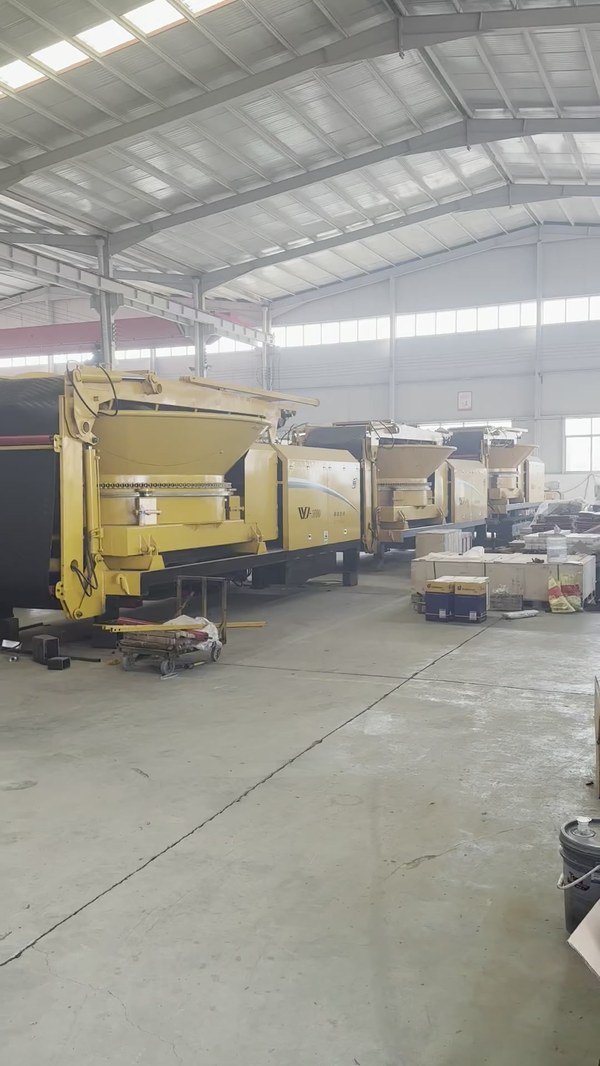
Welcome to Weidong Machines
Tub Grinder Capacity Planning for Organic Fertilizer Buyers
Tub grinder capacity planning for organic fertilizer should begin with the project's approved woody feed, not with the tonnage of all incoming organic material. A grinder may prepare clean branches or other eligible wood as a structural ingredient for a managed composting route. It does not by itself create finished fertilizer. Buyers should specify how much accepted woody ingredient the downstream team needs, when it needs it and what working conditions the selected machine will face.
A useful purchase enquiry therefore has two parts: a material and acceptance specification, and a complete operating calendar. Supplier figures can be compared only when both parts are held constant. A maximum stated rate measured on another feed does not establish the rate for a yard with irregular branches, sorting, loader gaps and receiver limits.
Start with the downstream demand
Ask the compost process owner for a documented requirement for the woody fraction. What sources are approved? What particle distribution, contamination limit, storage condition and delivery frequency will be used to accept material? Which decisions still depend on a trial? Keep the proposed ingredient requirement separate from the expected volume of manure, food residues or finished compost. The first may define the grinder duty; the latter may belong to entirely different equipment and controls.
Translate the receiver's demand into a planning period: accepted woody ingredient per day, week or campaign. Note peak and typical needs separately. If the receiving process can store only a limited volume, a high instantaneous grinder rate may have little value without another storage or transport solution. The organic fertilizer selection guide describes the initial eligibility decision; this worksheet converts that decision into a procurement target.
Define the machine-ready feed
For each woody source, record measured or estimated amount, dimensions, forks, leafy share, apparent moisture, visible contamination and required preparation. Distinguish gross delivery weight from the eligible material remaining after sorting. Use a weighbridge or repeatable container method where available, and state uncertainty where the number is a pile estimate. Do not convert volume to mass with an unexplained fixed factor across different material conditions.
Some lots may need trimming, separation or a different handling route before reaching the grinder. Include that labor and time in the project boundary. A buyer should ask the supplier to confirm allowed feed geometry and exclusions for the proposed configuration rather than assume all woody material can enter unchanged. Keep rejected and unknown material visible in the enquiry so a quotation does not quietly rely on a cleaner stream than the site actually receives.
Use accepted output in the capacity equation
Set up a worksheet with columns for eligible new feed, first-pass output, oversize, reprocessing, contamination rejects and accepted woody ingredient. Count a reprocessed load once as feed for machine utilization analysis, but never twice as new project supply. Measure active grinding time and total elapsed working time separately. The buyer's delivery requirement should use accepted ingredient over the full operating window, because the site pays for the loader, crew and delays as well as the rotor.
For example, a planning sheet may show three source lots and two approved machine configurations. It should not insert invented tonnes per hour. Instead, leave measured rates blank until a representative trial is run, and list exactly what must be observed. The site throughput test method helps structure the observation and separates a machine pass from a project output claim.
Build an honest operating calendar
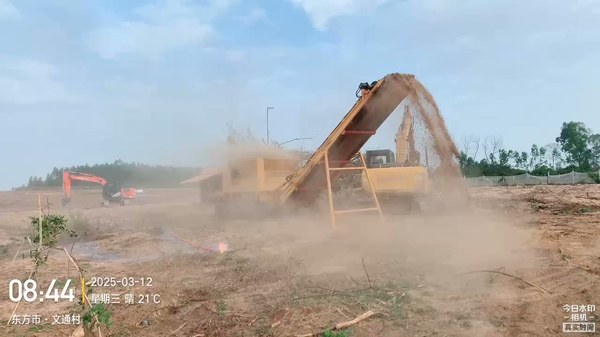
List receiving and sorting, pre-start checks, feeding, discharge handling, planned service, cleanup and move or setup time where applicable. Assign each step to the machine crew, loader, transport team or receiver. State planned hours, observed availability and seasonal restrictions. A nominal shift is not the same as uninterrupted grinding. If rain changes access or storage, model that as a project condition rather than bury it in a single lower capacity percentage.
Calculate the required accepted-output rate for the realistic window, then test whether the machine, loader, discharge route and receiver can each support it. The weakest repeating step controls the system. A larger grinder may add cost and space requirements without solving a loader or storage restriction. Conversely, a smaller unit may be unsuitable if a short seasonal campaign must clear a documented backlog before the next delivery period.
Give every supplier the same comparison pack
Provide a feed envelope, excluded materials, site drawing, incoming quantity records, receiver specification, target accepted output, working calendar and trial method. Ask suppliers to state machine configuration, screen or size-control options, loading and discharge requirements, service access, transport dimensions, power or fuel assumptions and the conditions behind any quoted rate. Record which components, training and initial spares are included.
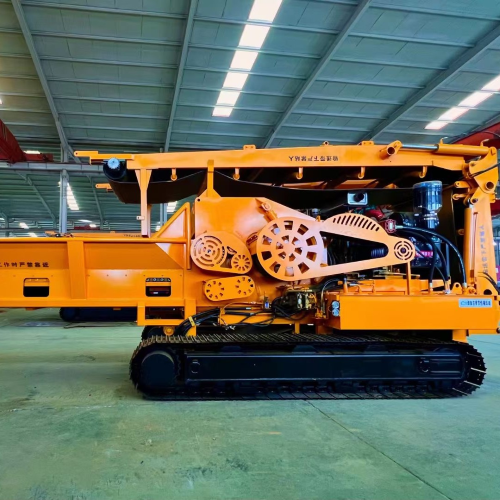
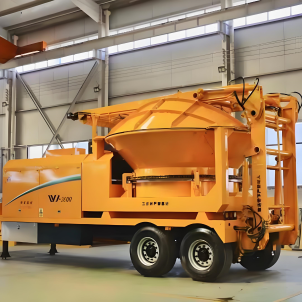
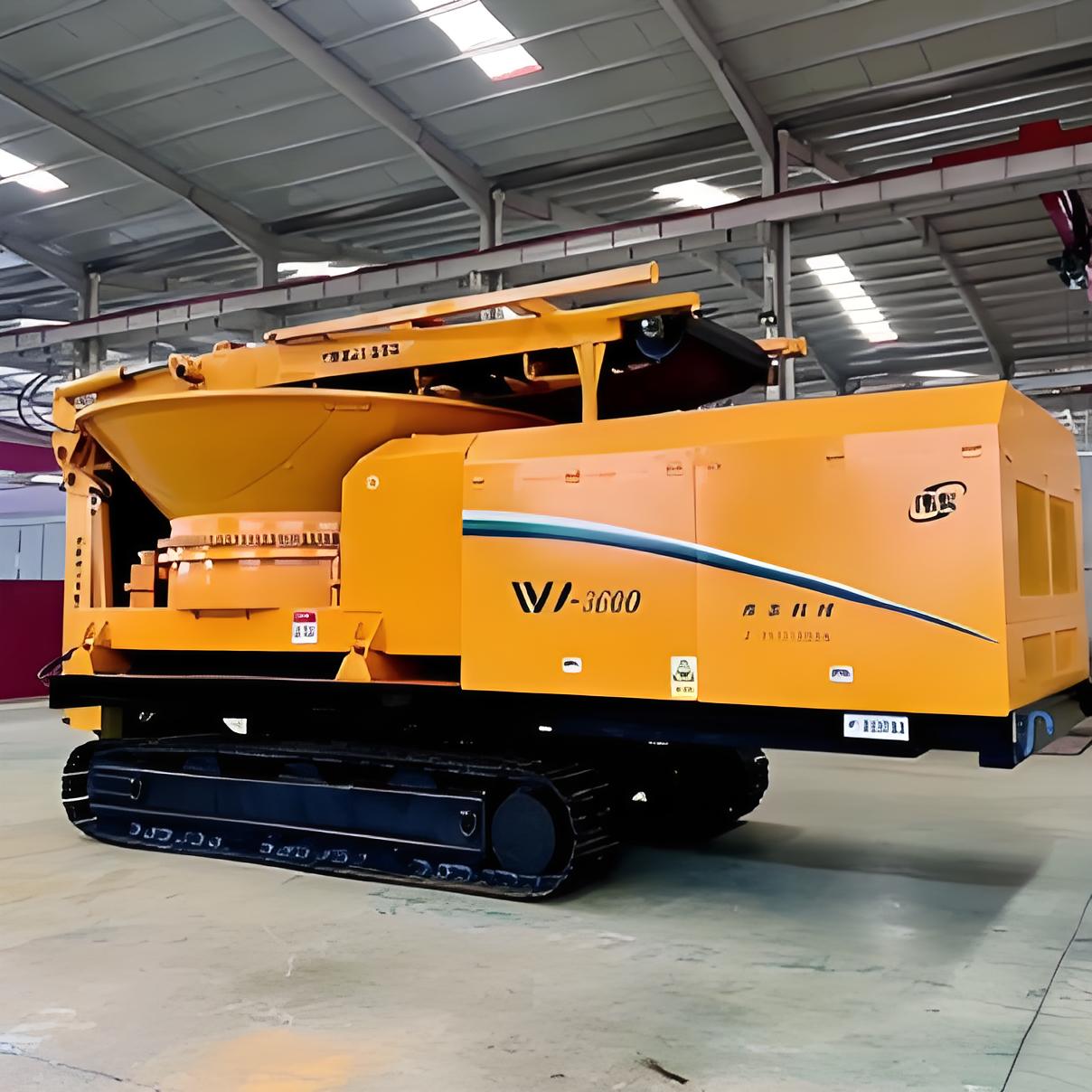
Use the tub grinder product range to identify candidates, then compare their responses against one common duty. Do not compare an active machine rate from one proposal with a full-shift accepted-output rate from another. A horizontal wood grinder can enter the shortlist when the approved wood geometry and feeding arrangement justify a different category, but it must be tested under the same acceptance and scheduling boundary.
Set a trial acceptance gate
Before placing an order, agree on representative feed lots and who may approve them. Document the machine settings, operator roles, sample points, safety controls and stop rules. The receiver should sign the ingredient acceptance method in advance. Record interruptions, output quality and accepted quantity across the complete test window. A single impressive hour on unusually clean feed is insufficient evidence for an annual procurement commitment.
Keep assumptions visible in a low, expected and high case. Revise them after a measured test, but retain the earlier version and its source. Finished fertilizer quality remains a separate release decision. Send the project pack through the WDMachines contact page for a configuration review. A sound capacity recommendation is a documented path from eligible wood to accepted ingredient, with the working calendar and unresolved risks stated plainly.