Welcome to Weidong Machines
Tub Grinder Cost for Organic Fertilizer: Budget and ROI Factors
A tub grinder cost plan for organic fertilizer should begin with the woody material the project can actually use, the accepted compost feed it must deliver, and the time available at the site. A machine quotation is only one part of the investment. This buyer worksheet organizes capital, preparation, operating expenses, rejects and return assumptions without inventing a universal price or payback period.
Define the commercial boundary
Write down who collects the woody feed, who owns the grinder, who operates it and where responsibility ends. A contractor that arrives at a prepared pile has a different cost boundary from an owner that must collect branches, sort contamination, grind, stockpile and deliver the final feed. Record the measurement unit used in the agreement: wet tonnes, dry tonnes, loose volume or receiver-accepted product. If the unit changes between stages, describe the actual conversion method. Do not compare a machine-only quotation with a fully operated service rate.
Measure eligible woody input
Separate straight branches, bulky green waste, root material and mixed cleanup loads. Identify soil, stone, metal, plastics and treated material that must be rejected or routed elsewhere. A project may own a large visible pile but have much less safe, eligible grinder feed. Use tickets or representative samples to estimate the usable quantity. Record moisture and whether the mass basis is wet or dry. The organic fertilizer capacity planning guide helps turn this inventory into a realistic work window.
Build the installed capital list
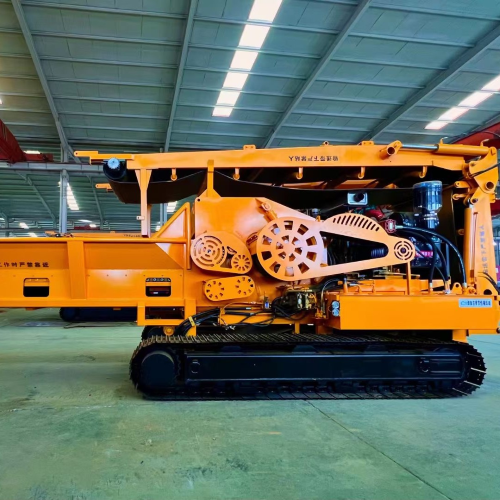
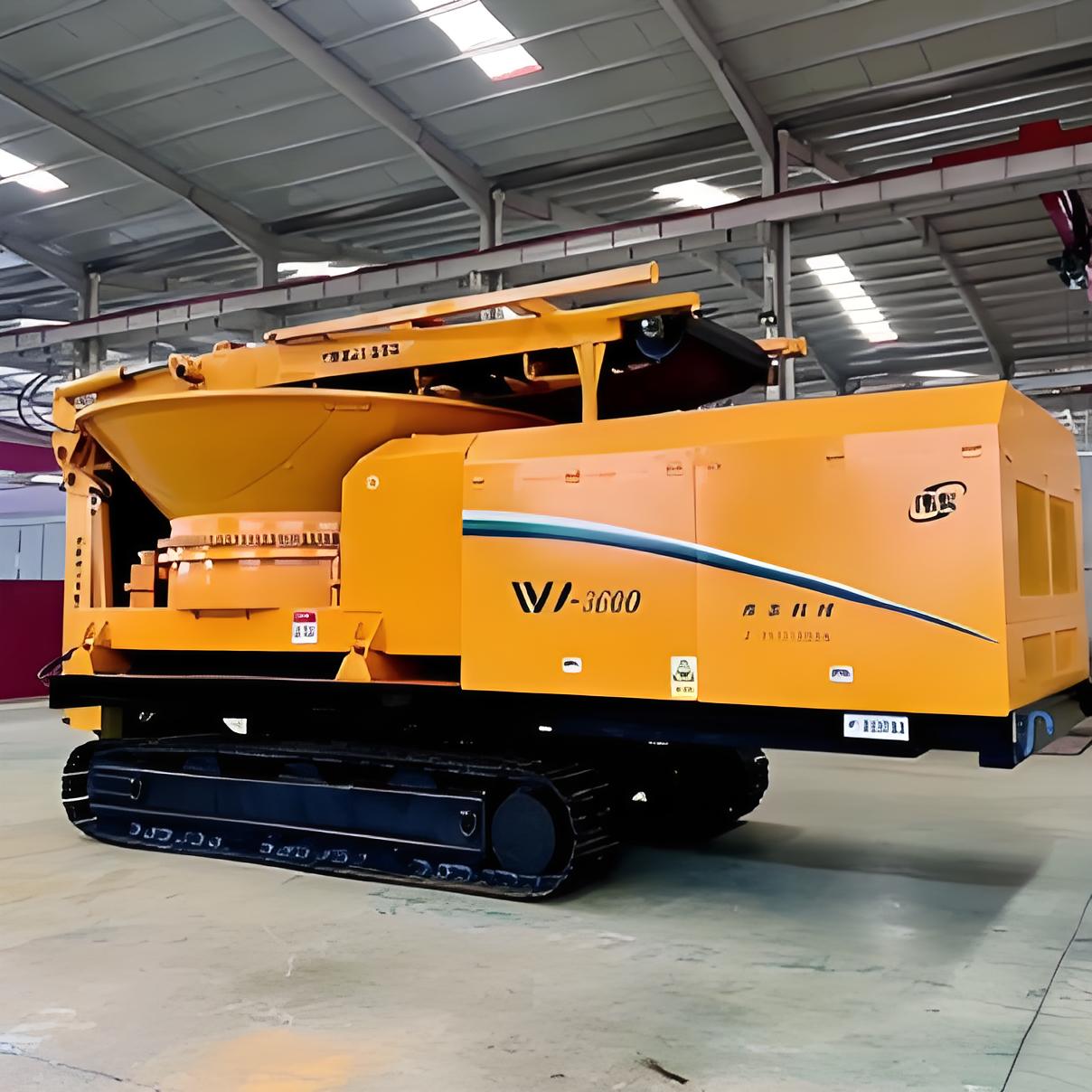
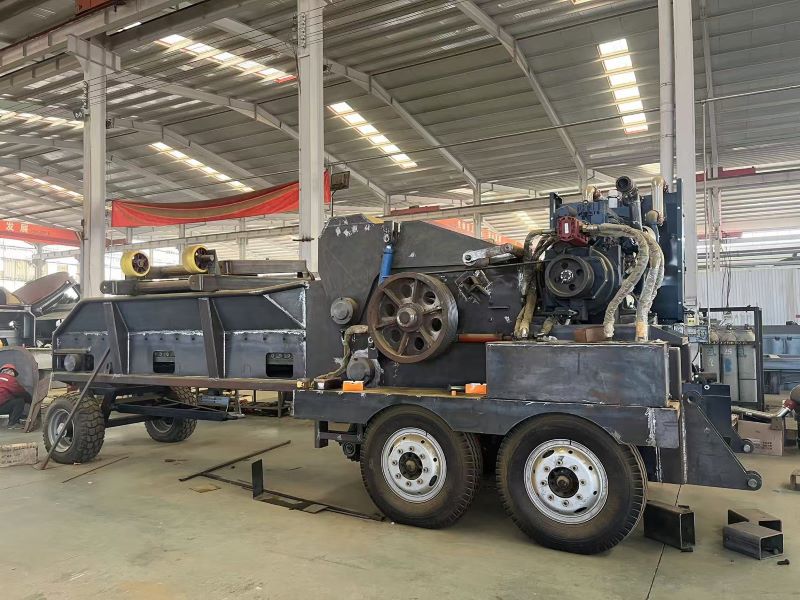
Ask for the exact grinder model and configuration, feed and discharge arrangement, screen options, safety equipment, initial wear parts, freight, commissioning and operator training. Add the loader, attachment, material staging area and output handling equipment. If a mobile unit will move between sites, list its transport and setup equipment. Separate supplier-provided items from owner-provided work on the quotation. The tub grinder product range is a starting point; the delivered configuration must be defined in the commercial offer.
Cost the site preparation
Record ground works, drainage, access roads, turning space, barriers, lighting, power or fuel service, fire provisions and sheltered storage where required. Local rules and site conditions determine what applies. A yard with adequate room for the machine may still lack safe loader paths or an outlet for the processed material. Get local quotations and mark unpriced items as provisional rather than zero. A temporary field stop may need less permanent work but more repeated mobilization. Use the same quantity and time period when comparing locations.
Count labor across the full process
List receiving and inspection, material sorting, loader operation, grinder operation, output sampling, stockpile management, maintenance and dispatch. If one worker performs several duties, allocate that worker's time once, not fully to every row. Include planned checks, cleaning and shift handover in the available hours. A high short-run grinding rate does not eliminate the people and time needed to prepare dirty material or remove output. Keep operator training and supervision visible in the budget.
Track energy, service and exceptional damage
Use actual fuel or power records for a representative run and state whether they cover active grinding or the complete shift. Include lubricants, scheduled inspections, wear parts and service labor. Maintain a separate line for unusual damage from contamination. A soil-rich root incident should not be disguised as a normal replacement interval for clean woody feed. Ask the supplier for model-specific maintenance tasks and part scope; do not copy a generic hours-to-replacement figure into a financial forecast.
Use accepted compost feed as the denominator
Agree with the fertilizer operation on size, contamination and moisture requirements. Measure first-pass product, oversize returned for another pass, rejects and the material finally accepted for composting. Regrinding the same oversize consumes time but does not create a second new tonne. Keep sampling method and moisture basis beside the result. The organic fertilizer project budget checklist describes how to carry these acceptance rules into the wider project scope.
Compare ownership and contracting fairly
For ownership, include financing or capital charge, available working days, staffing, service, storage, insurance where applicable and residual-value assumptions. For a contractor proposal, list mobilization, minimum charge, feed preparation, rejected loads, product handling and who pays for waiting time. Do not compare a daily contractor price with an annual ownership average unless both cover the same work and product quantity. Request written exclusions and a price validity date for every offer.
Test low, central and high cases
Change the assumptions that matter most: eligible feed fraction, workdays, loader cycle, accepted-product yield, transport distance and maintenance incidents. Keep quotations and measured observations separate from estimates. Show the result as cost per receiver-accepted unit and total annual cash requirement. If the low case cannot meet a compost supply contract, resolve that risk before describing a return. A single optimistic production figure is not a reliable investment case.
Discuss ROI as an evidence question
Potential value may come from avoided disposal, reduced hauling of bulky feed, lower purchased bulking material or revenue from a finished product. Each benefit needs a local contract, baseline and acceptance rule. Deduct collection, processing, delivery and working capital before estimating return. Avoid treating every processed tonne as a sale. Show the time needed to recover the investment under each case and identify which assumption has not yet been verified. A horizontal wood grinder overview can help compare equipment categories, but the commercial case remains specific to this feed and outlet.
Request a quote that can be checked
Send material photographs, size range, quantity, contamination holds, site layout, available hours and the compost-feed specification through the WDMachines project contact page. Ask for a representative test, exact machine scope, support equipment, parts and a written list of exclusions. Preserve the assumptions and revisit the budget when material sources or acceptance criteria change. A useful cost plan explains why each row exists and what evidence would change it.