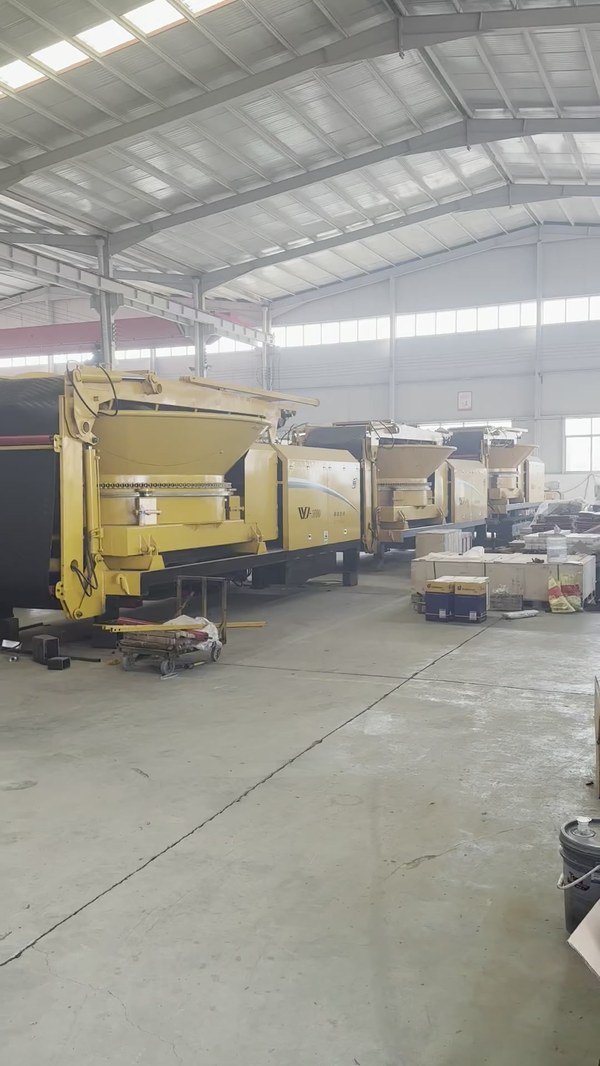
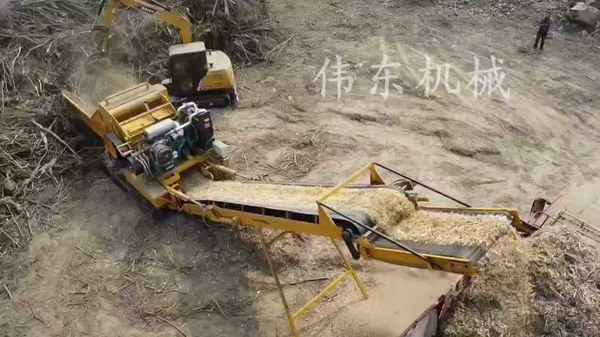
Welcome to Weidong Machines
Tub Grinder Maintenance for Green Waste: Wear and Downtime Checklist
Tub grinder maintenance for green waste should be budgeted as a controlled operating system, not treated as an undefined repair allowance after purchase. Buyers need a service boundary that connects changing feedstock, scheduled inspections, wear-part readiness, safe access, labor and stopped time. This guide is for purchasing and project teams preparing a quotation or acceptance plan; exact intervals and limits must come from the selected machine manual and responsible service team.
Define the maintenance scope in the quotation
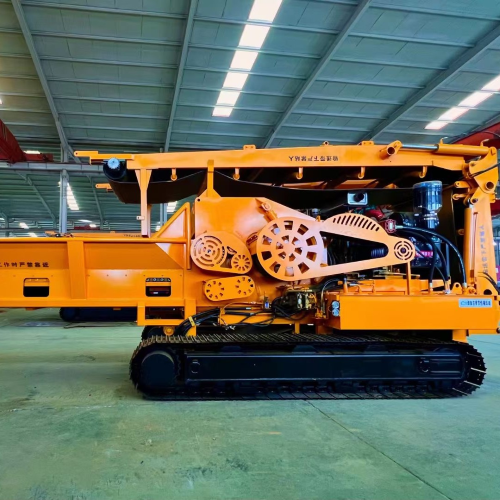
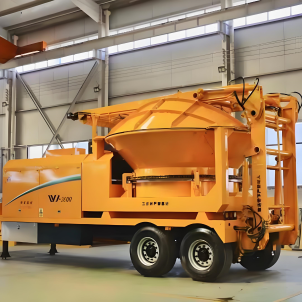
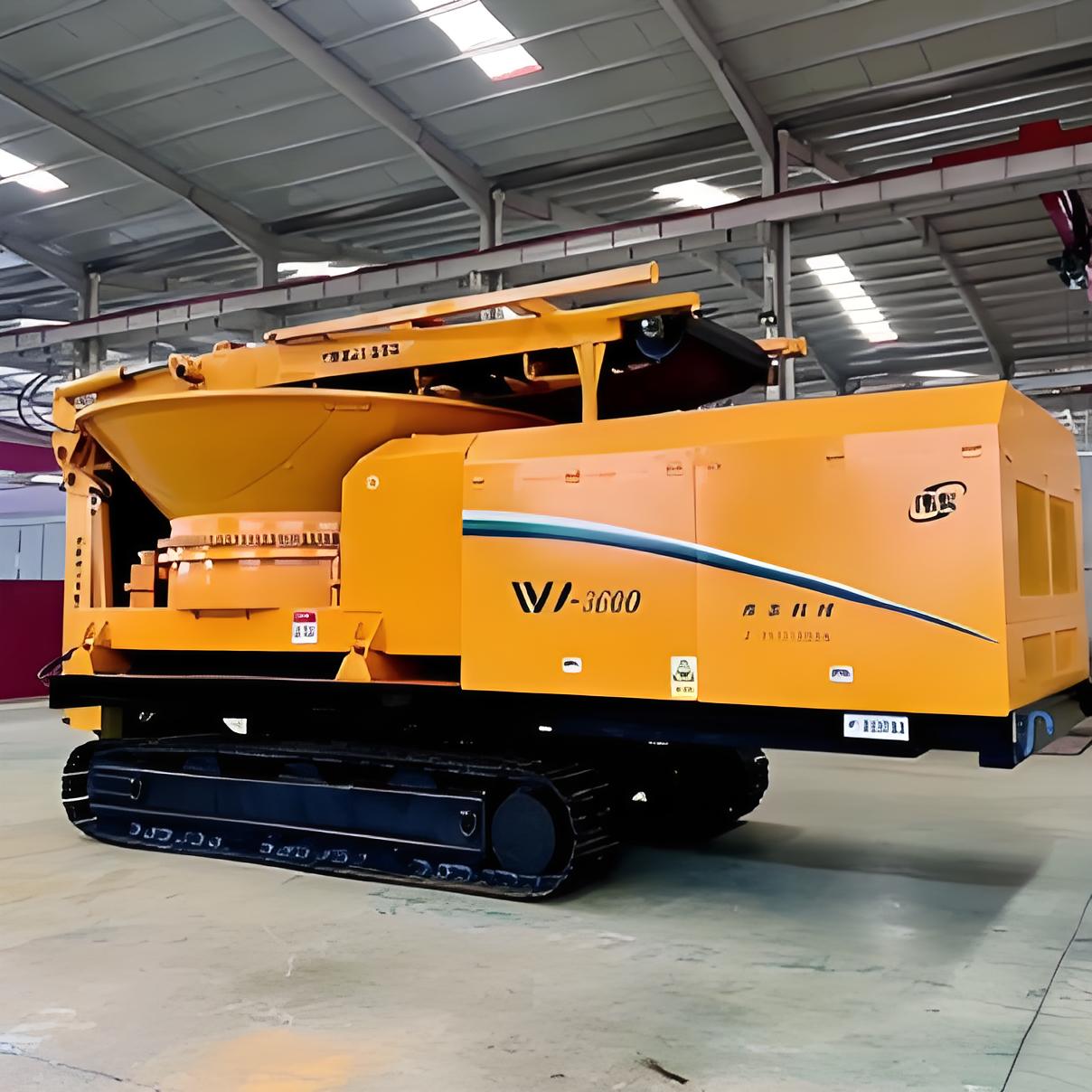
Ask every supplier to separate operator observations, scheduled service, wear inspections, condition-triggered work, contamination events and repairs. State who supplies tools, lifting equipment, filters, lubricants, screens, wear components, remote support and technician travel. Compare the available tub grinder configurations only after those boundaries are visible.
A quotation should also state the feed assumptions behind the service plan. Woody pruning, wet leafy loads, fibrous vines, storm debris and public drop-off material do not create the same cleaning, feeding or wear conditions. Unknown material should remain an open risk rather than being silently priced as clean wood.
Build downtime from activities, not one percentage
Create separate rows for pre-start checks, cleaning, lubrication, approved inspections, screen or wear-part work, planned service, troubleshooting and unplanned repair. For each row record the expected trigger, responsible role, safe access state, required parts and whether the activity stops the whole work cell. The recent green-waste capacity worksheet helps keep productive time separate from gross elapsed time.
Do not invent a universal availability value. Use a low, expected and difficult scenario based on the project schedule and documented service requirements. Show downtime hours explicitly, then update the model after representative material trials. This prevents a favorable short run from becoming the assumed annual maintenance budget.
Request a starting wear-and-condition record
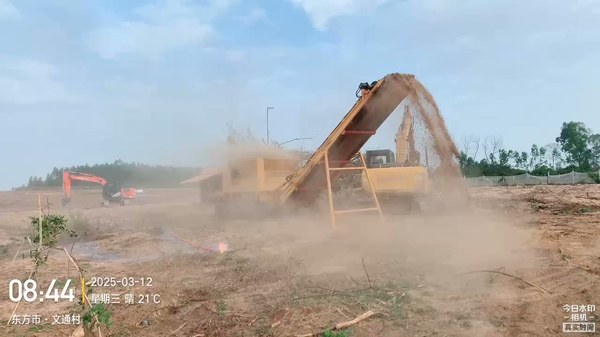
At commissioning, identify wear components, screens, fasteners, belts, conveyors, guarding and approved observation points. Record component identity, position, condition, measurement method and photographs. A field-side companion on mobile tub grinder maintenance checks shows how those observations can be tied to relocation and setup events. The record is a baseline, not permission to open guards or enter hazardous areas while energy is available.
Link every later observation to the active material lot, screen, loader, operating method and accepted output. Soil, stone, wire and other contamination should have their own event codes. Without that context, a buyer cannot distinguish ordinary consumption from abnormal impact damage or determine which upstream control needs improvement.
Plan spares around consequences and lead time
Classify parts as routine consumables, condition-monitored items and critical items whose absence stops accepted production. Record supplier lead time, on-site minimum, reorder point, storage condition, replacement labor and approved lifting needs. Use current quotations rather than copying historical prices into a new project.
Review the green-waste cost framework to place parts, labor and downtime in separate cells. A cheap component can carry a large project consequence when delivery takes longer than the site can tolerate; a higher-value assembly may not belong on site if it is monitored and quickly supported.
Write acceptance evidence before the trial
Define incoming lot identity, preparation, contamination class, screen, loader, productive minutes, total elapsed minutes, maintenance events, rejects and accepted output. Require the supplier and buyer to agree which observations release the next lot and which place the process on hold. The selection guide for wood and green waste provides the broader system boundary.
Report results as ranges with conditions. A maintenance observation from dry woody pruning should not automatically be applied to wet leafy waste. Repeat the baseline when the source mix, weather, preparation, screen, wear condition, loader, layout or destination specification changes materially.
Use a buyer release checklist
- Feed classes, prohibited material and preparation responsibility are written.
- Operator checks and authorized maintenance tasks are separated.
- Safe access and hazardous-energy procedures are identified for the exact machine.
- Initial parts, tools, training, remote support and technician travel are priced.
- Downtime scenarios show hours, triggers and assumptions.
- Commissioning records preserve condition, configuration and material context.
- Open evidence has an owner and review date.
For servicing where unexpected startup or stored energy could injure workers, the U.S. Occupational Safety and Health Administration describes general hazardous-energy control requirements in 29 CFR 1910.147. The applicable local law and the exact machine procedure remain controlling.
Turn maintenance evidence into a purchasing decision
Compare suppliers on documented scope, access, training, parts support, evidence quality and response responsibility—not only machine price. Send representative green-waste photographs, lot descriptions, site schedule and outlet requirements through the WDMachines contact page for a configuration review. The outcome should be a maintainable processing system with visible assumptions, not a promise that every material will behave the same way.
Use a maintenance-cost worksheet with traceable inputs
Create one row for every planned or condition-triggered task. Useful columns are task, trigger, frequency basis, people, stopped hours, consumables, parts, lifting or tooling, travel, evidence source and uncertainty. Keep the currency, tax basis and quotation date with every commercial input. When a value is unknown, assign an owner and review date instead of entering zero.
Calculate scenario cost only after the hours and quantities are visible. Keep routine service, expected wear, contamination contingency and major repair as separate groups. This structure lets a buyer compare support packages without pretending that a single cost-per-ton figure applies to every green-waste mix.
Review the support response before purchase
Test how the support process works: who receives a fault record, what photographs or machine information are required, which time zone applies, when remote diagnosis becomes a technician visit and how parts are dispatched. Record escalation contacts and the boundary between warranty, consumable wear, misuse and site responsibility.
A useful proposal describes the evidence required for a decision and the service that follows. It should not promise that every question will be solved instantly. Release the purchase only when operations, maintenance, safety, product quality and purchasing have reviewed their own boundaries and open items are controlled.