Welcome to Weidong Machines
Tub Grinder Maintenance for Sawmill Waste: Wear and Downtime Checklist
Tub grinder maintenance for sawmill waste is easier to plan when every interruption has a cause code and a batch reference. Bark carrying grit, awkward slabs and changing output requirements can create different symptoms. Recording them all as maintenance makes a repair problem indistinguishable from poor feed preparation or a blocked downstream workflow.
This checklist helps a maintenance planner prepare people, parts and evidence. It is not a service manual and supplies no universal inspection hours or tightening values. Apply the selected machine's instructions and authorized site procedures. The sawmill project workflow defines the operating handovers to which the maintenance record should connect.
Establish the machine and feed baseline
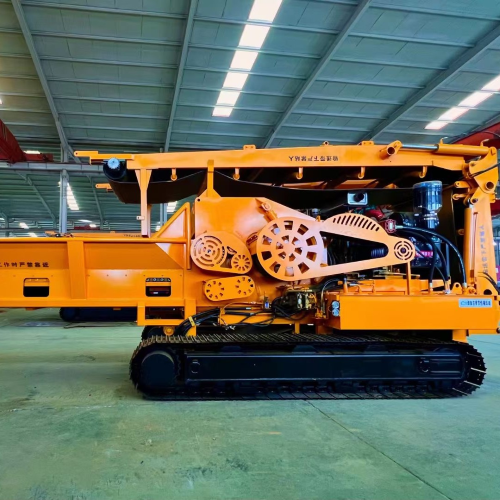
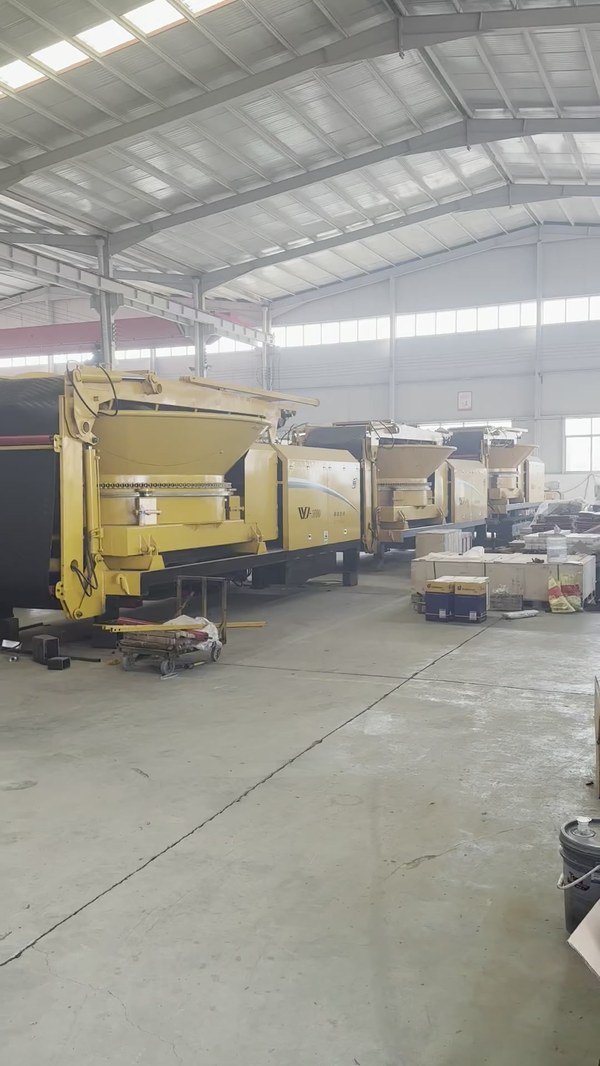
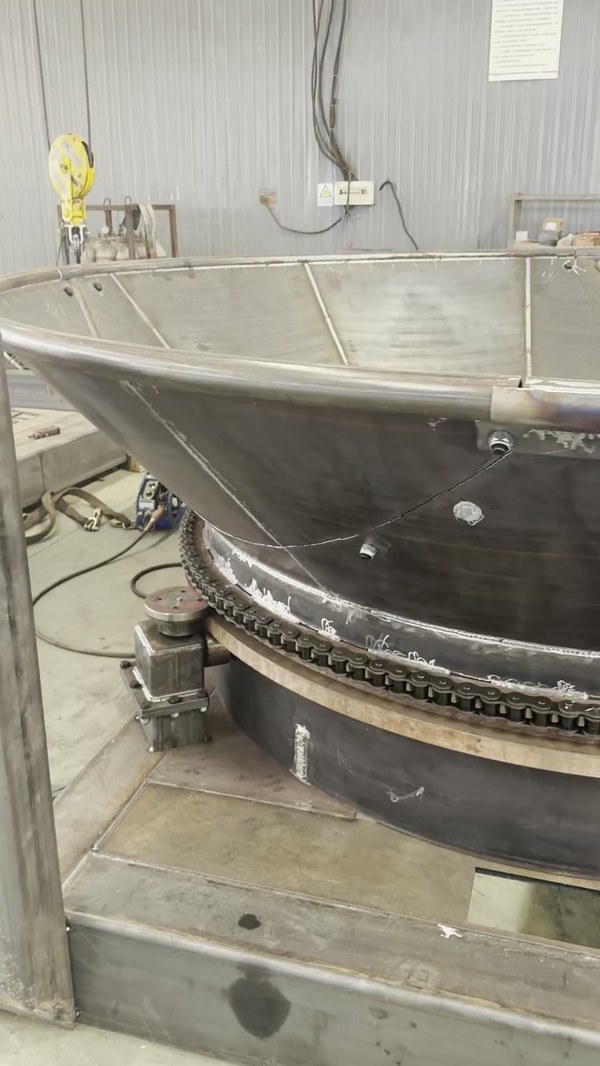
Record the actual equipment configuration, compatible wear components, screen arrangement, power source and manuals in force. Keep commissioning observations and approved baseline photographs. Changes in output requirement or component configuration should be dated so that a later comparison does not mistake a deliberate change for deterioration.
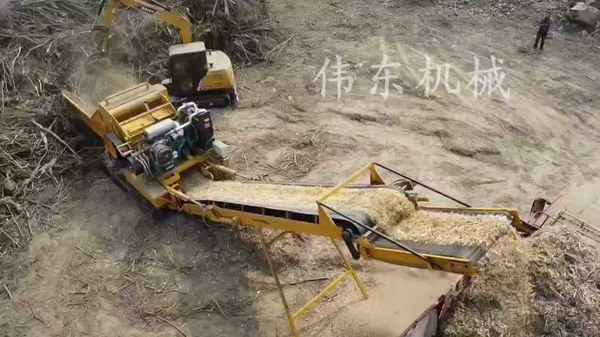
Identify which residue streams tend to carry soil or grit and how they are collected. Clean offcuts and bark swept from an exposed ground surface are not equivalent maintenance conditions. Keep treated wood, metal and unknown workshop waste outside the approved feed stream. An apparently accelerated wear trend may begin at the collection point rather than inside the grinder.
Classify a stop before assigning a repair
| Stop category | Record immediately | Next review |
|---|---|---|
| Feed interruption | Batch source and loader availability | Collection and preparation workflow |
| Output obstruction | Discharge conditions and storage state | Receiver collection and conveyor arrangement |
| Suspected wear | Observed output change and prior baseline | Isolated component inspection |
| Unexpected noise or vibration | Operating condition and stop time | Authorized fault investigation |
| Scheduled service | Task, personnel and completed checks | Return-to-service authorization |
Record observations without declaring a diagnosis that has not been verified. Unexpected vibration is not proof of a particular bearing fault, and a change in output is not proof that every cutting component needs replacement. A useful log distinguishes what the operator saw from what the technician later confirmed.
Inspect only under the approved isolation procedure
Stop and secure the equipment before entering a hazardous area or clearing material. Follow the authorized energy-isolation process, including applicable stored energy and verification requirements. A stopped engine, a screen that looks stationary or an emergency-stop button alone does not establish that the machine is safe to access.
Under safe conditions, qualified personnel can compare component condition with the manufacturer's criteria and the baseline record. Check the appropriate cutting or grinding components, screens, fasteners, tub drive and discharge system without introducing generic torque or rejection limits. If the approved criteria are unavailable, obtain them rather than substituting an internet maintenance table.
Connect abrasive feed with wear evidence
Link each wear observation to processed material and operating history. Note whether grit or stones were found at receiving, whether bark was collected from a clean surface and whether a rejected batch was accidentally blended back into released feed. Use photographs with component location and date; an unlabelled close-up cannot reliably demonstrate progression.
For a suspected contamination issue, review the sawmill contamination checklist alongside the physical inspection. The aim is to prevent the next damaging batch, not simply to replace a part and resume the same collection practice. Keep removed contaminants documented without implying that an inspection method guarantees perfectly clean material.
Prepare spares according to consequences
Confirm part identity and compatibility before stocking it. Record supplier lead time, delivery uncertainty, replacement procedure and the trained people needed for the task. A shelf full of similar-looking parts does not reduce downtime if the correct component or required instruction is missing. Preserve the distinction between consumables, repair parts and specialist service items.
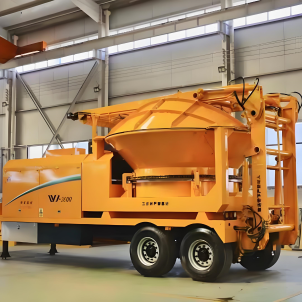
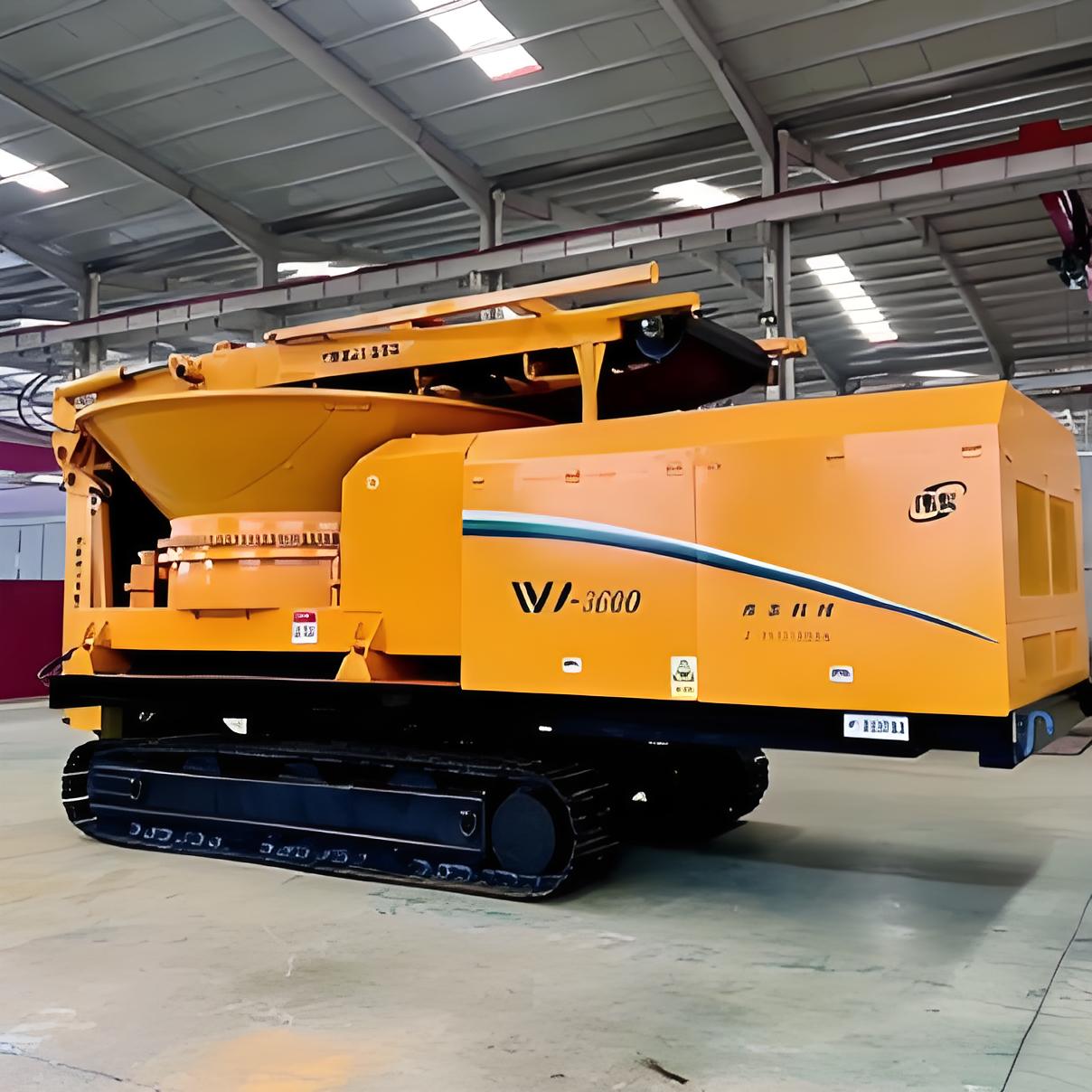
Prioritize according to the effect of unavailability and the observed failure history. Do not assign an unsupported lifetime to a component to make the stock calculation convenient. The tub grinder equipment information is a starting point for identifying the machine; the serial-specific parts and service information must come from the appropriate supplier documentation.
Make downtime measurable without double counting
Log the beginning of interruption, the beginning of diagnosis, the repair period, any wait for parts and the authorized return to operation. If a loader was unavailable during the repair, record the overlap rather than counting the same lost hour twice. Measure total interruption separately from hands-on maintenance labor.
Use accepted production over a clearly defined period when comparing maintenance cost per tonne. A slow week with low available feed can inflate that ratio without any increase in repair expenditure. Consult the sawmill cost worksheet for consistent economic boundaries and the capacity measurement guide for operating-time definitions.
Review recurrent stops and authorize the restart
At the shift handover, list unresolved faults, quarantined material, incomplete service tasks and configuration changes. Name the person responsible for the next action. Before restart, confirm that the approved task is complete, guards and protective systems are restored, personnel are clear and the return-to-service checks have been performed.
A repeated stop requires a reviewed corrective action, not just another restart. Where the feed geometry creates recurrent handling problems, reconsider preprocessing or the equipment configuration. A comparison with a horizontal wood grinder may be appropriate for a different feed path, but it does not replace maintenance on the existing machine or prove that a machinery fault is actually a selection problem.
Maintenance planning questions
Should every mill use the same service interval?
No. Use the manufacturer requirements, duty, operating conditions and qualified inspection findings. This checklist intentionally avoids assigning a generic interval to different configurations.
What information helps resolve a recurring fault?
Provide machine identification, dated symptoms, batch source, configuration, safe inspection findings and the downtime timeline through WeiDong's support contact page. Do not send only a request for more capacity when the evidence points to contamination, delayed output collection or an unresolved mechanical condition.