Welcome to Weidong Machines
Tub Grinder Cost for C&D Wood: Budget and ROI Factors
Tub grinder cost for C&D wood should be evaluated as a cost per accepted ton over a defined shift, not as purchase price divided by a headline capacity. The buying model must include feed control, preparation, support equipment, wear, energy, labor, downtime and output acceptance.
Set the commercial boundary first
Write the project period, required accepted daily mass, operating days, labor coverage, loader arrangement, output destination and ownership assumptions. Separate capital purchase, financing, site work and startup from recurring operating cost. Then state which residual value, taxes or local charges are outside the comparison.
Use the operating-cost framework to keep cost categories consistent, and the site-test method to define accepted output.
Separate fixed, variable and event-driven cost
Fixed cost covers ownership and scheduled readiness. Variable cost follows productive hours or accepted tons: fuel or electricity, routine wear, lubrication and ordinary labor. Event-driven cost comes from contamination, unplanned transport, damaged wear parts, emergency service, rejected output or a blocked work cell. Keeping these groups separate makes the model easier to update.
Period contribution = avoided disposal or output value - operating cost - event allowance
Use documented local values rather than generic market prices. Run the equation without credit for output value as a downside case, then add only verified outlets and terms.
Build the cost record from traceable operating evidence
For a buyer, the decision is whether the complete work cell can meet required accepted output with a defensible cost range. The record should identify the incoming lot, accepted and prohibited fractions, preparation work, machine configuration, loader, screen, operating window and destination. Keep gross input, first-pass accepted output, oversize, rejects and unprocessed remainder separate. This prevents a high conveyor total from hiding poor recovery or repeated handling.
Compare invoices, meter readings, scale records and shift logs over the same period. Record productive minutes and total elapsed minutes separately. Loader gaps, sorting, relocation, cleaning, inspection, discharge delays and planned service belong in the shift record even when the grinder itself is available.
Use three scenarios instead of one promised number
Create low, expected and difficult cases from representative material. Change feed geometry, contamination exposure, moisture condition, screen choice, wear state and support time only when the reason is documented. A quotation should state which case it assumes and which open questions require a site trial.
Accepted-output cost per ton = total attributable period cost / first-pass accepted output
Run the equation with the same boundaries for every alternative. If a cost item cannot yet be measured, label it as an assumption with an owner and review date. Do not replace missing evidence with a precise-looking estimate.
Control C&D wood before it reaches the grinder
Release only the documented recoverable wood fraction. Unknown treated or painted wood, loose metal, concrete, masonry, wire, cable, soil-rich sweepings and other prohibited material require quarantine and an approved disposition. A grinder does not make an uncontrolled mixture compliant for a destination.
Receiving personnel should record source, visible contamination, typical and upper-bound geometry, moisture condition and preparation. Stop for suspected hard contamination, smoke, unusual heat, abnormal sound or vibration, damaged guarding, blocked discharge or lost communication. Inspection and restart must follow the selected machine's manual and site isolation procedure.
Test the whole work cell
A controlled trial should produce an accepted-output rate, fuel or energy per accepted ton, ordinary wear observations and a delay distribution. Fix the loader, material boundary, sampling rule and timing definitions during each comparison. Change one major variable at a time, record the reason, and keep the resulting output pile traceable to the run.
Useful evidence includes scale tickets, loader cycle observations, stop codes, inspection notes, screen and wear records, output samples, photographs with scale references and the final disposition of oversize and rejects. These items allow operations, maintenance, procurement and the destination owner to review the same facts.
Procurement and operations checklist
Define accepted feed and prohibited material in writing.
Measure representative lots rather than a demonstration pile.
Use first-pass accepted output as the denominator.
Separate productive time from total elapsed time.
Record preparation, loader, discharge and inspection labor.
Identify wear state, screen, fuel or energy measurement method.
Price routine service, critical spares and abnormal-event exposure.
Assign owners and review dates to every open assumption.
Review the model after the first operating cycle
Freeze the forecast before startup, then reconcile it with the first complete operating cycle. Compare planned and actual released feed, productive hours, accepted output, routine service, wear usage, energy, labor and delays. Explain the largest differences by evidence category rather than changing the original assumptions after seeing the result.
Keep the first cycle as a baseline, not a permanent standard. Update the planning range only after repeated representative cycles show that the change is stable. A wet seasonal stream, a new demolition source, different loader, changed screen or altered destination specification should open a new comparison period. This version control makes future quotations and operating decisions auditable.
At the closeout meeting, operations confirms the shift log, maintenance confirms component and inspection records, the destination owner confirms acceptance, and procurement confirms commercial inputs. Unresolved items stay open with owners and dates. This prevents a favorable cost result from being accepted when its output or material boundary has changed.
Connect the cost model to equipment selection
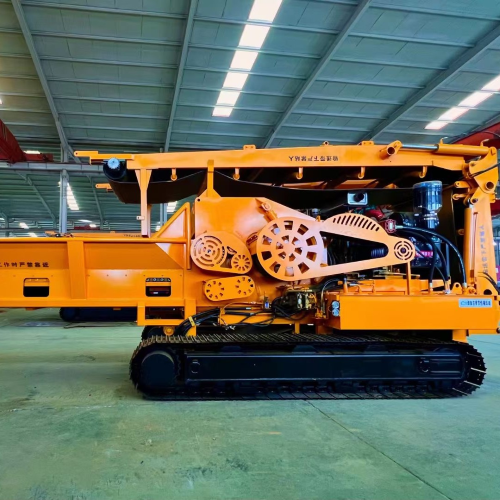
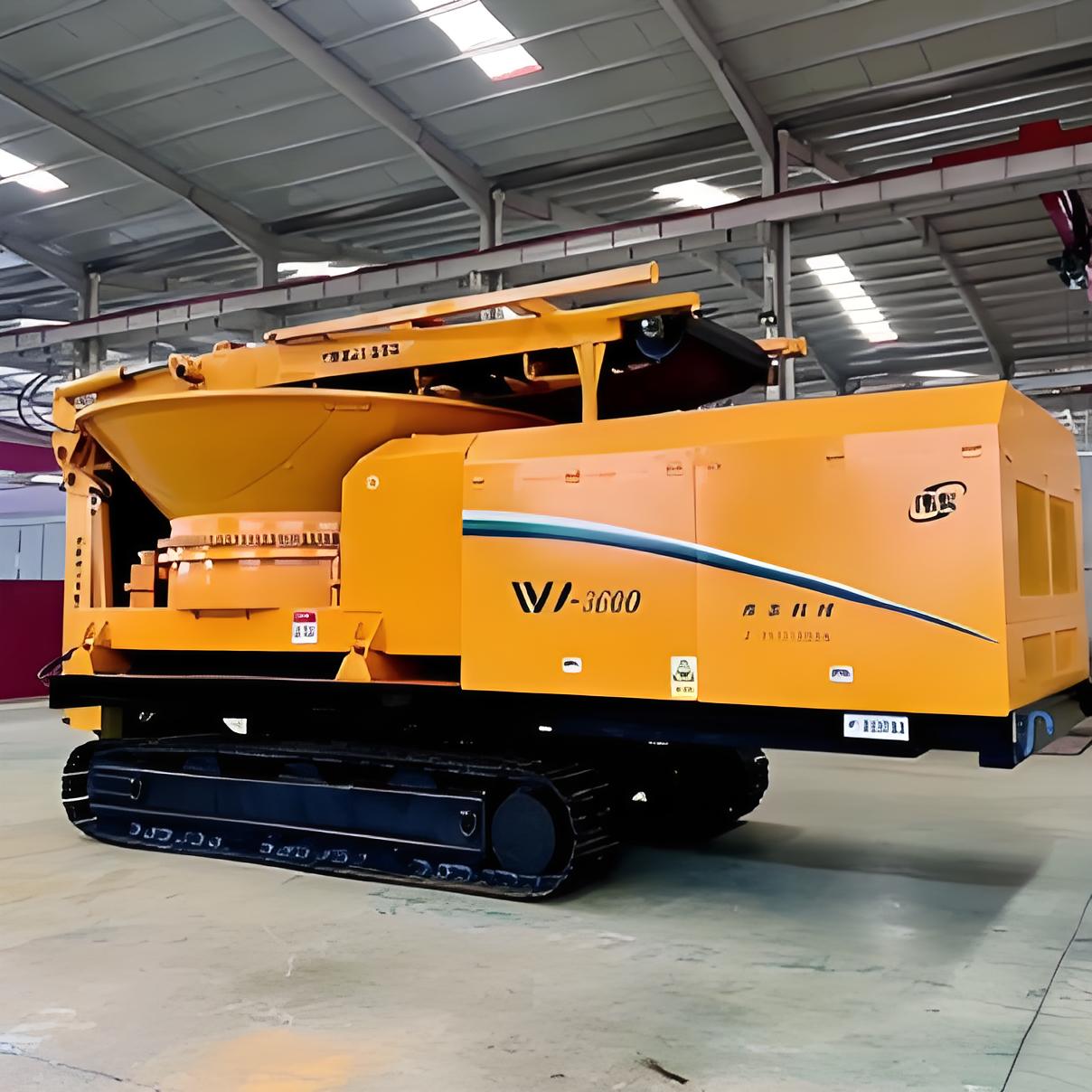
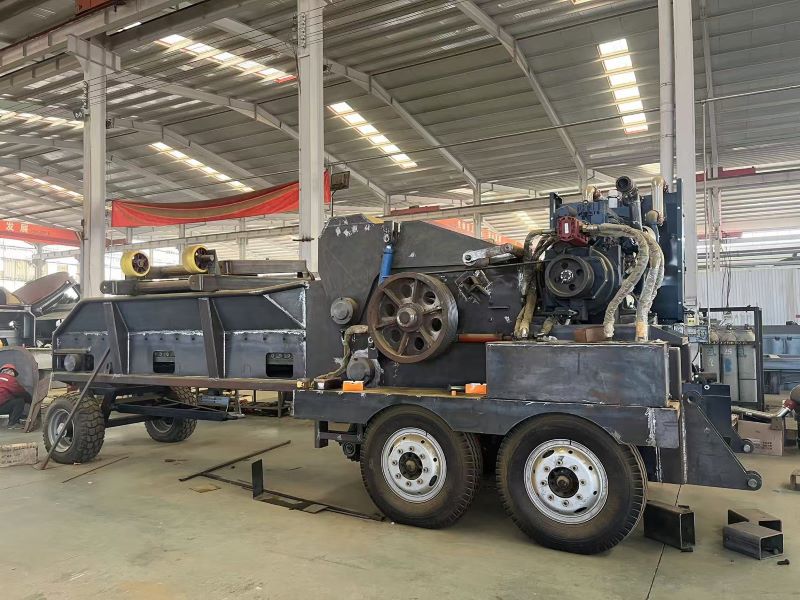
Review the project against the tub grinder range, the independent product range and the project contact page. The horizontal wood grinder resource provides another route into the WeiDong grinder range. Use these pages to organize questions and request a configuration review; final selection still depends on actual material, site, output target and approved operating procedure.
Send representative material photographs, lot descriptions, target output, shift schedule, loader and discharge details, available utilities, scale records and the completed scenario sheet. A useful response will identify assumptions and test requirements instead of presenting one universal cost or capacity claim.
<p><strong>Tub grinder cost for C&D wood should be evaluated as a cost per accepted ton over a defined shift, not as purchase price divided by a headline capacity.</strong> The buying model must include feed control, preparation, support equipment, wear, energy, labor, downtime and output acceptance.</p>
<h2>Set the commercial boundary first</h2>
<p>Write the project period, required accepted daily mass, operating days, labor coverage, loader arrangement, output destination and ownership assumptions. Separate capital purchase, financing, site work and startup from recurring operating cost. Then state which residual value, taxes or local charges are outside the comparison.</p>
<p>Use the <a href="https://www.wdmachines.com/technical-resources/operating-costs-explained-how-much-does-it-really-cost-to-run-a-tub-grinder/">operating-cost framework</a> to keep cost categories consistent, and the <a href="https://www.wdmachines.com/technical-resources/how-to-measure-wood-grinder-throughput-site-test/">site-test method</a> to define accepted output.</p>
<h2>Separate fixed, variable and event-driven cost</h2>
<p>Fixed cost covers ownership and scheduled readiness. Variable cost follows productive hours or accepted tons: fuel or electricity, routine wear, lubrication and ordinary labor. Event-driven cost comes from contamination, unplanned transport, damaged wear parts, emergency service, rejected output or a blocked work cell. Keeping these groups separate makes the model easier to update.</p>
<p><code>Period contribution = avoided disposal or output value - operating cost - event allowance</code></p>
<p>Use documented local values rather than generic market prices. Run the equation without credit for output value as a downside case, then add only verified outlets and terms.</p><h2>Build the cost record from traceable operating evidence</h2>
<p>For a buyer, the decision is whether the complete work cell can meet required accepted output with a defensible cost range. The record should identify the incoming lot, accepted and prohibited fractions, preparation work, machine configuration, loader, screen, operating window and destination. Keep gross input, first-pass accepted output, oversize, rejects and unprocessed remainder separate. This prevents a high conveyor total from hiding poor recovery or repeated handling.</p>
<p>Compare invoices, meter readings, scale records and shift logs over the same period. Record productive minutes and total elapsed minutes separately. Loader gaps, sorting, relocation, cleaning, inspection, discharge delays and planned service belong in the shift record even when the grinder itself is available.</p>
<h2>Use three scenarios instead of one promised number</h2>
<p>Create low, expected and difficult cases from representative material. Change feed geometry, contamination exposure, moisture condition, screen choice, wear state and support time only when the reason is documented. A quotation should state which case it assumes and which open questions require a site trial.</p>
<p><code>Accepted-output cost per ton = total attributable period cost / first-pass accepted output</code></p>
<p>Run the equation with the same boundaries for every alternative. If a cost item cannot yet be measured, label it as an assumption with an owner and review date. Do not replace missing evidence with a precise-looking estimate.</p>
<h2>Control C&D wood before it reaches the grinder</h2>
<p>Release only the documented recoverable wood fraction. Unknown treated or painted wood, loose metal, concrete, masonry, wire, cable, soil-rich sweepings and other prohibited material require quarantine and an approved disposition. A grinder does not make an uncontrolled mixture compliant for a destination.</p>
<p>Receiving personnel should record source, visible contamination, typical and upper-bound geometry, moisture condition and preparation. Stop for suspected hard contamination, smoke, unusual heat, abnormal sound or vibration, damaged guarding, blocked discharge or lost communication. Inspection and restart must follow the selected machine's manual and site isolation procedure.</p>
<h2>Test the whole work cell</h2>
<p>A controlled trial should produce an accepted-output rate, fuel or energy per accepted ton, ordinary wear observations and a delay distribution. Fix the loader, material boundary, sampling rule and timing definitions during each comparison. Change one major variable at a time, record the reason, and keep the resulting output pile traceable to the run.</p>
<p>Useful evidence includes scale tickets, loader cycle observations, stop codes, inspection notes, screen and wear records, output samples, photographs with scale references and the final disposition of oversize and rejects. These items allow operations, maintenance, procurement and the destination owner to review the same facts.</p>
<h2>Procurement and operations checklist</h2>
<ul><li>Define accepted feed and prohibited material in writing.</li><li>Measure representative lots rather than a demonstration pile.</li><li>Use first-pass accepted output as the denominator.</li><li>Separate productive time from total elapsed time.</li><li>Record preparation, loader, discharge and inspection labor.</li><li>Identify wear state, screen, fuel or energy measurement method.</li><li>Price routine service, critical spares and abnormal-event exposure.</li><li>Assign owners and review dates to every open assumption.</li></ul>
<h2>Review the model after the first operating cycle</h2>
<p>Freeze the forecast before startup, then reconcile it with the first complete operating cycle. Compare planned and actual released feed, productive hours, accepted output, routine service, wear usage, energy, labor and delays. Explain the largest differences by evidence category rather than changing the original assumptions after seeing the result.</p>
<p>Keep the first cycle as a baseline, not a permanent standard. Update the planning range only after repeated representative cycles show that the change is stable. A wet seasonal stream, a new demolition source, different loader, changed screen or altered destination specification should open a new comparison period. This version control makes future quotations and operating decisions auditable.</p>
<p>At the closeout meeting, operations confirms the shift log, maintenance confirms component and inspection records, the destination owner confirms acceptance, and procurement confirms commercial inputs. Unresolved items stay open with owners and dates. This prevents a favorable cost result from being accepted when its output or material boundary has changed.</p>
<h2>Connect the cost model to equipment selection</h2>
<p>Review the project against the <a href="https://www.wdmachines.com/product/tub-grinder/">tub grinder range</a>, the <a href="https://wood-grinder.com/products.php?category=tub-grinder">independent product range</a> and the <a href="https://www.wdmachines.com/contactus/">project contact page</a>. The <a href="https://www.wood-grinder.com/">horizontal wood grinder</a> resource provides another route into the WeiDong grinder range. Use these pages to organize questions and request a configuration review; final selection still depends on actual material, site, output target and approved operating procedure.</p>
<p>Send representative material photographs, lot descriptions, target output, shift schedule, loader and discharge details, available utilities, scale records and the completed scenario sheet. A useful response will identify assumptions and test requirements instead of presenting one universal cost or capacity claim.</p>