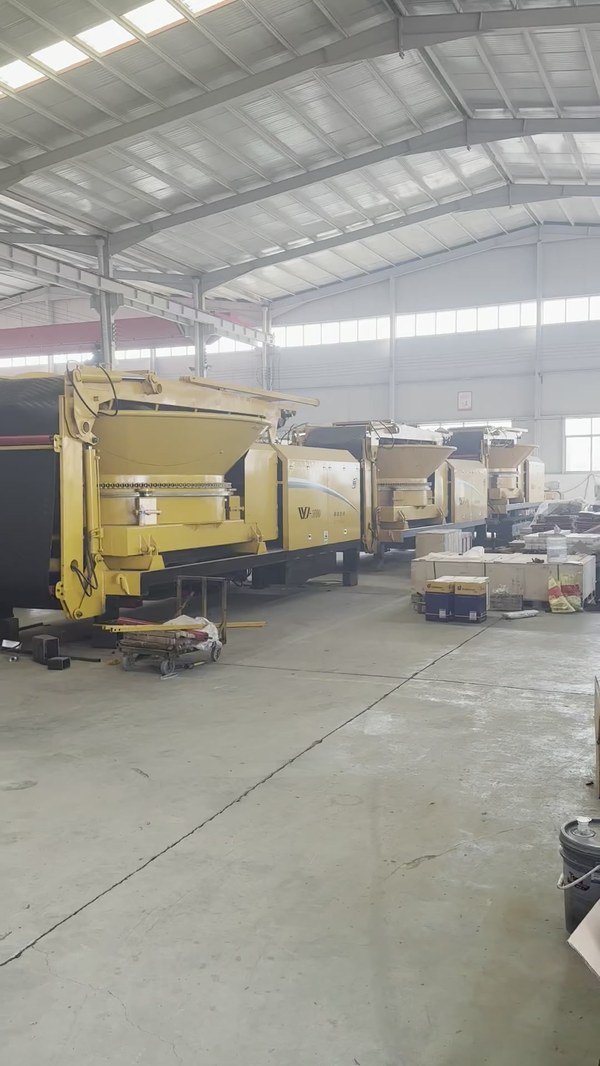
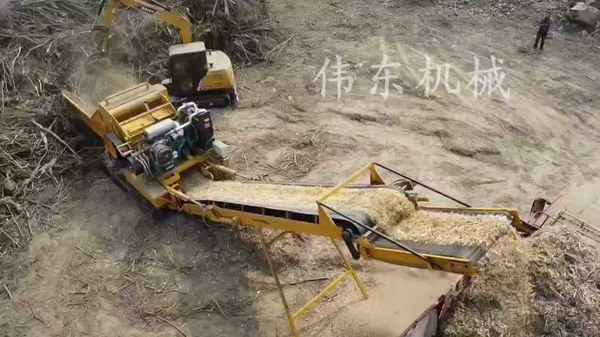
Welcome to Weidong Machines
Tub Grinder Capacity Planning for C&D Wood: What Buyers Should Measure
Tub grinder capacity for C&D wood should be purchased from a measured production envelope, not from one headline tons-per-hour number. Buyers need to know which wood fraction is accepted, how it is prepared, what output counts as acceptable, and how much of the shift is lost to sorting, loading, stops, recirculation and output handling.
Define the material boundary before discussing capacity
Separate clean framing offcuts, pallets, crates and other approved recoverable wood from mixed demolition debris. Unknown treated or painted wood, loose metal, concrete, masonry, cable, wire, soil-rich sweepings and other prohibited material require their own disposition. Capacity measured on clean lumber cannot be transferred to an uncontrolled mixed pile.
Use the existing complex raw-material guide to create the receiving boundary. Record source, typical and maximum geometry, visible contamination, moisture condition, fines, preparation and lot-release authority.
Specify three capacity numbers
Ask every proposal and trial to report the same three results. Gross input rate is released feed mass divided by total elapsed hours. First-pass accepted output rate is output that meets the agreed specification divided by total elapsed hours. Productive grinding rate uses only recorded grinding minutes. The first two support business planning; the third helps diagnose the machine and work cell.
First-pass accepted output rate = accepted output mass / total elapsed hours
Keep oversize requiring another pass, rejected contamination and unfinished material outside accepted output. The site throughput test method explains why gross and productive time must remain separate.
Build a capacity evidence sheet
| Field | Required evidence | Decision use |
|---|---|---|
| Released feed | Scale record and lot identity | Defines the denominator |
| Feed distribution | Typical and upper-bound geometry | Tests preparation and loading |
| Screen and wear state | Configuration record | Makes runs comparable |
| Accepted output | Sampling and rejection rule | Prevents coarse output inflating capacity |
| Delay log | Loader, sorting, stop and discharge minutes | Locates the bottleneck |
Test representative lots, not a demonstration pile
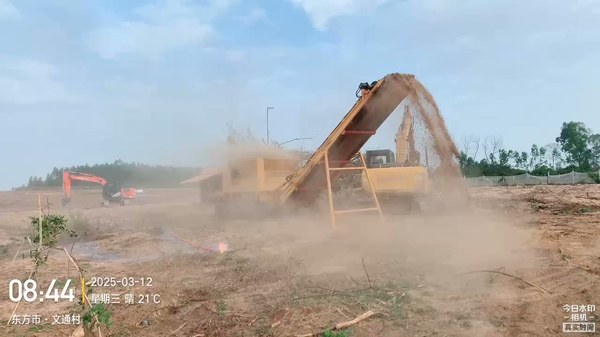
Prepare at least three identified lots that reflect the expected commercial stream. Use the same acceptance rule, loader, screen, sampling method and timing definitions. Record source mix and weather exposure so a dry offcut run is not averaged silently with wet, dense material.
Do not change several variables inside one run. End the run, record the reason, then begin a new configuration. This allows the buyer to distinguish screen restriction, loader rhythm, feed geometry and contamination stops. Review the capacity-planning measurement structure and adapt the material fields to released C&D wood.
Convert the trial into required machine hours
Use the lower stable first-pass accepted output rate from representative conditions, not the fastest short interval. Then divide required accepted daily tonnage by that rate. Add scheduled inspection, cleaning, fueling or power checks, shift changes and maintenance as separate time rows. These are planning assumptions until the site has repeated operating data.
Required processing hours = required accepted daily mass / planning accepted-output rate
Run low, expected and difficult scenarios. If the difficult scenario exceeds the available shift, investigate preparation, loader capacity, output removal, additional operating time or a different configuration. Do not simply replace the planning rate with an optimistic value.
Compare complete commercial scope
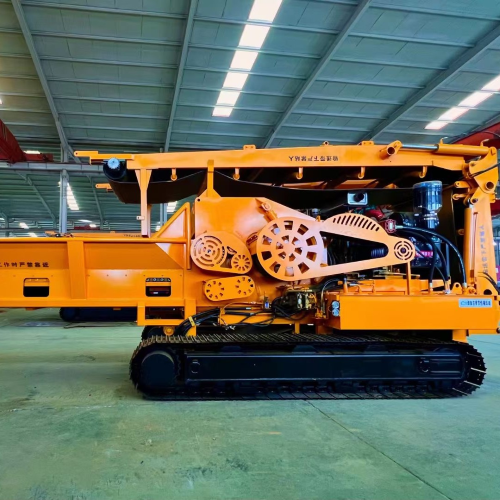
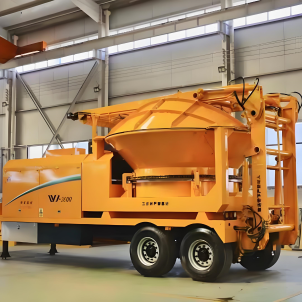
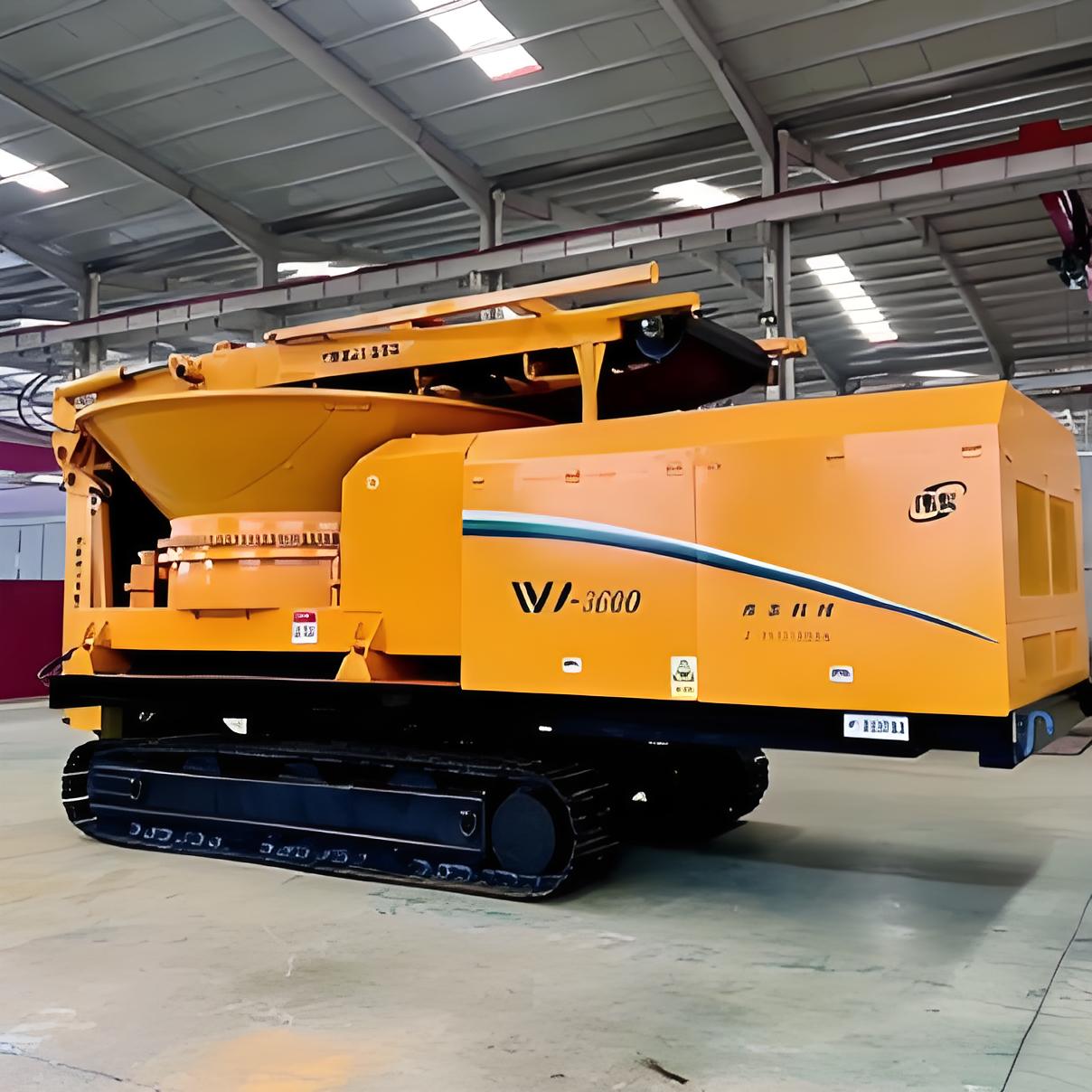
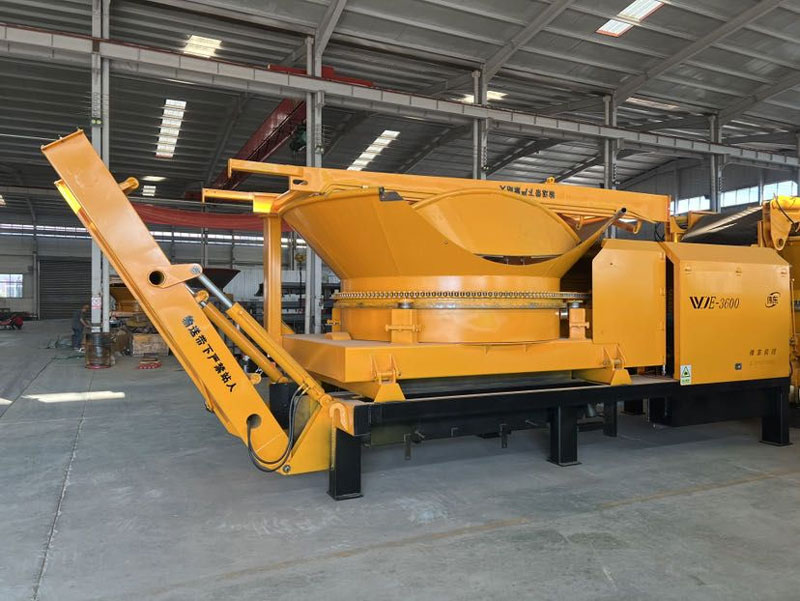
Capacity can be limited by the loader, feed staging, discharge conveyor, magnetic or other approved separation, output stockpile and truck schedule. Compare the tub grinder product family only after these supporting resources are listed. Ask suppliers to state feed assumptions, excluded contaminants, required preparation, screen, support, training and the test conditions behind each capacity statement.
Price routine wear, contamination events, critical spares, service response, rejects and lost time separately. The operating-cost framework can then use accepted tons instead of gross conveyor tons.
Buyer release checklist
Accepted and prohibited C&D wood fractions are written.
Representative geometry, moisture and contamination are recorded.
Gross input, productive grinding and first-pass accepted output are separated.
Loader, screen, wear state and output sampling are fixed for each run.
At least three representative lots are compared.
Planning rate uses a stable evidence-backed range.
Open assumptions have owners and review dates.
Request a configuration review
Send the material record, photographs, scale data, target output, available shift, site layout and loader details through the WDMachines contact page. A useful quotation connects the proposed configuration to the measured envelope and states its limits; it does not guarantee one universal rate for every C&D load.
Audit quotation assumptions line by line
Create a register with the capacity statement, material class, preparation, screen, output rule, loader, test duration, productive time, total time and source document. Mark buyer measurements separately from supplier estimates. If one value is unknown, do not enter zero; assign an owner, evidence request and review date.
Review the register with purchasing, operations, maintenance and the output owner. Purchasing confirms scope and commercial exclusions. Operations confirms that the stated lot resembles normal released feed. Maintenance confirms service and wear boundaries. The output owner confirms that the sampling rule matches the intended destination. A capacity figure is ready for comparison only when these boundaries are visible beside it.
Plan commissioning as a capacity verification period
Use early operation to confirm receiving, feed preparation, loader rhythm, accepted output, stops and support response. Preserve results by lot and configuration. Do not average away a new source or a material-condition change. At the end of the observation window, revise the planning range and spares assumptions from recorded evidence while keeping the original estimate for audit.